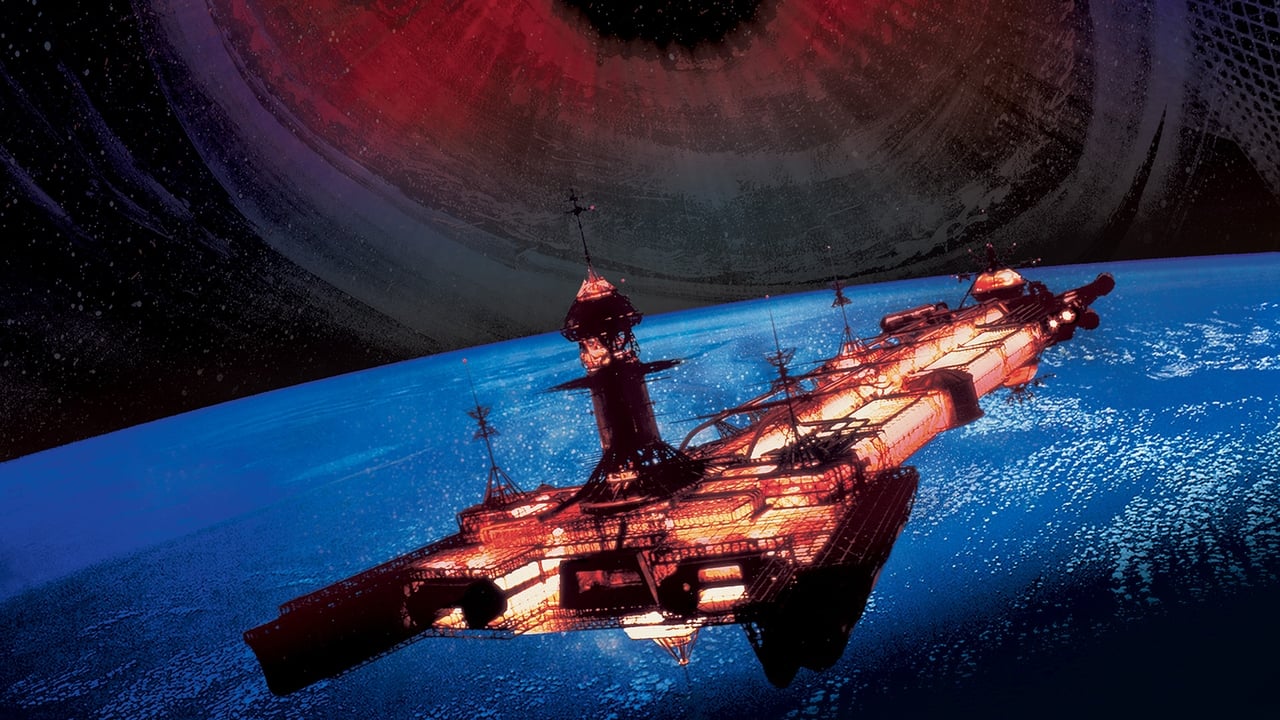
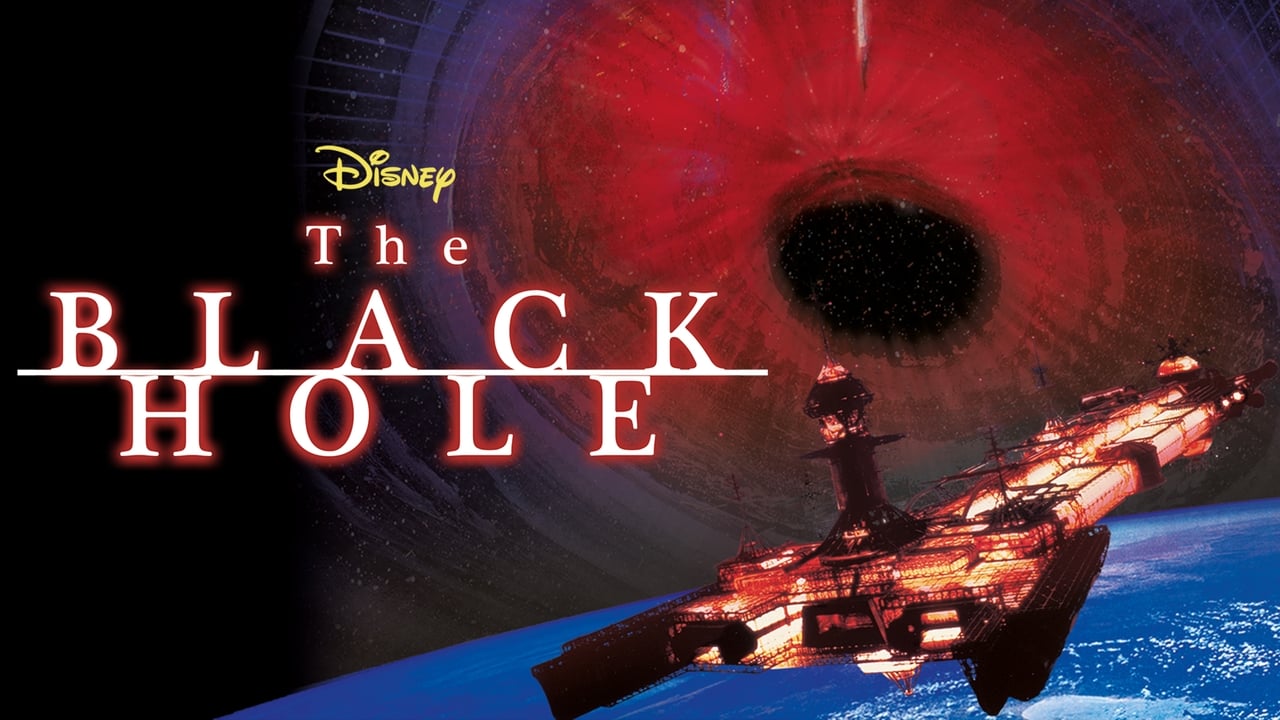
It arrived on rental shelves like a transmission from another dimension – a Disney movie, yes, but one bathed in shadows and cosmic dread, far removed from singing mice or enchanted forests. Seeing the imposing image of the U.S.S. Cygnus dwarfed by the swirling maw of The Black Hole (1979) on that worn VHS box was an invitation to something grander, maybe even a little dangerous. This wasn't just another space adventure; it felt like Disney reaching for the stars, aiming for the thoughtful, awe-inspiring sci-fi sparked by 2001: A Space Odyssey while grappling with the blockbuster energy of Star Wars.
A Ghost Ship at the Edge of Forever
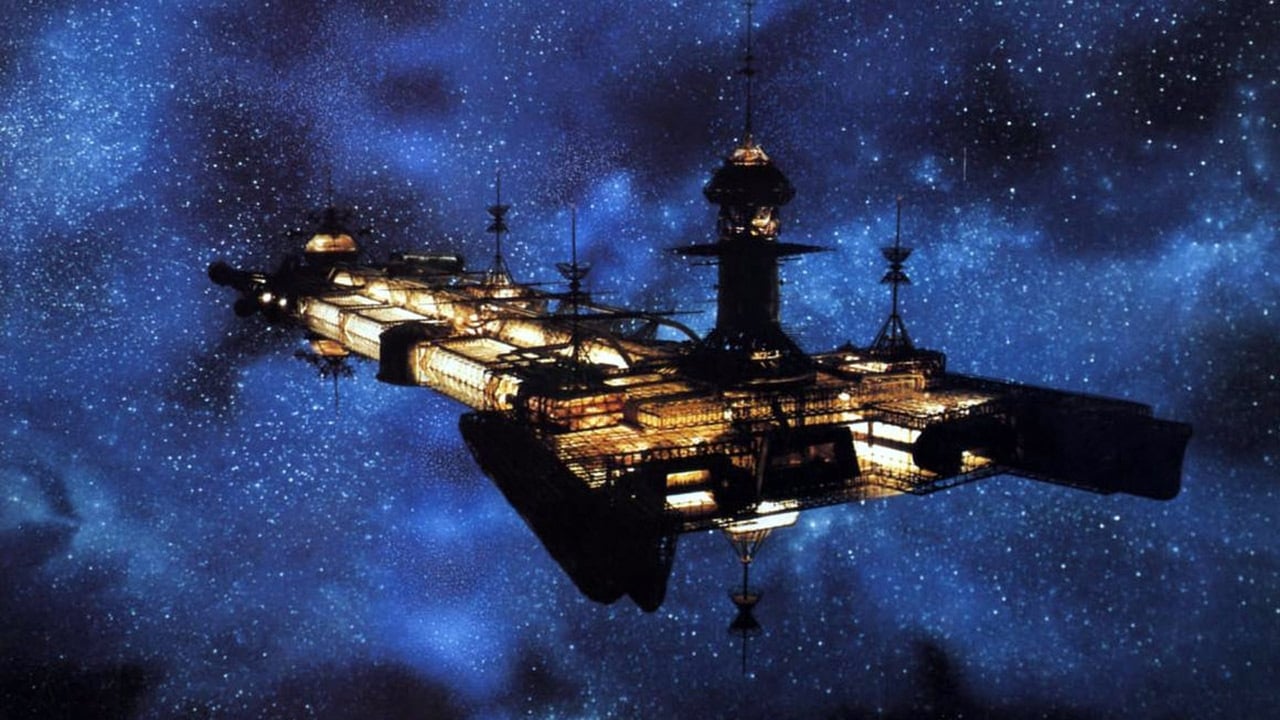
The premise hooks you immediately: the deep-space exploration vessel U.S.S. Palomino discovers the long-lost Cygnus perched impossibly on the event horizon of a massive black hole. Commanded by the brilliant but unnervingly intense Dr. Hans Reinhardt (Maximilian Schell), the Cygnus is a marvel of gothic space architecture, a skeletal cathedral adrift in the void. Director Gary Nelson, working from a script credited to Jeb Rosebrook and Gerry Day, captures a genuine sense of wonder and unease as the Palomino crew – including the steady Captain Dan Holland (Robert Forster) and the increasingly anxious Dr. Alex Durant (Anthony Perkins, perfectly cast for his trademark nervous energy) – step aboard. The sheer scale of the Cygnus, brought to life through stunning matte paintings by the legendary Peter Ellenshaw and intricate model work, felt vast and captivating, especially on those fuzzy CRT screens of yesteryear. It was a haunted house in space, full of echoing corridors and secrets held by a crew of silent, black-clad androids.
The Unsettling Heart of the Cygnus
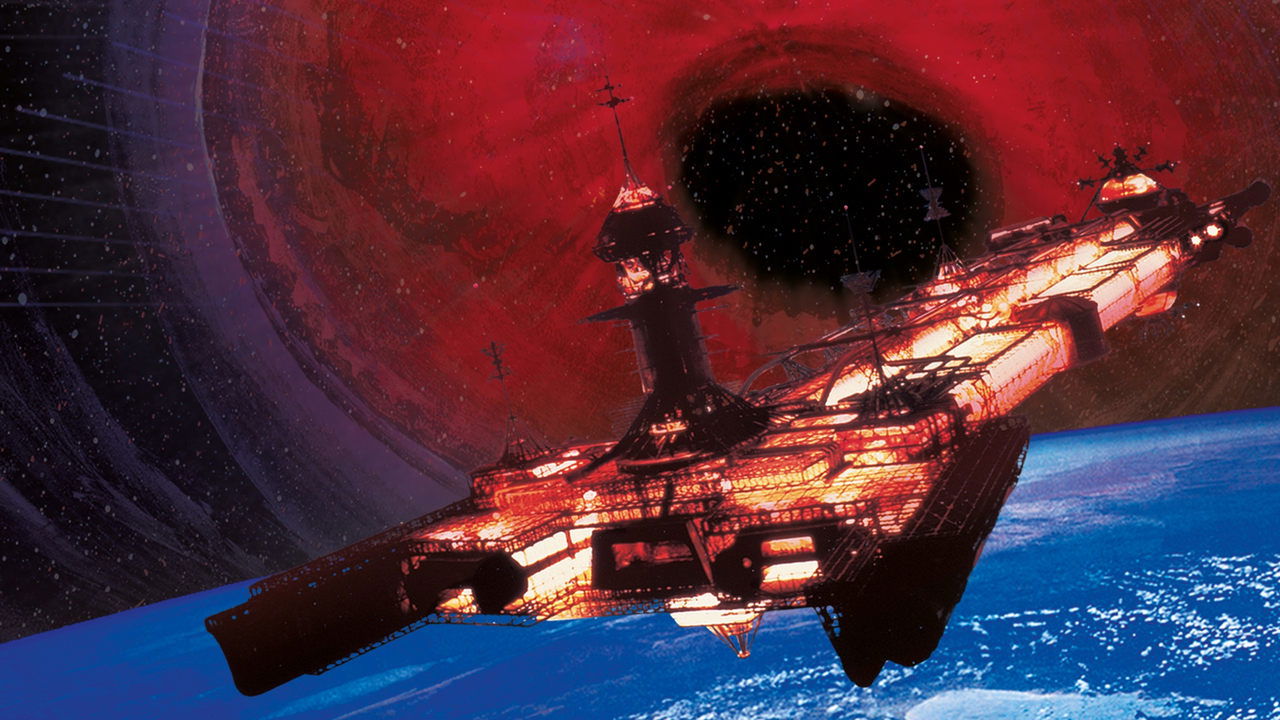
What truly set The Black Hole apart, particularly for a Disney film, was its surprisingly dark undercurrent. Maximilian Schell absolutely dominates the screen as Reinhardt, a man driven by obsessive genius to the point of madness. His monologues about harnessing the power of the black hole are delivered with a chilling conviction that borders on the Shakespearean. He’s a captivating villain, part Captain Nemo, part Ahab, consumed by his quest regardless of the human cost. And the cost becomes terrifyingly clear – the reveal of what happened to the original human crew is genuinely unsettling, involving lobotomized husks and faceless drones carrying out Reinhardt's will. It pushed boundaries, earning Disney its very first PG rating, a signal that they were venturing into more mature territory. This wasn't just space opera; it flirted with cosmic horror.
Robots That Stole the Show (For Better or Worse)
Of course, you can't talk about The Black Hole without mentioning the robots. V.I.N.CENT. (Vital Information Necessary CENTralized), voiced by the distinctive Roddy McDowall, and the folksy, battered Old B.O.B. (voiced, incredibly, by Slim Pickens of Dr. Strangelove fame) were clearly Disney's nod to the droids of Star Wars. Their hovering designs and sometimes quippy dialogue felt a bit grafted on, an attempt to inject some levity and kid-appeal into the otherwise somber proceedings. Did we all desperately want a floating V.I.N.CENT. toy back then? Absolutely. Did their presence sometimes clash with the film's darker themes? Perhaps. Yet, contrasting them was Reinhardt’s menacing crimson bodyguard, Maximilian, a silent, whirling dervish of destruction who remains one of cinema’s more frightening robotic creations – no cute banter there, just pure threat.
Retro Fun Facts & Ambitious Reach
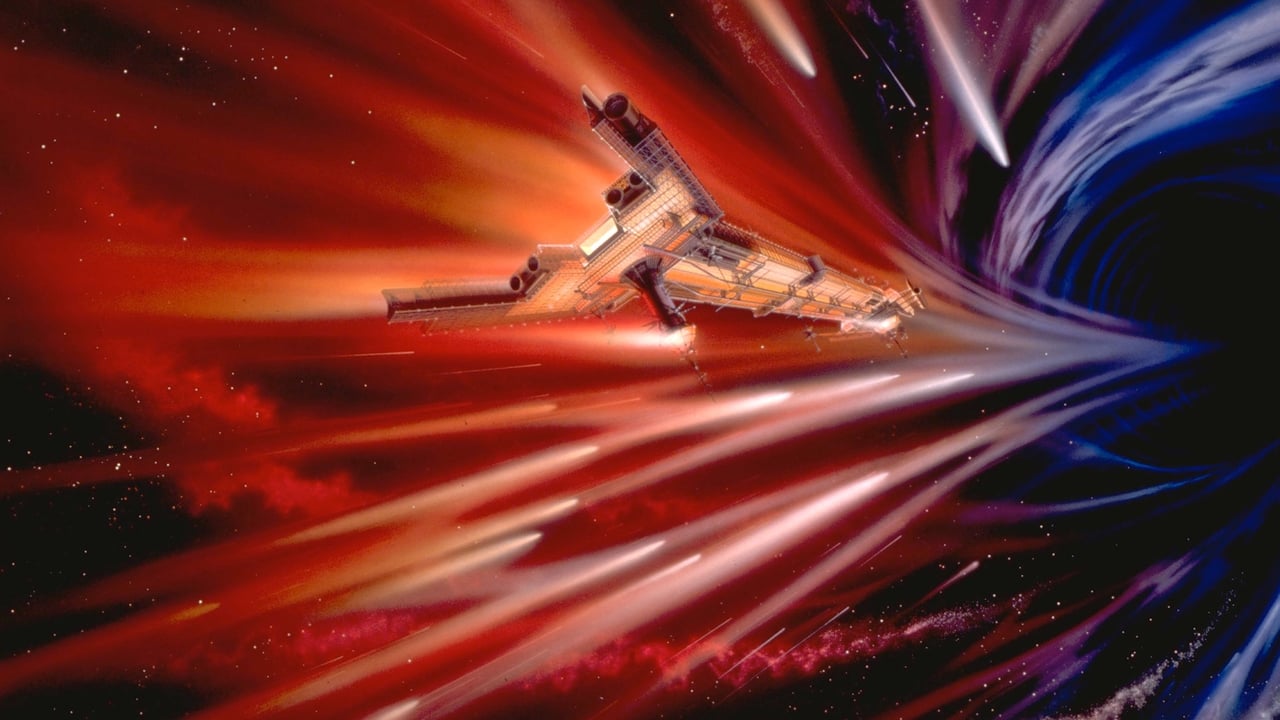
This was a hugely ambitious project for Walt Disney Productions, costing around $20 million – a significant sum back then. They poured resources into the visual effects, creating that groundbreaking (for its time) computer-generated wireframe sequence of the black hole during the opening credits. While the narrative sometimes felt a bit ponderous, pacing unevenly between philosophical discussions and sudden bursts of action (like that memorable laser shoot-out in the gallery), the sheer look of the film was undeniable. Adding immeasurably to the atmosphere was the majestic, haunting score by John Barry, fresh off his iconic James Bond work. His music lent the film a gravitas and sense of cosmic wonder that elevated the material significantly. Critically, it was a mixed bag upon release (currently sitting around 6.0 on IMDb), often praised for its visuals but dinged for its script. Yet, for many who caught it on VHS or TV, its unique blend of beauty and darkness left a lasting impression.
Into the Psychedelic Unknown
Spoiler Alert! And then there's the ending. After a chaotic escape attempt during a meteor storm and the Cygnus's final plunge, the surviving crew members are pulled into the black hole itself. What follows is a bizarre, almost surreal journey through imagery evoking heaven and hell, culminating in Reinhardt trapped within his own creation, merged with his robot Maximilian. It was baffling, allegorical, and utterly unforgettable. Did it make perfect sense? Maybe not. But it was bold, visually striking, and sparked countless playground and video store debates about what it all meant. For a Disney film to end on such an ambiguous, almost psychedelic note was audacious.
---
VHS Heaven Rating: 7/10
The Black Hole stands as a fascinating anomaly in the Disney canon and a memorable piece of late-70s sci-fi. Its visual splendor, thanks to masterful production design and effects work, still impresses. Maximilian Schell delivers an iconic performance, and John Barry's score is magnificent. While the pacing lags occasionally, and the 'cute robot' factor doesn't always mesh seamlessly with the surprisingly mature and sometimes genuinely creepy tone, its ambition and willingness to explore darker themes make it stand out. The rating reflects its stunning visuals, memorable villain, and sheer audacity, balanced against its narrative unevenness.
It remains a grand, slightly strange, and visually rich journey to the edge of the unknown – a trip well worth revisiting on whatever format you can find, even if it’s not a well-loved, slightly worn VHS tape.