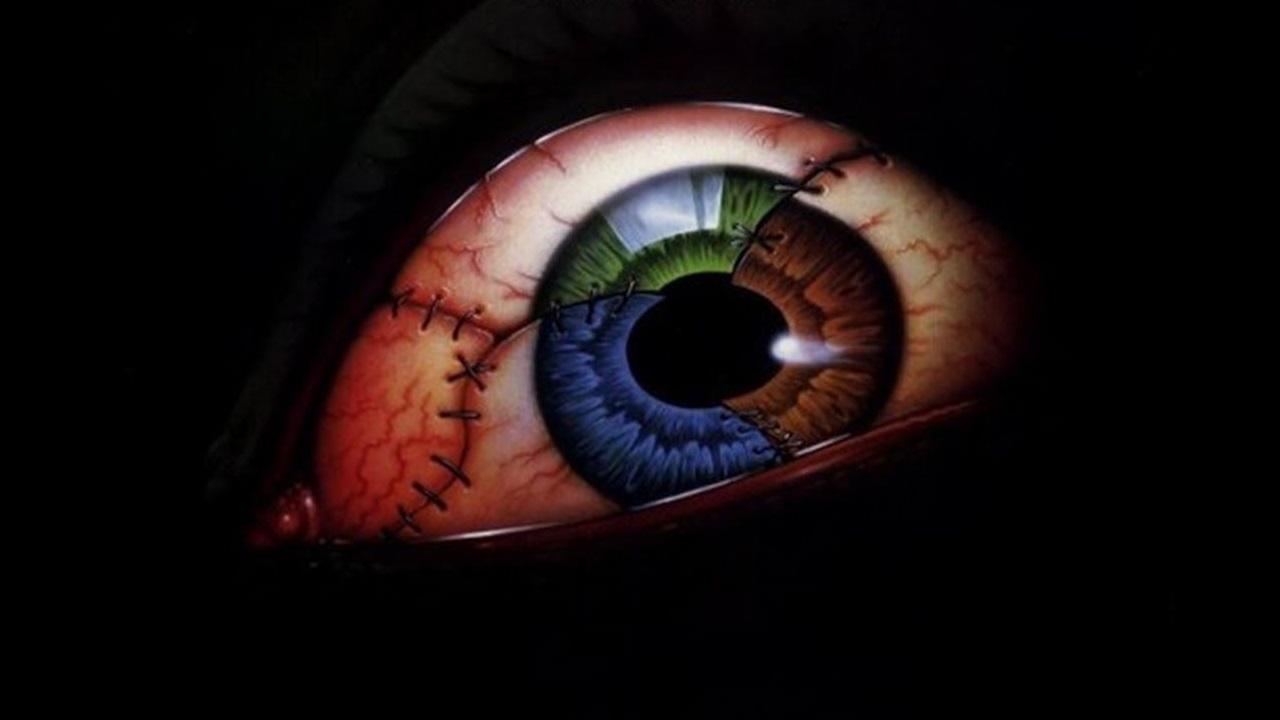
What happens when the bleeding edge of futuristic science—complete with laser beams and temporal displacements—collides head-on with the misty, gothic landscapes of literary creation? That's the strange, provocative question simmering at the heart of Roger Corman's 1990 directorial comeback, Frankenstein Unbound. It's a film that feels both wildly ambitious and charmingly ragged, a curious artifact from the turn of the decade that tries to dissect not just Mary Shelley's creation, but the very nature of scientific responsibility across centuries. Pull up a chair, fellow VHS voyager, and let’s revisit this peculiar slice of sci-fi horror.
A Future Imperfect Meets a Storied Past
The premise alone is pure pulp brilliance filtered through a surprisingly thoughtful lens. John Hurt, embodying a weary gravitas few actors could manage, plays Dr. Joe Buchanan, a scientist in 2031 whose experimental energy weapon creates unforeseen "time slips." One such rift flings him, along with his artificially intelligent car (voiced with clipped efficiency by 'Computer'), back to Switzerland in 1817. It's here that the lines between history and fiction blur spectacularly. Buchanan encounters not only Lord Byron and Percy Shelley but also Mary Wollstonecraft Godwin (Bridget Fonda) and, crucially, a certain Dr. Victor Frankenstein (Raul Julia) whose monstrous creation seems disturbingly real.
This collision isn't just narrative; it feels like the film's core identity. We have Buchanan, wrestling with the devastating potential of his own invention, suddenly confronting the original archetype of scientific hubris. It’s a concept ripe for exploration, and Corman, returning to the director's chair for the first time since 1971's Von Richthofen and Brown, seems genuinely energized by the possibilities. You can feel his history with literary adaptations (particularly Poe) bubbling beneath the surface, now fused with late-80s sci-fi sensibilities.
Corman Unleashed (Mostly)
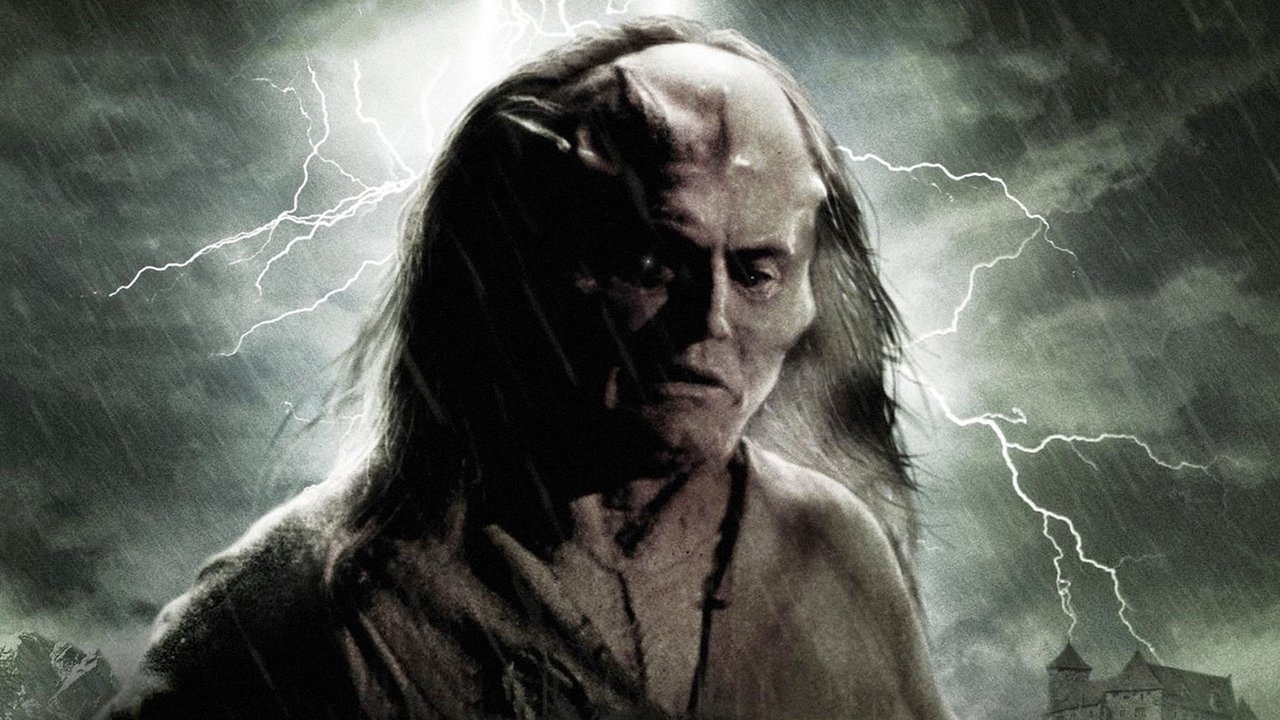
Seeing Roger Corman back directing was a notable event in itself. Known primarily as the shrewd producer who launched countless careers (Jack Nicholson, Francis Ford Coppola, James Cameron among them), his directorial efforts often showcased a knack for intelligent B-movie making. Frankenstein Unbound, loosely adapted from Brian Aldiss's 1973 novel, certainly feels like Corman aiming higher. With a reported budget of around $11.5 million – positively lavish by his usual standards – the film boasts a scope and visual flair often missing from his leaner productions. Filmed on location in Italy, capturing the atmospheric beauty around Lake Como, it looks far more expensive than many contemporary genre films.
However, that Corman resourcefulness still peeks through. The practical effects, particularly the crackling energy vortexes of the time slips and Buchanan's laser weapon slicing through carriages, have that distinct, slightly raw quality we remember from the era. They felt impressive then, even if they look somewhat quaint now. The intelligent car, 'Computer', feels like a nod to K.I.T.T. but serves mostly as an exposition device. It’s this blend of ambition and B-movie pragmatism that gives the film its unique, sometimes uneven, texture. Unfortunately, audiences didn't quite connect, and the film struggled to recoup its budget at the box office, becoming more of a cult curiosity than the mainstream hit it perhaps aimed to be.
Anchors in the Storm: Hurt and Julia
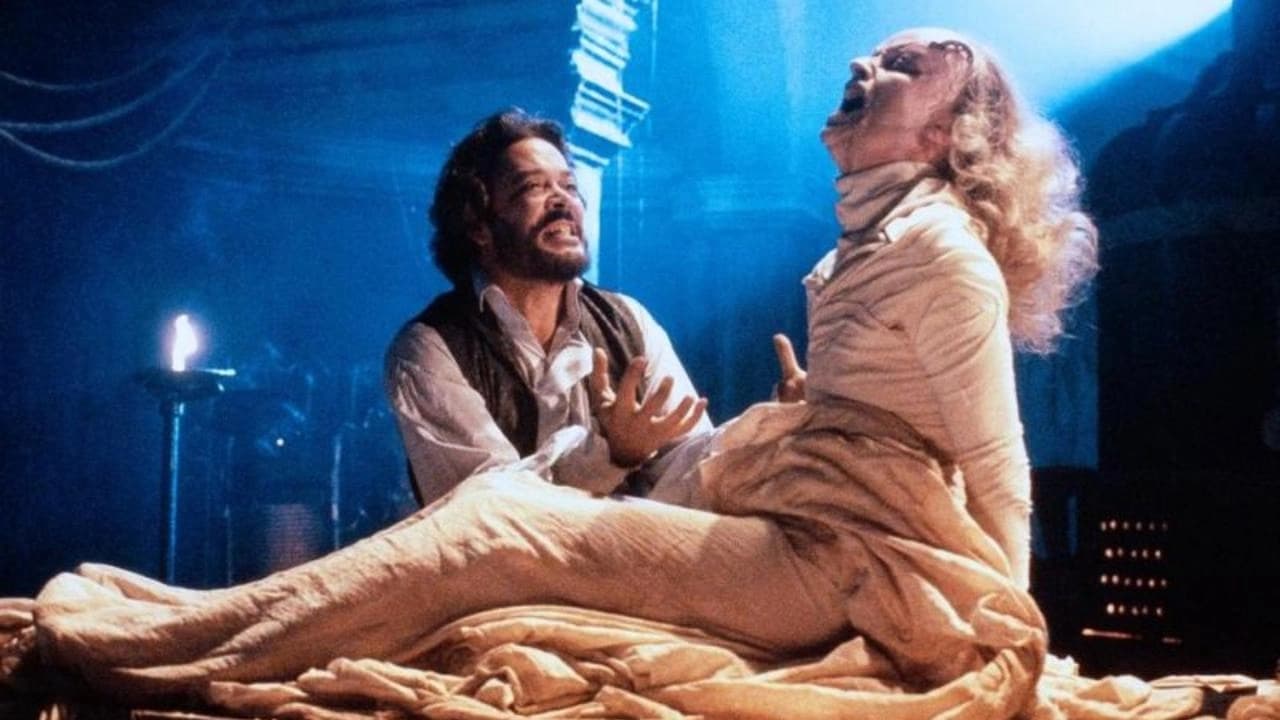
What truly elevates Frankenstein Unbound beyond mere concept are the central performances. John Hurt is magnificent as Buchanan. He carries the film's philosophical weight, his face etched with the dawning horror of understanding his connection to Victor Frankenstein's transgressions. Hurt sells the scientist's moral dilemma with a quiet intensity that grounds the more outlandish elements. Watching him navigate this bizarre landscape, trying to reconcile 21st-century ethics with 19th-century horrors, is compelling stuff.
Opposite him, Raul Julia tears into the role of Victor Frankenstein with theatrical gusto. It’s a performance bordering on flamboyant, yet utterly captivating. Julia doesn't just play Victor; he inhabits the obsessive, arrogant, yet strangely charismatic genius. His debates with Buchanan crackle with intellectual energy, two creators from different eras confronting the monsters they’ve unleashed. It’s a testament to Julia’s skill that his performance feels perfectly pitched for Corman’s heightened reality. Elsewhere, Bridget Fonda, early in her career, brings intelligence and sensitivity to Mary Shelley, caught between the literary world and the terrifying reality unfolding around her. And Nick Brimble imbues the Monster with a tragic physicality, more victim than villain, echoing Karloff while adding his own distinct pain.
Ideas vs. Execution
The film grapples with hefty themes: the responsibility of creators, the destructive potential of unchecked science, the power of stories to shape reality. Buchanan isn't just an observer; his arrival seems to actively influence events, blurring the line between witnessing fiction and participating in its horrifying creation. Does his future knowledge give him the right, or even the obligation, to interfere? The film doesn't offer easy answers, leaving the viewer to ponder the ethical quandaries long after the credits roll.
Yet, for all its intellectual reach, the execution sometimes falters. The pacing can feel erratic, shifting between thoughtful dialogue scenes and bursts of action that occasionally feel jarring. Some of the attempts to blend the futuristic tech with the period setting land awkwardly. It’s a film bursting with ideas, perhaps too many for its own narrative cohesion, leaving certain threads feeling underdeveloped. It doesn't quite reach the classic status of Corman's best work, but its sheer audacity makes it memorable.
Final Reel
Frankenstein Unbound remains a fascinating experiment, a film that feels uniquely Corman while reaching for something grander. It’s a collision of high-concept sci-fi, gothic horror, and literary deconstruction, anchored by terrific performances from Hurt and Julia. It may be uneven, occasionally clunky, and bear the charming hallmarks of its era's practical effects, but its willingness to engage with complex ideas makes it stand out from the usual genre fare of the time. Watching it again now, it feels like a perfect VHS discovery – ambitious, slightly strange, and carrying that unmistakable spark of a legendary filmmaker letting his imagination run wild after a long silence.
Rating: 6.5/10
Justification: The ambitious concept, Corman's noteworthy return, and powerhouse performances from John Hurt and Raul Julia earn significant points. The atmospheric Italian locations and thought-provoking themes elevate it above standard B-movie fare. However, uneven pacing, occasional tonal whiplash, and some dated effects prevent it from reaching classic status, keeping the score grounded but appreciative of its unique qualities.
Final Thought: It might not be the definitive Frankenstein, but it’s perhaps the most unexpectedly meta one, leaving you wondering not just about monsters made of flesh, but those born from unchecked ambition across any century.