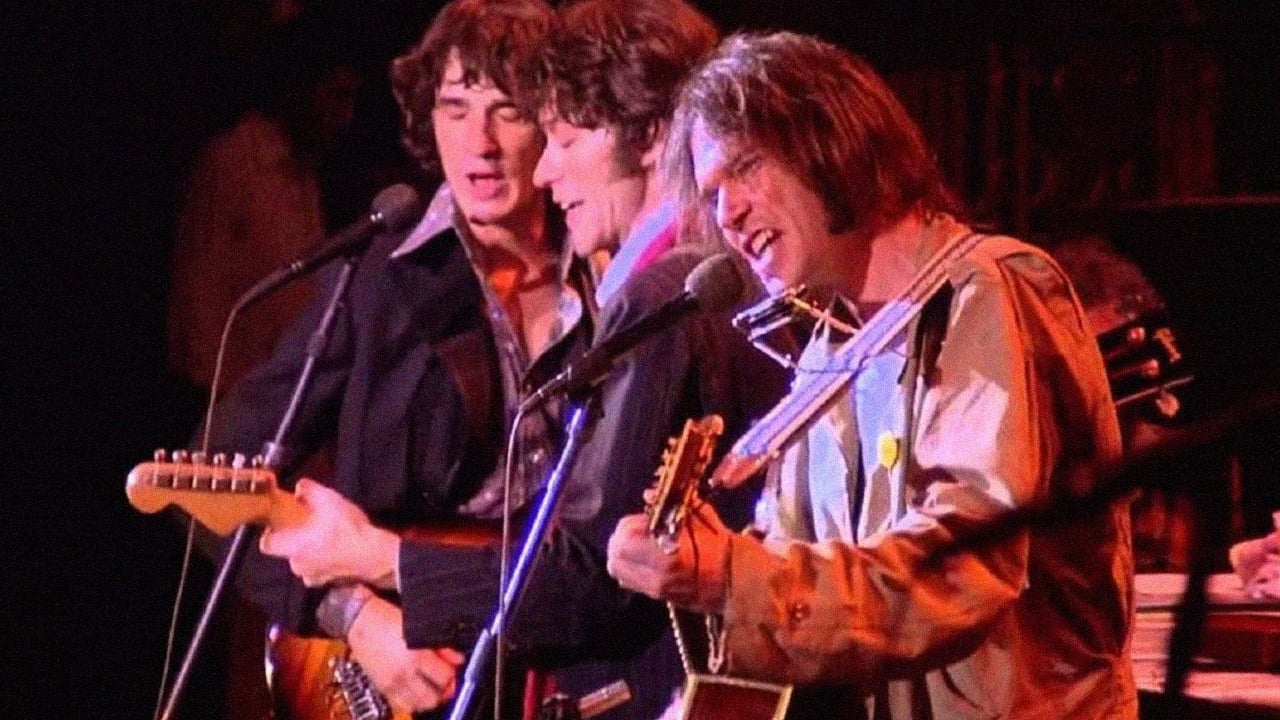
It’s a rare thing, isn’t it? A concert film that feels less like a recording and more like… an invitation. An invitation not just to a show, but to a specific moment charged with history, camaraderie, and the bittersweet tang of farewell. Watching Martin Scorsese’s The Last Waltz again, even now, decades after its 1978 release and countless viewings on trusty VHS tapes worn smooth with reverence, feels like stepping into the warm, almost hallowed glow of San Francisco's Winterland Ballroom on Thanksgiving Day, 1976. It transcends the screen; it puts you there.
### A Farewell Fit for Kings
This wasn't just another gig. This was The Band – Robbie Robertson, Levon Helm, Rick Danko, Richard Manuel, and Garth Hudson – deciding to hang up their touring spurs after sixteen years on the road. And they decided to go out not with a whimper, but with a glorious, sprawling bang, inviting a staggering lineup of friends and influences who represented a veritable history of rock and roll. The sense of occasion is palpable from the first frame. Scorsese, already a cinematic force with films like Mean Streets and Taxi Driver under his belt, didn't just document the event; he orchestrated a cinematic symphony to match the musical one.
### Scorsese Takes the Stage
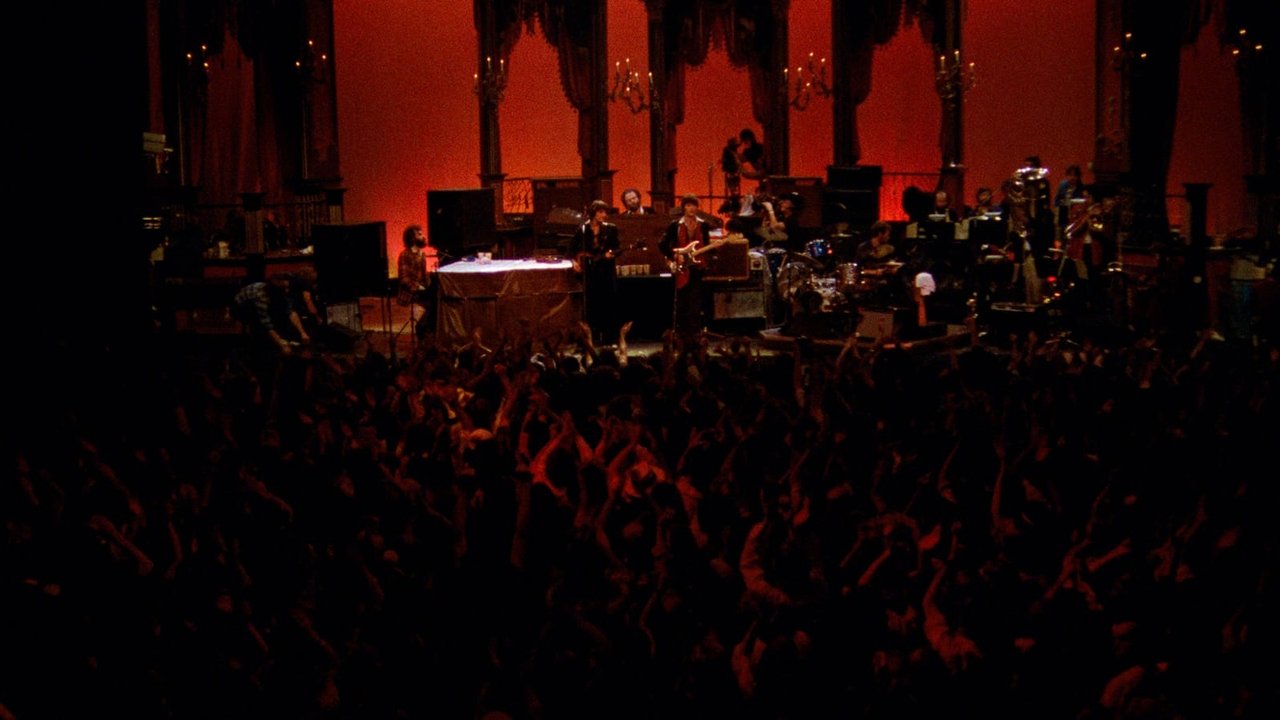
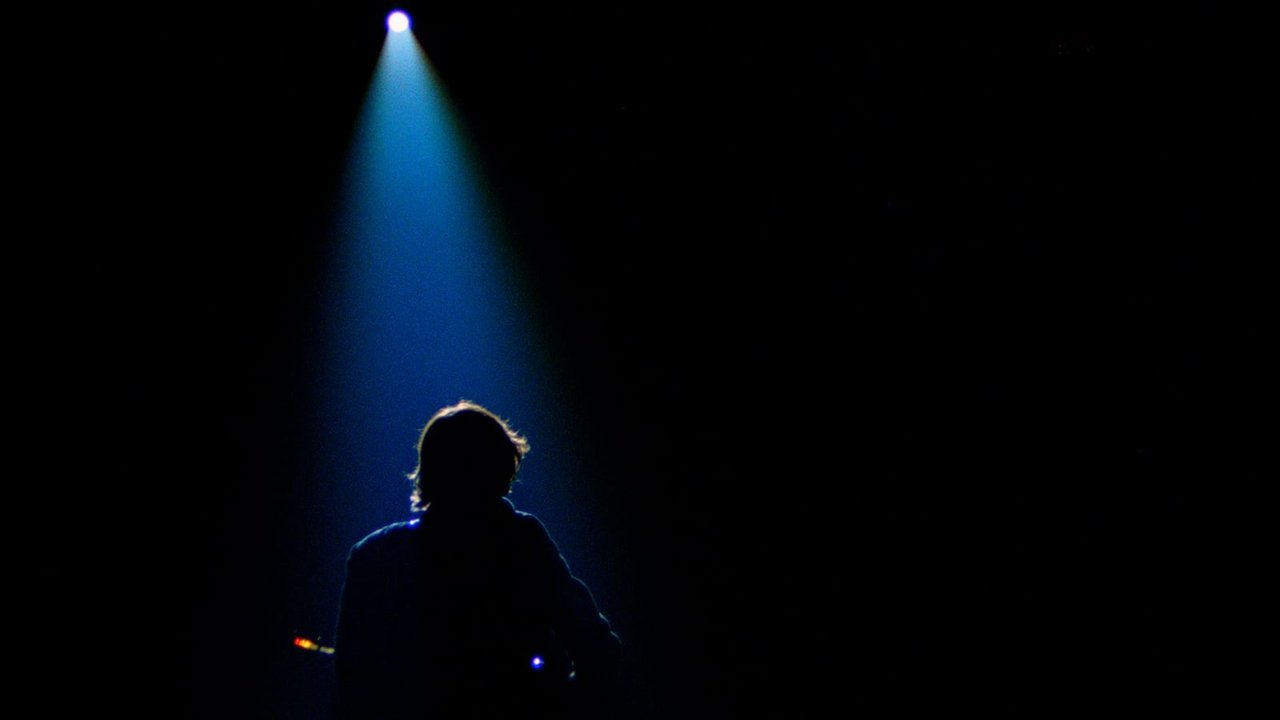
Forget shaky handheld cameras lost in a sea of heads. Scorsese approached The Last Waltz with the meticulousness of a narrative feature. Legend has it he storyboarded the entire concert, working from a hefty 300-page shooting script that mapped out camera angles and lighting cues for each song. He assembled a dream team of cinematographers, including Michael Chapman (Raging Bull), Vilmos Zsigmond (Close Encounters of the Third Kind), and László Kovács (Easy Rider), deploying seven 35mm cameras to capture the performances with a richness and clarity unprecedented for the genre. The lighting, designed by Boris Leven (production designer for West Side Story and The Sound of Music), bathes the stage in warm, theatrical hues, transforming the rock show into something almost operatic. It looks stunning, even viewed through the nostalgic fuzz of memory or an old CRT screen. This visual grandeur elevates the music, framing the performers not just as musicians, but as figures etching their final lines into legend.
### The Music That Defined an Era (And Brought Friends)
And what music! The Band themselves sound magnificent – tight, soulful, weathered but powerful. From the infectious energy of "Up on Cripple Creek" to the haunting melancholy of "It Makes No Difference," they remind you why they were so revered. Levon Helm’s drumming and uniquely American vocals anchor everything, Rick Danko’s bass and soulful voice soar, Garth Hudson conjures magic from his keyboards and horns, Richard Manuel’s piano and fragile vocals break your heart, and Robbie Robertson’s guitar work cuts through with precision and fire.
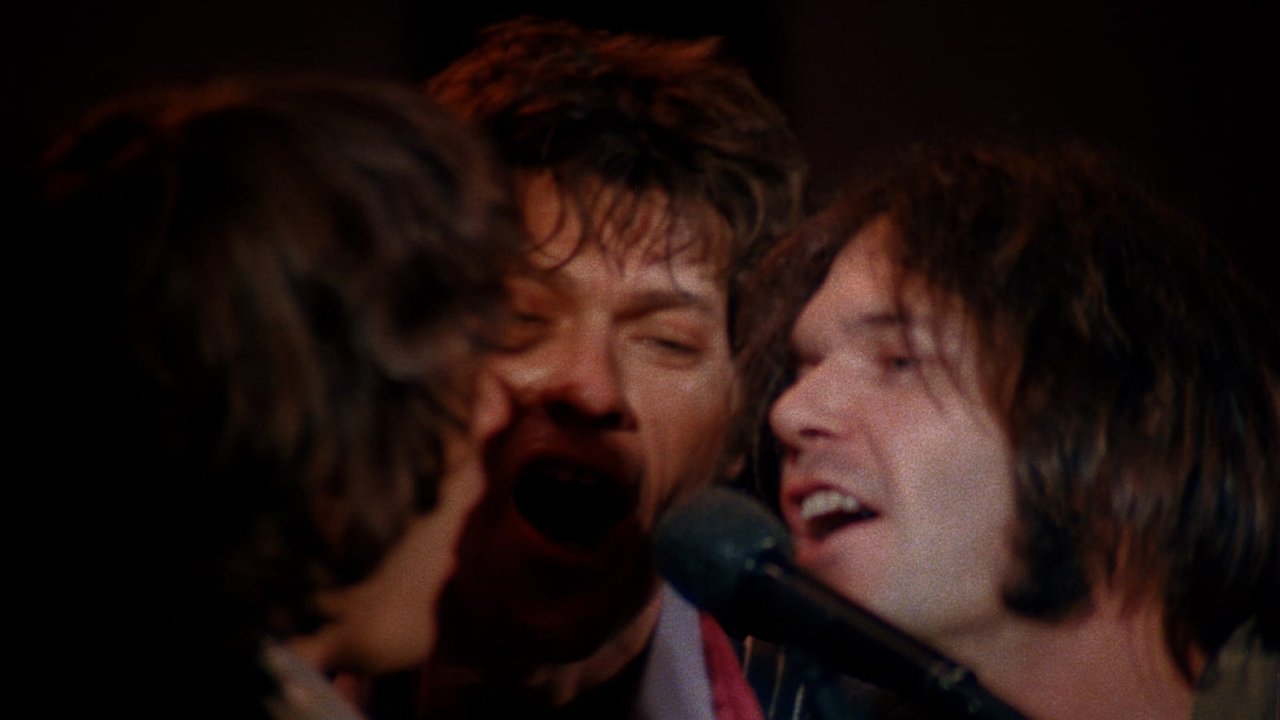
Then come the guests. Oh, the guests! Seeing Bob Dylan, Joni Mitchell, Neil Young, Van Morrison, Muddy Waters, Eric Clapton, Emmylou Harris, The Staple Singers… the list goes on… share the stage with The Band is electrifying. Each performance is a highlight: Muddy Waters delivering a potent "Mannish Boy," Van Morrison energetically high-kicking his way through "Caravan," Joni Mitchell’s ethereal grace on "Coyote," Neil Young’s heartfelt "Helpless" (famously requiring some expensive post-production rotoscoping to obscure a visible fleck of cocaine on his nose – a bit of rock ‘n’ roll lore that always brings a knowing smile). Even the sometimes-debated inclusion of Neil Diamond adds to the unique, almost surreal tapestry of the night. It’s a celebration, a jam session, a passing of torches, all rolled into one unforgettable evening.
### Between the Songs: Moments of Reflection
Scorsese masterfully interweaves the concert footage with interview segments conducted later in the studio. These moments offer crucial context and intimacy, allowing the members of The Band to reflect on their journey, the music, and the often-grueling life on the road. There's humour, insight, and a palpable sense of weariness, particularly evident in Richard Manuel’s contributions, which carry an extra layer of poignancy in retrospect. While Levon Helm would later voice frustrations, detailed in his own book This Wheel's on Fire, about the film's perceived focus on Robbie Robertson and the portrayal of the band's dynamic, the interviews undeniably add depth. They break up the relentless energy of the concert, allowing viewers to connect with the musicians as people, not just performers. It’s these quieter moments that often linger, forcing us to consider the human cost behind the rock and roll dream.
### Retro Fun Facts: Orchestrating the Waltz
The sheer scale of the event is staggering. Beyond the music, the organizers served a full Thanksgiving dinner to the 5,000 attendees before the show even began! Scorsese’s insistence on 35mm film and studio-quality lighting added significant expense and complexity, but the result speaks for itself. It wasn't just filmed; it was crafted. The film's initial reception was stellar critically, though it wasn't a massive box office smash, finding its legendary status grow over time, particularly as it became a must-have VHS for any serious music fan in the 80s and 90s. Renting The Last Waltz felt like uncovering a piece of sacred text.
### The Enduring Echo
What stays with you after the final notes fade? It’s the overwhelming sense of talent, certainly. But it’s also the feeling of an ending, the closing of a chapter, captured with artistry and respect. Scorsese didn’t just film a concert; he captured the spirit of an event, the complex emotions swirling around a group of musicians saying goodbye to a major part of their lives, surrounded by the peers who shaped and shared their world. It’s a document, a celebration, and a surprisingly moving piece of cinema. Does any other concert film manage quite the same blend of epic scope and intimate reflection?
Rating: 9.5/10
Justification: This score reflects the film's near-perfect execution. The unparalleled gathering of musical talent, the historical significance of the event, and Martin Scorsese's visionary direction elevate The Last Waltz far beyond a typical concert recording. The stunning cinematography, masterful editing, and insightful interviews create a rich, immersive experience. While later band dynamics add a complex footnote, the film itself remains a monumental achievement in music documentary.
Final Thought: More than just a concert film, The Last Waltz feels like a time capsule preserving the heart and soul of a specific, golden moment in music history, presented with the cinematic grace only Scorsese could provide. It remains essential viewing.