Okay, settle in. Let’s talk about a film that felt less like renting a movie from the corner store and more like checking out an entire, slightly overwhelming, beautifully bound history book on VHS. I’m talking about Claude Lelouch’s sprawling 1981 epic, known to many of us video hounds as Bolero, though its original, perhaps more fitting French title is Les Uns et les Autres (The Ones and the Others). This wasn't your typical Friday night grab; watching it felt like an event, a commitment, demanding time and attention in a way few films did.

A Tapestry Woven Through Time
What Lelouch, known for the swooning romance of A Man and a Woman, attempts here is breathtakingly ambitious: tracing the intertwined destinies of four families – Russian, German, French, and American – across nearly fifty years. Their lives, marked by music and performance, are thrown into the crucible of the 20th century's most turbulent events, primarily World War II and its long, echoing aftermath. We follow musicians, singers, dancers, their triumphs and tragedies unfolding against historical upheaval. It’s a narrative structure that doesn't just span decades; it deliberately echoes patterns, suggesting how trauma, talent, and love ripple down through generations. Does history repeat itself, or merely rhyme, as the saying goes? Lelouch seems deeply invested in exploring that very question.
Generations Embodied
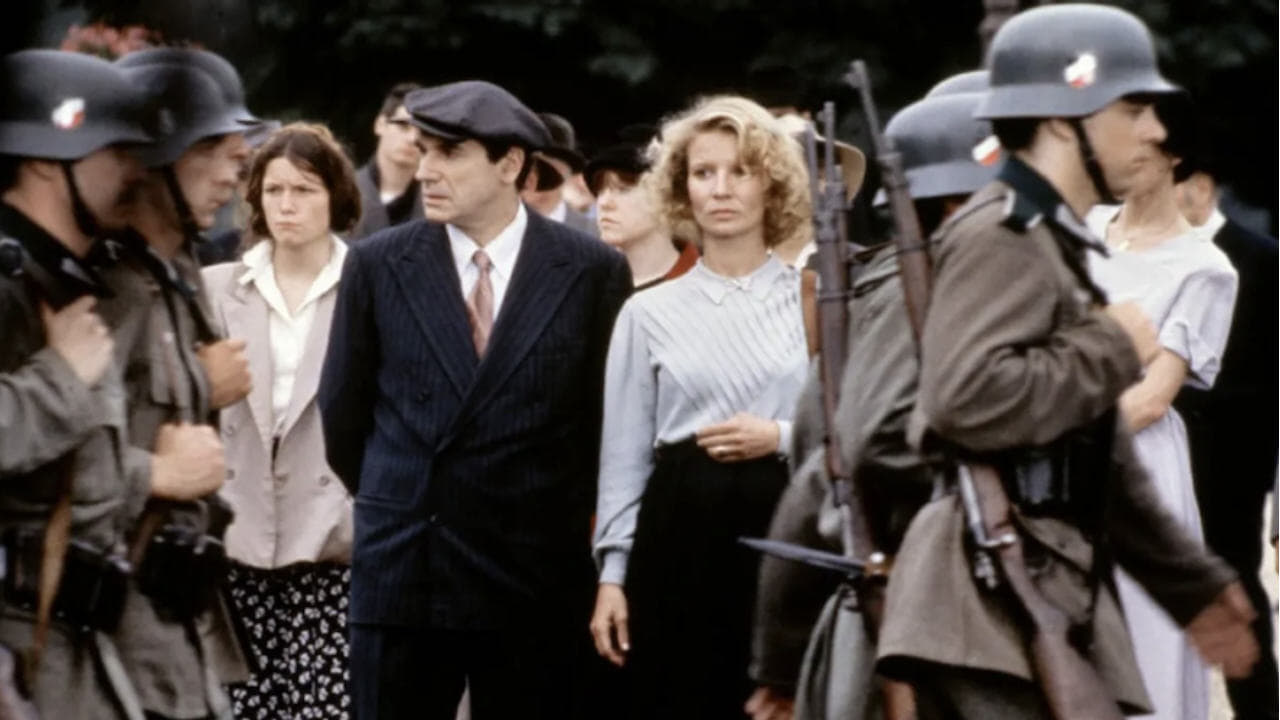
One of the most striking, and initially perhaps slightly confusing, choices Lelouch makes is having key actors portray multiple roles, often parents and their children. Robert Hossein, Nicole Garcia, Daniel Olbrychski, Geraldine Chaplin, and even American star James Caan (in a somewhat surprising turn for those used to his tougher roles) embody different characters linked by blood across the years. Initially, keeping track requires focus – remembering which actor is playing who now – but the cumulative effect is powerful. It visually underscores the film’s central theme: the weight of the past, the inheritance of both pain and passion. It’s a bold device, one that moves beyond simple narrative efficiency to become a statement in itself about lineage and fate. These aren't just performances; they feel like embodiments of recurring human dramas played out on history's stage.
The Unifying Power of Art
Music isn't just background dressing in Bolero; it’s the lifeblood, the connective tissue. From smoky jazz clubs to grand concert halls, from intimate wartime radio broadcasts to devastating moments within concentration camps, music persists. Composers Francis Lai (Lelouch's frequent collaborator) and Michel Legrand provide a rich, emotionally resonant score that carries us through the decades. But the film’s undeniable anchor, its soul, is Maurice Ravel’s Boléro. It appears and reappears, a haunting, insistent rhythm building across the narrative, culminating in one of the most unforgettable climaxes in 80s European cinema.
Retro Fun Facts: The Making of an Epic
Putting together a film of this scale, especially as a largely independent venture (Lelouch often self-financed), was a Herculean task. Reportedly budgeted around $10 million – a significant sum for a French production in the late 70s/early 80s (that's roughly $30-35 million today) – it was a gamble that paid off handsomely in France, becoming a major box office success. Its international reception, particularly in the US where it was released later and often in truncated versions, was more mixed. Finding the full, nearly three-hour cut on VHS felt like finding a treasure. Filming spanned multiple countries, capturing the distinct feel of different eras and locations, adding to its authentic, lived-in quality. It premiered at the prestigious 1981 Cannes Film Festival, signaling its artistic ambition right from the start. And the US title change? While Bolero certainly highlights the iconic music, some felt it simplified the complex, multi-character focus inherent in Les Uns et les Autres.
That Final Dance
And then there’s the ending. (Minor Spoiler Alert for the film's structure, though not specific plot points). The disparate threads of the narrative converge at a Red Cross Gala in Paris, headlined by the hypnotic performance of Ravel's Boléro, danced with electrifying intensity by Argentine ballet star Jorge Donn. Donn, primarily a dancer and not a traditional actor, delivers something utterly magnetic. Filmed with swirling cameras under the Eiffel Tower, this extended sequence is pure cinematic catharsis. It’s not just a dance; it’s a convergence of all the pain, loss, endurance, and hope we've witnessed over the preceding hours. It’s the moment the fragmented lives, the "ones and the others," symbolically come together. Seeing this sequence unfold, especially after the long journey the film takes you on, remains incredibly potent. I remember my well-worn tape having tracking issues right around this part, adding a strange, fuzzy layer to the already dreamlike intensity.
An Earnest, Sprawling Heart
Is Bolero perfect? Perhaps not. Its sheer length and episodic nature can feel daunting, and some emotional beats might lean towards the melodramatic. The multi-role casting, while thematically resonant, could occasionally blur distinctions for some viewers. Yet, its sincerity is undeniable. Lelouch wears his heart on his sleeve, crafting a deeply felt ode to human resilience, the enduring power of art, and the invisible threads that connect us across time and tragedy. It felt different, weightier, than much of the flashier fare dominating video store shelves back then. It demanded patience but rewarded it with moments of profound emotional depth and that unforgettable climax.
Rating: 8/10
This score reflects the film's incredible ambition, its powerful use of music, the moving central performances (especially considering the multi-role challenge), and that stunning final sequence. It loses a couple of points for its sometimes unwieldy structure and length, which might test the patience of some viewers, and moments where the sentimentality feels a touch heavy-handed. However, the sheer artistic vision and emotional impact earn it a high mark.
Watching Bolero: Dance of Life again doesn't just bring back memories of chunky VHS tapes and CRT screens; it brings back the feeling of cinema as an event, a journey. It leaves you contemplating the vast sweep of history and the small, vital ways art helps us navigate it, one insistent beat at a time. What music endures for you across the years?