Some faces haunt you long after the credits roll. Not because of jump scares or overt gore, but because of the chilling emptiness behind the eyes, the casual cruelty masked by fleeting beauty. In Claude Miller’s 1983 French thriller Deadly Circuit (Original title: Mortelle Randonnée), Isabelle Adjani presents such a face – or rather, a series of them – embodying a cipher-like killer who drifts through lives and identities, leaving wreckage in her wake. Watching it again now, that same cold dread creeps back, the kind that felt unique to discovering these bleaker European thrillers on a grainy VHS tape late at night.
### The Ghost and The Eye
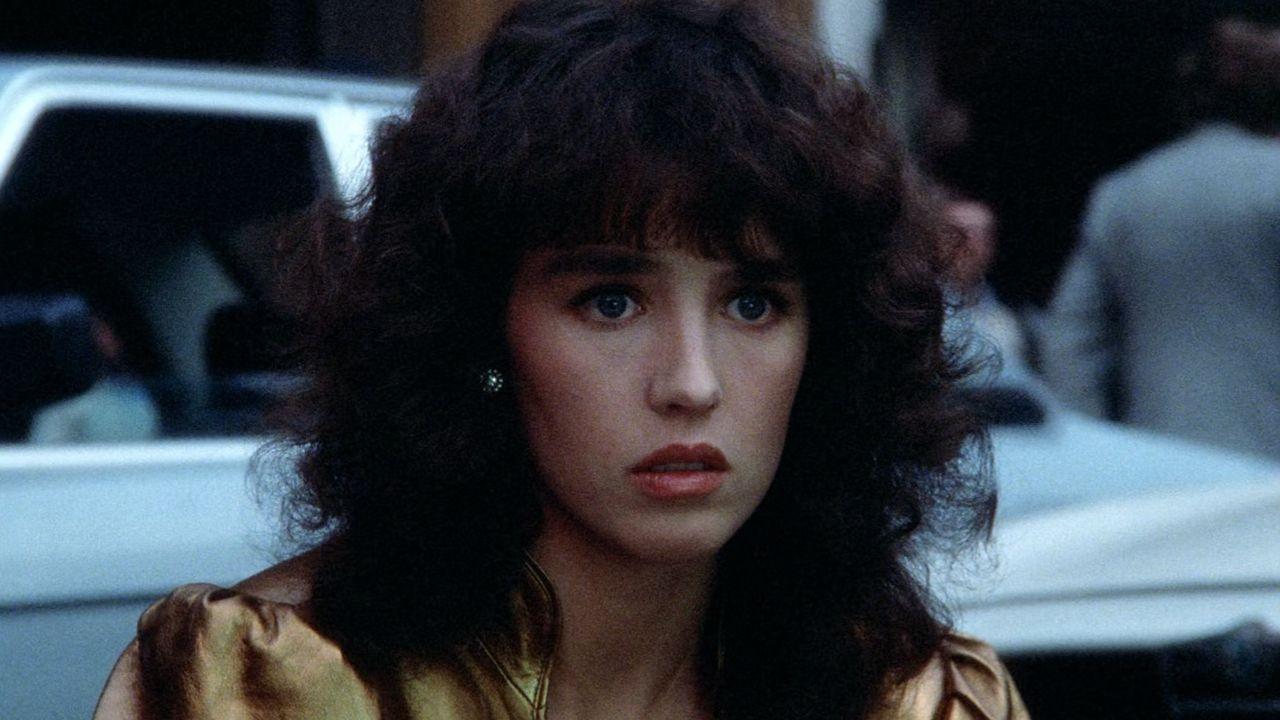
The premise is deceptively simple, yet spirals into obsessive complexity. We follow two figures locked in a strange, indirect dance. One is Catherine Leiris (or Marie, or Lucie, or whoever she needs to be), played with unnerving fluidity by Isabelle Adjani. She’s a beautiful young woman traversing France, charming wealthy men only to rob and murder them, driven by motives that remain tantalizingly obscure. The other is Beauvoir (Michel Serrault), a private detective nicknamed "The Eye." Hired initially to track Catherine for a worried parent, he soon finds himself captivated, becoming her shadow, her unseen protector, driven by a haunting personal connection: Catherine reminds him uncannily of his own deceased daughter.
This isn't your typical cat-and-mouse chase. For much of the film, hunter and hunted barely interact directly. Instead, Miller, working from a script adapted by the legendary Michel Audiard and his son, future acclaimed director Jacques Audiard (known later for A Prophet), builds tension through proximity and psychology. Serrault’s character isn't trying to stop her, necessarily; he's drawn into her orbit, cleaning up her messes, passively observing her destructive path, projecting his own grief onto her enigmatic form. It’s a profoundly melancholic setup, far removed from the high-octane thrillers dominating American screens at the time.
### A Symphony of Surfaces
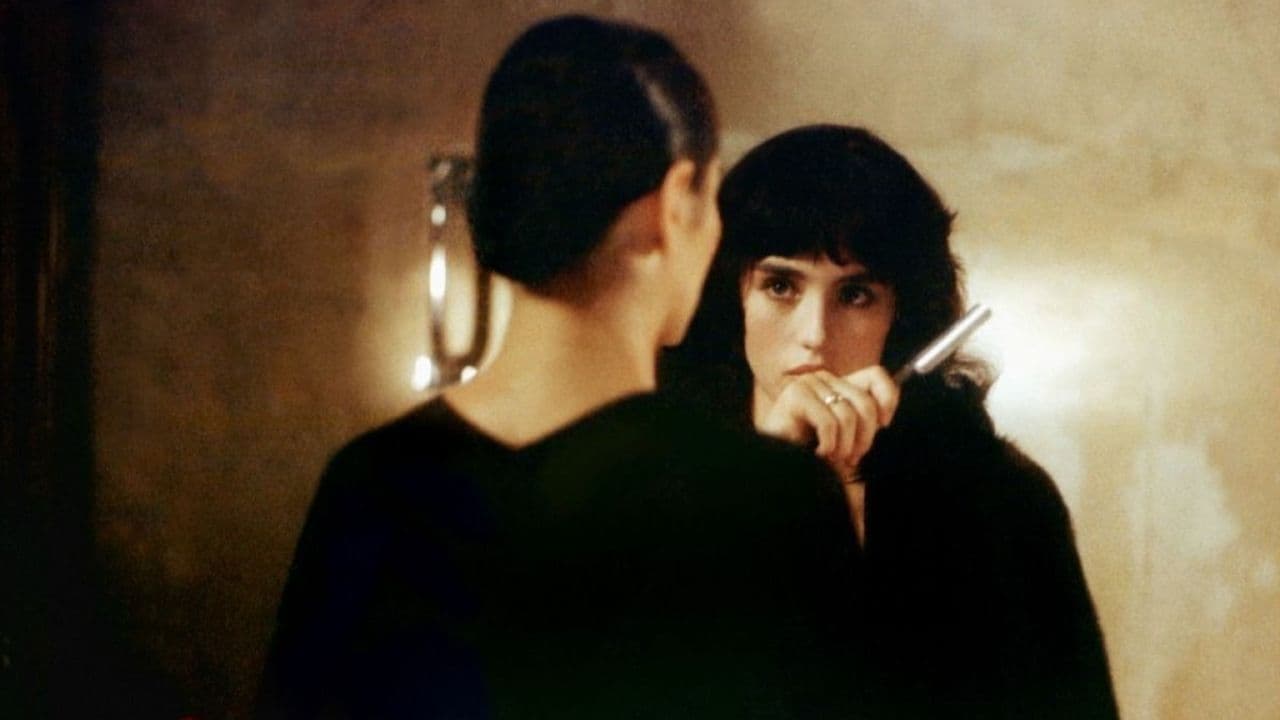
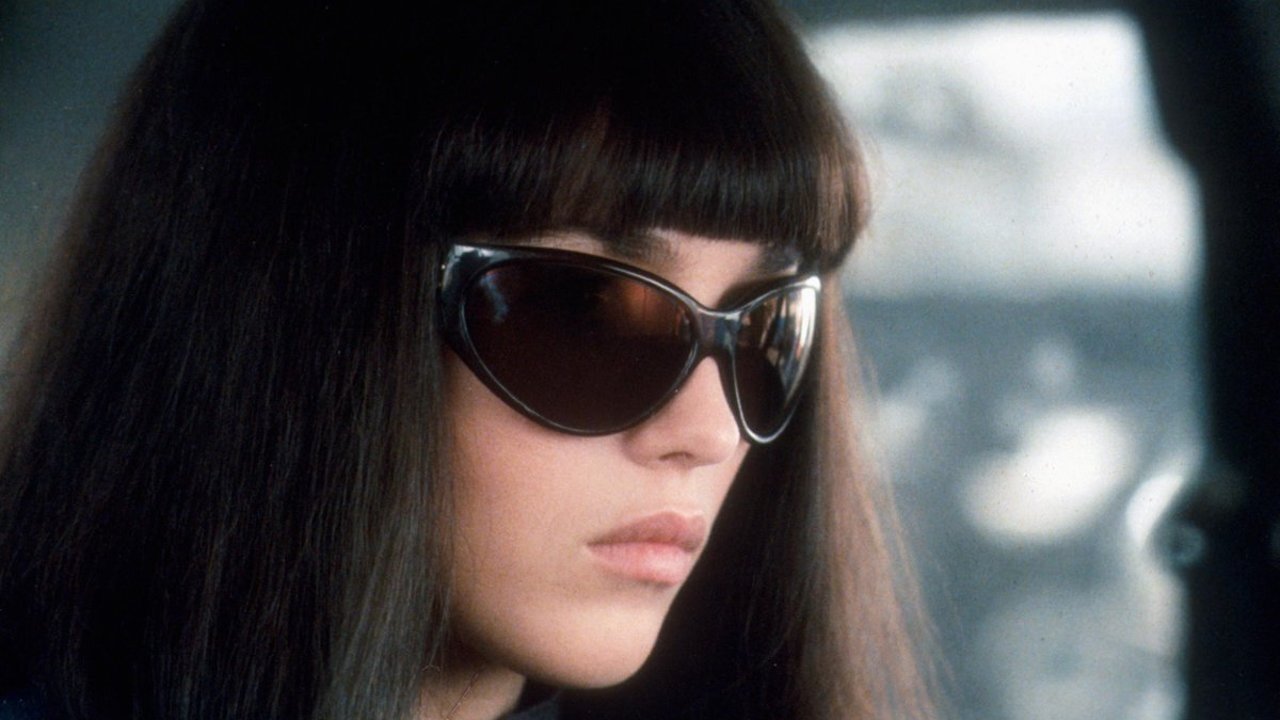
Isabelle Adjani is hypnotic. Reportedly, she embraced the challenge of portraying the character's constant metamorphoses, working closely with wardrobe and makeup to craft distinct personas. Each disguise – the blonde wig, the demure brunette, the sophisticated socialite – feels like a desperate attempt to construct an identity, yet none truly stick. Beneath the surface changes, there's a consistent, chilling vacancy. Adjani conveys Catherine's lethal nature not through snarling villainy, but through sudden shifts in mood, a flicker of coldness in her eyes, a disturbing nonchalance after moments of violence. Doesn't that chameleon-like quality still feel uniquely unsettling? It's a performance that relies on subtle shifts rather than grand pronouncements, making the character all the more terrifying.
Opposite her, Michel Serrault, perhaps best known internationally for the comedy La Cage aux Folles, delivers a performance steeped in weary sorrow. His "Eye" is less a hardboiled detective and more a ghost himself, haunting the periphery of Catherine's life. His face, often filmed in shadow or reflected in glass, carries the weight of his obsession and loss. It’s a masterful portrayal of contained grief and voyeuristic fixation. The film rests heavily on these two central performances, and they are magnetic.
### European Noir, VHS Gloom
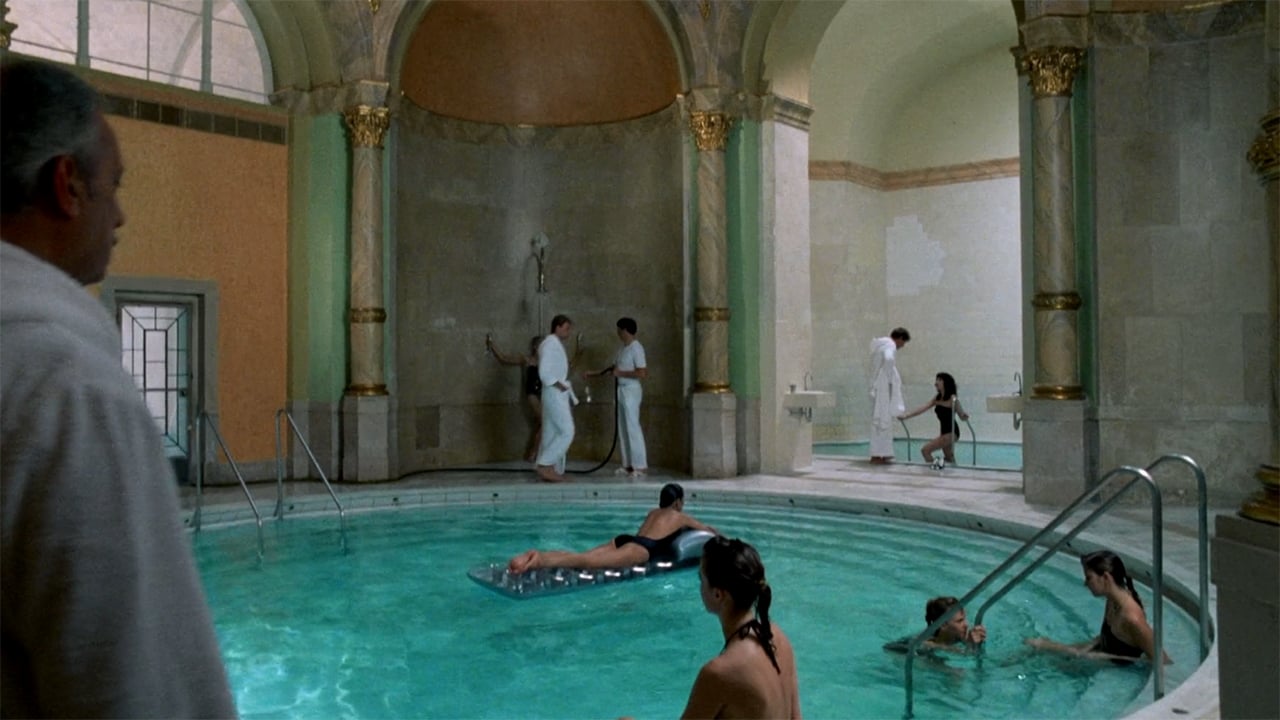
What truly elevates Deadly Circuit is its pervasive atmosphere. This isn't the slick neon noir of Michael Mann; it’s a damp, overcast European dread. Miller uses locations – anonymous hotels, rain-slicked highways, provincial towns – to underscore the characters' rootlessness and isolation. The cinematography often keeps us at a distance, mirroring Beauvoir's own observational stance. It lacks the propulsive energy of many thrillers, opting instead for a deliberate, almost dreamlike pace that enhances the psychological unease.
The film adapts Marc Behm's 1980 novel "Eye of the Beholder," and it’s fascinating to see how faithfully it captures the book’s bleak, obsessive tone. This stands in stark contrast to the much slicker, but ultimately hollow, 1999 English-language remake, also titled Eye of the Beholder, starring Ewan McGregor and Ashley Judd. Seeing the remake only reinforces the quiet power and unsettling depth of Miller's original vision. The 1983 version feels grounded, its darkness emanating from character and psychology rather than stylistic flourishes alone. It felt real in a way that stuck with you, the kind of film you’d find tucked away in the "Foreign" section of the video store, promising something different, something darker.
### Legacy of Unease
Deadly Circuit wasn't a massive international hit, but it remains a potent example of French neo-noir and a standout in both Claude Miller's and Isabelle Adjani's filmographies. It doesn't offer easy answers or cathartic resolutions. The violence is abrupt and unglamorous, the central mystery of Catherine's psyche remains largely unsolved, and Beauvoir's obsession leads him down a path of complicity rather than justice. It’s a film that sits with you, its melancholic mood and the disturbing questions it raises about identity, voyeurism, and loss lingering like the damp chill of a rainy European night.
For fans of atmospheric thrillers that prioritize character and mood over plot mechanics, this is a gem worth seeking out. It captures a specific kind of 80s cinematic gloom, filtered through a distinctly French sensibility.
Rating: 8/10
Justification: The film earns its score through powerhouse performances from Adjani and Serrault, its masterfully sustained atmosphere of dread and melancholy, and its intelligent, unsettling exploration of obsession and identity. While its deliberate pacing might test some viewers expecting a faster thriller, its psychological depth and haunting visuals make it a standout cult classic.
Final Thought: Decades later, Deadly Circuit remains a chilling reminder that sometimes the most terrifying monsters are the ones we can't look away from, even as they change shape right before our eyes.