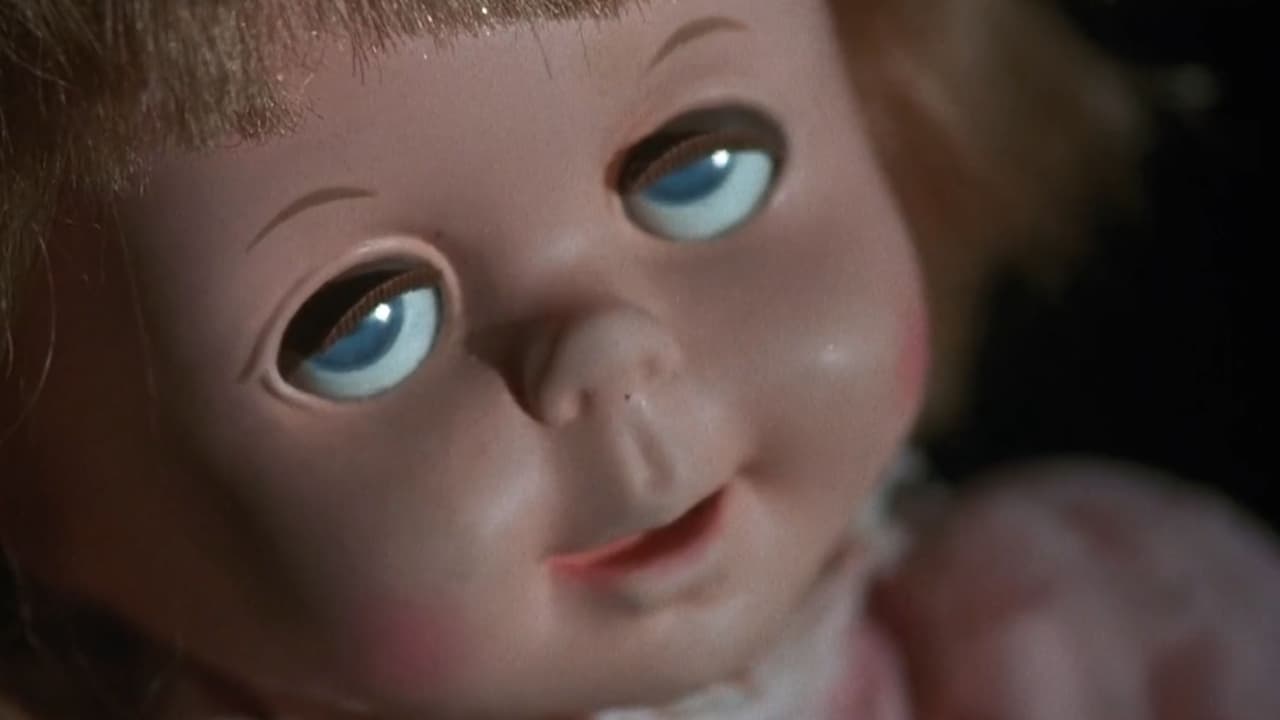
The glint of steel against porcelain skin. That’s the image that often comes to mind first with Scissors, Frank De Felitta’s 1991 psychological head-trip. Not necessarily the weapon itself, but the eerie, unnerving presence of the antique dolls that populate the world – and perhaps the fracturing mind – of Angela Anderson, played by a pre-superstardom Sharon Stone. This isn't a slasher film, despite the title; it's a slow-burn descent into paranoia, claustrophobia, and the terrifying possibility that your own sanctuary has become your prison. Renting this back in the day often meant anticipating a straightforward thriller, but Scissors offered something far more unsettling, burrowing under the skin in a way that lingered long after the VCR clicked off.
### Trapped in a Terrifying Tableau
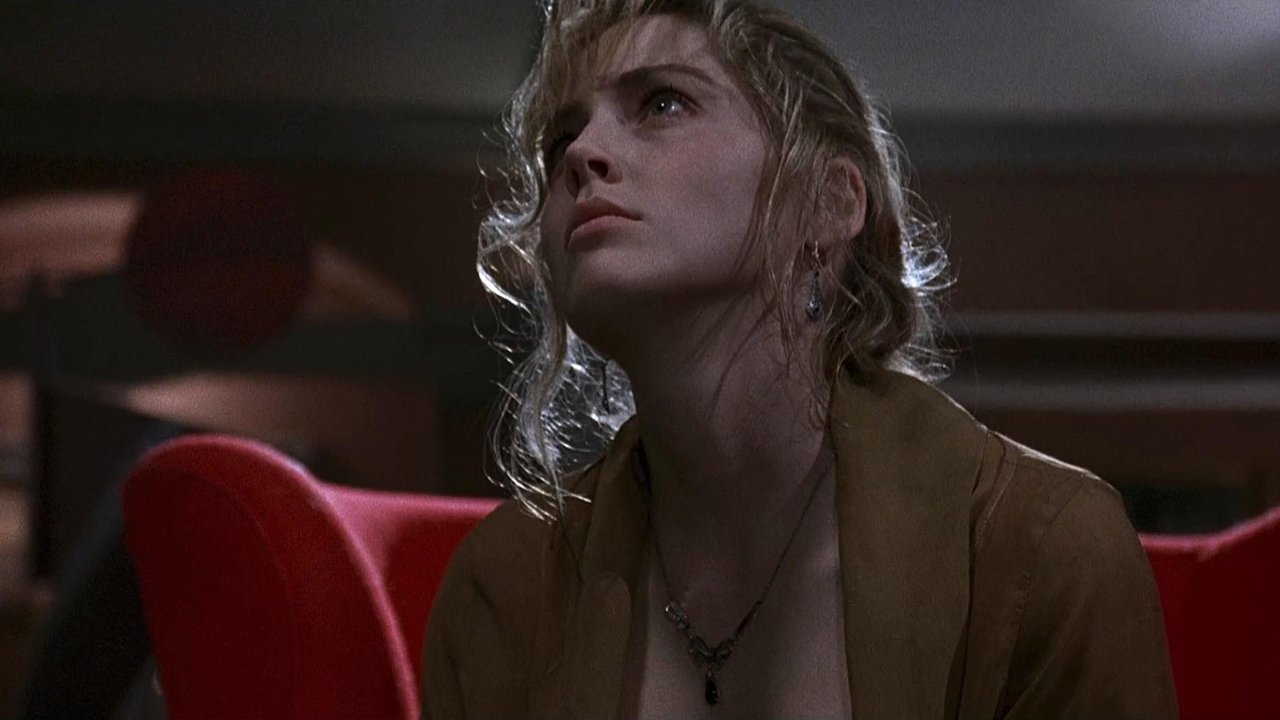
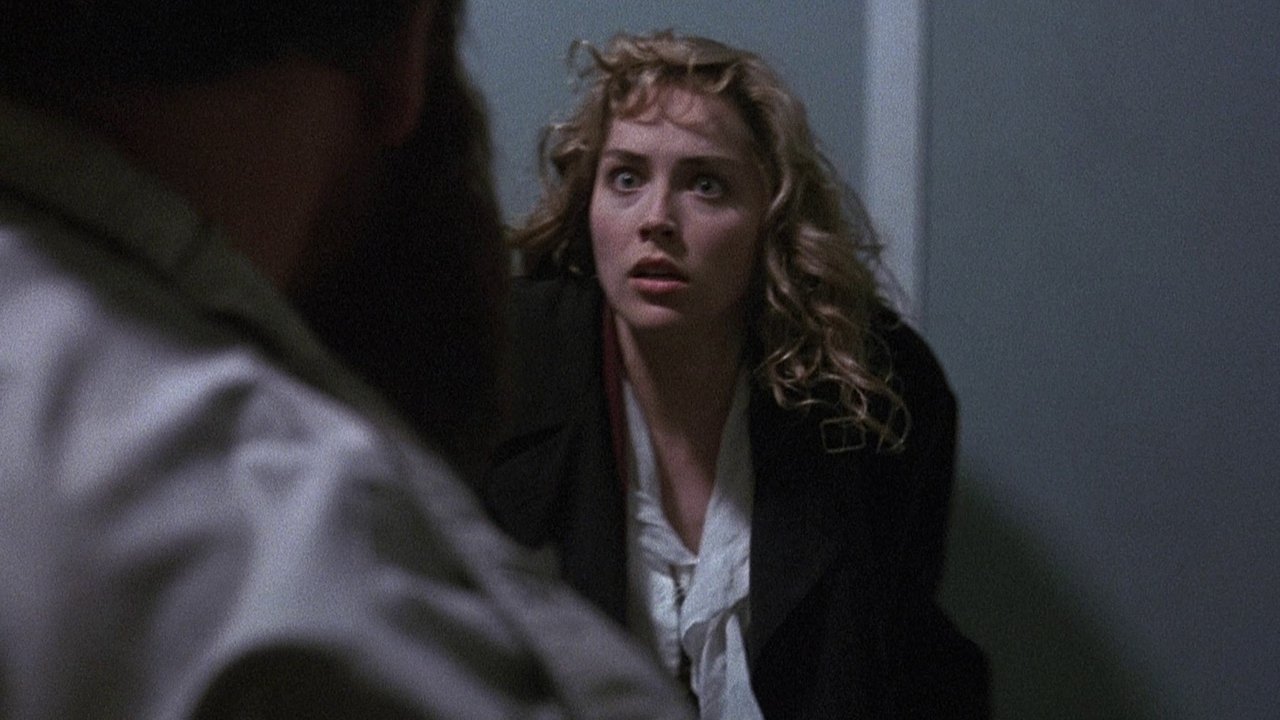
The premise hinges on Angela, a doll restorer who buys a particularly creepy specimen, leading to a cascade of disturbing events. After being attacked in her apartment building's elevator – a genuinely tense and uncomfortable sequence – her trauma and anxieties escalate. She finds herself increasingly isolated, plagued by visions and unsure of whom to trust, particularly the men circling her orbit: her concerned psychiatrist Dr. Steven Carter (Ronny Cox, master of the ambiguous authority figure after roles in Deliverance (1972) and RoboCop (1987)) and her intense twin neighbors, Alex and Cole Morgan (Steve Railsback, bringing his trademark unnerving energy seen in The Stunt Man (1980) and Lifeforce (1985)). The narrative masterstroke, however, comes when Angela finds herself inexplicably locked inside a vast, unfamiliar, yet eerily perfect apartment, with a dead body and the titular shears seemingly implicating her.
Frank De Felitta, known more for writing supernatural chillers like Audrey Rose (1977) and the truly disturbing The Entity (1982 – which he also adapted from his novel), directs with a focus on confinement and psychological unraveling. The film reportedly faced production hurdles and sat on the shelf for a couple of years after being filmed around 1989, finally seeing a limited release in 1991. Perhaps this delay contributed to its slightly disjointed feel at times, but it also lends it a strange, almost dreamlike (or nightmarish) quality, detached from the slicker thrillers emerging at the decade's turn.
### The Apartment as Antagonist
What truly elevates Scissors beyond a standard potboiler is its production design, specifically the mysterious apartment where Angela becomes trapped. It’s less a living space and more a meticulously crafted psychological maze. Stark white walls, modernist furniture arranged with cold precision, strategically placed mirrors, and, of course, those ever-present, glassy-eyed dolls. The space feels artificial, theatrical, amplifying Angela's disorientation and the audience's sense of unease. It’s a brilliant visual metaphor for her mental state – orderly on the surface, but deeply wrong underneath. You can almost feel the sterile air, the oppressive silence broken only by Angela's ragged breaths or the click of a lock. This wasn't just a set; it was a carefully constructed instrument of psychological torture, and it remains the film's most potent element. Does that sterile, labyrinthine design still get under your skin?
Sharon Stone, in a role that demanded vulnerability and escalating terror just before Basic Instinct (1992) catapulted her into a different stratosphere, carries the film admirably. She makes Angela’s fear palpable, her confusion relatable even as the plot twists strain credulity. Watching it now, you can see the sparks of the star power she was about to unleash, but here it’s channeled into raw fragility. Railsback, tasked with playing twins (a classic thriller trope handled here with simple but effective split-screen and body double work), provides the necessary ambiguity and potential threat. Is one brother protective and the other sinister, or is something more complex at play?
### Retro Fun Facts & Twisted Logic
- Delayed Release: Shot closer to '89, Scissors' eventual 1991 release meant it landed just as Stone's star was about to explode, making it an interesting time capsule of her pre-blockbuster work.
- De Felitta's Forte: While directing wasn't his primary focus, De Felitta's roots in psychological and supernatural horror are evident in the film's mood and themes of trauma manifesting in terrifying ways.
- The Doll Connection: Angela's profession as a doll restorer isn't just window dressing; the dolls act as silent witnesses and unsettling symbols throughout the film, tapping into pediophobia (fear of dolls). Were those dolls custom-made for the film? Their specific creepiness feels intentional.
- Critical Muddle: Reviews at the time were often lukewarm, criticizing the plot's occasional leaps in logic. However, many acknowledged the atmospheric tension and Stone's performance. Its modest budget (reportedly around $5 million) yielded minimal box office returns, solidifying its cult status rather than mainstream hit potential.
Spoiler Warning (Skip to Rating if avoiding twists!) The central twist – revealing the entire apartment is an elaborate stage constructed by her psychiatrist and one of the twins to gaslight her into confessing a repressed childhood trauma involving, yes, scissors – is ambitious. It aims for a Sleuth-like (1972) theatricality but requires significant suspension of disbelief. The sheer scale and expense of the setup verge on the absurd. Yet, there's a chilling thematic resonance: the idea of therapy becoming a form of manipulation, of one's deepest fears being literally architected by those meant to help. Did that twist genuinely shock you back then, or did the seams start showing earlier?
### Final Cut
Scissors is undeniably a product of its time – a twisty psychological thriller that prioritizes mood and a central compelling performance over airtight plotting. It feels like a throwback even for the early 90s, echoing the paranoia thrillers of the 70s but filtered through a glossier, if still unsettling, lens. The logic might fray, and some narrative threads might dangle, but the core experience – being trapped with Sharon Stone in that sterile, doll-filled nightmare apartment – is effectively chilling. It’s a film that sticks in the memory, not necessarily for its narrative perfection, but for its potent atmosphere of dread and its unforgettable, oppressive setting. For fans of pre-stardom Stone or devotees of slow-burn psychological tension from the VHS era, it’s a cut above many forgotten thrillers.
Rating: 6.5/10
Justification: The score reflects the film's strong atmospheric direction, Stone's compelling lead performance, and the truly memorable production design of the trap apartment. However, it's held back by significant plot contrivances, occasionally sluggish pacing, and a twist that, while ambitious, strains credibility upon scrutiny. It’s a fascinating, flawed gem from the era.
Final Thought: More than just a weapon, the Scissors of the title represent the sharp, cutting edge of trauma and the potential for psychological manipulation to slice through reality itself – a feeling perfectly suited to those late nights illuminated only by the glow of the TV screen.