Before the cinematic universe behemoth stomped onto the scene, before CGI rendered the impossible commonplace, there existed a stranger time for superheroes on screen. Imagine settling down in front of the wood-panelled TV, maybe adjusting the rabbit ears, for a prime-time network television event: Dr. Strange. Not the Cumberbatch spectacle, mind you, but the earnest, slightly psychedelic, and undeniably weird 1978 made-for-TV movie pilot that tried – bless its heart – to bring Marvel’s Sorcerer Supreme to the masses. Catching this artifact on a worn VHS tape years later, perhaps rented from a dusty corner shelf, felt like uncovering a secret history, a forgotten incantation from a different dimension of superhero storytelling.

A Different Kind of Magic
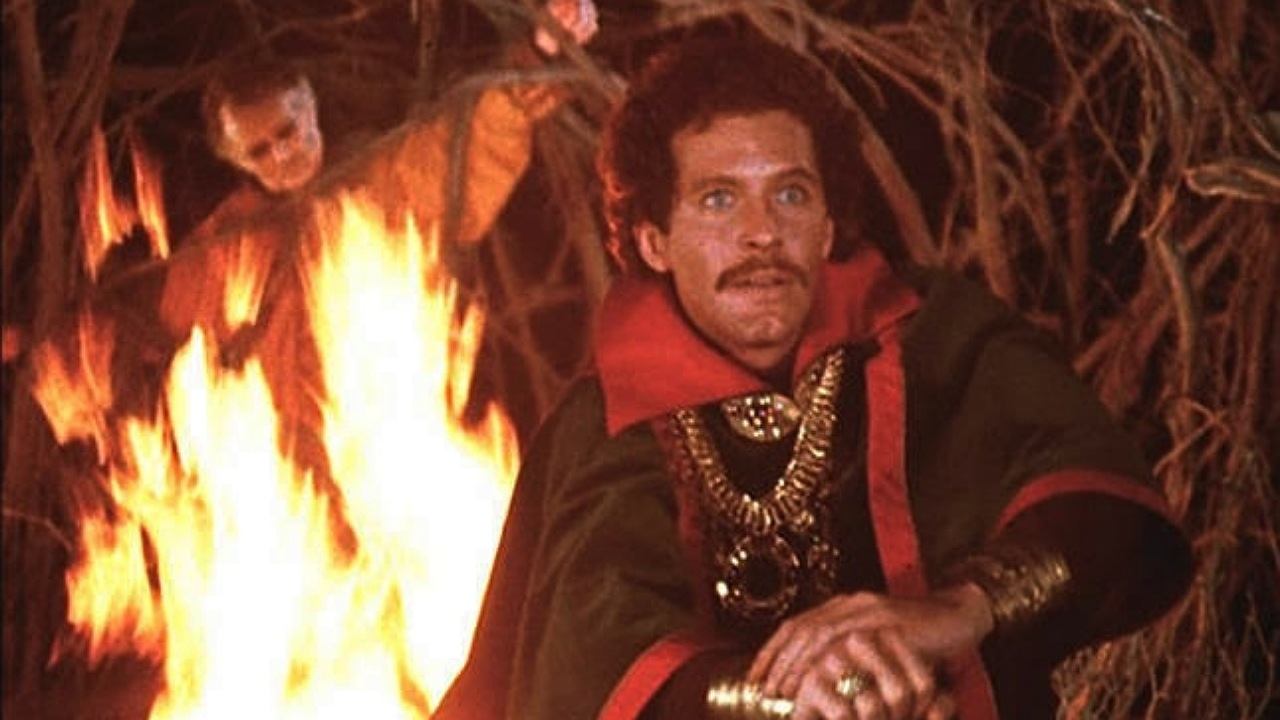
Directed and written by Philip DeGuere (who would later gift us the delightfully cheesy glow-suit antics of Automan), this Dr. Strange wasn't aiming for the cosmic Kirby-esque grandeur of the comics, but rather something more grounded, perhaps hoping to emulate the success of CBS's other Marvel hit, The Incredible Hulk. This approach gives the film a unique, almost dreamlike quality, but also one of its most divisive aspects: its pace. Forget frantic action; this is a slow burn origin story, introducing Dr. Stephen Strange, played with a sort of earnest bewilderment by Peter Hooten, not as a brilliant neurosurgeon, but as a hospital psychiatrist haunted by the past.
The plot sees Strange drawn into a mystical conflict when a young woman, Clea Lake (Eddie Benton, later known as Anne-Marie Martin), becomes a pawn in a celestial game orchestrated by the ancient sorceress Morgan le Fay. It's up to the designated Sorcerer Supreme, Thomas Lindmer (played by the venerable Sir John Mills, though his role feels somewhat brief), and his faithful disciple Wong (Clyde Kusatsu, offering a capable, if different, take on the character) to guide Strange towards accepting his destiny.
Whispers from the Astral Plane (and the Network)
This production carries the distinct fingerprints of late 70s television. The visuals attempting to portray mystical realms and astral projection are a fascinating blend of optical effects, swirling colours, and superimposed imagery. Viewed today, they possess a charming, almost hypnotic quality, though you can practically hear the whirring of the optical printers. Stan Lee himself served as a consultant, trying to shepherd his mystical creation onto the small screen. The hope was clearly for a series pickup, following the “human drama first, powers second” formula that worked for Bill Bixby’s Hulk. Unfortunately, Dr. Strange aired opposite the ratings juggernaut Roots, severely impacting its viewership and ultimately sealing its fate as a one-off pilot. Network executives, perhaps baffled by the esoterica, decided not to proceed. A fascinating "what if?" for superhero TV history.
While Hooten embodies a certain vulnerability as Strange, often looking genuinely perplexed by the magical happenings (which, let's be honest, feels relatable), the film truly belongs to Jessica Walter as Morgan le Fay. Fresh off Play Misty for Me (1971) and years before her iconic turn in Arrested Development, Walter absolutely devours the scenery. Her portrayal of the ancient evil is delivered with relish, a captivating mix of seductive charm and icy menace. She elevates every scene she's in, providing a necessary spark against the more deliberate pacing elsewhere. Watching her command the screen, it's hard not to wish the planned series had happened, if only to see more of her deliciously wicked performance.

Relic or Hidden Gem?
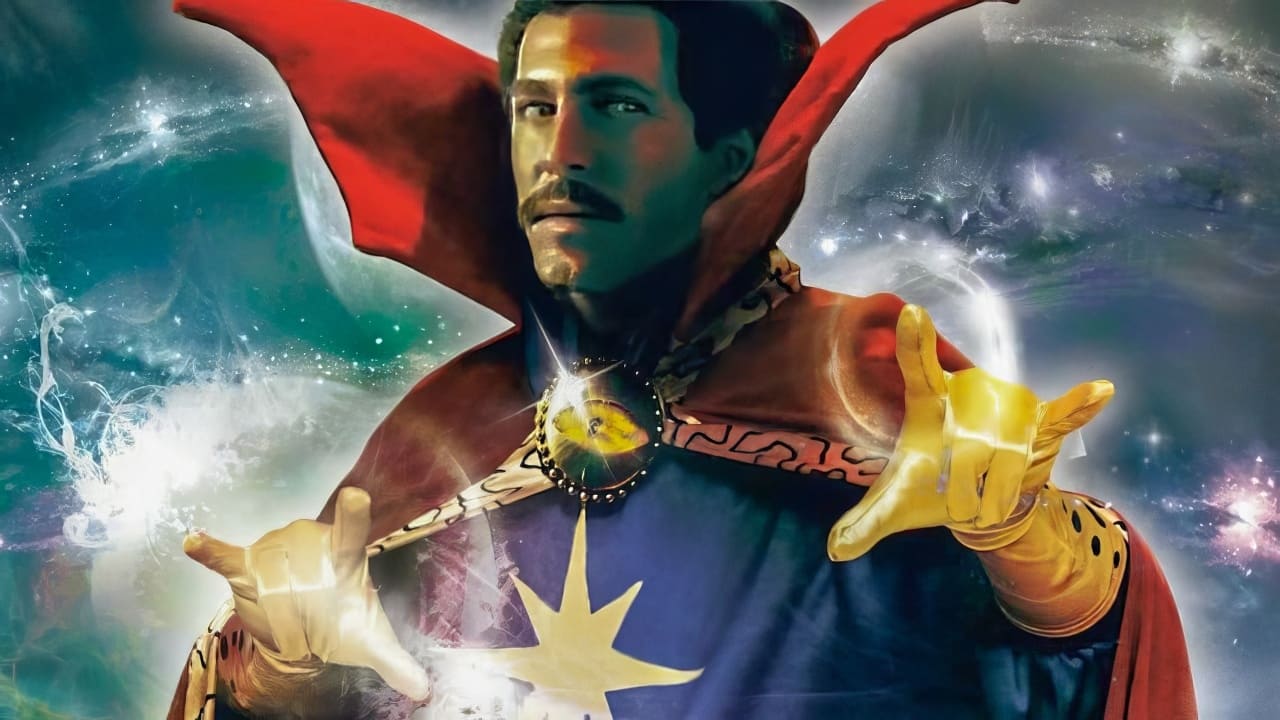
So, how does this Dr. Strange hold up after all these years? It's undeniably dated, yes. The pacing can feel glacial compared to modern superhero fare, and the dialogue occasionally dips into earnest melodrama characteristic of the era. The attempt to make Strange a more "relatable" psychiatrist might rankle comic purists used to the arrogant surgeon origin. Filmed primarily on the Universal Studios backlot, it lacks the globetrotting scope one might expect, focusing instead on intimate, atmospheric encounters.
Yet, there's an undeniable charm here for the retro enthusiast. It’s a fascinating time capsule, an ambitious attempt to tackle complex source material on a television budget. The practical effects, while quaint, have a tangible quality often missing today. There’s a seriousness, a lack of irony, that feels refreshing in its own way. It’s a mood piece as much as a superhero story, trying to conjure a sense of wonder and otherworldly dread. It's the kind of peculiar find that made browsing the video store such an adventure – you never knew what strange magic you might uncover.
VHS Heaven Rating: 6/10
The Verdict: This rating reflects a film caught between worlds. Jessica Walter's stellar performance and the sheer nostalgic oddity of seeing this character tackled so differently earn it points. The earnest attempt at capturing mystical themes on a 70s TV budget is admirable, and the film possesses a unique, dreamy atmosphere. However, the slow pacing, a somewhat passive lead (Peter Hooten), and dated effects keep it from true greatness. It’s not a lost masterpiece, but for fans of retro curiosities, obscure superhero history, or just lovers of wonderfully committed villain performances, this Dr. Strange offers a genuinely intriguing glimpse into a road not taken.
It might not be the Sorcerer Supreme we recognize today, but pulling this tape off the shelf felt like finding a rare, slightly dusty spellbook – maybe not the most powerful, but definitely full of strange, forgotten magic.