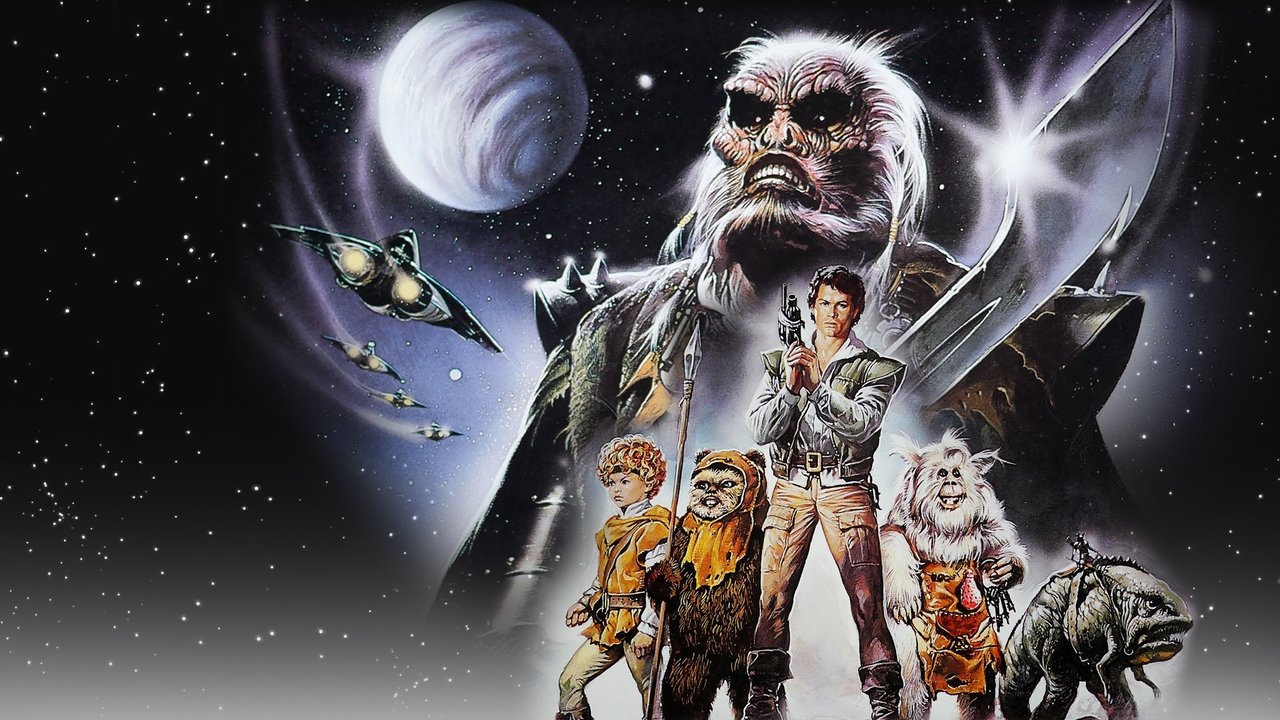
Okay, slide that tape into the VCR, maybe wiggle it a bit until the tracking settles down. Because we're heading back to the forest moon of Endor, but folks, this isn't quite the celebratory campfire vibe we left with Luke and Leia. No, Ewoks: The Battle for Endor (1985) hits differently. If its predecessor, Caravan of Courage, felt like a gentle fairy tale tacked onto the Star Wars universe, this sequel felt like someone spiked the Ewok Kool-Aid with something a bit more… grim. I vividly remember the jolt of seeing this one after the first; it felt unexpectedly perilous, like the training wheels had suddenly come off the galactic tricycle.
A Darker Shade of Forest Green
Right out of the gate, The Battle for Endor establishes a starkly different tone. Directed by the sibling duo Jim Wheat and Ken Wheat (who also co-wrote, based on a story by George Lucas himself), the film wastes little time shattering the cozy status quo. The Towani family homestead, painstakingly rebuilt after the first film, comes under brutal attack by a band of reptilian Marauders led by the imposing Terak (Carel Struycken, later Lurch in The Addams Family) and the shape-shifting Nightsister-esque witch Charal (Siân Phillips). The opening is genuinely shocking for what was ostensibly children's programming – Cindel Towani (Aubree Miller) is orphaned in a rather harrowing sequence, leaving her only with her furry protector, Wicket (Warwick Davis, reprising his iconic role). It’s a bold move, immediately raising the stakes and casting a shadow over the adventure to come. This wasn't just about finding lost parents anymore; this was about survival.
Grumpy Hermits and Blazing Speedsters
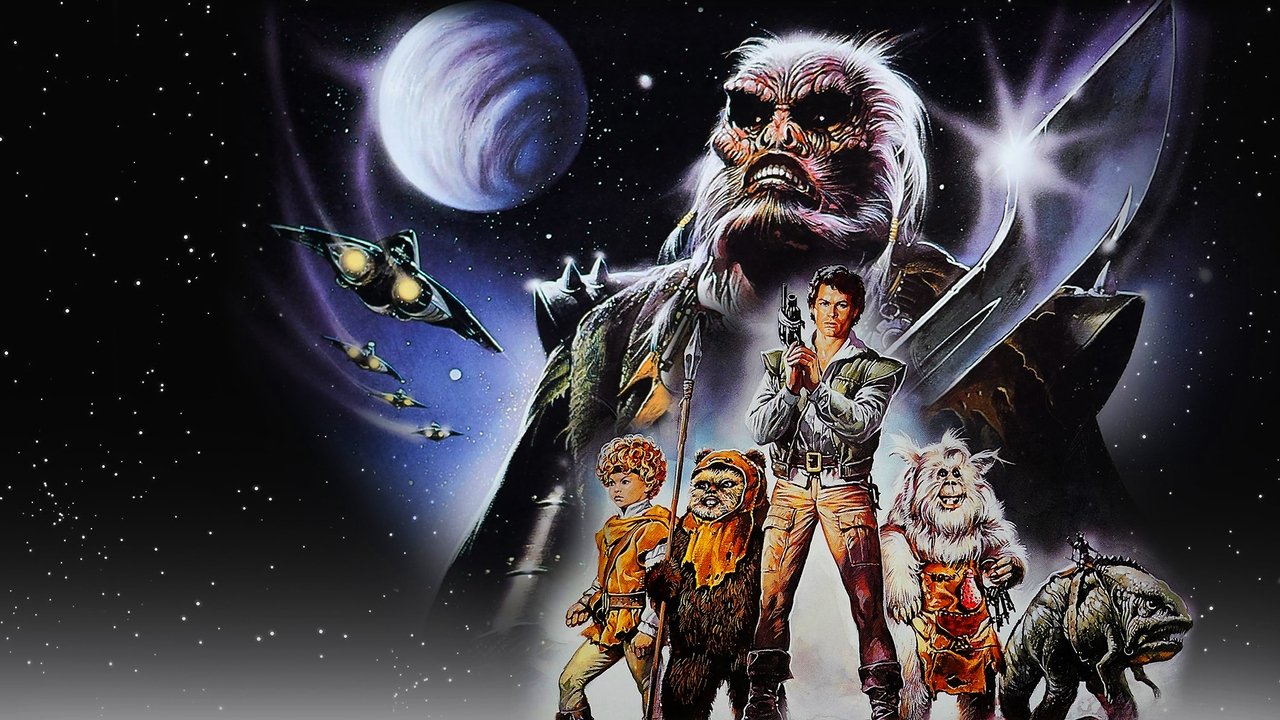
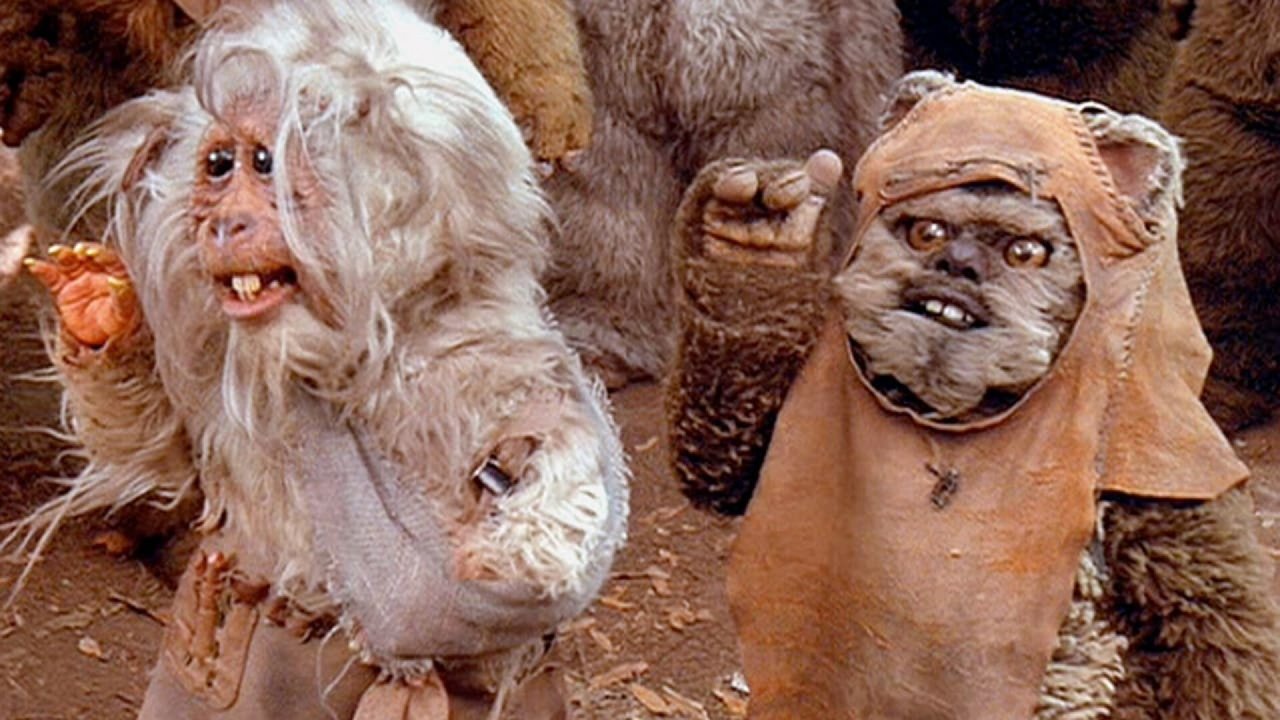
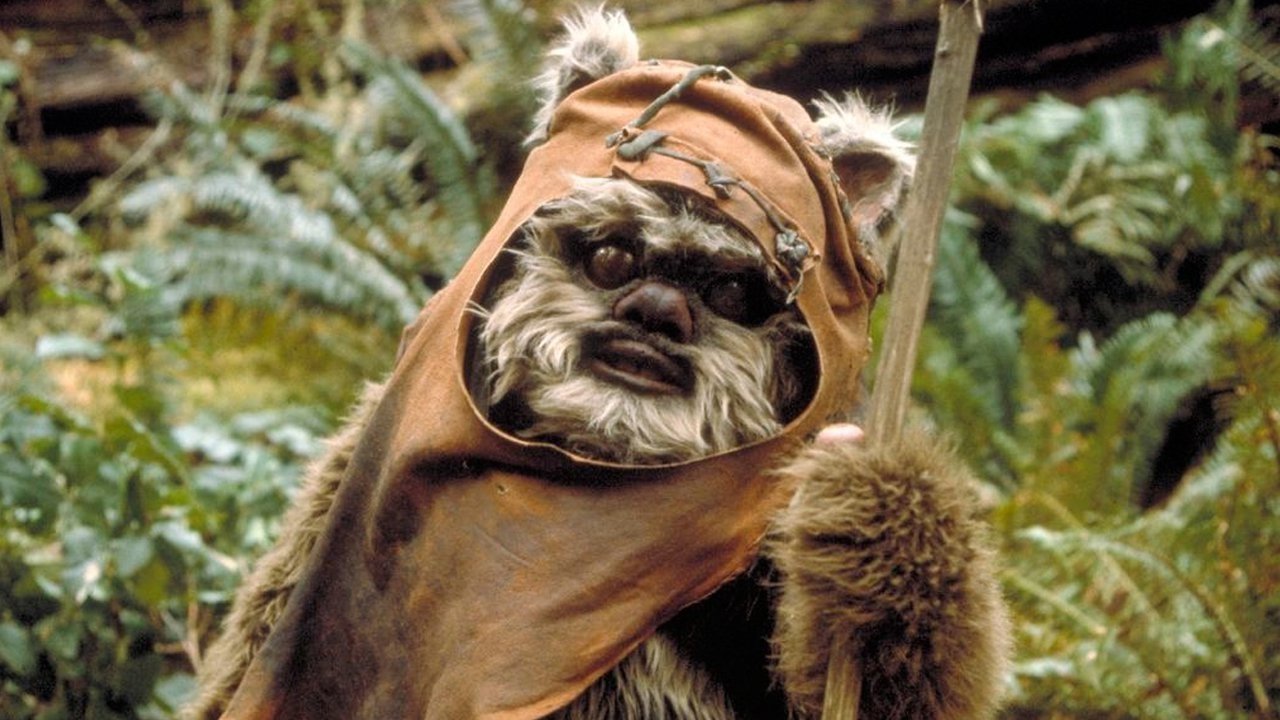
Fleeing the destruction, Cindel and Wicket stumble upon Teek, a creature whose hyper-speed antics provide some much-needed levity (and honestly, felt like a proto-Jar Jar Binks experiment in creature sidekicks, though far less grating). Teek leads them to the dilapidated home of Noa Briqualon, a grumpy, bearded human hermit played with pitch-perfect cantankerousness by the legendary Wilford Brimley. Brimley, who we knew from films like Cocoon (1985) and The Thing (1982), brings a necessary grounded weight to the proceedings. His gruff exterior slowly melting as he bonds with Cindel forms the emotional core of the film. He’s the reluctant hero, the old prospector type stranded far from home, whose dusty star cruiser holds the key to escape… if only he can fix the power cell Terak covets. Warwick Davis, already a seasoned performer after Return of the Jedi and Caravan, imbues Wicket with real personality beyond just fuzzy antics; you feel his loyalty and bravery.
Retro Fun Facts: Lucasfilm's Small Screen Gamble
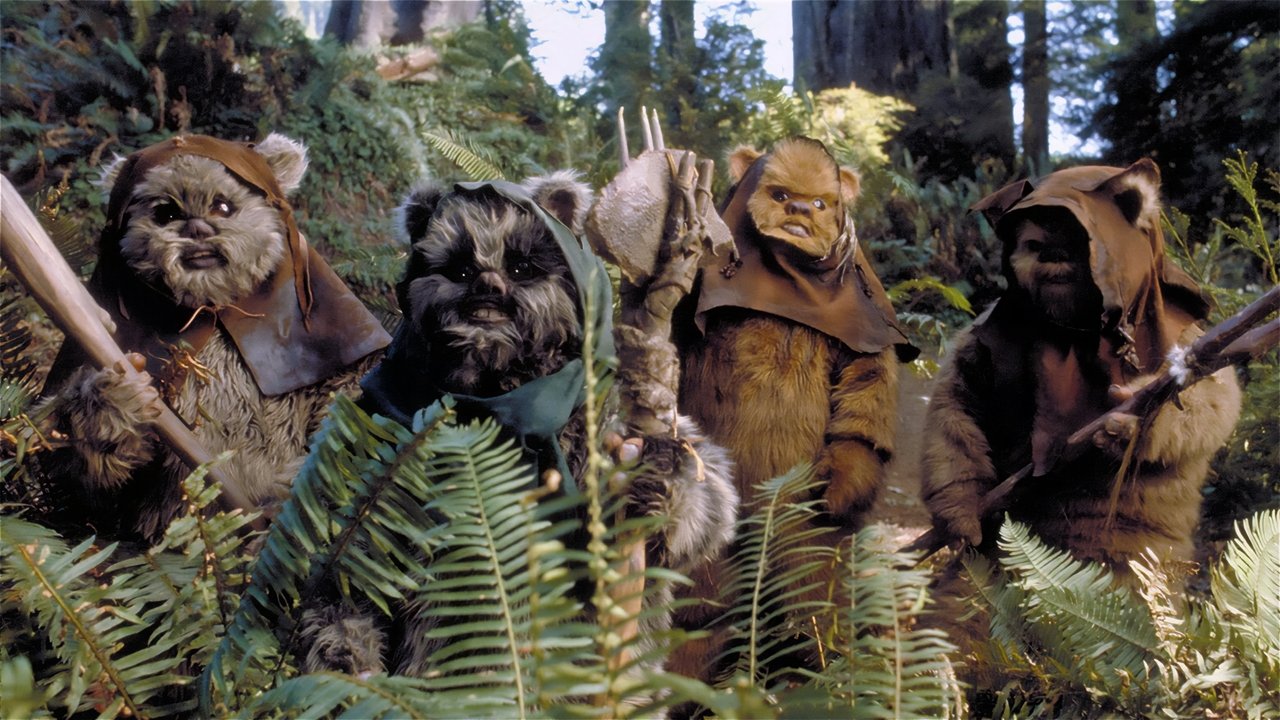
It's fascinating to remember these Ewok adventures were ABC television specials, premiering between Return of the Jedi (1983) and the long wait for the prequels. They represent George Lucas exploring the Star Wars universe beyond the Skywalker saga, albeit on a much tighter budget. Despite the TV constraints, Lucasfilm’s Industrial Light & Magic (ILM) still sprinkled their magic throughout. The Marauders' creature design is effectively menacing, Charal's transformations are creepy, and the Blurrg creature (a stop-motion delight reminiscent of Ray Harryhausen's work) adds a distinct fantasy flavour. You can see the effort poured into the practical effects, the detailed Ewok village sets (before they get tragically wrecked), and the matte paintings extending the world. In fact, the film snagged an Emmy Award for Outstanding Special Visual Effects – a testament to the quality ILM delivered even for the small screen. It’s a glimpse into a time when Star Wars side-stories felt more experimental, blending classic fantasy tropes (witches, castles, monsters) directly into the sci-fi setting.
Not Quite Smooth Sailing
Let's be honest, The Battle for Endor isn't a lost masterpiece. The pacing occasionally drags, some of the dialogue feels a bit clunky, and the blend of cute Ewoks with surprisingly dark themes (like, you know, genocide and orphanhood) can feel jarring. It occupies a strange space – too scary or sad for very young kids who just loved the Ewoks in Jedi, perhaps a bit too juvenile for older teens hungry for more epic space battles. Yet, there's an undeniable charm to its ambition. It dared to be different, darker, and a little weirder than its predecessor. Seeing Wicket actually use his slingshot effectively against armored foes, or watching Brimley reluctantly blast his way out of trouble, provides genuine moments of fist-pumping satisfaction. The Marauders felt like a legitimate threat, a far cry from the relatively bumbling Gorax of the first film.
The Verdict: A Curious Relic from a Galaxy Far, Far Away
Watching Ewoks: The Battle for Endor today is like unearthing a peculiar time capsule. It’s a fascinating example of Lucasfilm testing the waters of expanded universe storytelling on television. While flawed and certainly dated in places, its darker tone, the surprisingly affecting bond between Cindel and Noa, and the earnest practical effects give it a unique identity. It has that distinct mid-80s fantasy vibe, filtered through a Star Wars lens. It might not be required viewing for casual fans, but for those of us who devoured any scrap of Star Wars content we could find on VHS back in the day, it holds a special, slightly oddball place in our memories.
Rating: 6/10
Why this score? While it bravely ups the stakes and features a memorable performance from Wilford Brimley, the film suffers from uneven pacing and a sometimes awkward mix of tones. Its TV-movie origins are apparent, limiting its scope compared to its cinematic brethren. However, its ambition, practical effects charm, surprisingly dark edge for its target audience, and pure nostalgic value elevate it beyond mere curiosity. It's a significant step up in drama from Caravan of Courage.
So, rewind that tape and put it back in its slightly worn cardboard sleeve. The Battle for Endor remains a quirky, sometimes surprisingly dark, but ultimately endearing detour on the forest moon – a reminder that even the side-quests in the Star Wars galaxy could offer their own strange adventures.