Alright, fellow tape travelers, let's rewind to a time when superhero team-ups weren't billion-dollar events, but rather exciting, slightly unexpected happenings beamed directly into our living rooms, often sandwiched between commercials. I'm talking about digging through the "Action/Adventure" aisle at the video store and pulling out a clamshell case featuring that familiar green giant alongside... wait, is that Daredevil? Yes, pop that tape in the VCR, adjust the tracking, and settle in for 1989's The Trial of the Incredible Hulk.
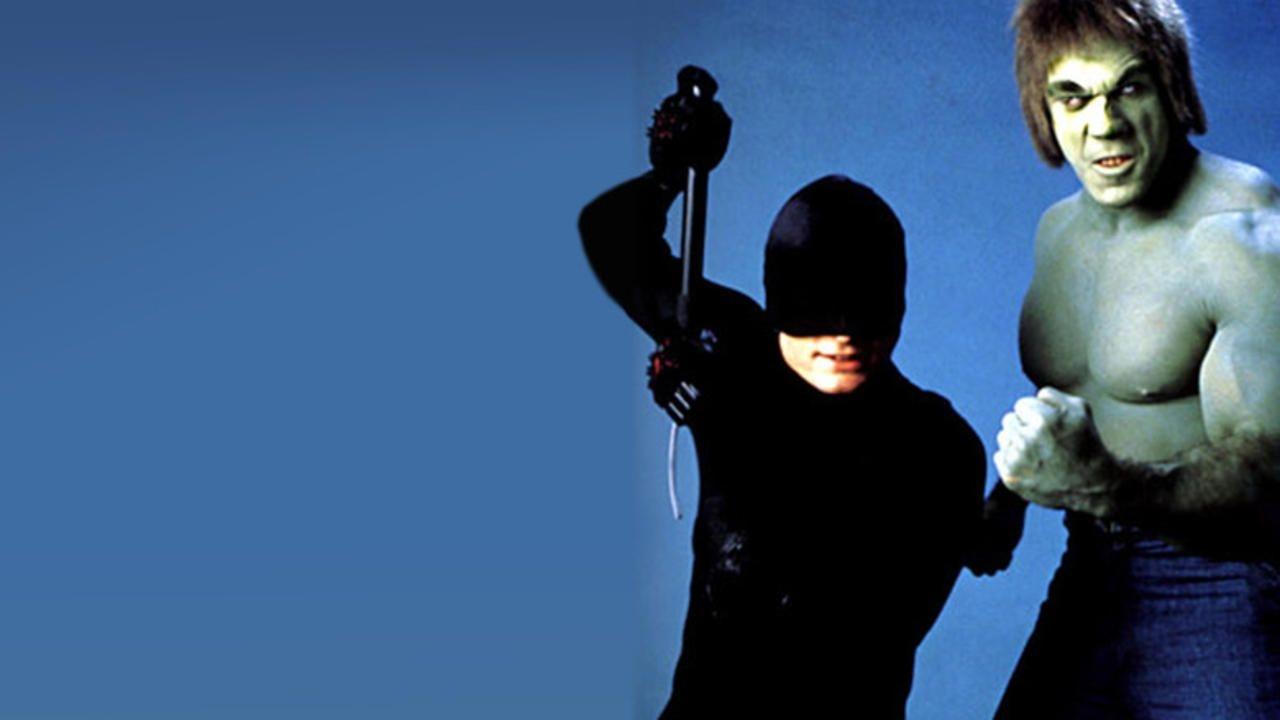
This wasn't just another outing for Dr. David Banner (Bill Bixby, forever etched in our minds) and his colossal, green alter-ego (Lou Ferrigno, the definitive physical presence); it was an attempt to do something more. Following the relative success of The Incredible Hulk Returns (which brought us a delightfully cheesy Thor), this second TV movie reunion aimed for a grittier, more grounded tone, stepping away from mythic gods and into the shadowy world of street-level crime fighting.
### Banner on Trial, Daredevil on the Case
The setup is classic Banner: trying to live low-key, he inevitably finds himself in the wrong place at the wrong time, witnessing a crime on the subway connected to the powerful crime boss Wilson Fisk (a pre-Gimli John Rhys-Davies, chewing scenery with understated menace). Naturally, things go green, and Banner finds himself arrested. His only hope? A blind lawyer named Matt Murdock (Rex Smith), who moonlights as the acrobatic vigilante Daredevil.
It’s fascinating to see Bixby, who also directed this installment, lean into a darker atmosphere. The film tries hard to evoke a sense of urban decay and paranoia, a far cry from some of the brighter, more episodic adventures of the original series. Bill Bixby brings his usual soulful weariness to Banner, a man perpetually burdened by his curse. You feel his desperation, his constant fear of the "thing" inside him. It’s a performance that anchors the entire affair, reminding us why we cared so much about Banner’s plight in the first place.
And then there’s Daredevil. Okay, let's talk about that suit. Decked out in a sleek, all-black tactical outfit rather than his classic red devil costume, this was a pragmatic choice for a TV budget, perhaps, but also an attempt at a more realistic portrayal. Rex Smith plays Murdock/Daredevil with earnest intensity. His fight scenes, while lacking the hyper-kinetic editing of today, have a certain grounded, practical feel. Remember how exciting it was just to see another Marvel hero brought to life back then, even in this relatively low-key fashion? This film actually served as a backdoor pilot for a Daredevil series starring Smith, an intriguing "what if" that sadly never materialized after this movie didn't quite hit the expected ratings heights.
### Hulking Out, 80s Style
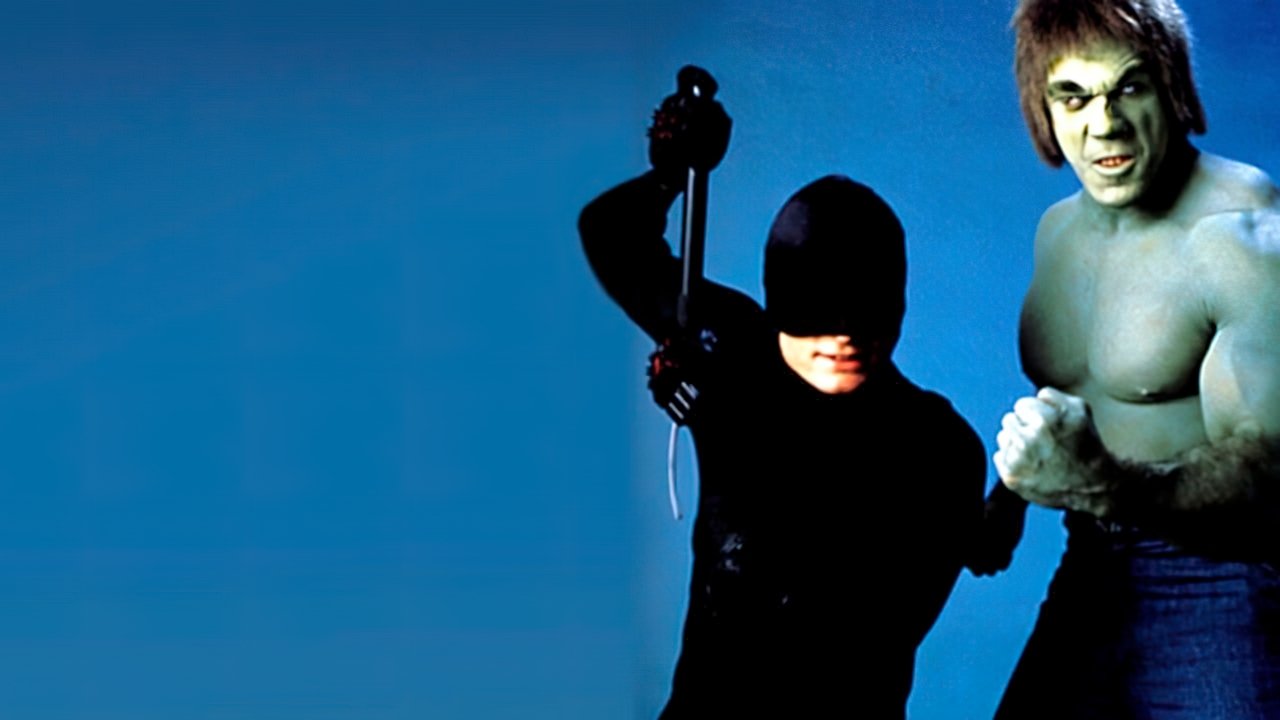
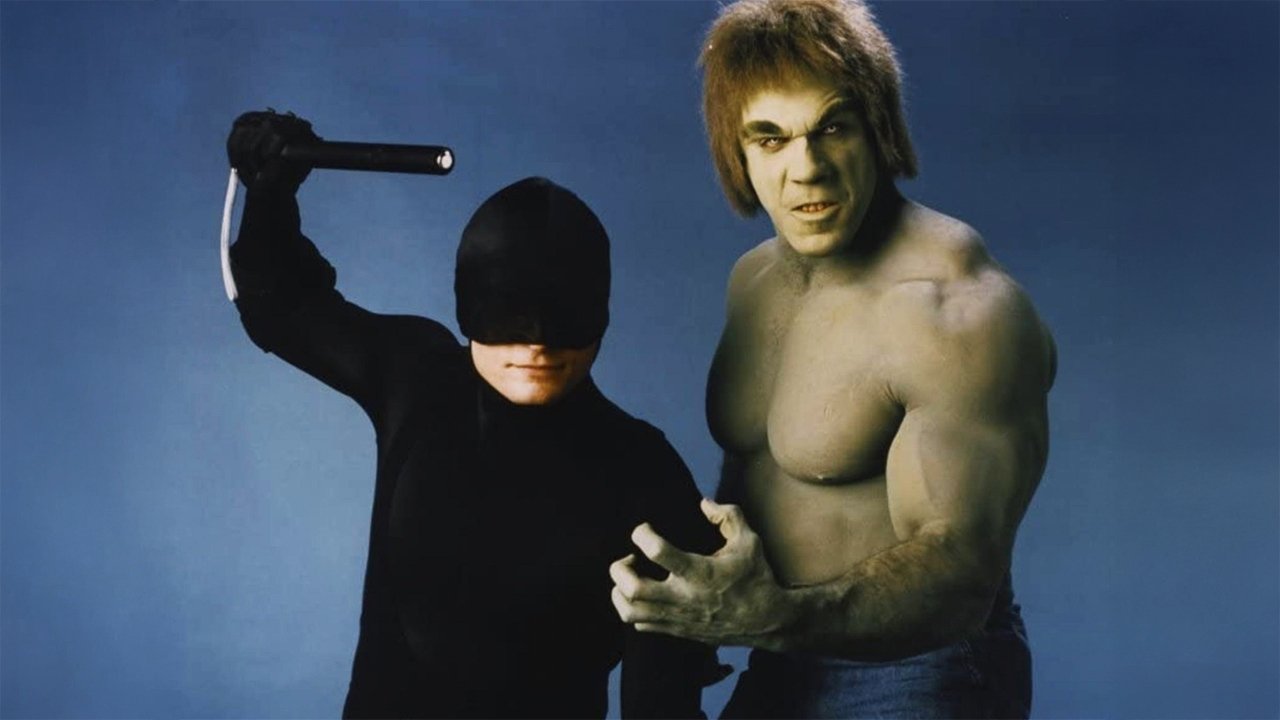
Of course, the main event is still the Hulk. Lou Ferrigno is the Hulk in a way no CGI creation can ever fully replicate. There's a tangible weight, a raw physicality to his presence. When he bursts through walls or throws thugs around, it feels real because, well, a lot of it was. Those practical effects – breakaway props, stunt performers taking actual falls – have a specific kind of visceral impact that’s often missing in today’s smoother, more polished digital spectacles. The transformation sequences, using dissolves and clever editing, still hold a certain nostalgic charm, even if they seem quaint compared to modern morphing technology. This wasn’t about seamlessness; it was about the raw power of the moment, captured on film. And trivia alert for the sharp-eyed: keep an eye on the jury during Banner's trial – that's Stan Lee himself in his very first live-action Marvel cameo!
The film does struggle a bit with pacing, typical of TV movies from the era needing to fill a specific time slot with commercial breaks in mind. The "trial" aspect feels somewhat underdeveloped, mostly serving as a framework to bring Banner and Murdock together. And let's be honest, the final confrontation with Fisk feels a tad anticlimactic compared to the build-up. John Rhys-Davies is suitably intimidating as the Kingpin, but he operates mostly from the shadows, denying us a truly satisfying hero/villain showdown.
### More Than Just a TV Movie?
Despite its limitations, The Trial of the Incredible Hulk holds a special place for many of us who grew up with the Bixby/Ferrigno series. It was ambitious for its time, attempting a serious crossover story on a television budget. Bill Bixby's direction adds a layer of genuine care and understanding of the character he embodied for so long. It explored darker themes and tried to present its heroes in a slightly more complex light. It was fascinating to see how they adapted Daredevil's blindness and abilities using practical filming techniques and sound design – simple, but effective for the time.
Was it perfect? Far from it. The plot meanders, the budget constraints show, and the promise of a full-blown team-up doesn't quite deliver the earth-shattering spectacle modern audiences expect. But watching it again on a worn VHS tape (or, okay, maybe a streaming service emulating that vibe), there's an undeniable warmth. It represents a specific moment in superhero history – pre-MCU, pre-blockbuster dominance – when seeing these characters interact felt like a rare treat, a glimpse into a larger world crafted with practical ingenuity and heartfelt performances.
VHS Heaven Rating: 6.5/10
Justification: The score reflects genuine affection for Bill Bixby's performance and direction, Lou Ferrigno's iconic physical presence, and the ambitious (for TV) crossover attempt. The practical effects and the inclusion of Daredevil add significant nostalgic value. However, it's docked points for the TV movie pacing issues, underdeveloped plot threads (especially the trial itself), and a somewhat underwhelming climax. It’s a solid, enjoyable piece of superhero history, but falls short of being truly incredible.
Final Take: A fascinating, slightly gritty time capsule from the twilight of the Bixby-era Hulk, offering a rare pre-MCU team-up thrill. It’s a reminder that sometimes, the most memorable battles weren't fought with CGI, but with real muscle, breakaway walls, and the sheer earnestness of heroes trying to do right in a world captured on magnetic tape. Definitely worth revisiting for a dose of pure, unadulterated 80s Marvel nostalgia.