Alright, fellow travelers of the tape galaxy, let's rewind to a time when animation wasn't just for kids on Saturday mornings. Remember seeing that distinctive, slightly lurid cover on the video store shelf? That glowing green orb promising… well, promising something completely different. I'm talking about Heavy Metal (1981), a movie that felt less like a cartoon and more like a fever dream beamed directly from the id of a rock-and-roll loving teenager, permanently etched onto magnetic tape. Finding this one felt like uncovering forbidden knowledge, a far cry from anything Disney would ever touch.
Not Your Average Ink and Paint Job
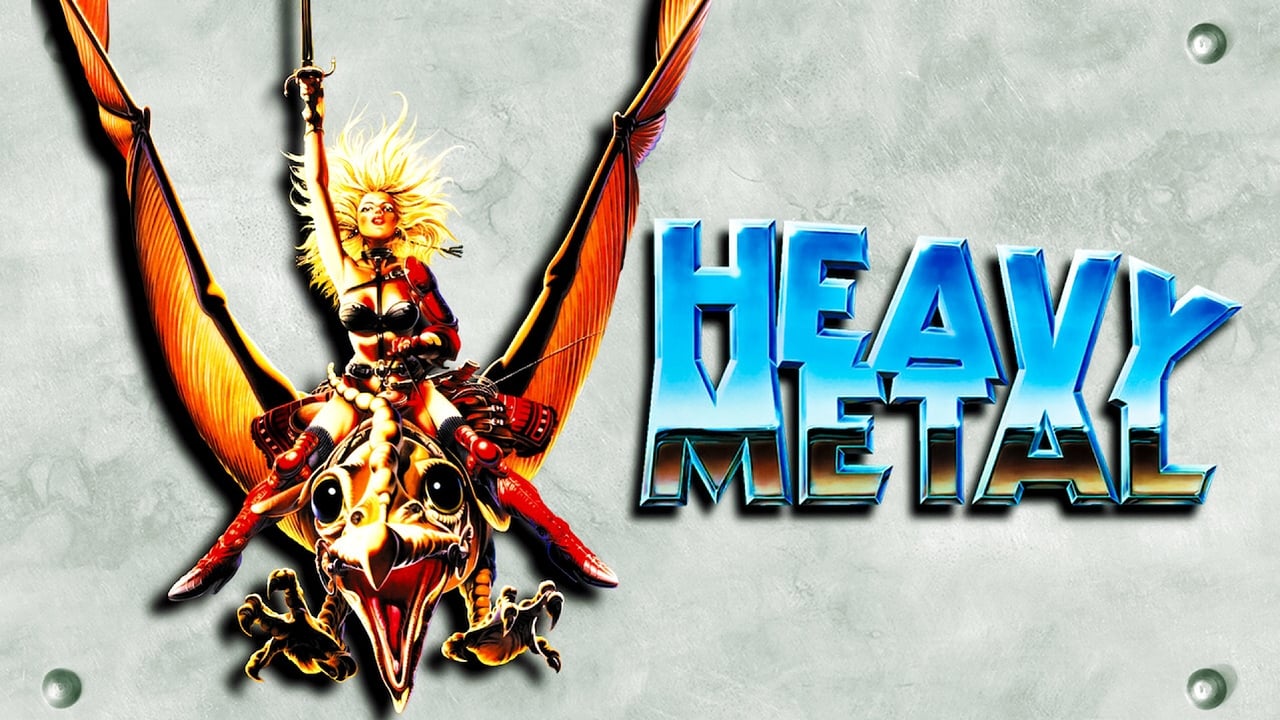
Based on the legendary adult illustrated sci-fi/fantasy magazine of the same name, Heavy Metal hit screens like a blast of cosmic energy. This wasn't just animation; it was an event. An R-rated, feature-length animated film driven by sex, violence, and a face-melting rock soundtrack? In 1981, that was practically revolutionary. Producer Ivan Reitman (Ghostbusters (1984)) corralled a wild mix of talent, channeling the magazine's boundary-pushing spirit into an anthology film, all loosely connected by the sinister Loc-Nar – that aforementioned malevolent green sphere representing the root of all evil. It’s a structure that feels perfectly suited to flipping through the pages of the original magazine, each segment a distinct universe.
A Trip Through Strange Worlds
The journey the Loc-Nar takes us on is, frankly, all over the place – and that's part of the chaotic charm. We careen from the cynical noir future of "Harry Canyon" (voiced with gravelly perfection by Richard Romanus) to the pulpy sword-and-sorcery of "Den," where a nerdy teen transforms into a muscle-bound hero in a world clearly inspired by Richard Corben's artwork. Then there’s the darkly comic trial of "Captain Sternn," featuring the sleazy titular character voiced hilariously by Eugene Levy. Retro Fun Fact: Several different animation houses worked on the various segments, including studios in Canada, the UK, and the US, which explains the often wildly shifting visual styles between stories. Director Gerald Potterton somehow had to wrangle all these disparate parts into a cohesive whole.
Later segments like the creepy WWII zombie tale "B-17" offer genuine chills, while "So Beautiful & So Dangerous" injects pure stoner comedy, largely thanks to the unmistakable voices of SCTV legends John Candy as a coke-snorting robot and Joe Flaherty and Eugene Levy again as aliens. It’s jarring, sometimes goofy, but undeniably memorable. Another Retro Fun Fact: The SCTV connection ran deep, with Harold Ramis also providing a voice. These guys brought a necessary comedic timing that balanced the film's often self-serious fantasy elements.
The Power of Taarna and Rotoscope
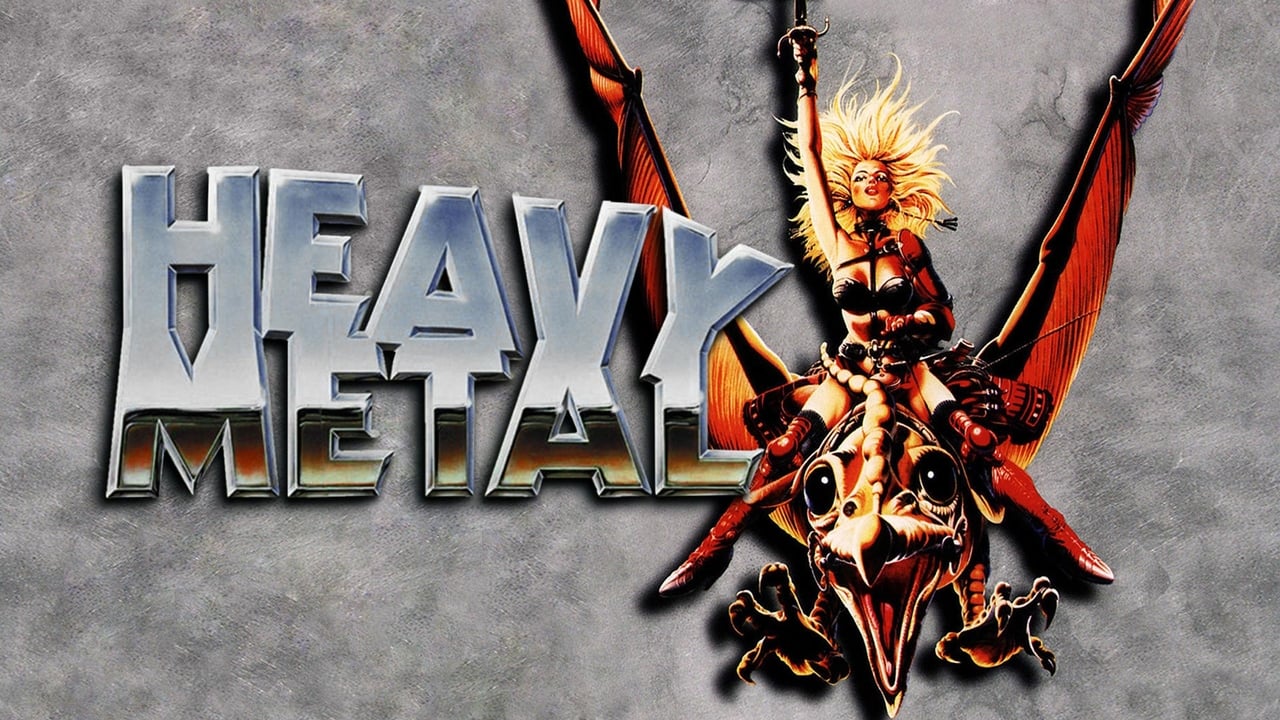
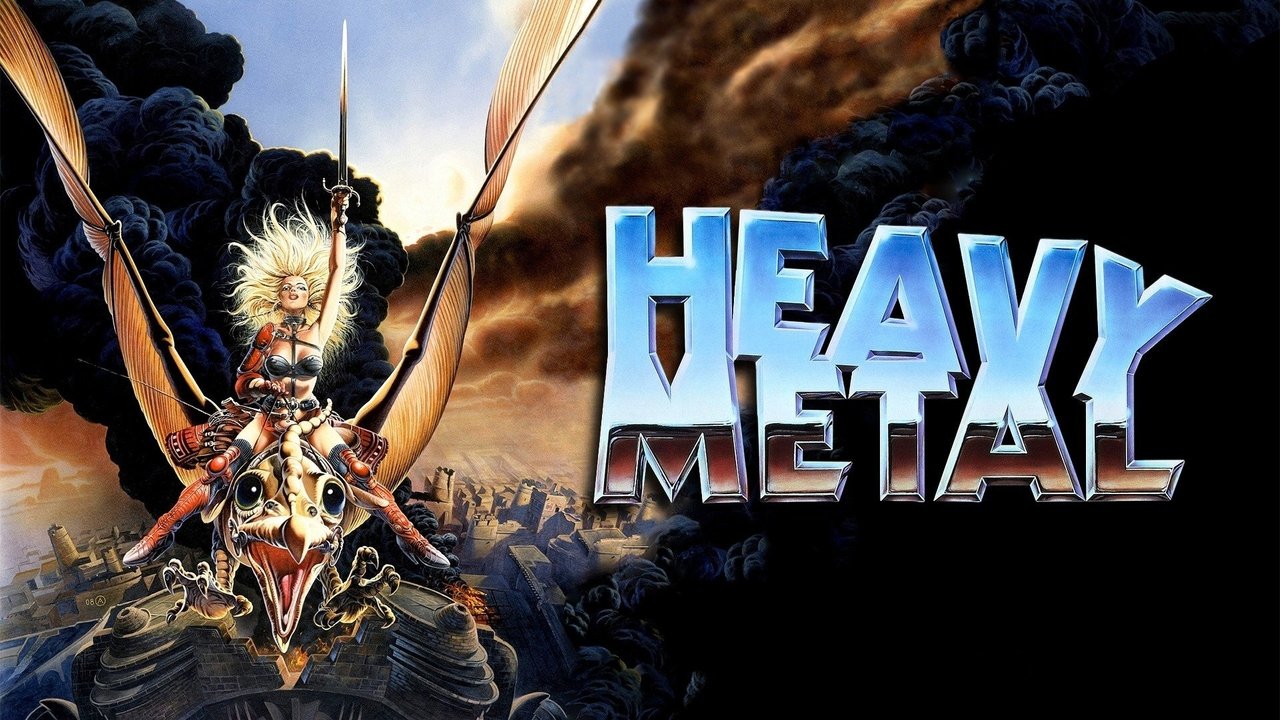
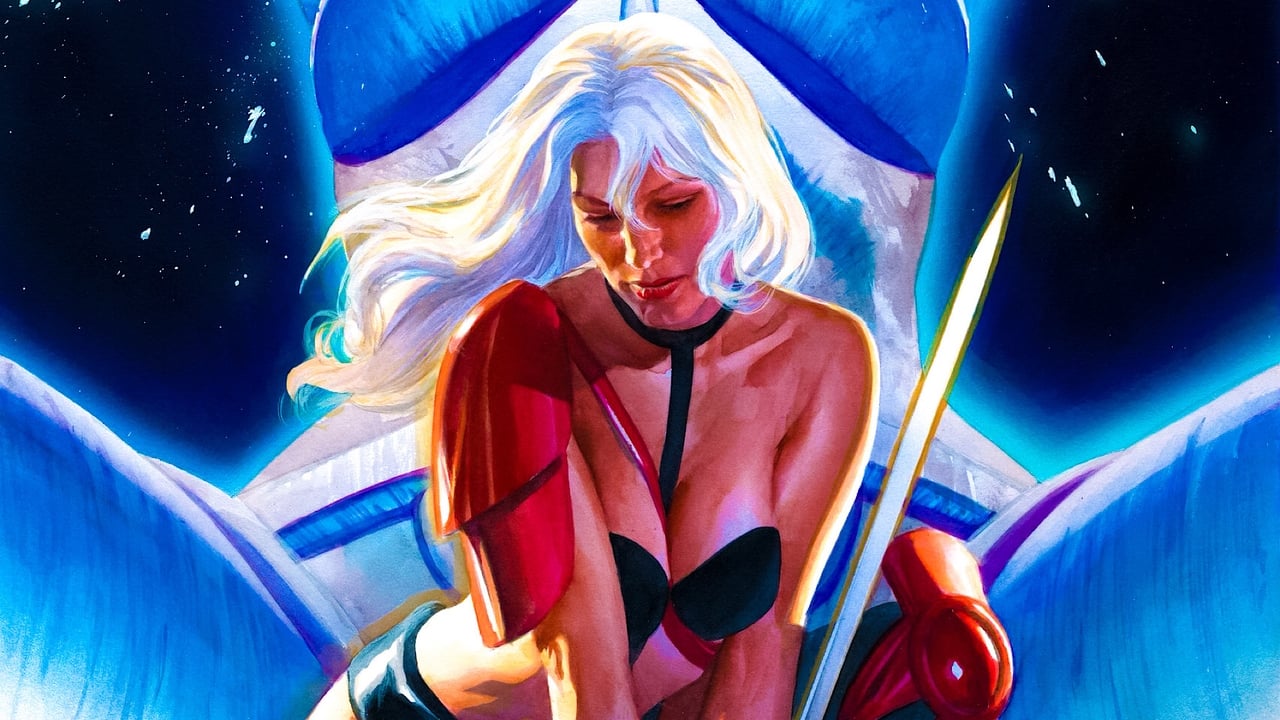
But let's be honest, the segment everyone remembers, the image plastered on countless posters and ingrained in the minds of a generation, is "Taarna." This largely dialogue-free finale features a stoic, white-haired warrior woman seeking vengeance astride her pterodactyl-like mount. Inspired by the art of Moebius, it's visually stunning, epic in scope, and feels like the purest distillation of the Heavy Metal aesthetic. The animation here leans heavily on rotoscoping – tracing over live-action footage frame by frame. Remember how fluid yet distinctly drawn Taarna's movements felt? That was the magic, and the painstaking labour, of rotoscoping. It gave the action a weight and realism that traditional animation often lacked, a kind of "practical effect" for the animation world before digital tools streamlined everything. It wasn't always perfectly smooth, sometimes carrying a slightly ethereal, floaty quality, but damn, did it look cool and unlike anything else on screen.
That Killer Soundtrack
You simply cannot talk about Heavy Metal without crankin' up the volume on its soundtrack. This wasn't just background music; it was the film's pulsing heart. Featuring absolute bangers from Black Sabbath ("The Mob Rules"), Blue Öyster Cult ("Veteran of the Psychic Wars" – practically Taarna's theme), Cheap Trick, Journey, Sammy Hagar ("Heavy Metal"), Nazareth, Devo, and Donald Fagen, the album was a smash hit in its own right. Each track perfectly complements the on-screen madness, cementing the film's status as a quintessential piece of early 80s rock culture. It was one of those soundtracks you bought on cassette and played until the tape wore thin.
Legacy of a Cult Oddity
Upon release, Heavy Metal wasn't exactly a critical darling, though it did respectably at the box office (pulling in around $20 million on a roughly $9.3 million budget). Its true home, however, was on VHS and late-night cable. It became a cult sensation, passed between friends, watched bleary-eyed after midnight. It was transgressive, imaginative, often juvenile, and undeniably ambitious. While elements like its sometimes gratuitous nudity and simplistic gender dynamics haven't aged perfectly, the raw energy and sheer audacity still resonate. It carved out a space for adult-oriented animation in North America, influencing projects for years to come, even if the direct sequel Heavy Metal 2000 didn't quite capture the same lightning in a bottle.
---

VHS Heaven Rating: 8/10
Justification: Heavy Metal earns a solid 8 for its sheer boundary-pushing ambition in 1981, its iconic and influential soundtrack, the unforgettable visual impact of segments like "Taarna" (thanks, rotoscoping!), and its enduring cult status. It perfectly captures a specific adolescent, rock-fueled fantasy vibe. Points are docked for the uneven quality between segments and some seriously dated elements, but its historical significance and raw, hand-crafted energy make it essential viewing for fans of the era.
Final Take: Messy, loud, and gloriously of its time, Heavy Metal is a potent shot of pure, unfiltered 80s fantasy animation – a relic from an era when cartoons dared to crank the amp to eleven and blow your speakers, even if the tracking lines sometimes flickered across the screen.