There's a certain kind of cinematic magic conjured when Hollywood decides to truly go big – not just with explosions, but with sheer, unadulterated glamour and star power. Watching John Guillermin's 1978 adaptation of Death on the Nile again, decades after first encountering it likely on a slightly fuzzy television screen via a well-loved VHS tape, is to be transported back to that era of lavish, globe-trotting mysteries. The film itself opens not with a bang, but with the oppressive heat and simmering resentments under the Egyptian sun, immediately promising a journey both beautiful and treacherous.
### All Aboard the S.S. Karnak
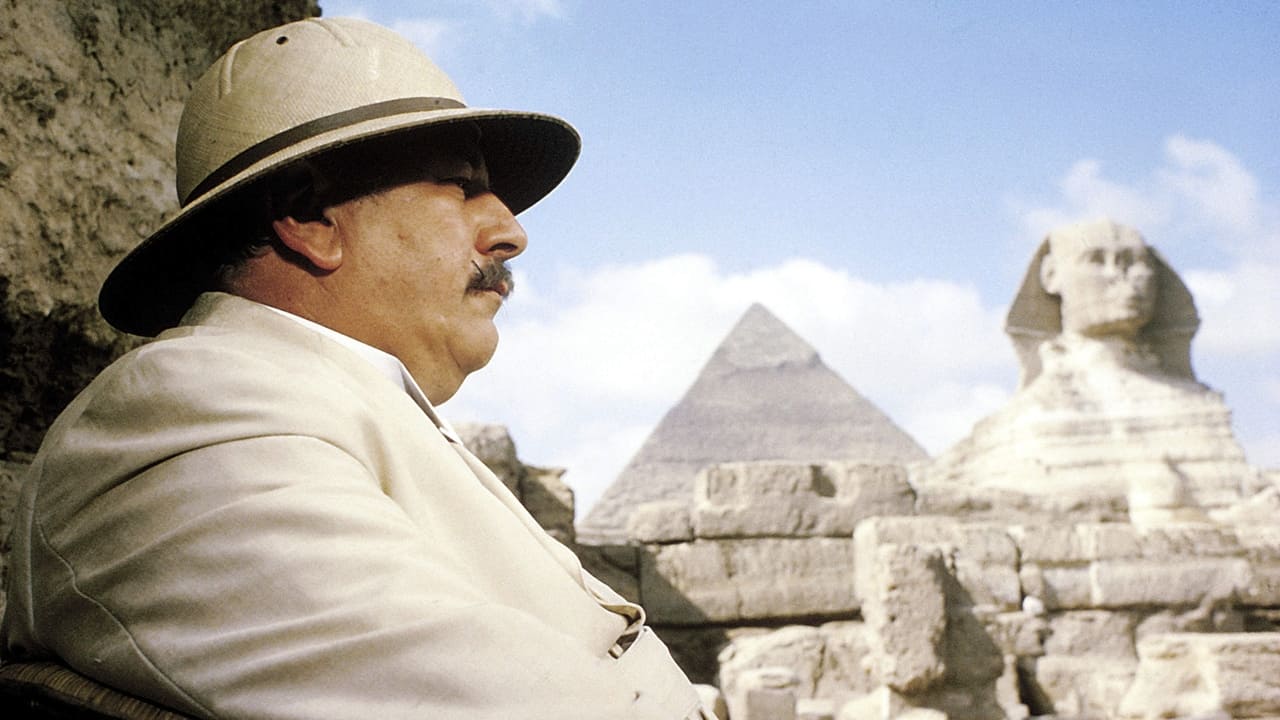
Following the critical and commercial success of Murder on the Orient Express (1974), the pressure was undoubtedly on for this next big Agatha Christie outing. Anthony Shaffer's screenplay deftly navigates the complexities of Christie's plot, centering on the wealthy, newly married Linnet Ridgeway Doyle (Lois Chiles) honeymooning aboard a luxurious Nile steamer. Her happiness is immediately poisoned by the presence of Jacqueline de Bellefort (Mia Farrow), the jilted former fiancée of her new husband, Simon Doyle (Simon MacCorkindale). And, naturally, amidst this volatile mix, the renowned Belgian detective Hercule Poirot (Peter Ustinov) finds himself conveniently on holiday. When murder inevitably strikes, Poirot is faced with a boatload of suspects, each nursing secrets and potential motives beneath the veneer of high society.
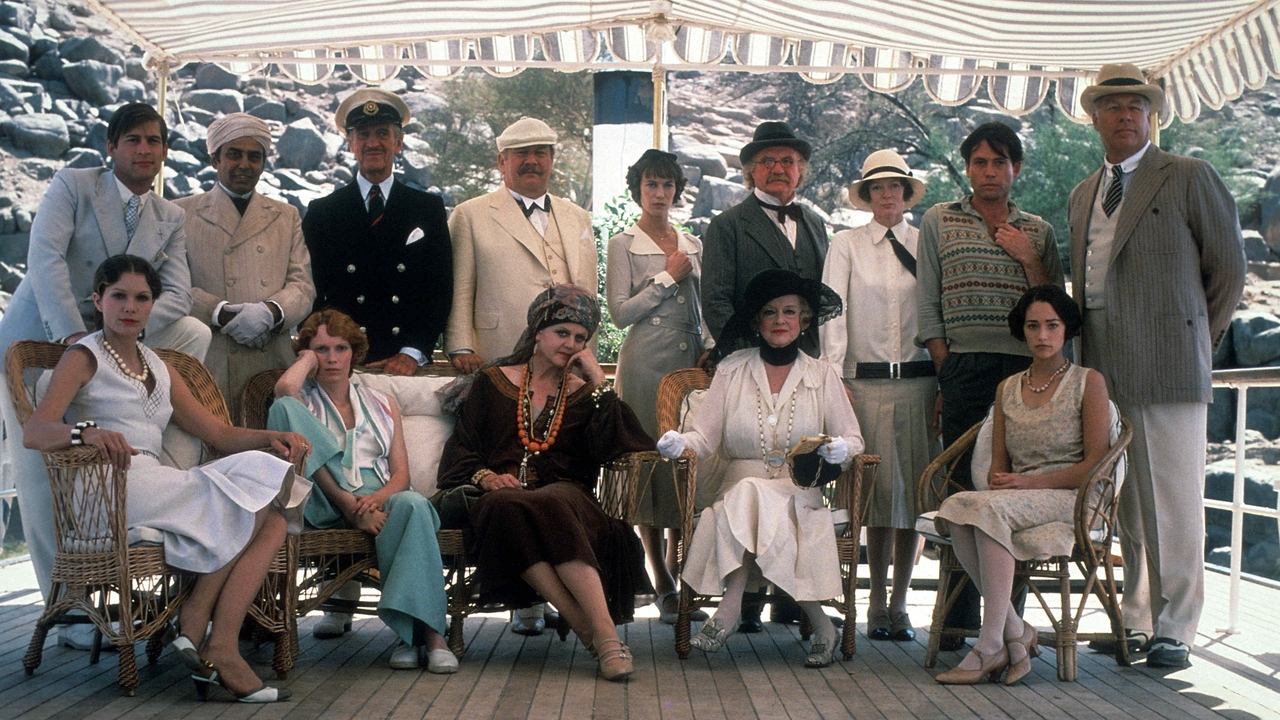
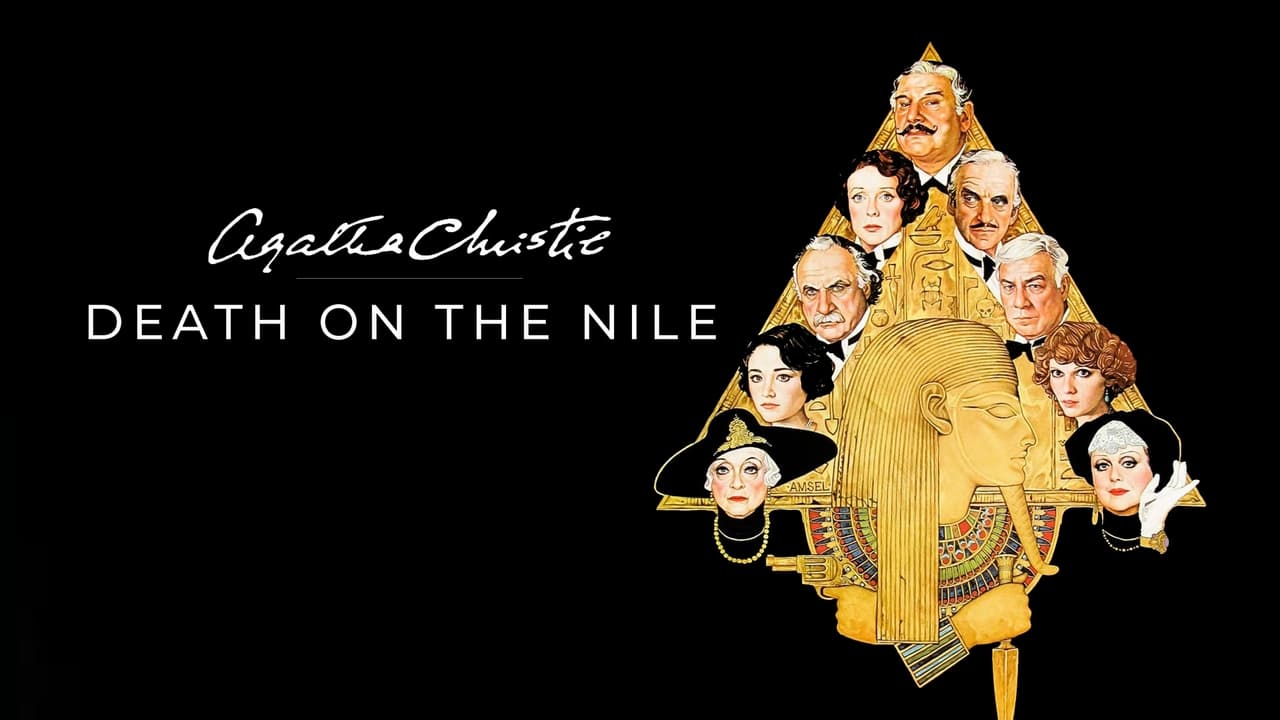
What truly sets Death on the Nile apart, much like its predecessor, is the jaw-dropping ensemble cast. This wasn't just star casting; it felt like an event. Seeing legends like Bette Davis (as the kleptomaniac American socialite Mrs. Van Schuyler) and Maggie Smith (as her long-suffering companion Miss Bowers) spar with acidic wit is worth the price of admission alone. Then you have David Niven embodying perfect British stiff-upper-lip charm as Colonel Race, Angela Lansbury chewing the scenery delightfully as the flamboyant romance novelist Salome Otterbourne, and George Kennedy bringing gruff American pragmatism as Linnet's lawyer. It's a glorious collision of acting royalty.
### Ustinov Makes His Mark
Taking over the mantle of Poirot from Albert Finney was no small task, but Peter Ustinov makes the role entirely his own. His Poirot is less fussy, perhaps more avuncular and outwardly genial than Finney's portrayal, but with the same razor-sharp intellect gleaming beneath the surface. Ustinov finds a warmth and a subtle weariness in the character, a man constantly observing the follies and cruelties of human nature. His interactions, particularly with Niven's Colonel Race, provide a steady anchor amidst the swirling melodrama and rising body count. It’s a performance that feels lived-in, establishing the interpretation Ustinov would reprise several more times. Does his portrayal capture the essence of Christie's creation? For many viewers who discovered Poirot through these films, Ustinov is Poirot, and his thoughtful, subtly commanding presence here is undeniable.
### Sun, Sand, and Suspicion
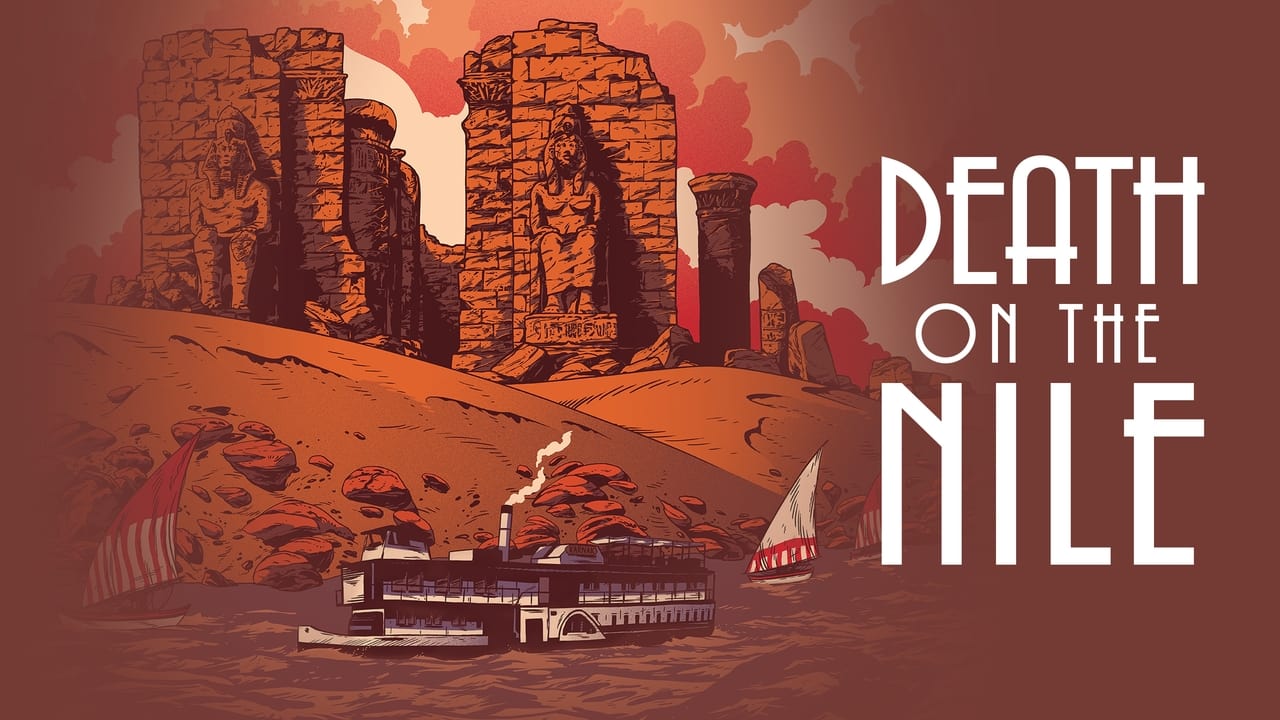
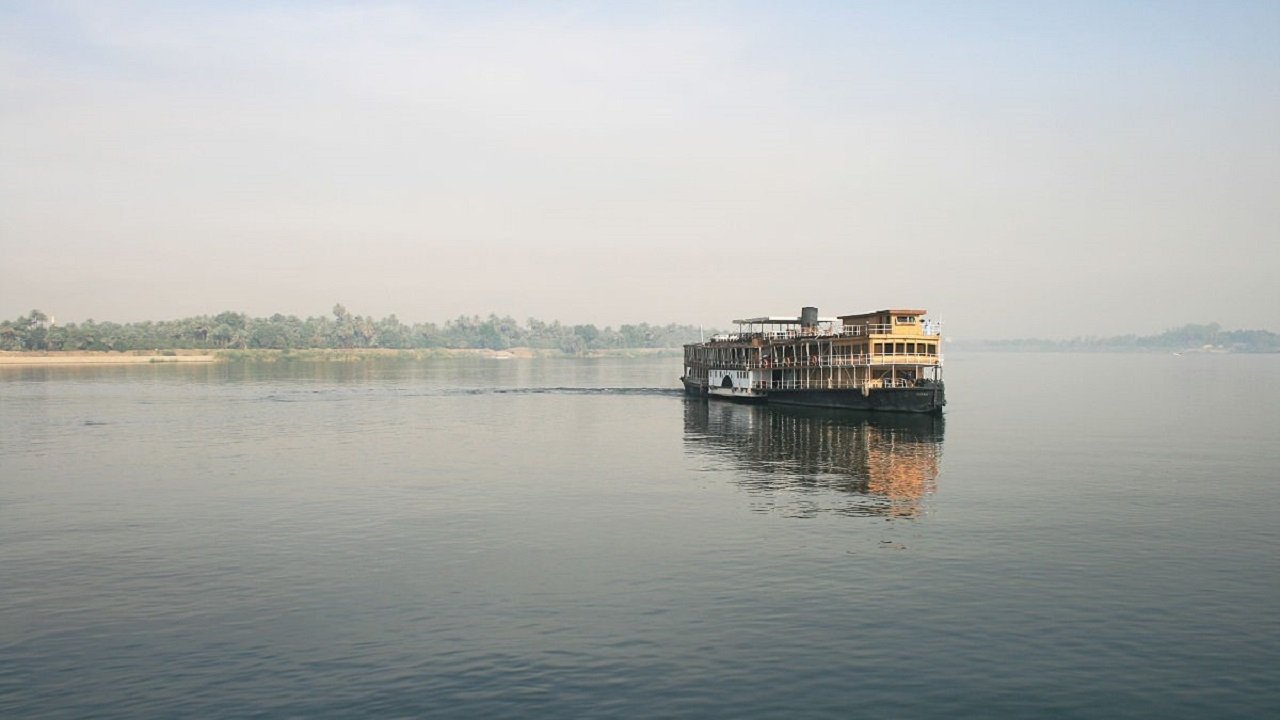
Director John Guillermin, perhaps bringing experience from wrangling large casts in films like The Towering Inferno, manages the intricate plot and multitude of characters with considerable skill. More than just a stage-bound mystery, the film leverages its stunning Egyptian locations – Abu Simbel, Karnak, Luxor – to breathtaking effect. Cinematographer Jack Cardiff captures both the majestic scale of the ancient monuments and the claustrophobic intimacy aboard the steamer Karnak. You can almost feel the dry heat, the dust, the weight of history pressing in as the passengers' carefully constructed facades begin to crack. This sense of place elevates the film beyond a simple whodunit; the environment itself feels like a character, beautiful yet potentially deadly.
One can only imagine the logistical challenges of filming with such a high-profile cast in these remote locations back in the late 70s. Stories abound about the difficulties, from navigating the heat and bureaucracy to managing the constellation of star egos. Yet, none of that strain shows on screen. Instead, there's an undeniable opulence, a commitment to capturing a bygone era of travel and intrigue that feels incredibly immersive, even viewed today. Add to this the evocative score by the legendary Nino Rota (of The Godfather fame), and you have a film that engages the senses as much as the intellect.
### Lasting Impressions on the Nile
Death on the Nile isn't trying to reinvent the mystery genre; it aims to perfect a certain kind of classical execution, and largely succeeds. It's a film that luxuriates in its setting, its stars, and the intricate puzzle crafted by Agatha Christie. While the pacing might feel deliberate compared to modern thrillers, it allows space for character moments and the gradual tightening of the suspense. The reveals are handled satisfyingly, staying true to the source material while providing cinematic flair.
For those of us who remember crowding around the TV for these event movies, or browsing the oversized VHS boxes at the rental store wondering which star-studded mystery to pick, Death on the Nile holds a special place. It represents a kind of grand, confident filmmaking that feels increasingly rare. It invites you to settle in, escape to another time and place, and match wits with one of literature's greatest detectives. What lingers most is not just the cleverness of the plot, but the bittersweet melancholy beneath the glamour – a meditation on love, jealousy, and the desperate measures they inspire.
Rating: 9/10
This rating reflects the film's stunning production values, masterful ensemble cast firing on all cylinders, Peter Ustinov's definitive introduction as Poirot, and its skillful adaptation of a classic Christie novel. It’s a near-perfect example of the grand, location-based whodunit, delivering exactly the kind of sophisticated entertainment promised by its pedigree. A true gem from the era, offering armchair travel and captivating mystery in equal measure. It remains a supremely satisfying voyage into darkness under the Egyptian sun.