It’s a curious thing, stumbling across a black-and-white film from 1983 nestled amongst the vibrant colour palettes that dominated early 80s video store shelves. François Truffaut's Confidentially Yours (Vivement dimanche! in its original French, translating charmingly to "Hooray for Sunday!") arrives like a crisp, stylish dispatch from another time, yet firmly rooted in the year of its release. It wasn't merely an exercise in nostalgia, though; it felt like a confident declaration, a master filmmaker playfully engaging with the ghosts of cinema past – specifically, the shadowy world of American noir and the whip-smart dialogue of screwball comedy – crafting something both familiar and refreshingly distinct.
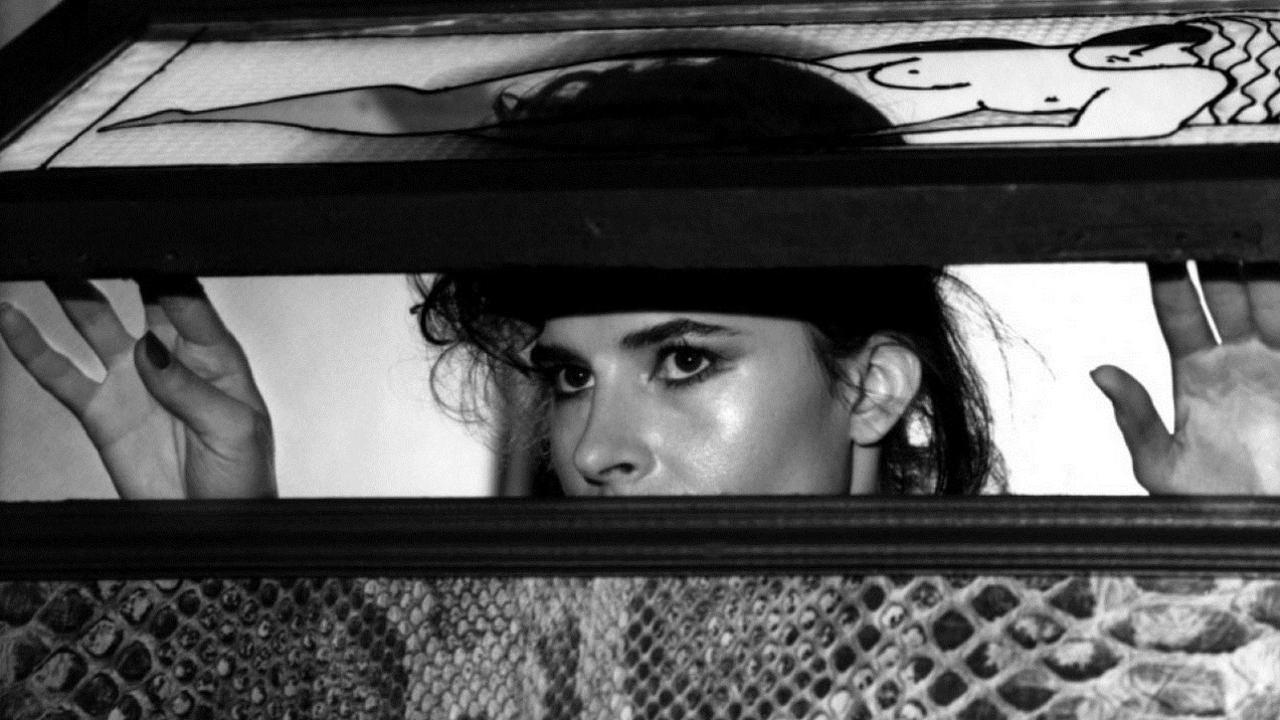
Shadows and Suspicions
The setup is pure pulp heaven: Julien Vercel (Jean-Louis Trintignant), a respectable estate agent in the sun-drenched (yet rendered in gorgeous monochrome) South of France, finds himself the prime suspect when both his wife and her lover are murdered. The evidence mounts, the police close in, and Julien decides the safest place to hide is the back room of his own office. Enter Barbara Becker (Fanny Ardant), his fiercely loyal and utterly resourceful secretary. Convinced of his innocence, Barbara transforms from efficient employee to amateur sleuth, diving headfirst into the tangled web of secrets and lies surrounding the murders, determined to exonerate her boss while he stews impatiently in hiding. It's a race against time, filled with mistaken identities, close calls, and a body count that keeps rising.
A Master's Playful Farewell
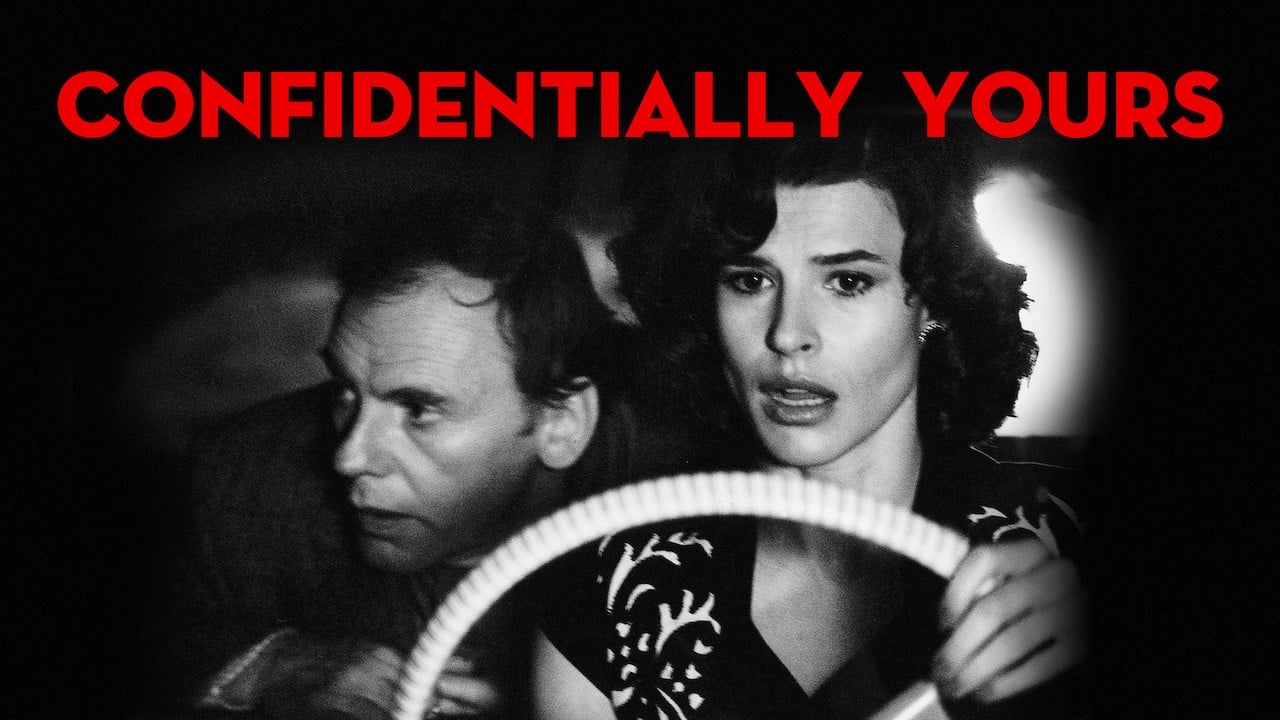
Knowing this was François Truffaut's final directorial effort lends a particular poignancy to the viewing. Truffaut, a towering figure of the French New Wave who gave us indelible films like The 400 Blows and Jules and Jim, battled illness during production, passing away the year after its release. Yet, Confidentially Yours doesn't feel like a somber swan song. Instead, it crackles with a lively, almost youthful energy, a clear testament to his enduring love for the medium. His passion is palpable in the film's brisk pacing and its loving homages to Hitchcock – the master of suspense whom Truffaut famously interviewed and deeply admired. The choice of black and white, beautifully captured by legendary cinematographer Néstor Almendros (who also shot Truffaut's The Last Metro), is crucial. It instantly evokes the classic noir era, bathing the French Riviera setting in dramatic shadows and stark contrasts, enhancing the atmosphere of paranoia and intrigue far more effectively than colour might have. It feels less like a limitation and more like a perfectly chosen tool for the story Truffaut wanted to tell.
Ardant Shines Bright
While Jean-Louis Trintignant (an actor synonymous with European classics like The Conformist and A Man and a Woman) is excellent as the increasingly agitated Julien, radiating a weary vulnerability, the film truly belongs to Fanny Ardant. Ardant, who was Truffaut's partner at the time, delivers a star-making performance that simply lights up the screen. Her Barbara is intelligent, tenacious, courageous, and possesses a captivating blend of sophistication and impulsive energy. She wears the trench coat and strides through perilous situations like a seasoned private eye, yet her underlying affection for Julien provides the film's emotional core. The chemistry between Ardant and Trintignant is undeniable, shifting effortlessly between employer-employee dynamics, conspiratorial partners, and burgeoning romance, often laced with witty, rapid-fire banter reminiscent of classic Hollywood pairings. Ardant earned a well-deserved César Award nomination for Best Actress, and watching her navigate the film's twists and turns is the primary source of its considerable charm.
Genre Blend and Gallic Charm
Based on the novel "The Long Saturday Night" by American crime writer Charles Williams, Truffaut takes the hardboiled source material and infuses it with a distinctly French sensibility. The film deftly balances genuine suspense – the threat against Barbara feels real as she gets closer to the truth – with moments of delightful absurdity and romantic comedy. It acknowledges the darkness inherent in the noir plot but refuses to be weighed down by it. There's a lightness of touch, a playful spirit that permeates the proceedings, making it more of a loving tribute than a grim imitation. It's fascinating how Truffaut uses the familiar tropes – the wrongly accused man, the determined investigator, the atmospheric setting – but filters them through his own cinematic lens, resulting in a film that feels both classic and uniquely his own. One delightful tidbit for dedicated fans: while Truffaut doesn't physically appear on screen, listen closely – that's his voice you hear briefly during a telephone call sequence.
Lasting Impressions
Does Confidentially Yours rank among Truffaut's most profound masterpieces? Perhaps not. Its aims are arguably more modest – to entertain, to engage, to pay homage. But it succeeds wonderfully on those terms. It’s a stylish, witty, and deeply enjoyable piece of filmmaking, anchored by a truly radiant performance from Fanny Ardant. Watching it feels like settling in with an old friend – comfortable, engaging, and leaving you with a warm sense of satisfaction. It’s a reminder of the sheer pleasure cinema can offer, even when dealing with murder and intrigue. For those of us who remember discovering gems like this on VHS, it evokes a particular kind of cinematic joy – the thrill of finding a sophisticated, beautifully crafted film tucked away, waiting to be rediscovered.
Rating: 8/10
This rating reflects the film's exceptional style, Fanny Ardant's captivating lead performance, Truffaut's masterful and affectionate direction, and its successful blend of noir, comedy, and romance. While perhaps lighter than some of his iconic works, its execution is nearly flawless within its chosen framework, making it a thoroughly engaging and rewatchable piece of cinema history.