How much of life do we truly see? It’s a question that echoes long after the nearly three hours of Edward Yang’s masterpiece, Yi Yi (A One and a Two...), have unspooled. Released in 2000, it arrived just as the VHS era was truly winding down, a poignant bookend perhaps, but possessing a depth and quiet humanity that feels timeless, resonating with the kind of thoughtful filmmaking cinephiles cherished finding on those chunky tapes. It doesn't burst onto the screen; rather, it invites you into the lived-in spaces of the Jian family in Taipei, asking you simply to observe, to listen, and ultimately, to feel.
An Ordinary Life, Magnified
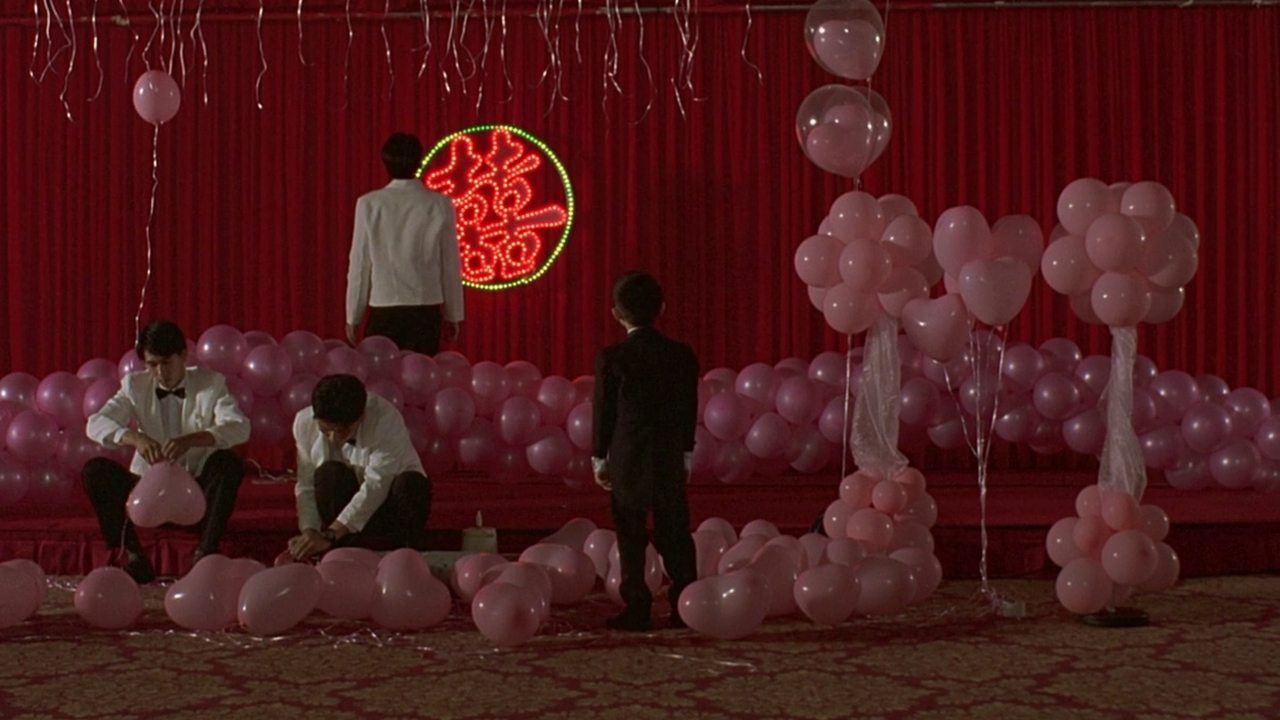
The film begins, fittingly, at a wedding – a chaotic nexus of family obligation, simmering tensions, and unspoken histories. From this gathering, the narrative gently fractures, following middle-aged father NJ (Nien-Jen Wu), his quietly despairing wife Min-Min (Elaine Jin), their introspective teenage daughter Ting-Ting (Kelly Lee), and inquisitive young son Yang-Yang (Jonathan Chang). We also witness the aftermath of the wedding: Min-Min’s mother falls into a coma, setting off ripples of consequence through the family. What unfolds isn't a plot in the conventional sense, but a tapestry woven from the threads of everyday existence: anxieties about work, tentative first loves, rediscoveries of past flames, philosophical musings from a child's perspective, and the heavy weight of caring for an ailing elder. Yang, who sadly passed away in 2007 leaving this as his final feature, wasn't interested in grand dramatic gestures; he found the profound in the mundane.
The Eloquence of Silence
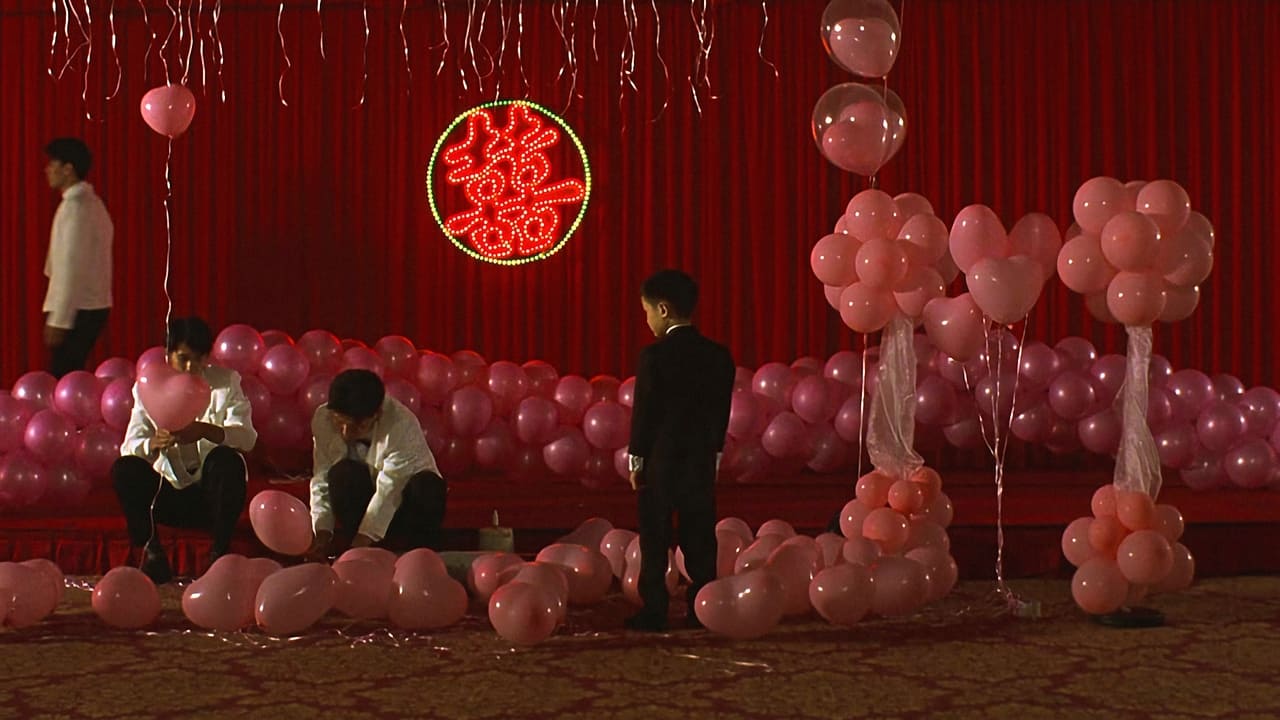
Much of Yi Yi's power lies in Edward Yang's directorial control. He often employs long takes, positioning the camera with an objective, almost passive gaze. We observe characters through doorways, reflected in windows, or partially obscured by the urban landscape of Taipei itself – which becomes as much a character as any human. This visual strategy isn't detachment; it's an invitation to lean in, to catch the subtle shifts in expression, the hesitations, the things left unsaid that often speak volumes louder than words. There's a profound patience to the filmmaking, mirroring the rhythms of life itself. Yang famously storyboarded the entire film himself, meticulously planning every shot, a level of preparation evident in the film's composed, deliberate pacing. Interestingly, despite winning him Best Director at the 2000 Cannes Film Festival – a major international triumph – Yi Yi wasn't initially released theatrically in Taiwan, partly due to Yang's dissatisfaction with the local film distribution environment at the time. It remained largely unseen in its home country for years, a strange fate for such a deeply Taiwanese story.
Truth in Performance
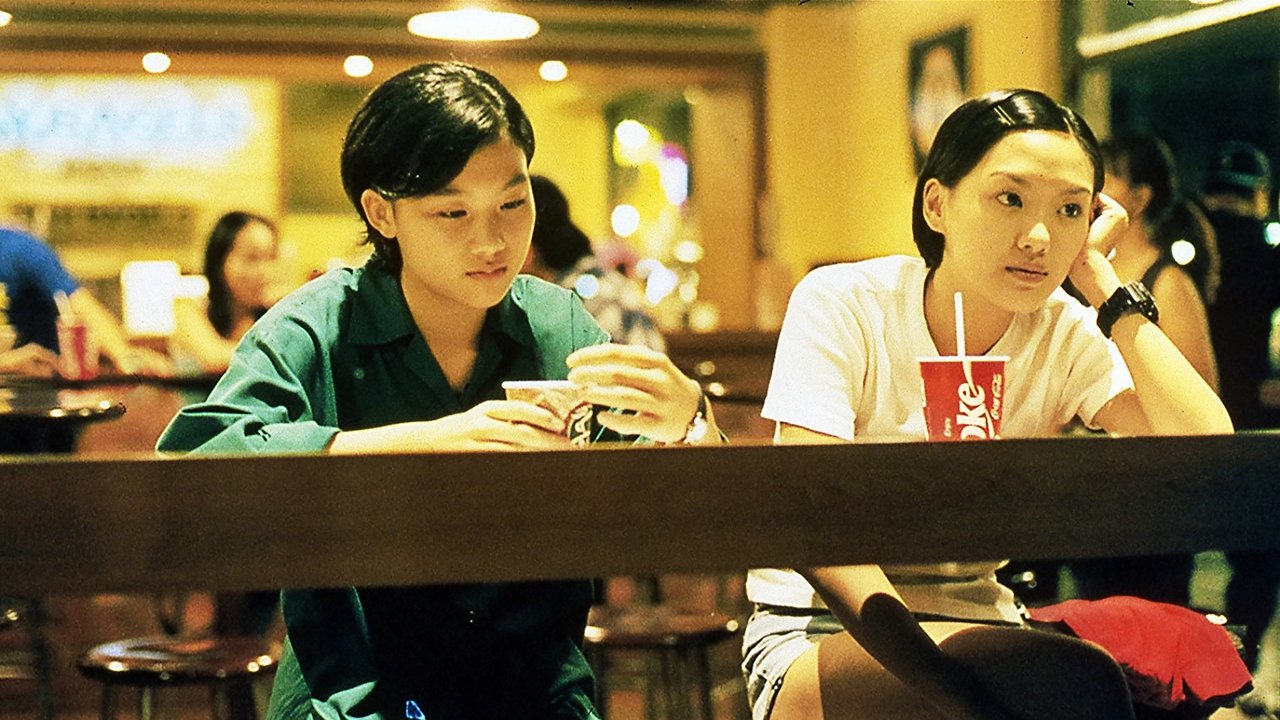
The performances are uniformly naturalistic and deeply affecting. Nien-Jen Wu, himself a celebrated Taiwanese director and screenwriter (A Borrowed Life, Duo Sang), brings a quiet weariness and searching quality to NJ. His chance encounter with a former love during a business trip to Japan forms one of the film's most touching and melancholic threads. Elaine Jin portrays Min-Min's spiritual crisis with heartbreaking vulnerability, retreating into silence and eventually a mountain monastery, seeking answers her family life cannot provide. The young actors are remarkable; Kelly Lee captures the tentative awkwardness and burgeoning emotional complexity of adolescence, while Jonathan Chang as Yang-Yang is the film's soul. His simple, profound act of photographing the backs of people's heads – "so they can see what they cannot see" – becomes a central metaphor for the film's exploration of hidden truths and unseen perspectives. It’s a performance of pure, unforced curiosity. Adding a different energy is Japanese actor Issey Ogata as the video game developer Mr. Ota, whose philosophical insights offer NJ, and the audience, moments of clarity amidst the gentle confusion.

Retro Fun Facts: Behind the Quietude
- The title, Yi Yi, literally translates to "one one" but carries connotations of individuality and the particularity of experience, often interpreted as "A One and a Two..." suggesting the start of a simple count, like the rhythm of life itself.
- Yang often worked with non-professional or lesser-known actors to achieve a greater sense of realism, a technique beautifully realized here with Nien-Jen Wu and the child actors.
- The film’s near three-hour runtime (173 minutes) was never a studio demand; it was precisely the length Yang felt necessary to allow the multiple character arcs to breathe and develop organically. He had final cut, a testament to his established reputation following acclaimed works like A Brighter Summer Day (1991).
- Shooting on location in Taipei was crucial for Yang, grounding the universal family drama in a specific, tangible place. The city's blend of modernity and tradition mirrors the characters' own internal conflicts.
Seeing the Whole Picture
What does Yi Yi leave us with? It’s not easy answers, but a profound sense of empathy. It suggests that everyone is living a complex inner life, often invisible to others. NJ grapples with ethical dilemmas at work and the ghost of a past relationship. Min-Min confronts existential emptiness. Ting-Ting navigates the painful uncertainties of young love and guilt. And Yang-Yang, through his camera lens, tries to capture the missing half of the picture. Doesn't this intricate web of personal struggle feel intensely familiar, reflecting the challenges of connection and understanding we all face? The film doesn’t judge its characters; it simply presents their lives with uncommon grace and honesty. It reminds us that life is lived in these small moments, these quiet crises, these tentative steps towards understanding ourselves and others.
Rating: 10/10
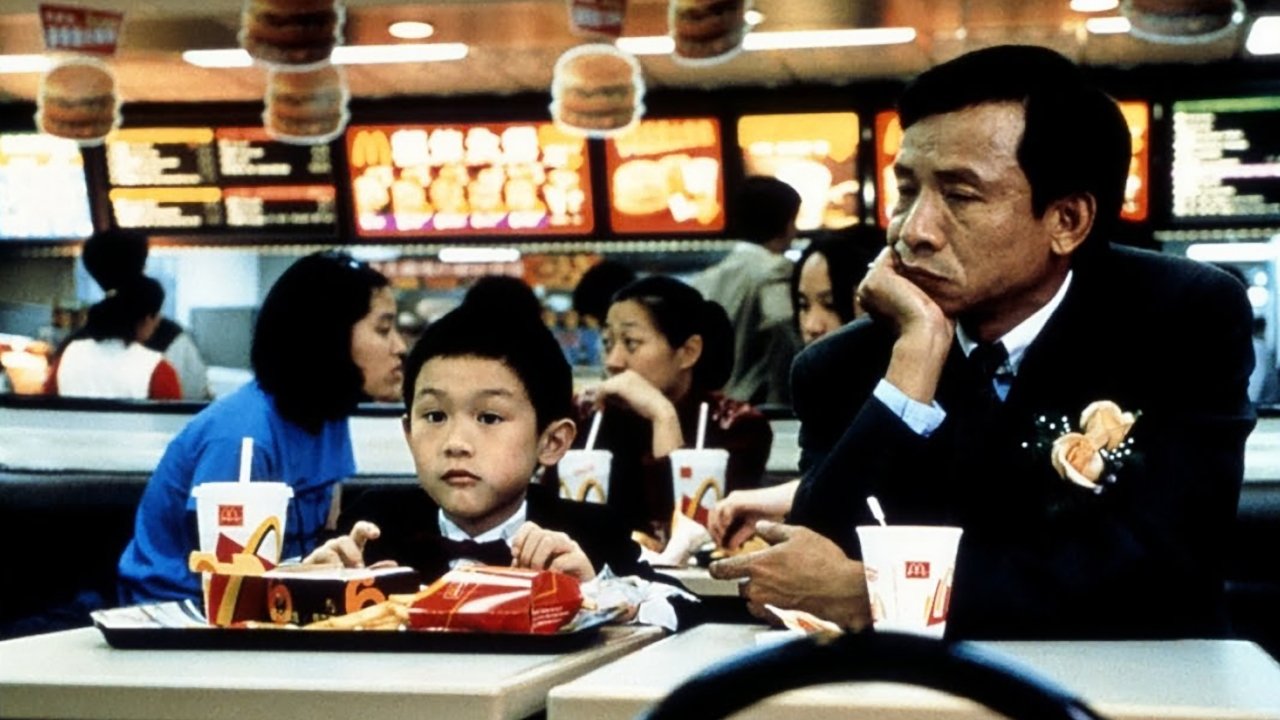
This score reflects the film's masterful execution on every level. Edward Yang's direction is subtle yet deeply controlled, the ensemble cast delivers performances of remarkable authenticity, and the script explores profound themes with intelligence and sensitivity. It achieves a rare emotional depth without resorting to melodrama, capturing the texture of lived experience in a way few films do. It’s a patient, rewarding, and ultimately unforgettable piece of cinema.
Yi Yi is more than just a movie; it's an experience. It lingers like a conversation with a wise friend, leaving you contemplating the unseen corners of your own life and the lives of those around you. It’s a film that truly sees us, in all our complexity.