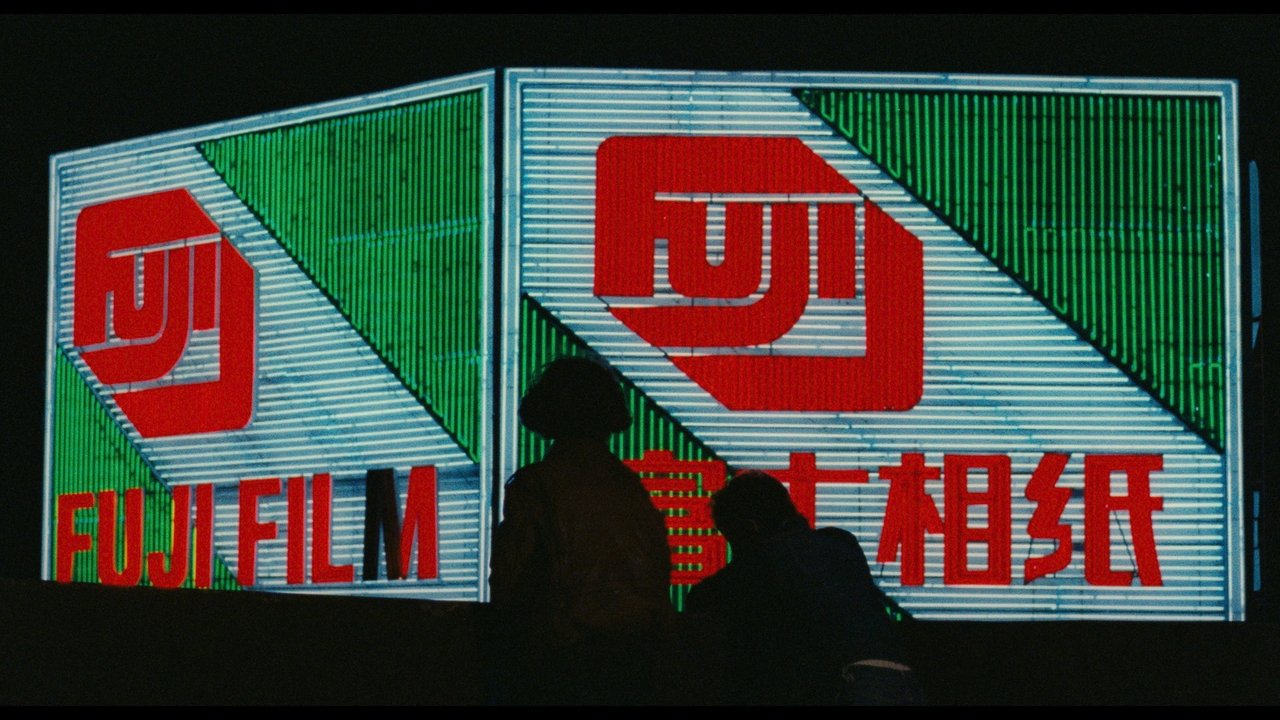
There's a certain quiet hum that emanates from Edward Yang's Taipei Story (1985), a frequency that resonates with the low thrum of a city caught between yesterday and tomorrow. It’s not the neon buzz of a cyberpunk future, nor the sepia tones of pure nostalgia. Instead, it’s the unsettling vibration of displacement, the feeling of being adrift in a world rapidly shedding its skin. Watching it again now, decades after its release, that feeling feels startlingly familiar, perhaps even more so. This isn't a film that shouts; it observes, patiently, letting the unspoken anxieties of its characters seep into the frame.

### Between Past and Present
At its heart, Taipei Story chronicles the fraying relationship between Lung (played, fascinatingly, by renowned filmmaker Hou Hsiao-hsien) and Chin (Tsai Chin). Lung is a former Little League baseball star, clinging perhaps too tightly to the echoes of past glories, running a traditional textile business that feels increasingly out of step with the times. Chin works for a modern property development company, embracing the forward momentum of Taipei's boom, yet finding herself professionally and personally unfulfilled. Their apartment, filled with unpacked boxes, becomes a potent symbol of their stagnation – a shared space where connection seems to have been lost in transit.
What Yang, along with his co-writers Chu Tʽien-wen and Hou Hsiao-hsien himself, captures so brilliantly is the specific texture of Taipei in the mid-80s. It's a city of construction sites looming over old neighborhoods, of Western pop music filtering through cafés, of characters grappling with emigration plans and the allure of American dreams contrasted with deep-seated cultural roots. This palpable sense of a city – and its inhabitants – in flux is the film's lifeblood. You feel the humidity, the traffic noise, the glass walls of new office buildings reflecting older, perhaps decaying, structures. It’s a portrait rendered with meticulous, almost anthropological detail.
### The Weight of Unspoken Words
The casting of Hou Hsiao-hsien is a masterstroke, not just a piece of cinephile trivia. Known primarily as one of the key figures behind the camera in the Taiwanese New Wave (alongside Yang), his presence here as Lung lends a certain gravitas. He embodies a man haunted by obsolescence, his quiet stoicism masking a deep well of uncertainty. His performance is remarkably naturalistic, conveying volumes through weary glances and hesitant gestures. He feels less like an actor playing a part and more like a man simply existing, burdened by the expectations of his past and the ambiguities of his future.
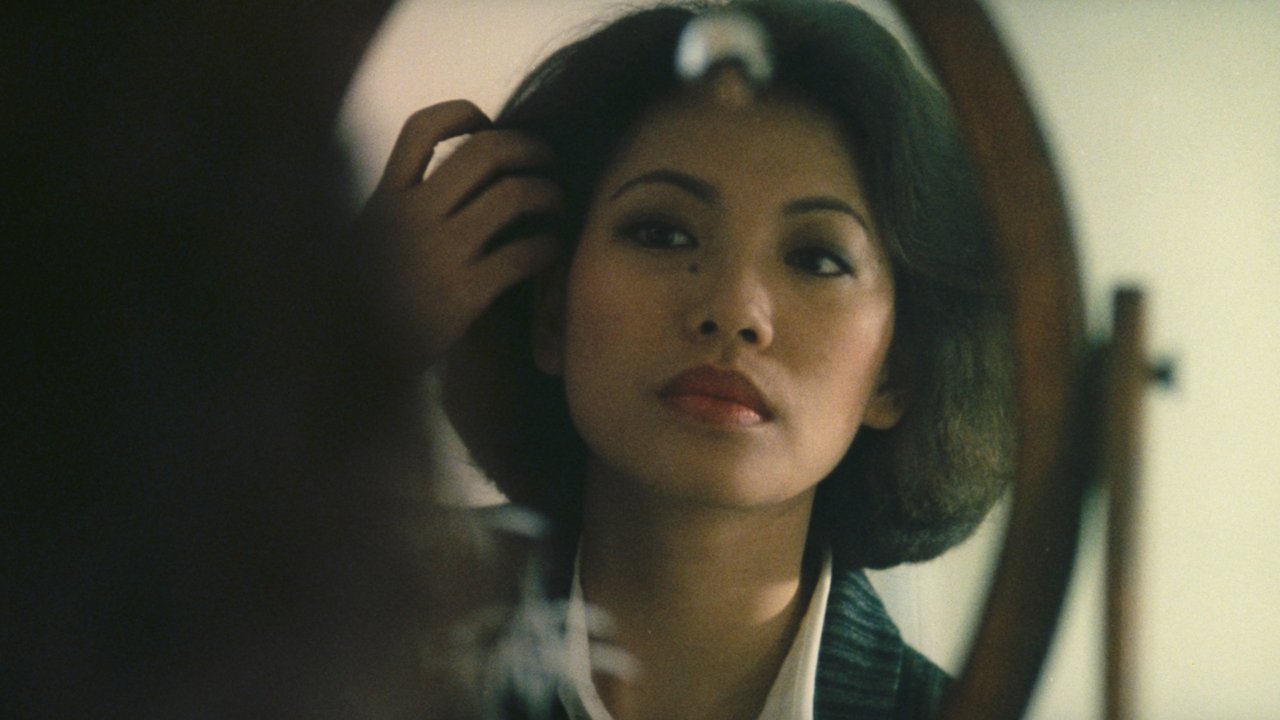
Tsai Chin is equally compelling as Chin. She navigates the complexities of a modern woman striving for independence in a society still grappling with traditional gender roles. Her ambition bumps against a profound sense of loneliness, a feeling that her drive isolates her even as it propels her forward. The scenes between Chin and Lung are often exercises in restraint, filled with the pauses and missed cues that define a relationship losing its anchor. Their silences speak volumes about the growing chasm between them, a gap filled by the relentless noise of the changing city outside their window. It's a testament to both actors, and Yang's direction, that their quiet struggles feel so authentic and deeply human.
### A Director's Vision
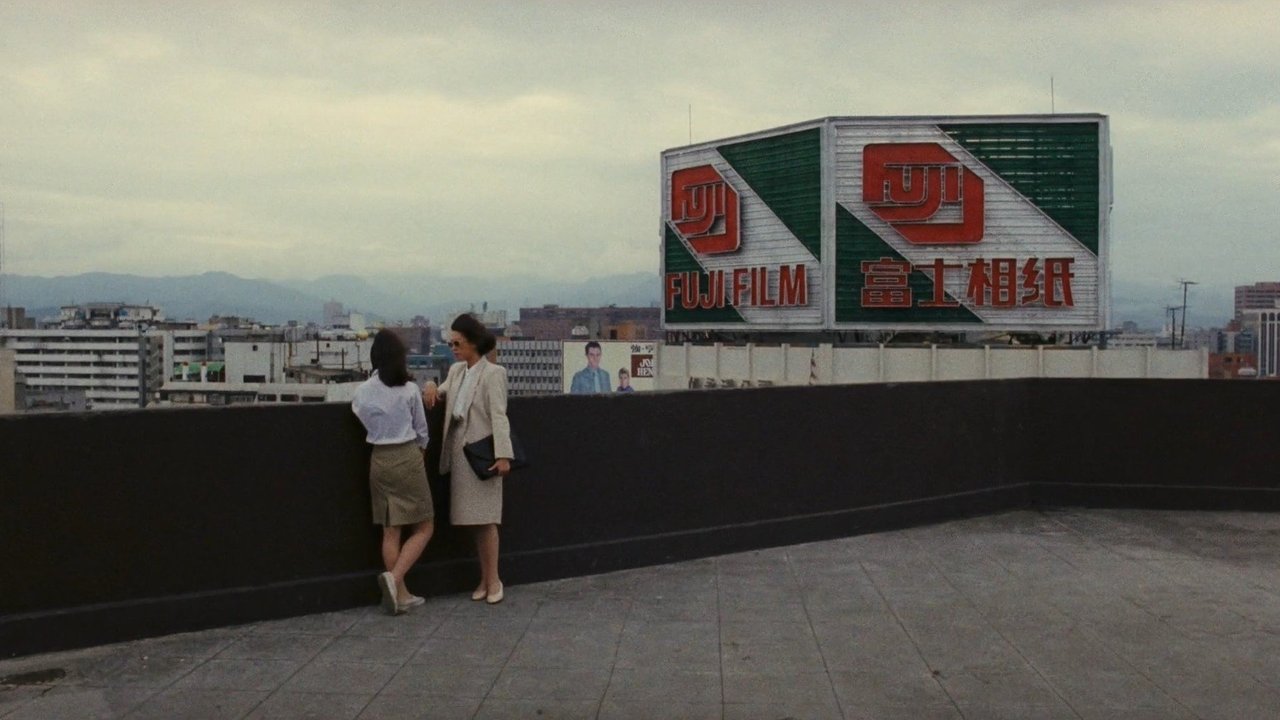
Edward Yang crafts the film with a deliberate, observational style. His compositions often frame characters against the backdrop of the urban landscape, emphasizing their smallness or their disconnect from their environment. He uses long takes, allowing scenes to unfold naturally, forcing the viewer to sit with the characters in their moments of quiet contemplation or unspoken tension. There's a subtle beauty in the way he captures the light – the neon glow of night reflecting on wet streets, the harsh fluorescent glare of modern offices, the softer light of older apartments. It's a visual language that perfectly complements the film's themes of transition and alienation.
It's worth noting that Taipei Story was made during a pivotal moment for Taiwanese cinema. Yang, Hou, and others were forging a new cinematic identity, moving away from melodrama and genre formulas towards a more realistic, socially conscious, and artistically ambitious form of filmmaking. These films often faced funding challenges and weren't immediate commercial hits, but their impact was profound. Taipei Story itself wasn't widely seen internationally until years later, thanks in part to restoration efforts, notably by Martin Scorsese’s World Cinema Project in 2017, which brought its quiet power to a new generation. Seeing it now feels like uncovering a crucial piece of cinema history, one that speaks with unnerving clarity across the decades.
### Lingering Echoes
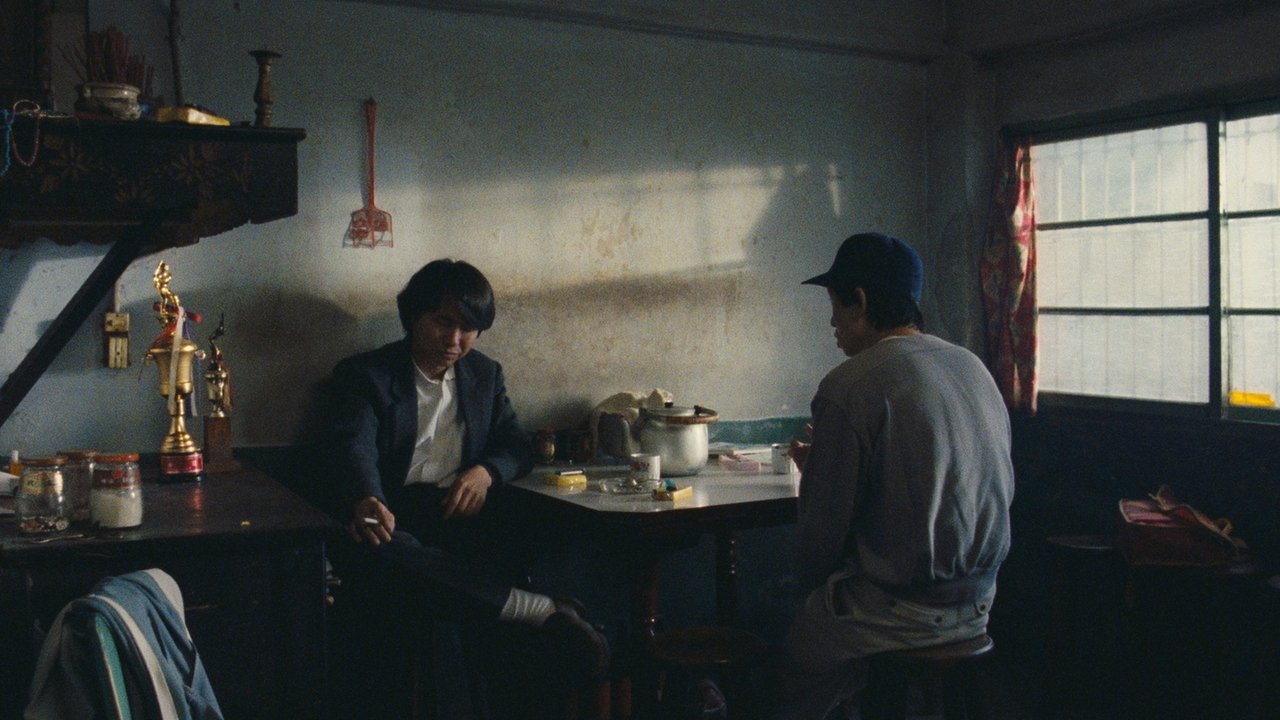
What stays with you after Taipei Story ends? It’s the pervasive sense of melancholy, the feeling of lives lived in the ellipses. It’s the image of Lung standing dwarfed by the burgeoning cityscape, or Chin looking out from a sterile office window. It doesn't offer easy answers or neat resolutions. Instead, it asks us to consider the human cost of progress, the ways we connect and disconnect in rapidly changing environments, and the ghosts of the past that shape our present. Does the promise of the future inevitably require sacrificing parts of ourselves? The film doesn’t preach, but it leaves you pondering these questions long after the credits roll. It’s a snapshot of a specific time and place, yet its exploration of displacement, modernity, and the search for meaning feels utterly timeless.
Rating: 9/10
This rating reflects the film's masterful direction, its pitch-perfect performances capturing profound emotional nuance, and its resonant thematic depth. Yang's deliberate pacing and observational style create an atmosphere thick with unspoken feeling, perfectly portraying the anxieties of urban transformation and personal drift. While its meditative pace might not suit all viewers, its artistry and insight are undeniable, solidifying its place as a key work of the Taiwanese New Wave and a poignant reflection on modern life. It’s a film that doesn’t just show Taipei in the 80s; it lets you feel its pulse, its growing pains, and the quiet heartache of its inhabitants.