Some films aim to resolve, to neatly tie up loose ends and send you out into the night feeling settled. Others, like Keith Gordon's Waking the Dead (2000), are content to leave you adrift in a sea of ambiguity, haunted by questions that linger long after the screen goes dark. It’s a film that burrows under your skin, less concerned with definitive answers than with the messy, often painful territory of memory, obsession, and the ghosts – real or imagined – that shape our lives.
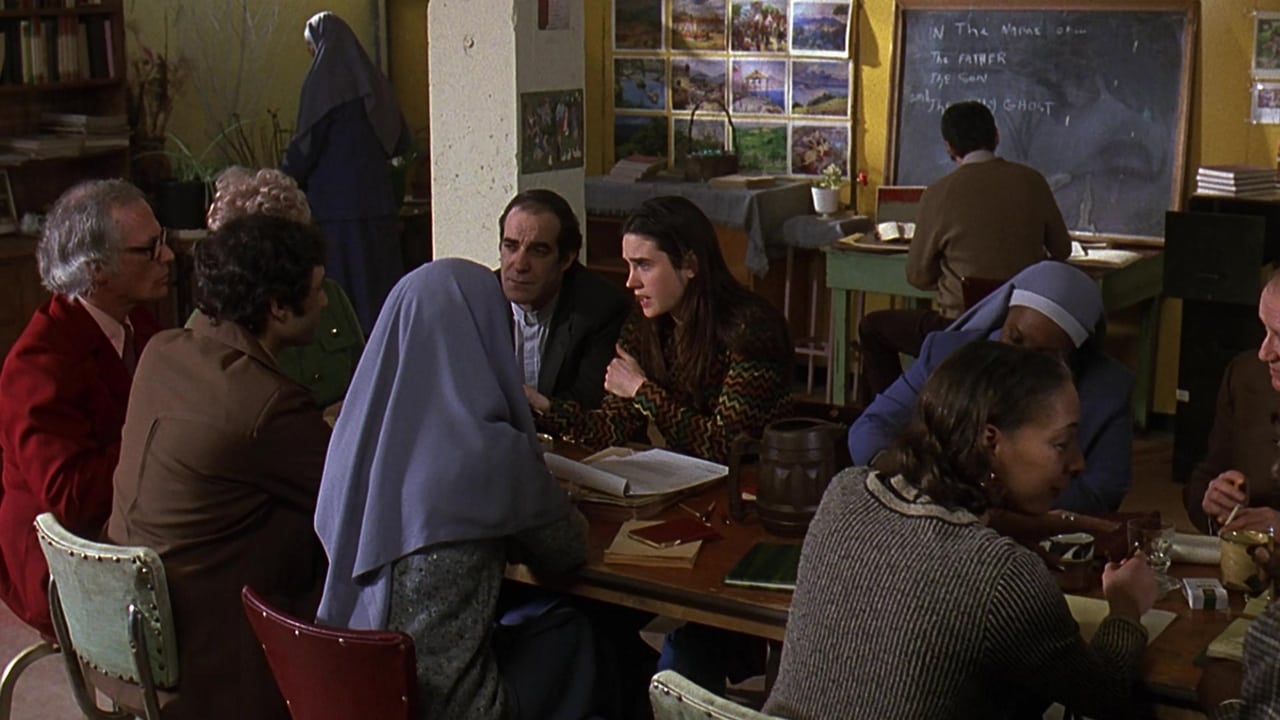
Based on the 1986 novel by Scott Spencer, the film introduces us to Fielding Pierce, portrayed with a simmering intensity by Billy Crudup. It’s 1982, and Fielding is on the cusp of a congressional run, a promising political career meticulously built on ambition and careful calculation. But his upward trajectory is violently disrupted by visions – or are they visitations? – of Sarah Williams (Jennifer Connelly), the passionate, fiercely idealistic activist lover who supposedly died in a car bombing targeting Chilean dissidents back in 1974. Is Sarah somehow alive, or is Fielding’s carefully constructed world finally cracking under the immense pressure of grief and suppressed guilt?
Echoes of a Passionate Past
The film masterfully interweaves two distinct timelines. We see Fielding and Sarah’s initial meeting and whirlwind romance in the early 70s, a period captured with a sense of vibrant, almost doomed intensity. Their connection is palpable, electric, yet fraught with the fundamental differences in their approaches to changing the world. Fielding, the pragmatic Coast Guard officer turned law student, believes in working within the system. Sarah, a magnetic force of nature, embraces radical action and sacrifice. Gordon, himself an actor in films like Christine (1983) before turning director with thoughtful works like A Midnight Clear (1992), uses these flashbacks not just for exposition, but to paint a portrait of a love that was as consuming as it was potentially destructive. The chemistry between Crudup and Connelly here is undeniable; you believe entirely in the force that binds them, even as you see the seeds of future conflict.
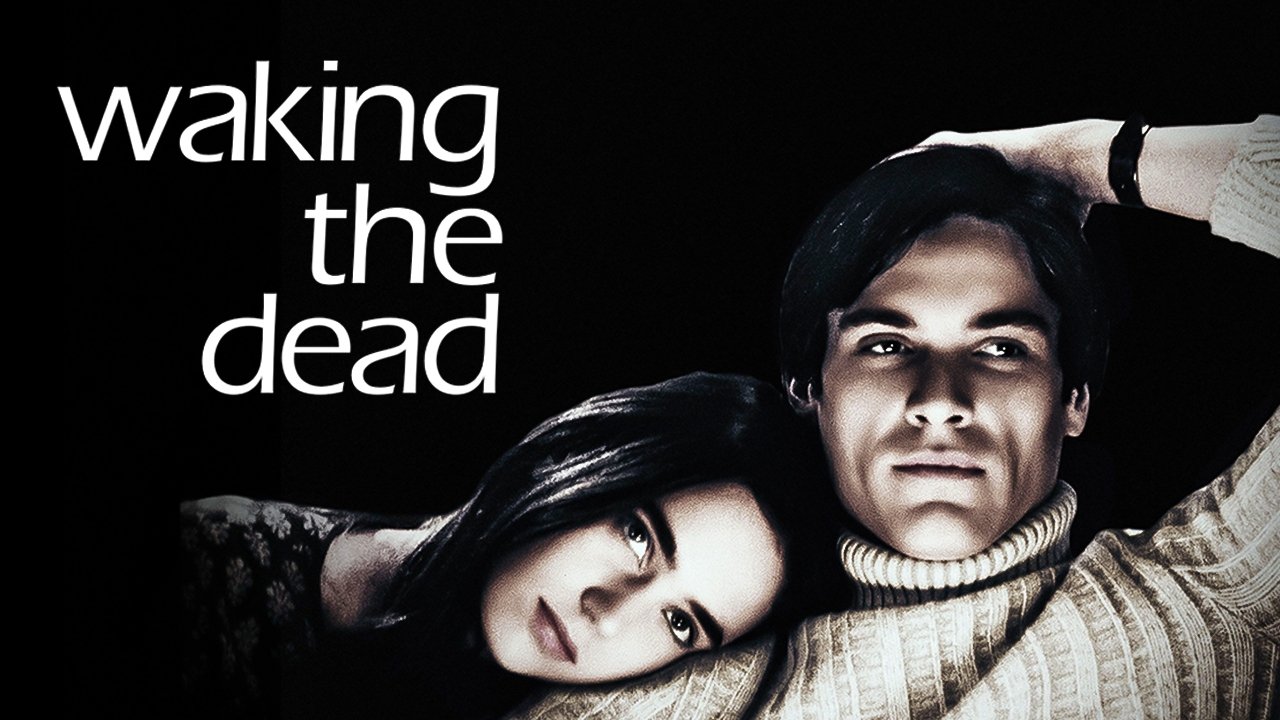
It's fascinating to see Jennifer Connelly in this role, caught between her earlier, more ethereal screen presence in films like Labyrinth (1986) and the demanding dramatic work like Requiem for a Dream (released the same year as Waking the Dead). She embodies Sarah’s fierce conviction perfectly, making her both an object of longing for Fielding and a believable political firebrand whose commitment feels absolute. You understand why her loss, or the idea of her loss, would leave such an indelible mark.
The Weight of What Remains
Contrasting sharply with the sun-drenched idealism (and turmoil) of the 70s is the colder, more shadowed world of Fielding’s 1980s reality. As he navigates campaign strategy sessions and political glad-handing, the potential reappearance of Sarah throws his life into chaos. Billy Crudup carries this timeline with exceptional nuance. He isn’t just playing a man haunted; he’s playing a man terrified of being haunted, desperate to maintain control even as his grip slips. Is he losing his mind? Or is he clinging to a ghost because the alternative – accepting her death and the compromises he's made since – is unbearable? The film wisely refuses easy answers. Molly Parker, as Fielding's supportive but increasingly concerned sister-in-law, offers a grounding perspective, representing the stable, conventional life Fielding aspires to, yet seems incapable of fully embracing.
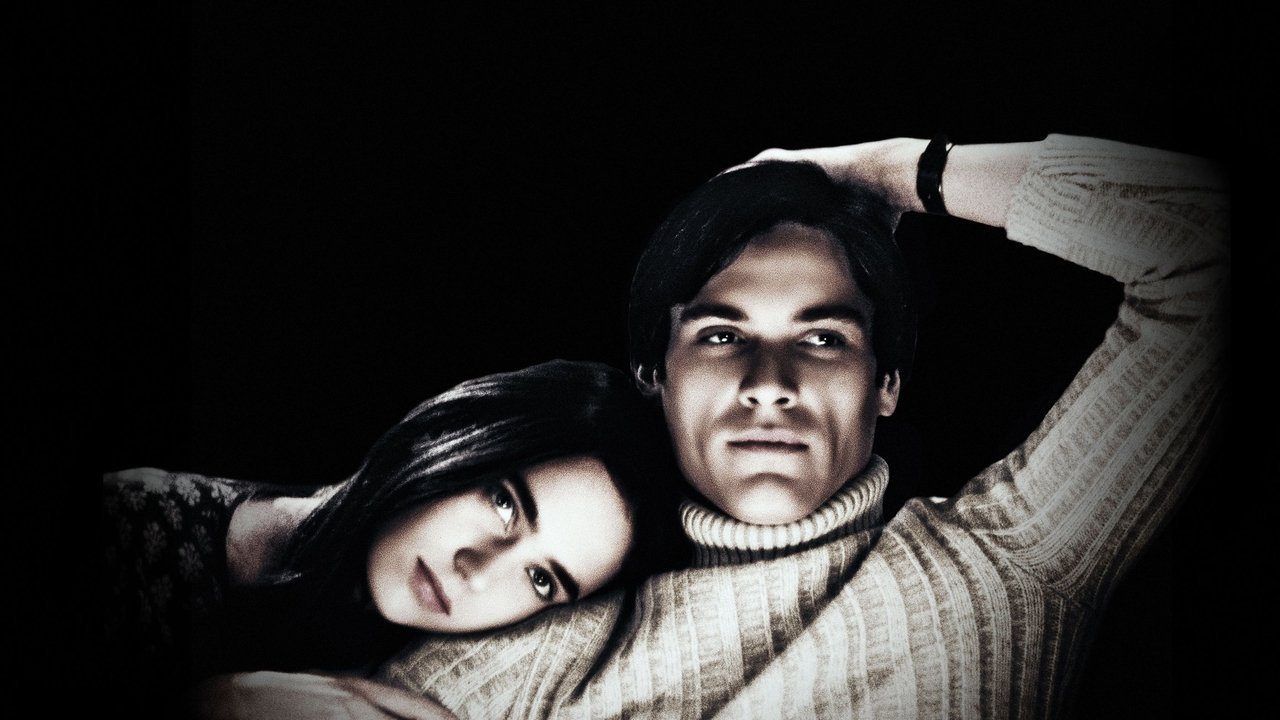
Filmed largely on location in Montreal for a relatively modest $8.5 million, the production has an intimate, focused feel. There are no grand conspiracy mechanics here. The tension is almost entirely internal, residing within Fielding’s fractured psyche. Gordon prioritizes atmosphere and performance over plot pyrotechnics, allowing the emotional weight of the story to resonate. This isn’t a political thriller in the traditional sense, though politics form the backdrop; it's a deep dive into the labyrinth of grief and the ways love can become an obsession that blurs the lines of reality.
A Discovery Worth Making
Waking the Dead wasn't a box office smash, and its challenging ambiguity likely divided audiences upon its limited release (Roger Ebert was a notable champion, giving it 3.5 stars). Yet, watching it now, it feels like precisely the kind of discovery that made browsing the aisles of a good video store (or, by 2000, the DVD shelves) so rewarding. It’s a film that demands patience and engagement, offering not easy catharsis but a profound meditation on how the past informs, and sometimes infects, the present. What does it mean to truly lose someone? And what happens when the possibility arises, however faint, that they might not be lost after all? The film probes the compromises inherent in ambition – political or personal – and asks whether idealism, once extinguished, can ever truly be reignited.
The performances are key. Crudup masterfully charts Fielding's descent from confident candidate to desperate, unraveling man. Connelly creates a figure so vivid and compelling that her spectral presence feels entirely earned. Their scenes together, across both timelines, crackle with an energy that fuels the film's central mystery.
Rating: 8/10
This score reflects the film's powerful performances, its evocative atmosphere, and its courageous commitment to thematic depth and ambiguity. While its deliberate pace and refusal to provide simple answers might frustrate some viewers, Waking the Dead achieves a haunting resonance precisely because of these qualities. It excels as a character study wrapped in a psychological mystery, anchored by career-highlight work from Crudup and Connelly.
It leaves you turning over its possibilities, questioning Fielding’s perception, Sarah’s fate, and perhaps even the ghosts lingering in your own past. What truly haunts us more: the memory of what we lost, or the hope, however fragile, that it might somehow return?