Sometimes, a film doesn't just tell a story; it peels back layers of time and memory right before your eyes, demanding you bear witness. Such is the case with John Greyson's 1996 Canadian drama, Lilies (original French title: Les Feluettes). Forget the usual blockbuster fare you might grab off the shelf; this VHS discovery, likely nestled in the quieter "Drama" or "World Cinema" section of the rental store back in the day, offered something far more intricate and emotionally potent. It begins with a summons: Bishop Bilodeau (Marcel Sabourin) is called to a prison to hear the confession of a dying inmate, Simon (Aubert Pallascio), a man he knew decades ago. But this is no ordinary confession. It's a performance, a meticulously staged play enacted by the prisoners, designed to force the Bishop to confront a shared, devastating past.

A Play Within a Prison
Based on the acclaimed stage play by Michel Marc Bouchard, who also adapted it for the screen, Lilies retains a powerful sense of theatricality. This isn't a flaw; it's the film's core conceit. The stark prison walls become a backdrop for events unfolding in lush, sun-dappled Quebec countryside in 1912, recreated through memory and performance. Greyson masterfully navigates this complex structure, using the prisoners' reenactment not just as a framing device, but as an active force within the narrative. We watch the prisoners embody the youthful versions of Simon, Vallier, and Bilodeau, their performances occasionally breaking the fourth wall of the play-within-a-play, reminding us of the layers of interpretation and the unreliability of memory itself. It’s a daring structure that could easily buckle, but Greyson, known for his bold and often politically charged work, handles it with haunting elegance. It’s fascinating how this structure mirrors the very act of recalling faded memories – fragmented, stylized, and intensely focused on key emotional moments.
Love Blooming Against the Odds
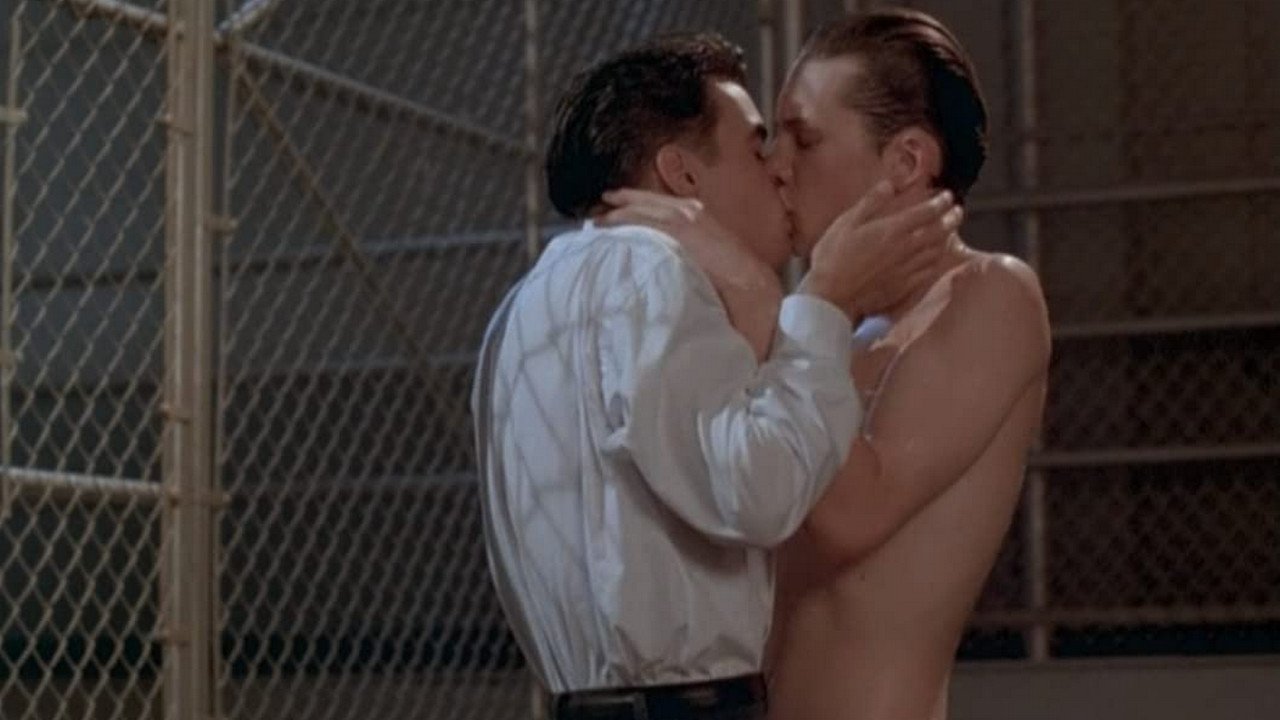
At the heart of the 1912 story, brought vividly to life by the inmates, is the passionate, forbidden love between young Simon Doucet (portrayed within the prison play primarily by Brent Carver, pulling double duty with astonishing depth) and Count Vallier de Tilly (played with ethereal sensitivity by Matthew Ferguson, via the inmate actor Rémy Girard). Their connection is electric, a tender and desperate defiance against the suffocating conventions and religious dogma of their time. Their clandestine meetings, stolen moments often set against the backdrop of another play (this one religious, ironically), feel both achingly romantic and perilously fragile. Watching them, you feel the weight of the era pressing down, the constant threat of discovery. What does it mean to love so intensely when the world around you deems that love unnatural, even sinful? The film doesn't shy away from the raw physicality and emotional vulnerability of their bond.
Echoes of Truth and Performance
The performances are uniformly exceptional, crucial for navigating the film's nested realities. Brent Carver, a towering figure in Canadian theatre sadly no longer with us, is simply magnetic. He embodies the youthful Simon's passion and poetry through the prisoner playing him, while also suggesting the weariness and long-nurtured secrets of the older Simon orchestrating this confrontation from the sidelines. The interplay between the older Simon watching the play and the prisoner embodying his younger self creates a fascinating dialogue across time. Marcel Sabourin as the Bishop is a study in crumbling composure, the past literally playing out before him, forcing cracks into his carefully constructed piety. The actors playing the younger Bilodeau (Danny Gilmore via inmate actor Jason Cadieux) capture the jealousy and repressed desire that set the tragedy in motion. It's a testament to the ensemble that we fully invest in both the 1912 story and the 1952 prison performance simultaneously.

From Stage to Screen Splendor
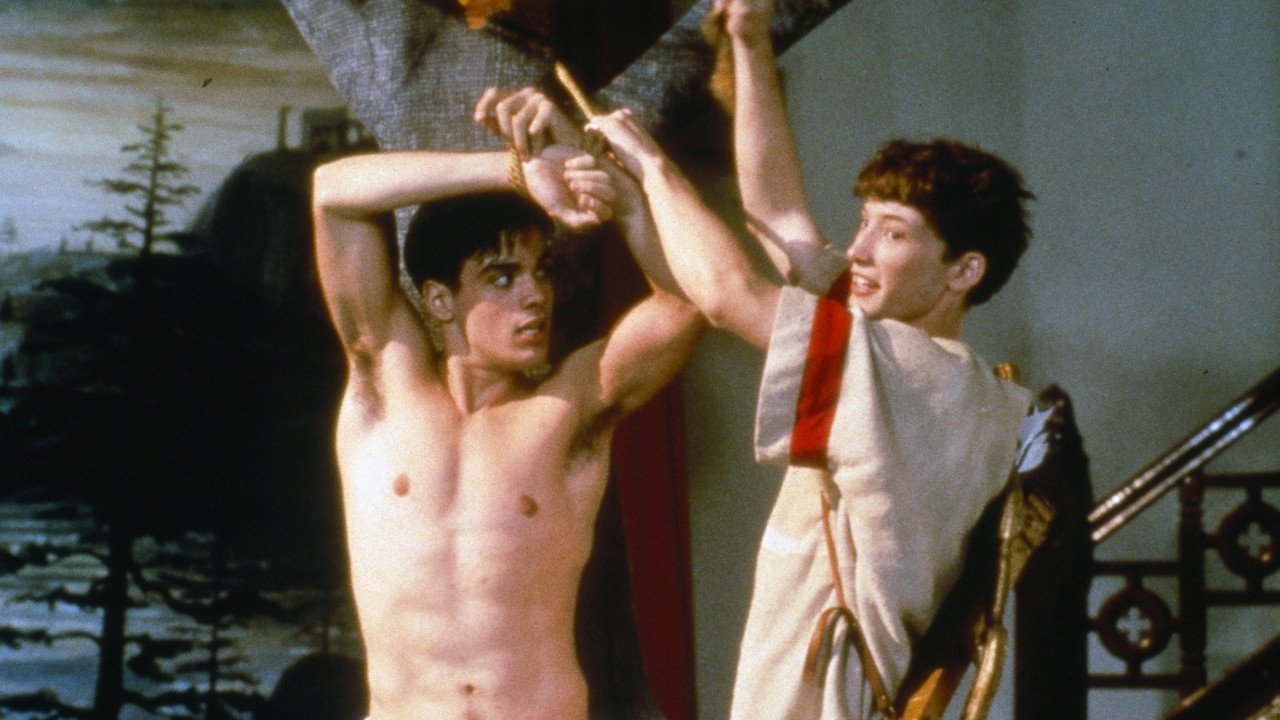
Adapting such a layered play is never simple, but Lilies largely succeeds by embracing its theatrical roots rather than trying to entirely disguise them. The film swept the Genie Awards (Canada's equivalent of the Oscars) that year, deservedly winning Best Motion Picture, Best Direction for Greyson, and several acting nominations. While specific budget details are scarce, as is often the case with Canadian indie films of the era, its artistic ambition clearly transcended any financial limitations. The production design carefully delineates the different time periods, contrasting the austere prison with the almost dreamlike quality of the 1912 flashbacks, filmed beautifully in Quebec. The symbolism of the lilies themselves – representing purity, love, death, and perhaps even martyrdom – permeates the film, a recurring motif that deepens the sense of tragic romance. This wasn't just another drama; it felt like discovering a hidden piece of art on tape, something crafted with intelligence and profound feeling.
Lilies is a demanding film, asking the viewer to engage with its structure and unravel its truths alongside the characters. It explores the enduring power of love, the devastating consequences of lies and repression, and the way memory can be both a prison and a path to liberation. It forces us to question: can truth, once buried, ever truly be unearthed? And what is the cost of confronting it after decades of silence?

Rating: 9/10
This score reflects the film's stunning ambition, its powerful performances (especially Brent Carver's), John Greyson's masterful direction of a complex narrative structure, and its haunting emotional resonance. It's a near-perfect translation of a challenging play, losing perhaps only a tiny fraction of the stage's immediacy but gaining cinematic scope and intimacy. A true gem of 90s Canadian and LGBTQ+ cinema.
For those seeking more than just surface-level entertainment from their retro finds, Lilies offers a deep, rewarding, and ultimately unforgettable experience – a poignant reminder that some stories, like the most persistent flowers, will find their way to the light, no matter how long they've been buried.