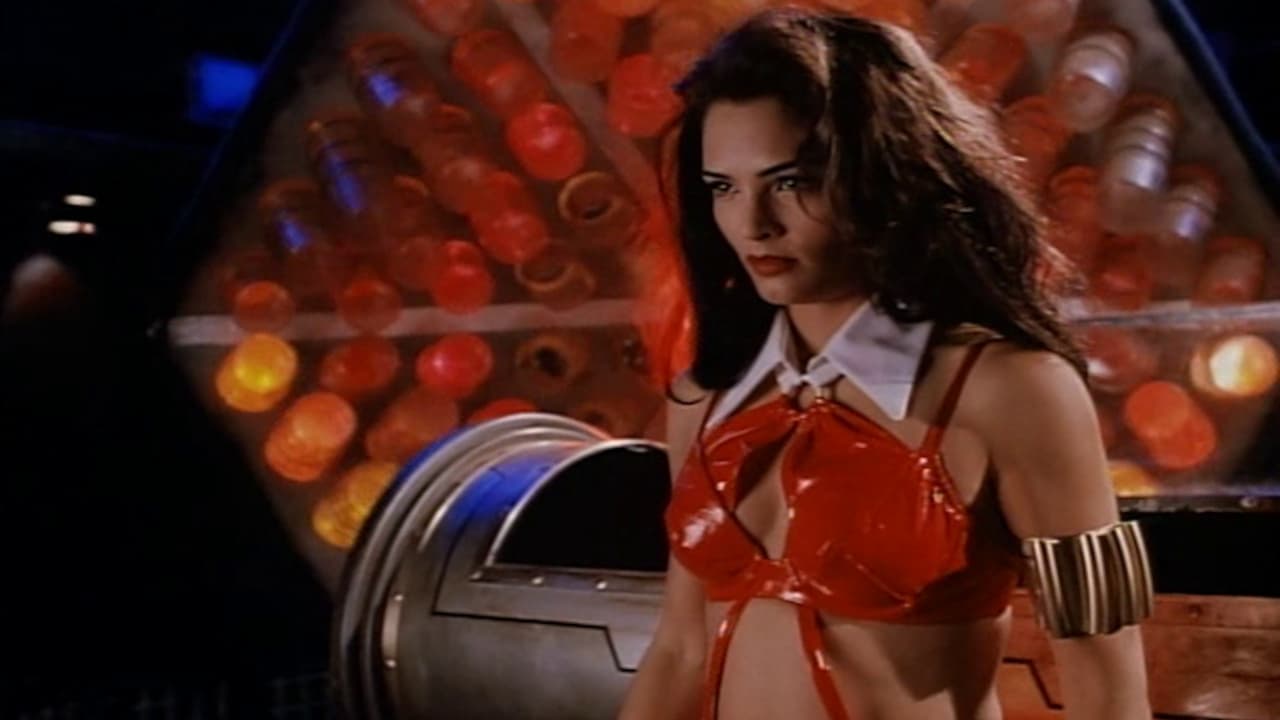
Alright, fellow tape travelers, let’s rewind to a time when comic book movies weren’t billion-dollar behemoths, but often strange, ambitious, and slightly threadbare creatures lurking in the direct-to-video section. Remember stumbling across a cover that promised something wild, something maybe a little… off? That’s the exact vibe radiating from the 1996 adaptation of Vampirella. Seeing that iconic, if slightly impractical, red costume on a VHS box was enough to make anyone familiar with the cult comic character do a double-take. Could they really pull this off?
### From Pulpy Pages to Vegas Nights
For those who didn't worship at the altar of Warren Publishing or Harris Comics, Vampirella is an alien vampire from the planet Drakulon, where blood flows like water. Fleeing her dying world, she lands on Earth, only to find our vampires are a twisted, evil breed descended from Vlad Tepes himself. The movie, helmed by the legendary king of fast-and-furious B-movies, Jim Wynorski (the man behind such video store staples as Chopping Mall (1986) and The Return of Swamp Thing (1989)), attempts to bring this pulpy goodness to life.
The plot sees Vampi, played by Talisa Soto (fresh off kicking tail as Kitana in 1995’s Mortal Kombat), hunting down Vlad (here going by the alias Jamie Blood), who murdered her father back on Drakulon. Vlad, now masquerading as a rock star/illusionist in Las Vegas – because where else? – is plotting something nefarious involving synthetic blood and world domination, or something equally vague and sinister. It’s all wonderfully, unashamedly 90s DTV fodder. The script, penned by Gary Gerani (who also gave us the genuinely unsettling Pumpkinhead (1988), proving his genre chops), feels like it’s trying to juggle cosmic horror, superheroics, and Vegas cheese on a shoestring budget.
### Soto's Stare, Daltrey's Dilemma
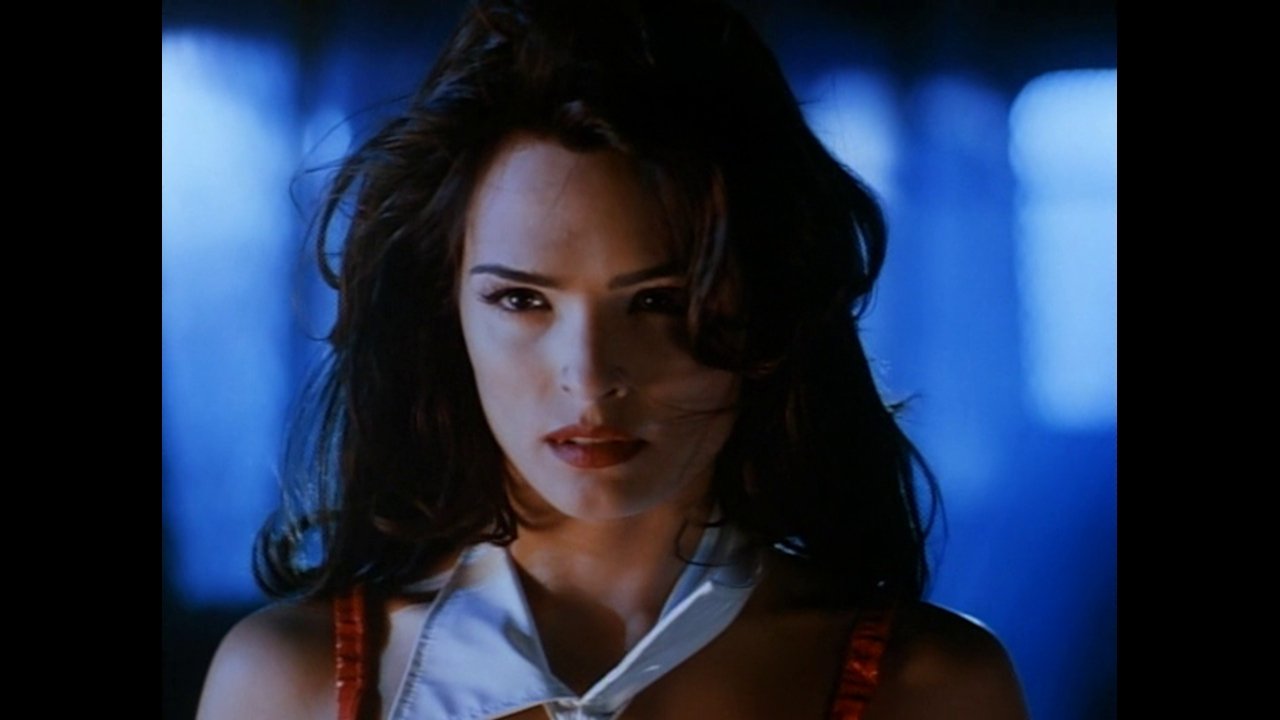
Talisa Soto certainly looks the part. She embodies the stoic, otherworldly beauty of Vampirella, nailing the character's iconic stare. While the dialogue sometimes forces her into flat deliveries, she carries the role with a certain grace that rises above the material. She reportedly took the role seriously, studying the comics to understand the character beyond just the skimpy outfit. It's an earnest performance trapped in a film that can't quite match its ambition.
And then there’s Roger Daltrey. Yes, that Roger Daltrey, the legendary frontman of The Who, camping it up as the centuries-old vampire Vlad/Jamie Blood. It's... a choice. Daltrey commits, chewing scenery with the gusto of a man who knows exactly what kind of movie he’s in. Is it good? Is it bad? It's certainly memorable, adding a layer of delightful absurdity. Was he maybe channeling some of his Tommy energy? Seeing him strut around in vaguely rock-god attire while plotting vampiric schemes is one of the film's undeniable, if baffling, highlights. Supporting actor Richard Joseph Paul as Adam Van Helsing, the descendant of the famous vampire hunter now leading a shadowy government agency, does his best as Vampi’s human liaison, providing exposition and looking concerned.
### The Wynorski Touch: Speed and Scenery
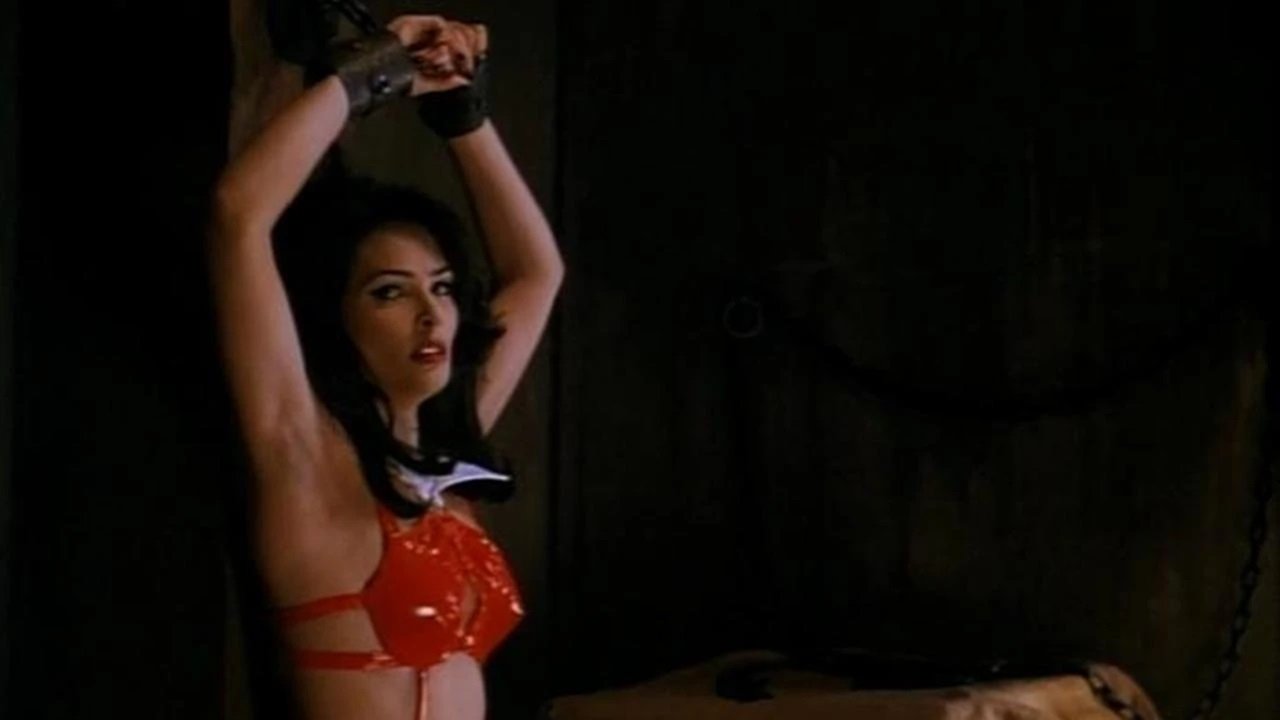
This being a Jim Wynorski picture, produced under the famously frugal eye of Roger Corman's Concorde-New Horizons banner, you know what to expect: quick setups, economical action, and making the most of available locations. Filming primarily in Las Vegas adds a certain cheap glamour that actually suits the plot. You can almost feel the constraints – the action scenes are functional rather than spectacular, relying more on quick cuts and dramatic posing than complex choreography or expensive effects. There's a certain charm to this kind of filmmaking, a "get it done" energy that defined so much of the DTV era.
Let's talk effects. Forget slick CGI – this is the realm of practical, sometimes endearingly clunky, effects. Vampire transformations involve coloured contact lenses and maybe some prosthetic teeth. Energy blasts look like they were rotoscoped in during a long weekend. Remember how those laser effects looked back then? They had a certain weight, didn't they? Even if they weren’t entirely convincing, they felt tangible in a way modern digital perfection sometimes lacks. There’s a scene involving Vlad’s synthesized blood that aims for body horror but lands closer to B-movie weirdness. It’s all part of the package. This film was reportedly hampered by significant budget cuts after initial plans for a bigger theatrical release fell through, which likely explains some of the visual limitations.
### A Cult Curio's Fate
Upon release – straight to video shelves and late-night cable – Vampirella didn't exactly set the world on fire. Comic fans were largely disappointed, feeling it failed to capture the dark, sensual, and often satirical tone of the source material. Critics, if they noticed it at all, were generally unkind. It quickly faded into the background noise of countless other DTV genre flicks.
Yet, viewed through the hazy lens of VHS nostalgia, Vampirella holds a certain fascination. It’s a relic of a time before comic book adaptations became meticulously planned corporate events. It’s earnest, it’s goofy, it features a rock legend hamming it up, and Talisa Soto gives it her all. It’s a film born of limitations, but one that still tried to deliver something based on a beloved, albeit niche, character.
Rating: 3.5 / 10
Justification: The score reflects the film's undeniable technical and narrative shortcomings – awkward pacing, low-budget constraints evident in action and effects, and some truly baffling creative choices (hello, Roger Daltrey). However, it avoids a lower score due to Talisa Soto's committed performance, the inherent camp value, its status as a fascinatingly flawed piece of 90s comic book adaptation history, and the sheer nostalgic curiosity it evokes for VHS hunters. It's not "good" by conventional metrics, but it's a specific flavour of bad that fans of the era might find weirdly watchable.
Final Thought: Vampirella is the movie equivalent of finding a dusty but colourful comic book in a bargain bin – flawed, maybe a little faded, but a weirdly compelling snapshot of low-budget ambition from the days when superheroes (and anti-heroines) played by different, stranger rules on tape. Handle with care, and maybe a sense of humour.