The silhouette cuts a lonely figure against a bruised, perpetual twilight sky. Wide-brimmed hat, flowing cape, a sword longer than seems practical – this isn't your typical gunslinger, though the landscape feels hauntingly like a desiccated Old West. No, this is the year 12,090 A.D., and the lone rider is D, a dhampir, hunting the creatures that plunged the world into darkness centuries ago. Watching Vampire Hunter D (1985) on a flickering CRT back in the day felt like uncovering forbidden knowledge, a stark, beautiful nightmare beamed directly from a future dreamt by way of Bram Stoker and H.R. Giger.
A World Drowned in Night
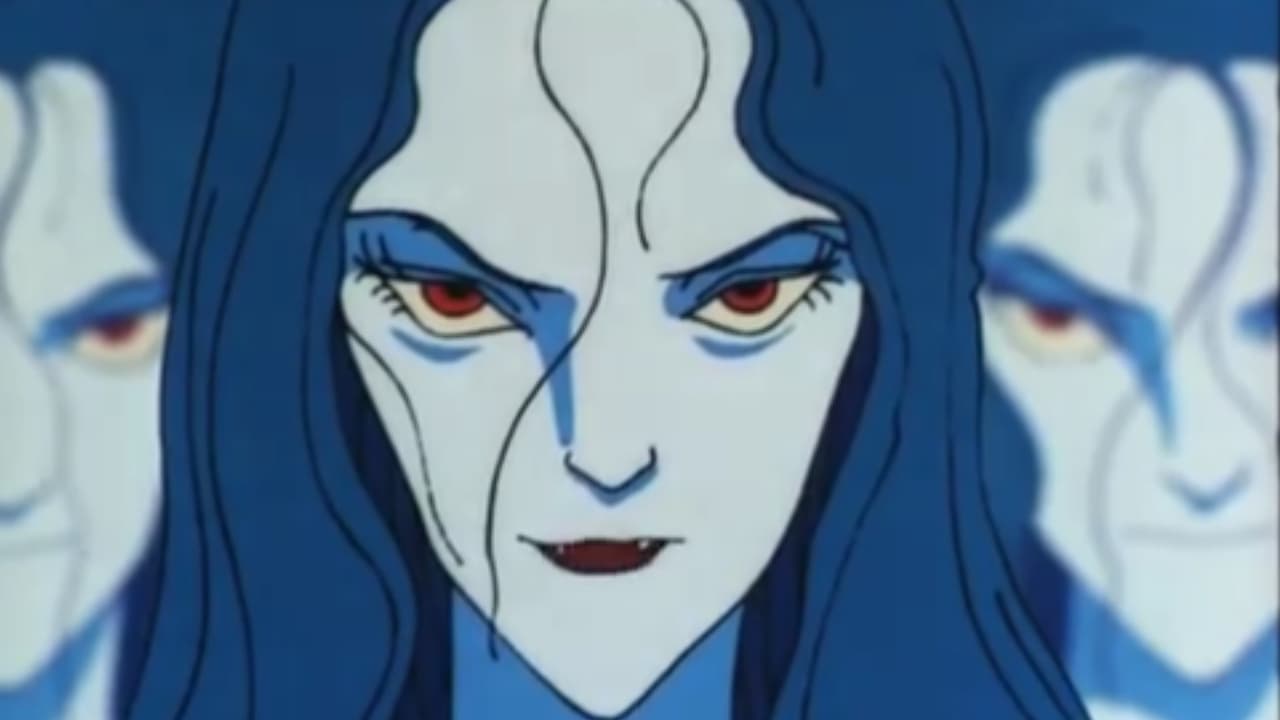
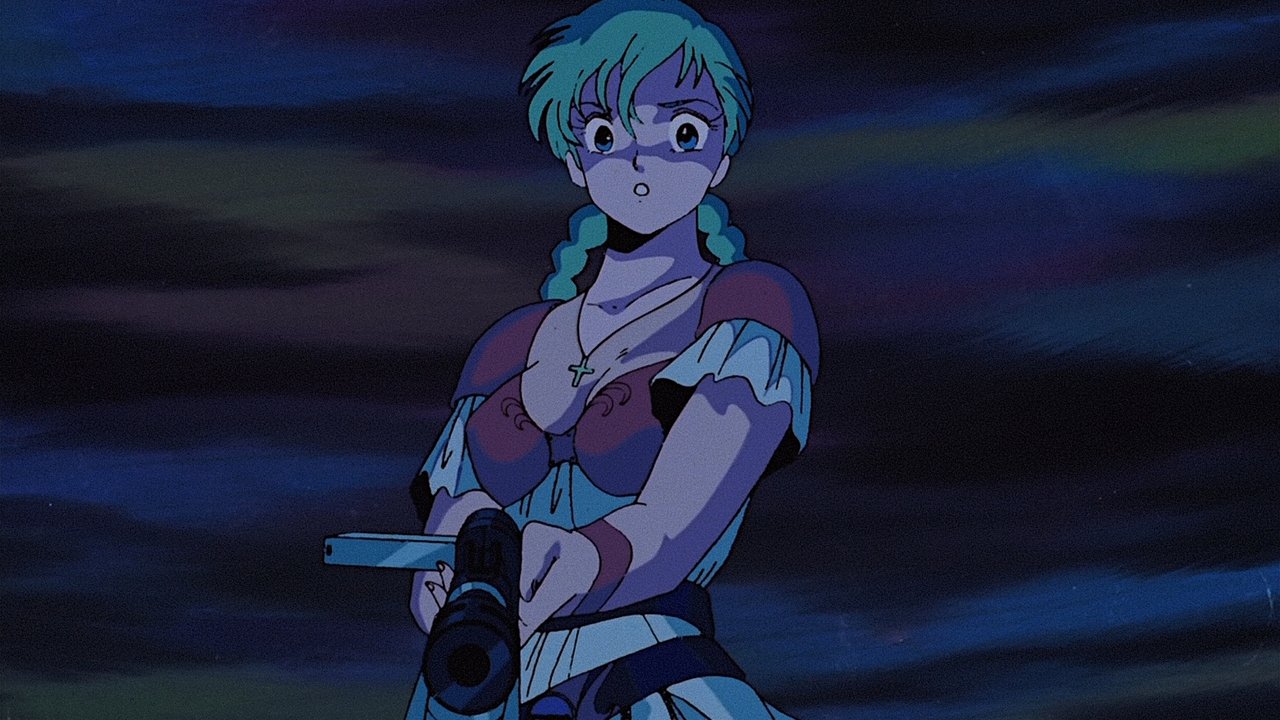
Forget the cheerful, primary-colored animation that dominated Saturday mornings. Vampire Hunter D, directed by Toyoo Ashida (who later brought us the hyper-violent Fist of the North Star movie in 1986), adapted from the first of Hideyuki Kikuchi's long-running, influential light novel series, was something else. It dropped viewers into a post-apocalyptic world where humanity huddles in frightened communities, lorded over by ancient, decadent Nobles – vampires – and plagued by grotesque mutants. When the powerful Count Magnus Lee (voiced with chilling gravitas by Seizō Katō) singles out the fetching farm girl Doris Lang (Michie Tomizawa) as his newest bride, her only hope lies in hiring the enigmatic D (Kaneto Shiozawa). What follows is less a straightforward rescue mission and more a descent into gothic horror, sci-fi weirdness, and surprisingly poignant melancholy.
Elegance Forged in Darkness
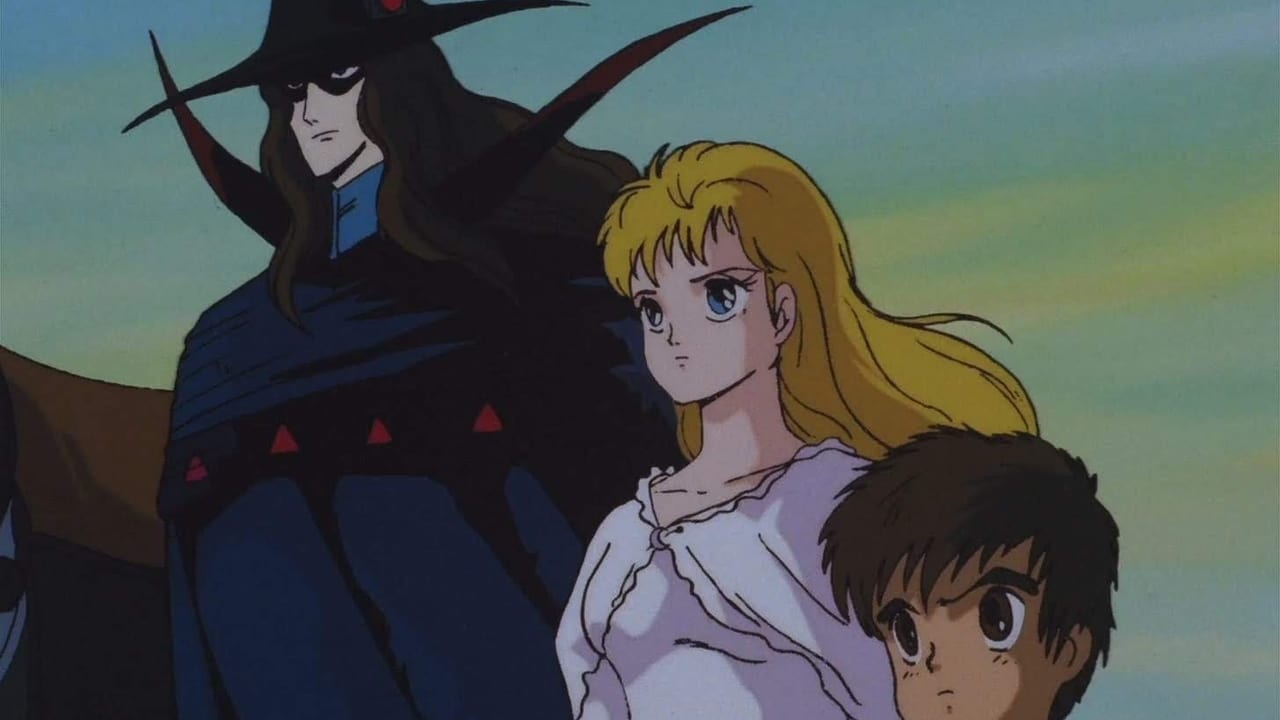
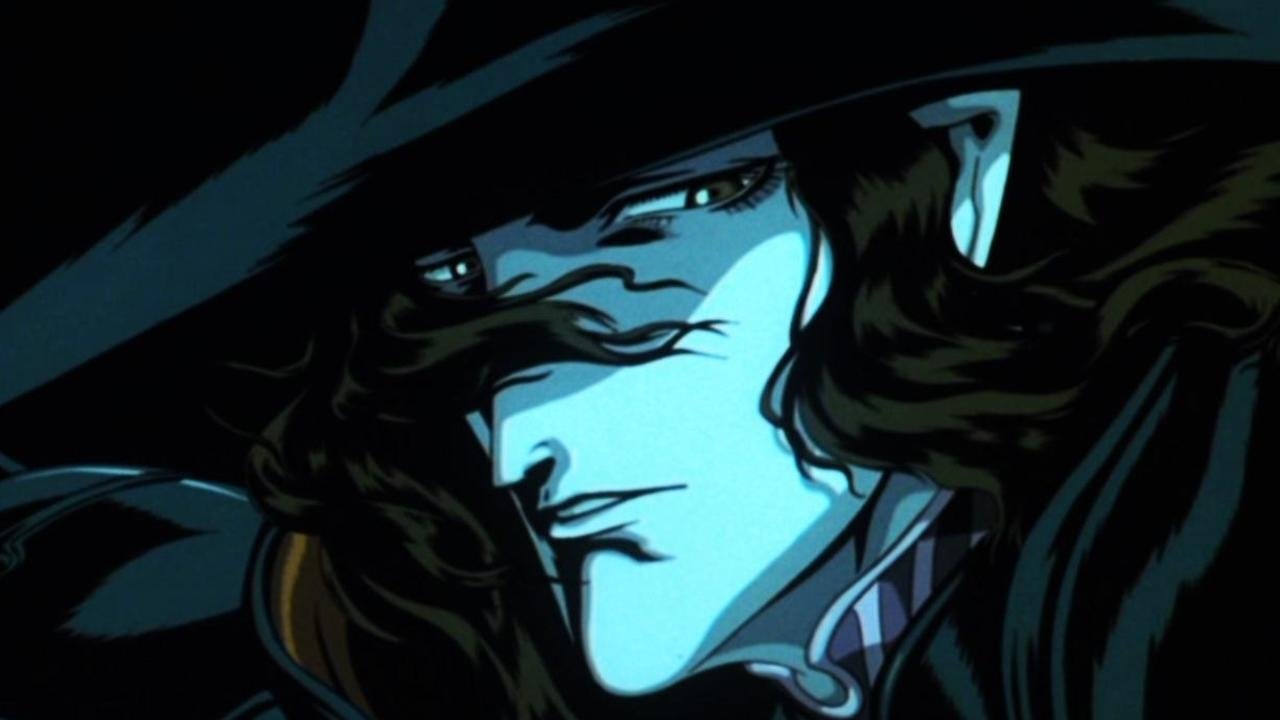
What truly sets Vampire Hunter D apart, even now, is its visual signature, largely derived from the breathtaking conceptual artwork of Yoshitaka Amano. Yes, that Yoshitaka Amano, whose ethereal, flowing designs would later become synonymous with the Final Fantasy video game series. His influence permeates every frame – the impossibly slender D, the baroque monstrosities, the decaying grandeur of Count Lee’s castle. While the animation itself, typical of an 80s Original Video Animation (OVA), can be limited – moments of stiffness punctuated by bursts of kinetic violence – Amano's underlying designs lend the film an unparalleled artistic pedigree. It’s a look that feels both ancient and futuristic, capturing the story’s unique blend of medieval horror and far-future tech (cyborg horses, anyone?). Reportedly, translating Amano’s intricate, almost watercolour-like illustrations into workable animation cells was a significant challenge for Ashida's team, forcing creative compromises that nevertheless resulted in a singularly memorable aesthetic.
Whispers on the Tape
This film was, for many North American viewers, a gateway drug. Released on VHS by Streamline Pictures, often found tucked away in the back of video stores, Vampire Hunter D represented a thrillingly adult form of animation few knew existed. The English dub, while earnest, possessed that slightly stilted, dramatic quality common to early anime localizations – something that only adds to the nostalgic charm for many of us who wore out our tapes. D’s quiet stoicism, Doris’s determination, the sneering menace of Count Lee, and the incessant, often darkly humorous commentary from D's sentient Left Hand parasite… these voices became iconic parts of the experience. Did anyone else spend hours trying to figure out exactly what Left Hand was supposed to be? The score, too, a blend of synthesizers and orchestral swells, perfectly underscored the film's eerie, desolate mood.
Monsters and Melancholy
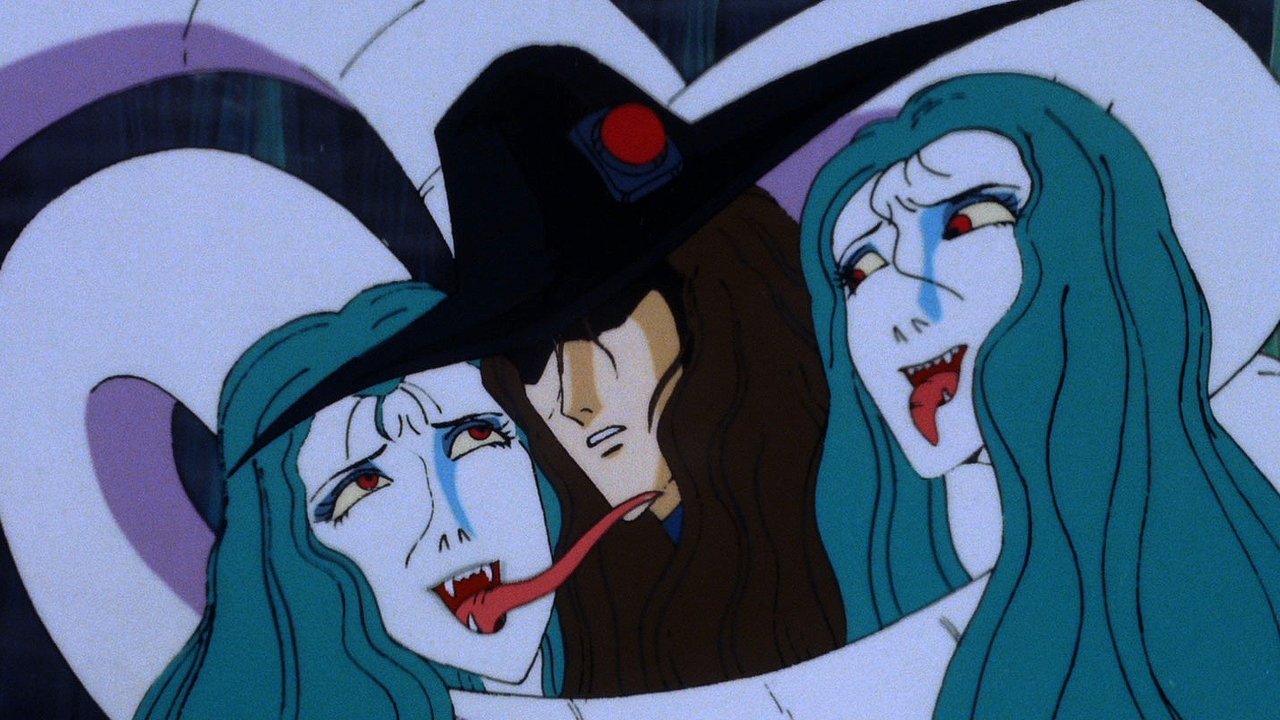
Beyond the stylish violence and creature feature elements, there's a surprising depth to Vampire Hunter D. D himself is a tragic figure, forever caught between the human world he protects and the vampire heritage he despises. He’s impossibly powerful yet profoundly isolated. The film touches on themes of prejudice, loneliness, and the corrupting nature of power, giving the pulpy premise a weight that lingers. The mutants serving Count Lee aren't just obstacles; they possess their own strange codes and motivations, adding texture to this blighted world. Remember Rei Ginsei, the teleporting swordsman, or the grotesque Golem? Their designs felt genuinely unsettling back then, a far cry from typical cartoon villains. This wasn't just about scares; it was about a pervasive sense of loss and decay.
A Legacy Cast in Shadow
Vampire Hunter D wasn't a massive blockbuster, but its cultural footprint, particularly in the West, is undeniable. It helped prove there was an audience for mature, complex animated stories, paving the way for countless other titles. Its specific blend of gothic horror, sci-fi, and Western tropes remains influential. While the animation shows its age compared to the lavish, fluid visuals of its 2000 sequel, Vampire Hunter D: Bloodlust (itself a fantastic film), the 1985 original retains a raw, potent power. It’s a time capsule of a specific moment in anime history, when creativity flourished even under budget constraints, delivering something genuinely unique and atmospheric.
Rating: 8/10
This score reflects Vampire Hunter D's groundbreaking status, its unforgettable visual style courtesy of Amano, and its potent blend of gothic horror and sci-fi action that felt revolutionary on VHS. The atmosphere is thick enough to cut with D's sword, and the central character remains an iconic figure in anime. Points are deducted primarily for the animation limitations inherent to its era and budget, which can occasionally undercut the fluidity of action, and a plot that, while evocative, feels somewhat episodic compared to modern standards.
It’s a film that feels like a half-remembered dream – beautiful, dangerous, and tinged with sadness. For those of us who discovered it lurking on a dusty video store shelf, Vampire Hunter D wasn't just a movie; it was an initiation into a darker, more wondrous world of animation. And that chill? It still lingers.