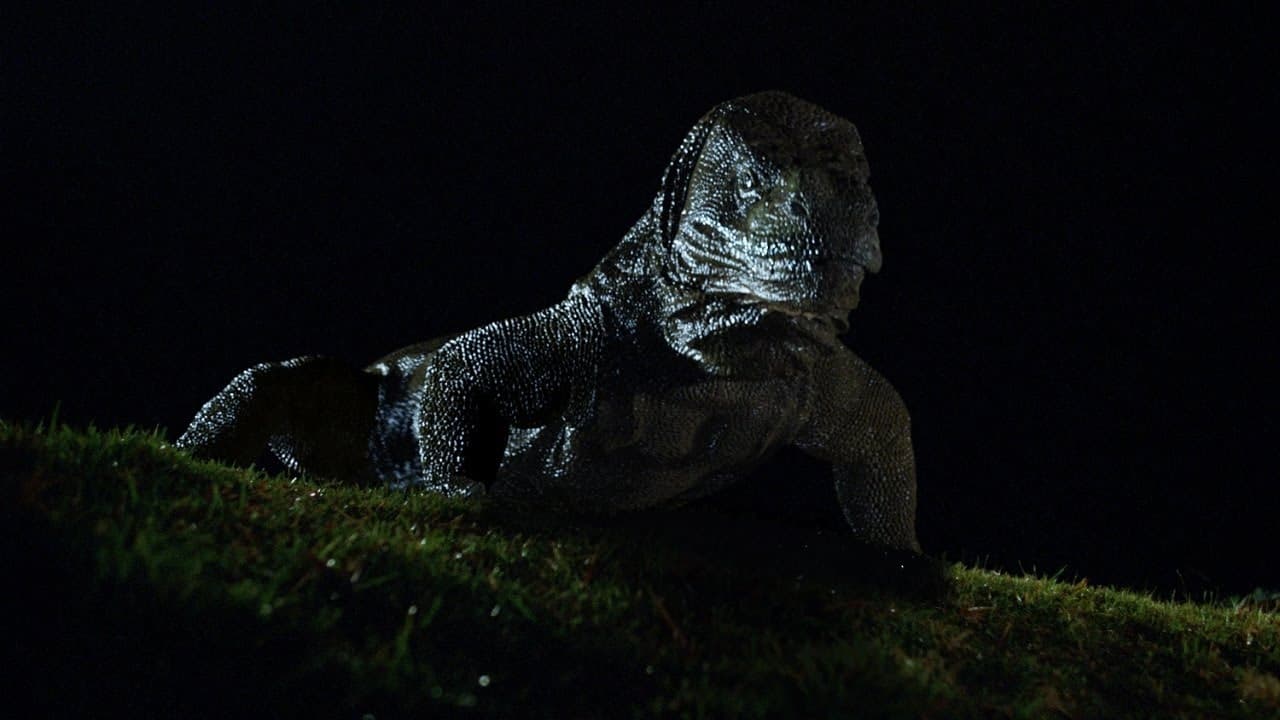
The promotional art often depicted sun-drenched shores, hinting at tropical paradise. But Komodo, unleashed near the tail end of the 90s creature feature resurgence, understood that the brightest light casts the darkest shadows. Beneath the deceptive calm of Emerald Isle lurks a primal dread, a scuttling, scaled terror born not of nature's whims, but human carelessness – a familiar, chilling echo from countless drive-in nightmares and late-night cable horrors. It’s a film that wraps itself in the humid atmosphere of isolation, reminding us that sometimes, paradise bites back.
Island of Lost Souls
The setup is steeped in trauma. Young Patrick Connally (Kevin Zegers) witnesses the gruesome death of his parents (and dog, let’s not forget the dog) on a remote North Carolina island, victims of unseen predators. Years later, plagued by nightmares and survivor's guilt, he's brought back by his psychiatrist, Dr. Victoria Juno (Jill Hennessy, bringing a grounded presence familiar from her Law & Order days). Their reluctant ferryman is the cynical Oates (Billy Burke, years before finding vampiric fame in Twilight), who just wants his fare and to get off this rock. Naturally, the island isn't empty. The Komodo dragons, mutated or simply hyper-aggressive thanks to some ill-defined ecological meddling involving improperly disposed eggs, are still there, bigger, meaner, and decidedly hungry. What follows is a desperate fight for survival against ancient predators thriving in an unnervingly modern nightmare.
Creature Comforts (and Discomforts)
Here's where Komodo gets interesting, particularly for fans who appreciate the craft behind the creatures. The film arrived in 1999, a transitional period for visual effects. While CGI was becoming more prevalent, practical effects still held significant sway, especially in mid-budget horror. Overseeing the mayhem was director Michael Lantieri, a name legendary not for directing, but for his phenomenal special effects work. This is the man who helped bring the dinosaurs of Jurassic Park (1993) to life, earning an Oscar for his efforts, and worked magic on films like Back to the Future Part II (1989) and Hook (1991). His pedigree promised something special for the film's star attractions.
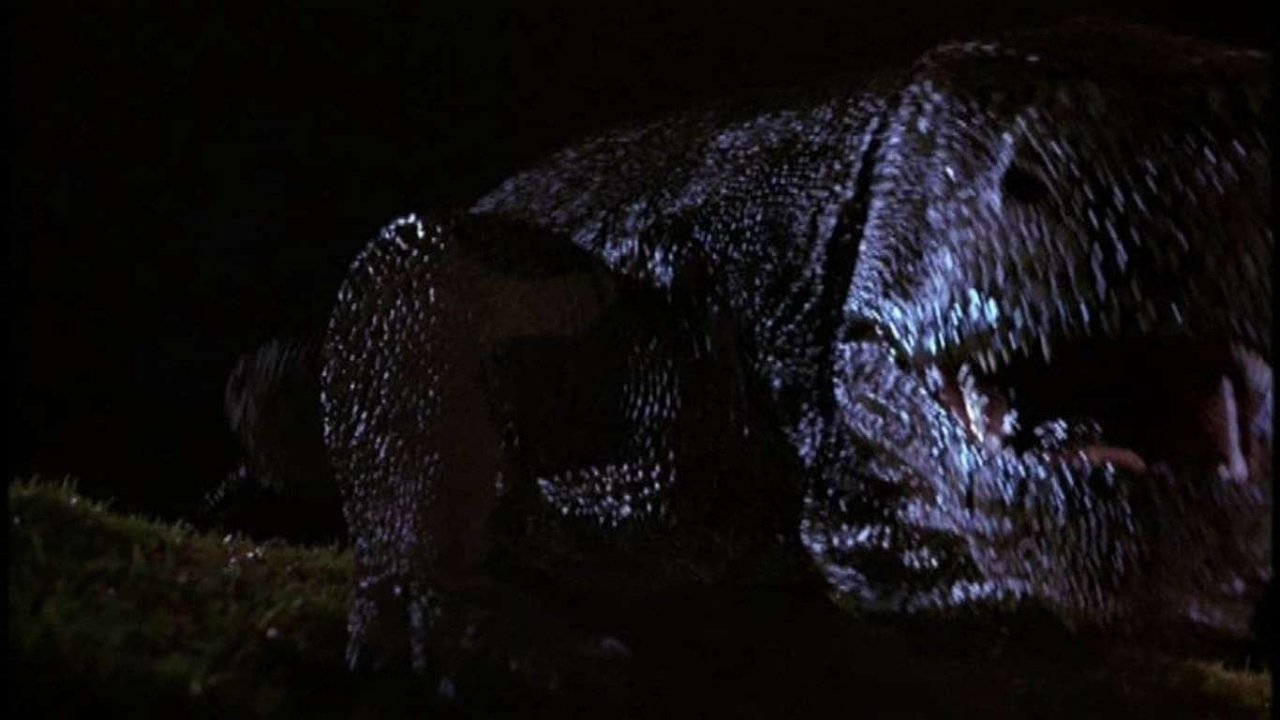
Does it deliver? Mostly. The Komodo dragons are brought to life through a blend of animatronics and CGI. The practical puppets, often seen in close-ups or partial shots, possess a tangible weight and menace that CGI of the era often struggled to replicate convincingly on this budget. There’s a visceral quality to the saliva-dripping jaws and the texture of their scales. However, the digital doubles, particularly in wider shots or during faster movements, haven't aged quite as gracefully. They exhibit that slightly floaty, disconnected look common in late-90s CGI, sometimes undercutting the tension built by their practical counterparts. Still, Lantieri clearly understands how to frame and light his creatures for maximum impact, often favouring shadow and suggestion over full, brightly lit reveals, a classic technique that serves the film well. Reportedly, Lantieri pushed hard for practical effects wherever possible, drawing directly on his Jurassic Park experience, wanting that physical presence on set for the actors to react to – a decision that grounds the reptilian threat effectively, even when the digital seams show.
Atmosphere Over Ambition

While the plot treads familiar ground – isolated group, relentless monsters, dwindling hope – Komodo generates a decent amount of sweaty-palmed tension. Lantieri, in his directorial debut, focuses on atmosphere. The lush, humid setting (filmed in Queensland, Australia) becomes claustrophobic, the dense foliage a constant screen for unseen threats. The score by John Debney contributes effectively, leaning into suspenseful strings and sudden jolts. The film doesn’t aim for deep thematic resonance; its goal is straightforward survival horror, and within those parameters, it often succeeds. It taps into that primal fear of reptiles, of cold-blooded hunters that operate on pure instinct. Doesn't the low-angle shot tracking through the undergrowth still send a shiver down your spine?
The human element is serviceable, if not particularly deep. Hennessy provides a capable anchor as the concerned doctor, Burke delivers the necessary cynical foil who inevitably rises to the occasion, and Zegers effectively portrays the traumatized youth forced to confront his past. They react believably to the escalating terror, selling the threat even when the script offers them little more than running, hiding, and occasional bursts of exposition. It’s lean storytelling, focused squarely on the monstrous encounters.
Echoes on the Rental Shelf
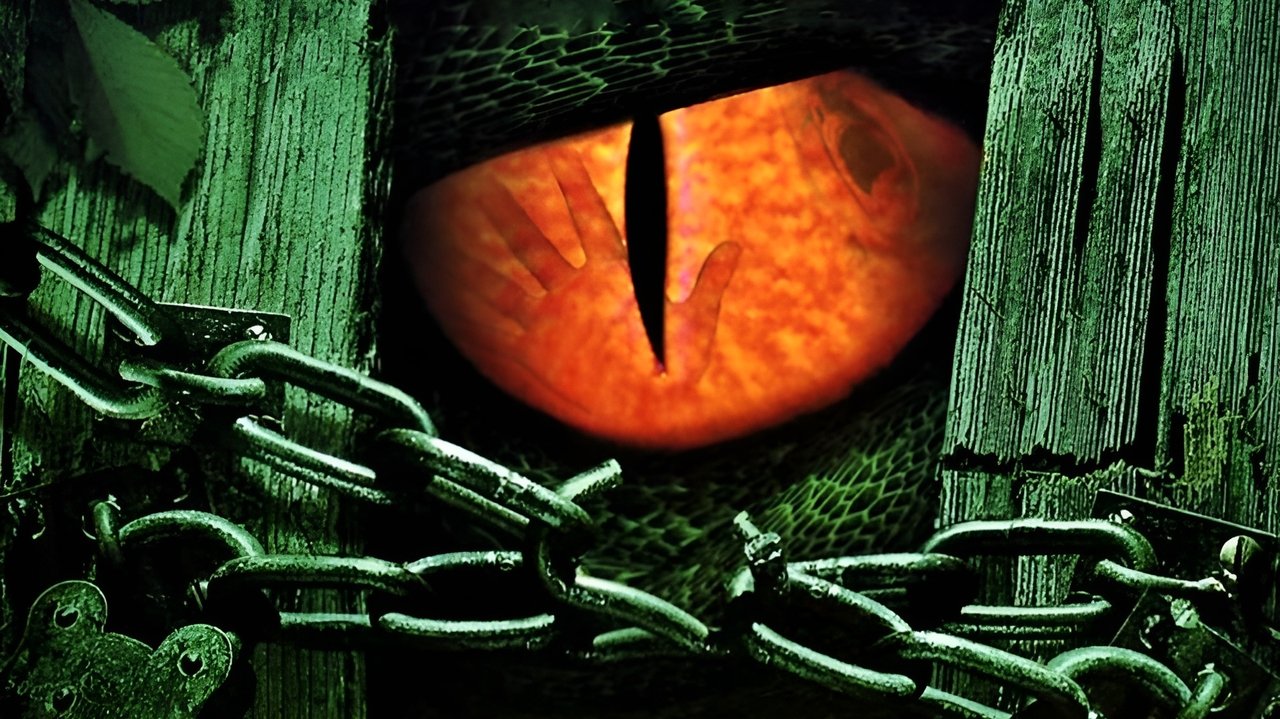
Komodo landed amidst a wave of similar creature features like Anaconda (1997) and Lake Placid (1999), films that blended scares with varying degrees of action and sometimes, black humour. Komodo plays it straighter than most, aiming more for suspense than spectacle or laughs. It likely found its true home not in wide theatrical release (its box office was minimal, around $128k according to IMDb, on an estimated $10 million budget), but nestled on the 'New Releases' wall of Blockbuster or Hollywood Video. I distinctly remember the VHS cover art, promising reptilian terror that felt grittier, somehow more grounded than its glossier contemporaries. It wasn't a top-tier rental, perhaps, but a solid second or third choice when the bigger hits were checked out – the kind of movie you took a chance on and were often pleasantly surprised by its effectiveness. Its relative obscurity now only adds to its charm for collectors, a tangible piece of that late-90s straight-to-video-esque boom. It even spawned a notoriously low-budget SyFy channel sequel, Komodo vs. Cobra (2005), further cementing its cult B-movie status.
Rating & Final Bite
Komodo is a straightforward, unpretentious creature feature that leverages its director's special effects background to deliver some genuinely effective practical monster moments. While hampered slightly by dated CGI and a familiar plot, its focus on atmosphere, decent pacing, and commitment to its scaly antagonists make it a worthwhile watch for fans of late-90s horror. It doesn't reinvent the wheel, but it knows how to make that wheel spin with suspense.
Rating: 5/10
It earns its score through solid practical effects work, a palpable sense of isolation, and being a competent example of its specific late-90s subgenre. It loses points for predictable plotting, sometimes dodgy CGI, and characters that serve the plot more than stand out. For VHS Heaven dwellers, Komodo remains a nostalgic, slightly rough-around-the-edges slice of creature feature comfort food – best enjoyed late at night, perhaps with the unsettling feeling that something might be rustling just outside your own window.