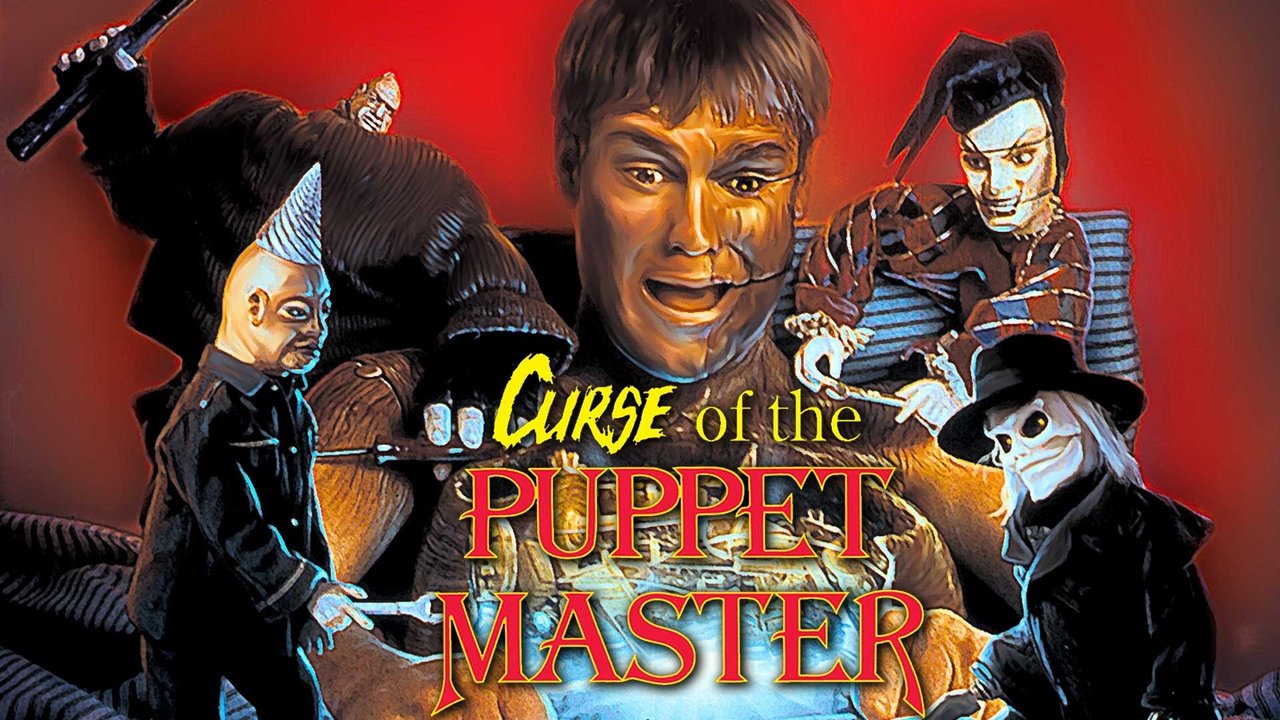
The air in the House of Marvels hangs thick and still, heavy with sawdust, desperation, and the faint, metallic tang of something far worse. It’s a place where dreams curdle, where the innocent craft of woodcarving twists into a grotesque pursuit of artificial life. Nineteen ninety-eight's Curse of the Puppet Master arrived late in the game, the sixth installment whispered onto video store shelves, carrying the weight of expectation and the creeping chill of diminishing returns. Yet, even here, deep in the franchise's winding corridors, the core concept retains a sliver of its original, unsettling power: the blank-eyed stare of a puppet given unnatural life, a vessel for malice small enough to hide in the shadows.
A Different Kind of Master
This time, Andre Toulon is long gone, a fading legend invoked by a new, perhaps more pitiable, madman. Dr. Magrew (George Peck) runs a roadside attraction, showcasing Toulon’s creations less as instruments of vengeance and more as weary performers in a dusty spectacle. Magrew isn't driven by Nazi persecution or arcane Egyptian secrets; his obsession feels smaller, sadder – a desperate attempt to replicate Toulon's animating formula, to grasp at a legacy that isn't his. George Peck leans into Magrew's fraying sanity, portraying a man whose folksy charm barely conceals a simmering, dangerous frustration. He finds a potential key in Robert "Tank" Winsley (Josh Green), a gentle giant with an uncanny talent for woodcarving, invited into the strange surrogate family alongside Magrew's daughter Jane (Emily Harrison). You watch Tank, sculpting away, oblivious, and a familiar dread coils in your stomach – the dread of innocence stumbling towards an unseen abyss.
Shadows of Past Glories
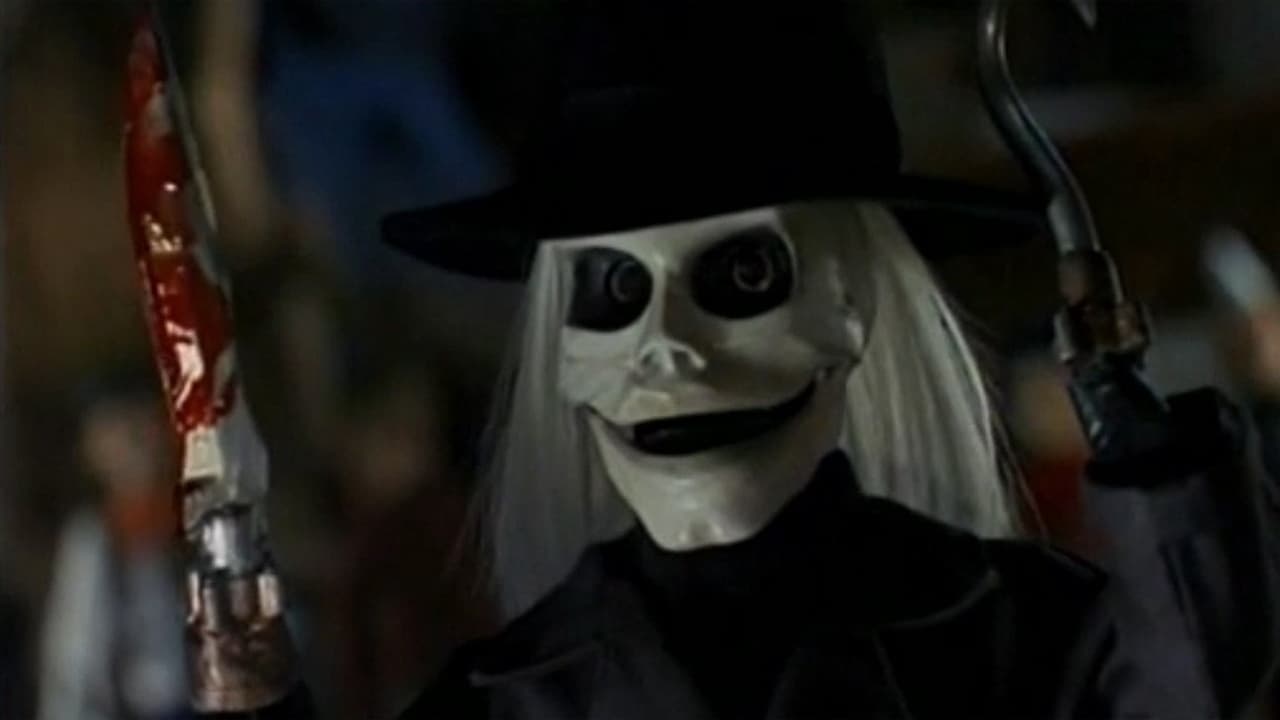
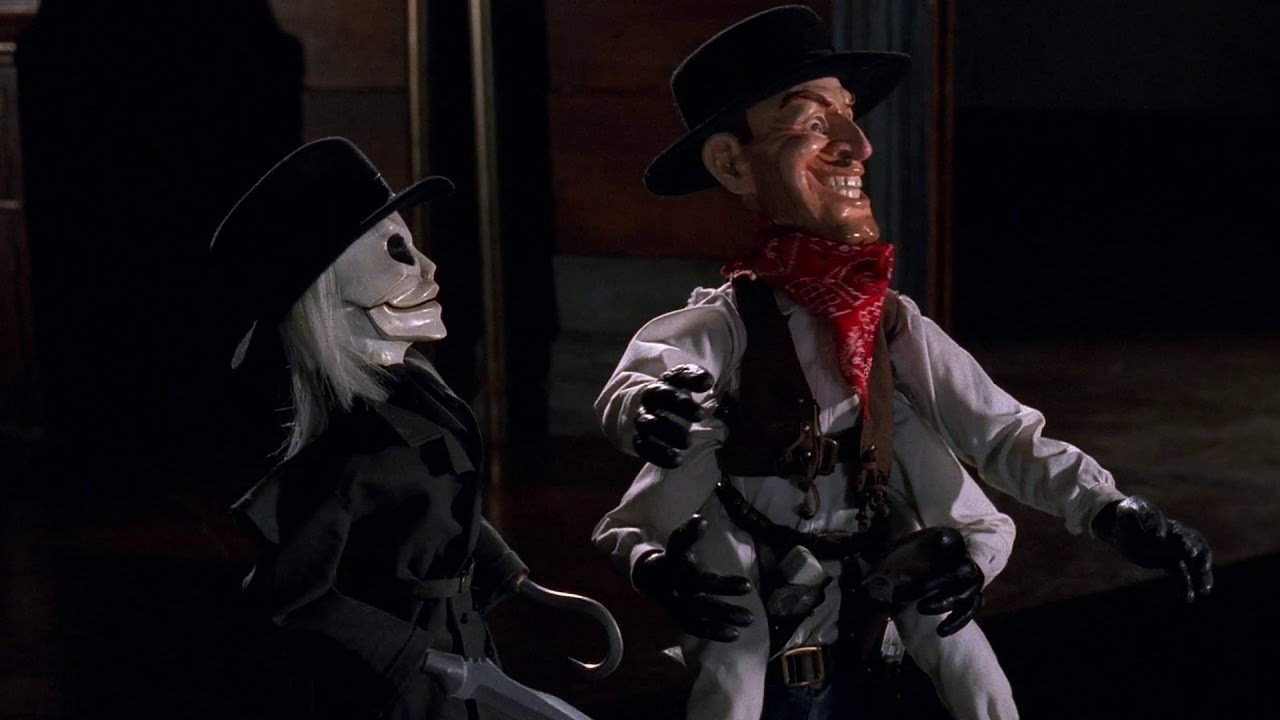
The puppets are here, of course. Blade, Jester, Pinhead, Tunneler, Leech Woman, Six-Shooter – their familiar, menacing forms are present. But something feels… off. They seem less like active participants and more like reluctant witnesses, trapped observers to Magrew’s clumsy descent. And here lies the film's most infamous "curse," a behind-the-scenes specter haunting the final product. Director David DeCoteau, a name synonymous with prolific, rapid-fire genre filmmaking for Charles Band's Full Moon Features, was working under significant constraints. To keep the gears turning on the Puppet Master machine, Curse leans heavily on stock footage recycled from previous entries – primarily Puppet Master (1989), Puppet Master II (1990), and the fourth and fifth installments.
This wasn't just a cost-saving measure; it became a defining, often jarring, feature of the film. Moments of puppet action often feel disconnected, spliced in from different narratives, different lighting, different contexts. It lends the film a disjointed, almost dreamlike quality, though likely not the kind the filmmakers intended. It's a fascinating, if frustrating, example of late-90s direct-to-video ingenuity born of necessity, a "dark legend" whispered among fans – the moment the seams of the Full Moon universe truly began to show. Remember squinting at the screen, trying to place exactly which previous movie that shot of Blade came from? It became part of the viewing experience itself.
The Atmosphere of Decay
Despite the patchwork nature forced by its reliance on old footage, DeCoteau manages to cultivate a certain low-budget, claustrophobic atmosphere. The House of Marvels feels appropriately isolated and run-down, a forgotten pocket of weirdness off some dusty highway. The film tries to build tension through Magrew's increasingly erratic behavior and Tank's growing unease, rather than relying on the puppet action (which, by necessity, is limited). The score attempts to underscore the dread, but often the most chilling aspect is simply the waiting, the anticipation of the inevitable, grotesque turn. It captures that specific late-VHS era feel – slightly grainy, dimly lit, where the limitations sometimes accidentally enhance the seediness of the setting.
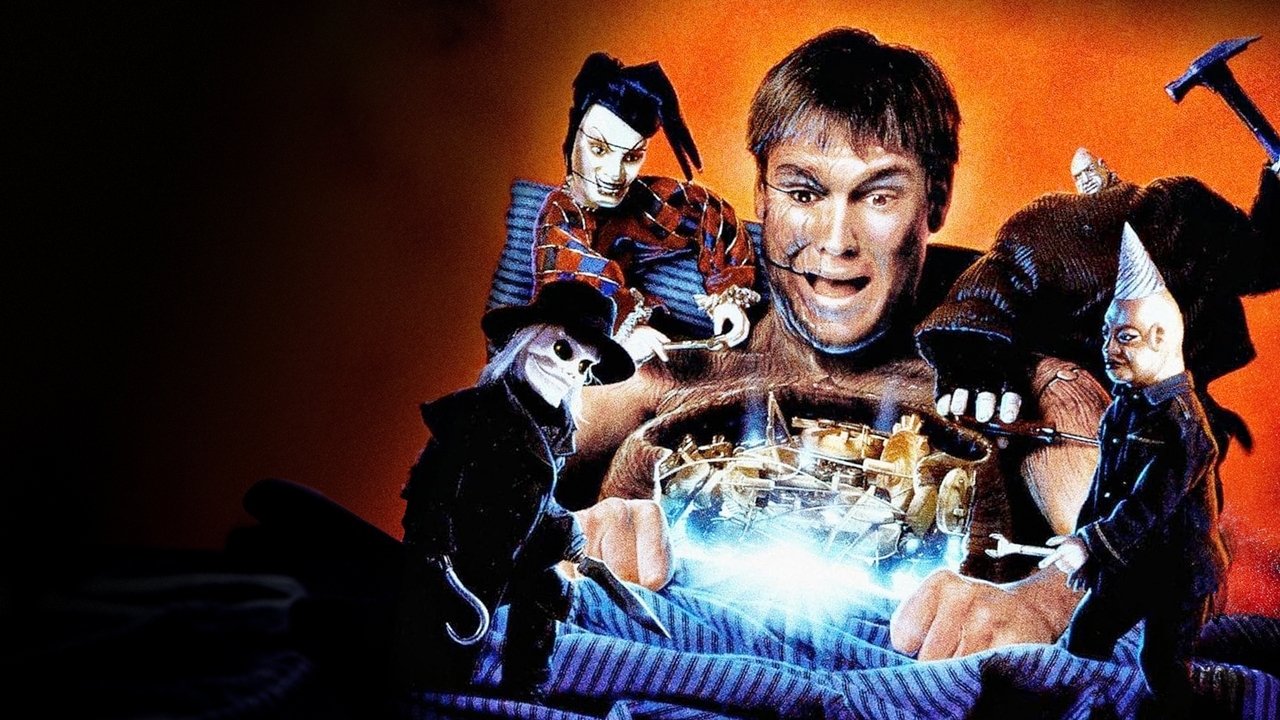
The "curse" of the title feels multi-faceted. Is it Magrew's obsessive folly? Is it the terrible fate awaiting Tank, destined to become raw material for a madman's ambition? Or is it the curse of the franchise itself, doomed to endlessly recycle its greatest hits? The film doesn't offer easy answers, leaving the interpretation lingering like the dust motes in Magrew’s workshop. The climax, when it arrives (Spoiler Alert!), involving Tank's transformation into a new, rather clunky-looking puppet, feels less like a shocking twist and more like a grimly inevitable conclusion, a testament to Magrew's ultimate failure to truly understand Toulon's dark gift.
Final Verdict
Curse of the Puppet Master is undeniably one of the weaker links in the long chain of the Puppet Master series. Its heavy reliance on stock footage cripples its ability to tell a truly coherent or engaging new story featuring the iconic puppets. The narrative feels thin, stretched to accommodate the recycled scenes, and the new human drama, while featuring a committed performance from George Peck, isn't quite strong enough to carry the film alone. It often feels less like a true sequel and more like a feature-length clip show stitched around a skeletal new plot.
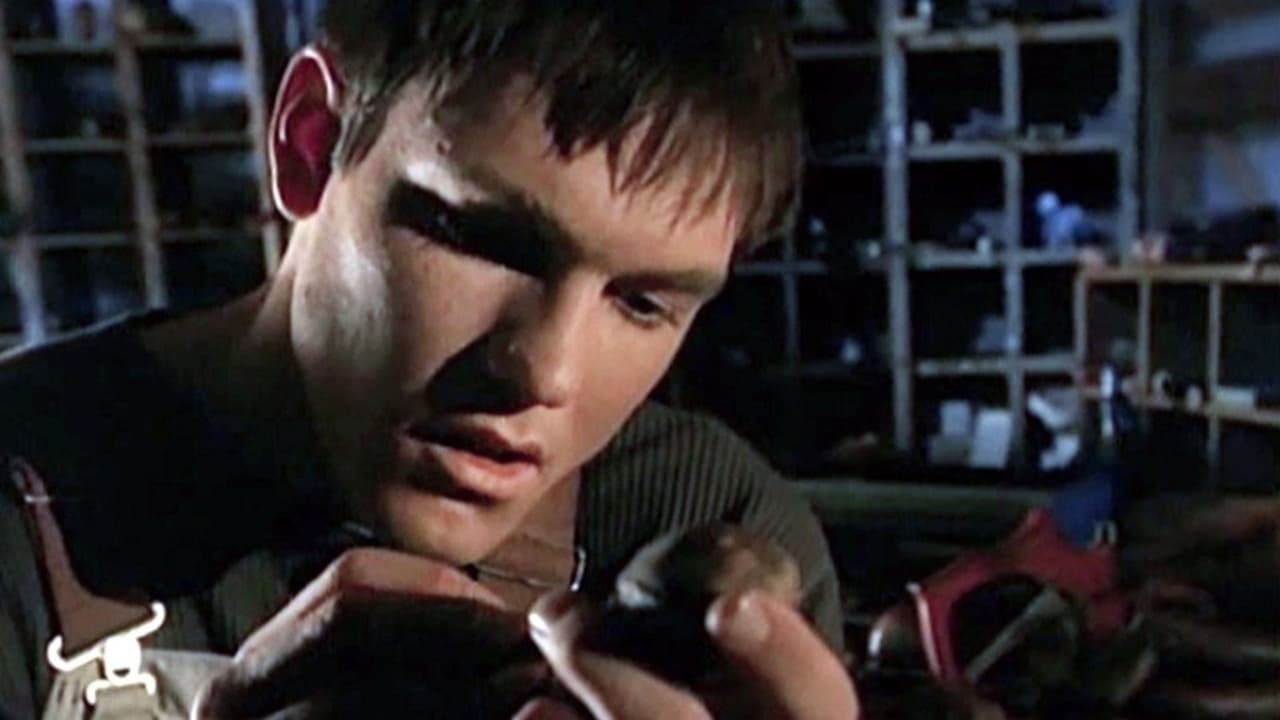
Yet, for the dedicated Puppet Master completist or the connoisseur of late-90s DTV horror, there's a certain morbid curiosity here. It stands as a stark artifact of its production circumstances, a testament to Charles Band's determination to keep the franchise alive by any means necessary. The core creepiness of the puppets, even glimpsed in recycled footage, remains potent, and the story of Dr. Magrew's pathetic ambition offers a slightly different flavour of madness than Toulon's grander designs.
Rating: 3/10
The score reflects the overwhelming reliance on stock footage and the resulting narrative incoherence. George Peck's performance and the inherent unsettling nature of the concept prevent it from hitting absolute zero, but this is largely for completists only. It’s a fascinating case study in low-budget franchise filmmaking hitting the wall, a "curse" indeed, leaving you longing for the days when the puppets truly ran the show.