It starts not with a bang, but with the quiet disorientation of waking up in the wrong life. Or is it the right one? That’s the central, nagging question posed by Brett Ratner’s The Family Man (2000), a film that arrived just as the credits rolled on the 90s, carrying echoes of Capra but filtered through the slick lens of late-millennium anxieties about success and satisfaction. It asks us to step into the well-polished shoes of Jack Campbell (Nicolas Cage), a man who seemingly has it all – Wall Street power, a Ferrari, a penthouse apartment – and then strips it all away overnight, replacing it with… a minivan, two kids, a house in suburban New Jersey, and the college sweetheart he left behind thirteen years prior.

A Different Kind of Jackpot
The initial setup is pure high-concept fantasy, driven by an enigmatic encounter with Cash (Don Cheadle, radiating a tricky blend of street wisdom and otherworldly authority). Jack, focused solely on closing a multi-billion dollar merger on Christmas Eve, inadvertently intervenes in a convenience store situation involving Cash. This seemingly minor act becomes the catalyst for his "glimpse" into the life he abandoned. The film cleverly uses Jack's whiplash-inducing transition not just for fish-out-of-water comedy (though there are effective moments, like his horror at a discount clothing store), but to immediately establish the profound emotional stakes. What defines a successful life? Is it the corner office or the cluttered kitchen table?
Finding the Truth in Fantasy
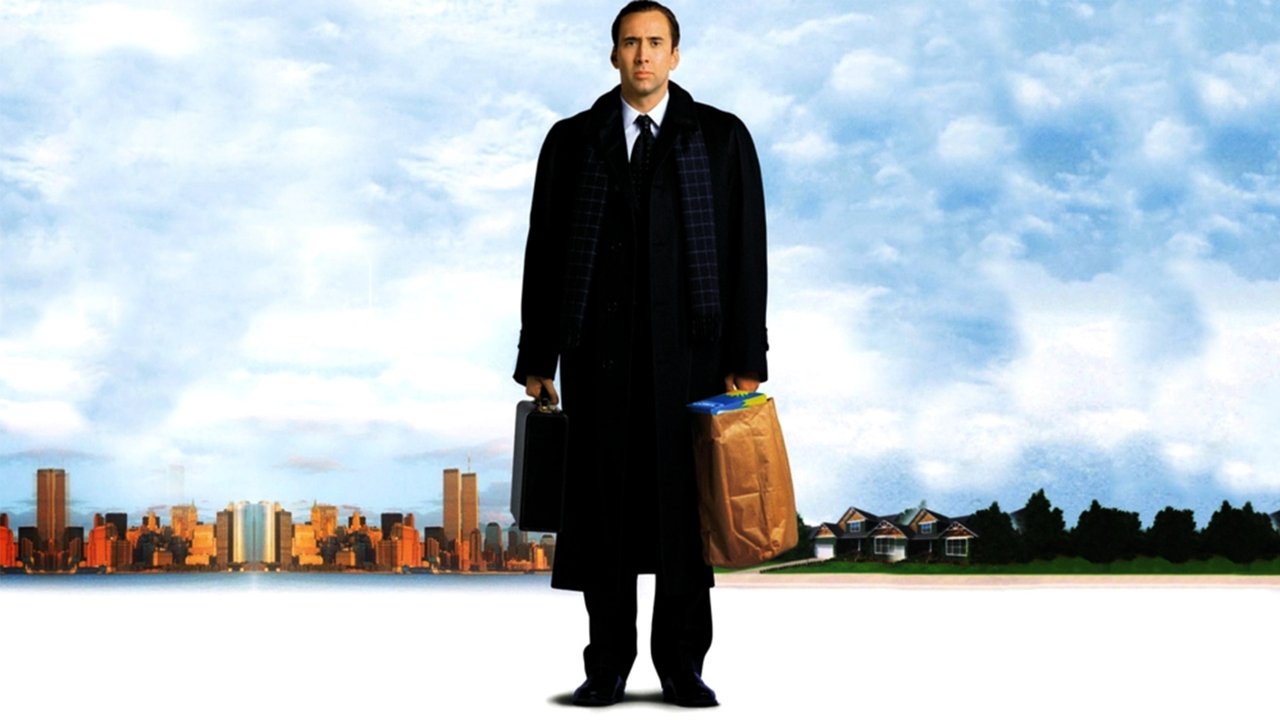
What elevates The Family Man beyond a simple gimmick is the surprising emotional depth, largely anchored by its central performances. Nicolas Cage, often known for his more unrestrained roles even back then, delivers a wonderfully nuanced portrayal here. His Jack isn't just bewildered; he's resistant, arrogant, and slowly, heartbreakingly, won over by the genuine warmth and connection he finds in this alternate reality. We see the slick Wall Street predator gradually soften, rediscovering not just love for Kate (Téa Leoni), but a different version of himself – one capable of finding joy in leaky faucets and bowling leagues. Cage makes Jack's internal struggle palpable; the slow dawning that the life he dismissed might hold the very fulfillment his millions couldn't buy feels earned.
And then there's Téa Leoni. As Kate Reynolds, the smart, devoted wife and mother Jack finds himself married to, she is the absolute soul of the film. Leoni radiates an effortless charm and grounded authenticity that makes you instantly understand why this life, despite its apparent lack of glamour, holds such power. Her chemistry with Cage is crucial; it shifts believably from confused friction to rediscovered intimacy. She isn't just an idealized fantasy; she’s portrayed as a loving partner with her own dreams and frustrations, making the choice Jack ultimately faces feel incredibly weighty. It’s a performance that feels lived-in and deeply truthful, providing the necessary anchor for the film's more fantastical elements.
Beyond the What If

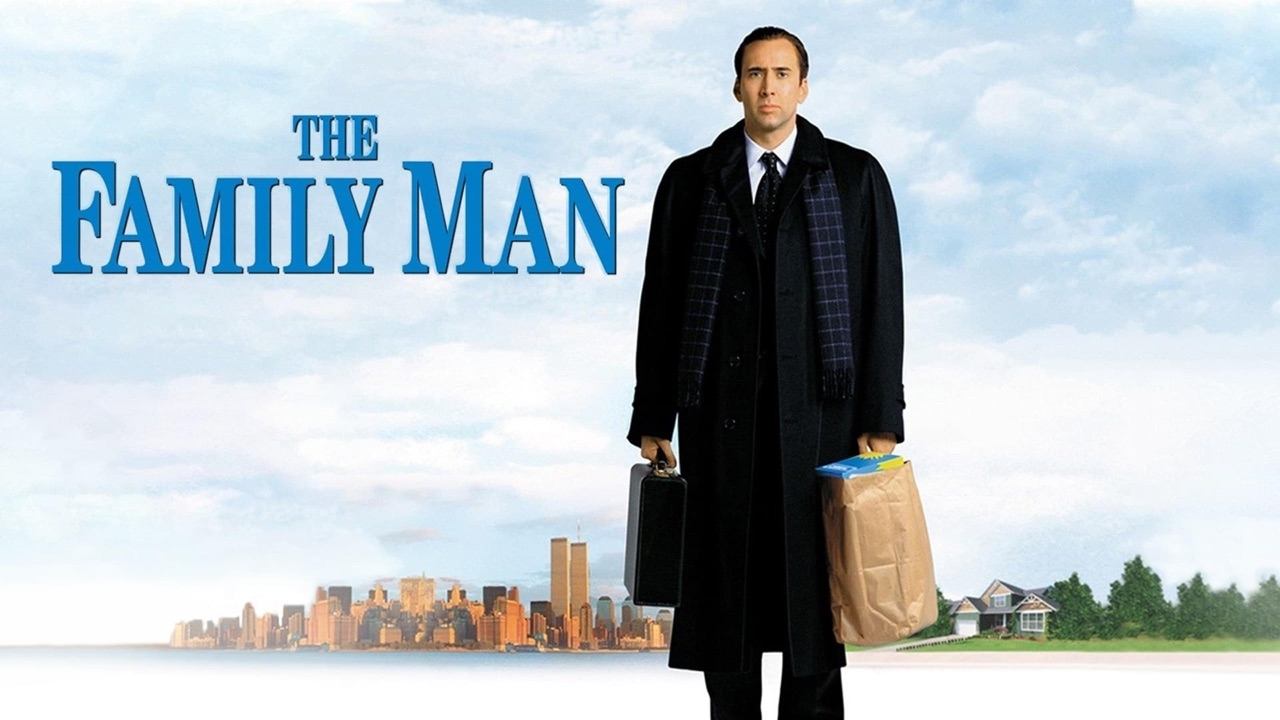
While the echoes of It's a Wonderful Life are undeniable, The Family Man carves its own path by focusing less on cosmic despair and more on the specific textures of modern aspiration and regret. Director Brett Ratner, stepping away from the kinetic energy of his Rush Hour films, shows a capable hand with the quieter, character-driven moments. He allows the emotional beats to land, aided significantly by a warm, evocative score from Danny Elfman. The contrast between the cold, sleek blues and greys of Jack's New York City existence and the warmer, slightly cluttered reality of his suburban life is effectively drawn, visually reinforcing the film's central conflict.
It's interesting to look back at this film from our current perspective. Released in December 2000, right on the cusp of a new millennium and before the seismic shifts of the following year, there's a certain Y2K-era optimism woven into its fabric, even as it questions the era's definition of success. The dot-com boom was still a recent memory, and the film taps into that cultural moment where extreme wealth felt both attainable and potentially hollow. Made for around $60 million, it performed respectably, pulling in about $125 million worldwide – suggesting its central question resonated with audiences perhaps more than with some critics, who found the premise familiar. It wasn't a VHS staple in the same way as an 80s blockbuster, perhaps, arriving more prominently on shiny new DVDs in rental stores, but its themes felt timeless, echoing stories we'd seen on worn-out tapes for years.
The Lingering Question
The Family Man isn't without its predictability; the trajectory of Jack's emotional journey follows a path many viewers will anticipate. Yet, its sincerity and the strength of its lead performances make it remarkably effective. It avoids easy cynicism, opting instead for genuine heart. The film doesn't necessarily condemn ambition, but it forcefully argues for a more holistic definition of a life well-lived, suggesting that true wealth lies in connection, love, and the messy, imperfect beauty of family.

Rating: 7.5/10
This rating reflects the film's strong emotional core, excellent lead performances (especially from Leoni and a well-calibrated Cage), and its thoughtful exploration of timeless themes, even if the plot mechanics feel somewhat familiar. It successfully blends fantasy, comedy, and drama into a genuinely moving package that resonates beyond its high-concept premise.
It leaves you pondering not just Jack Campbell's choice, but your own. What compromises have we made? What "glimpses" of other lives flicker in the back of our minds? And ultimately, what truly constitutes "having it all"?