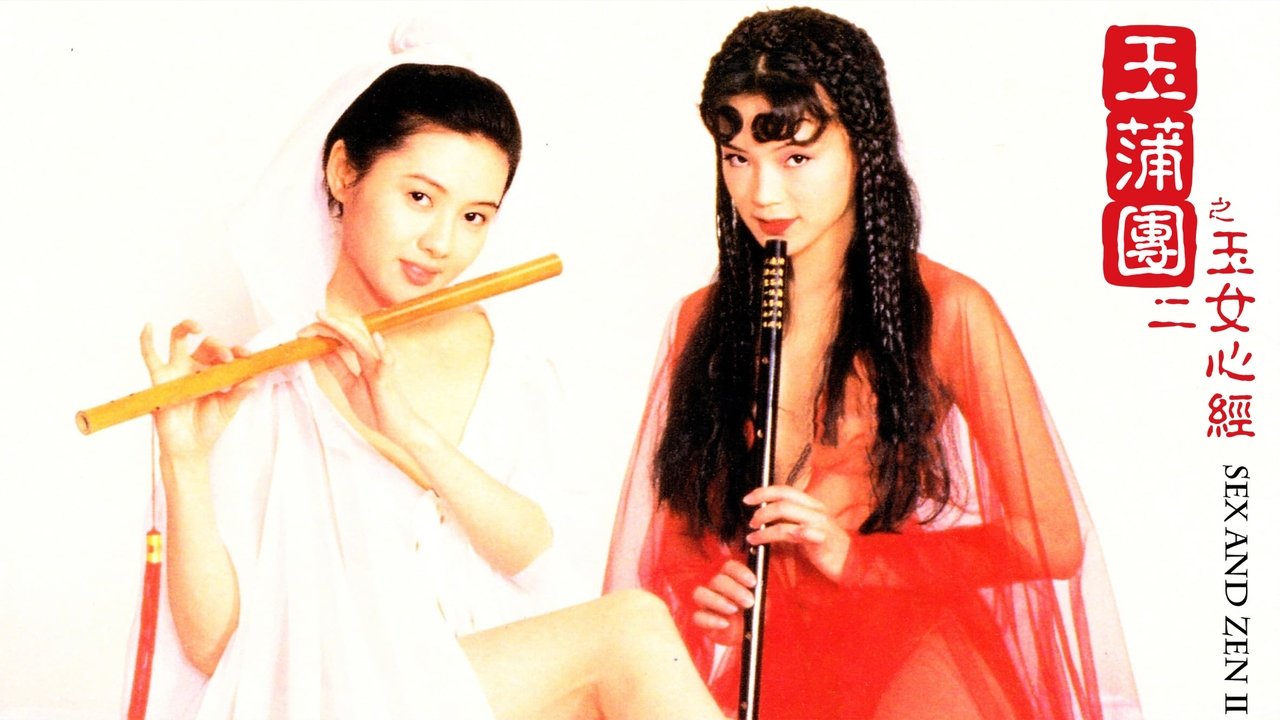
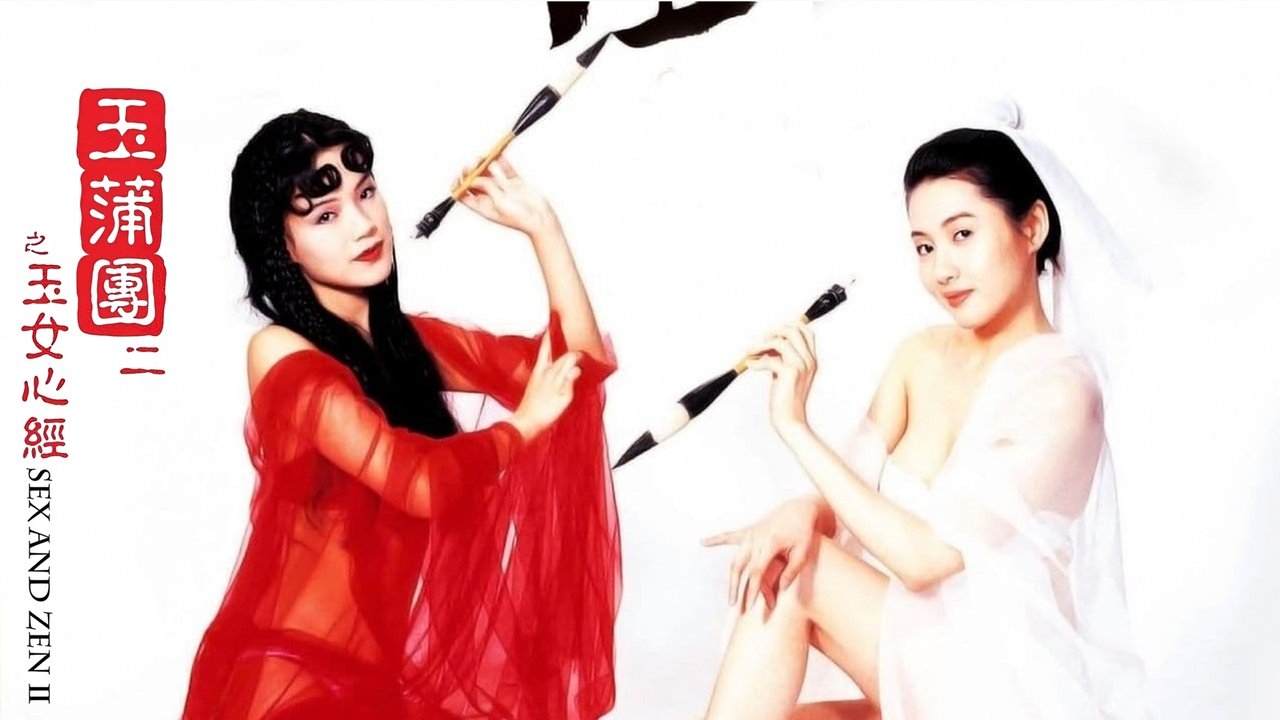
Okay, let's dim the lights, maybe crack open a cheap beer that’s been sitting in the back of the fridge, and slide this slightly worn tape into the VCR. You know the one – the cover art probably promised something wild, maybe even a little forbidden, snagged from that ‘special’ curtained-off section at the back of the video store. We’re diving headfirst into the neon-drenched, boundary-pushing world of 90s Hong Kong cinema with 1996’s Sex and Zen II. Forget fuzzy memories; this one likely left a vivid, perhaps slightly bewildering, impression.
### Not Quite What the Title Suggests
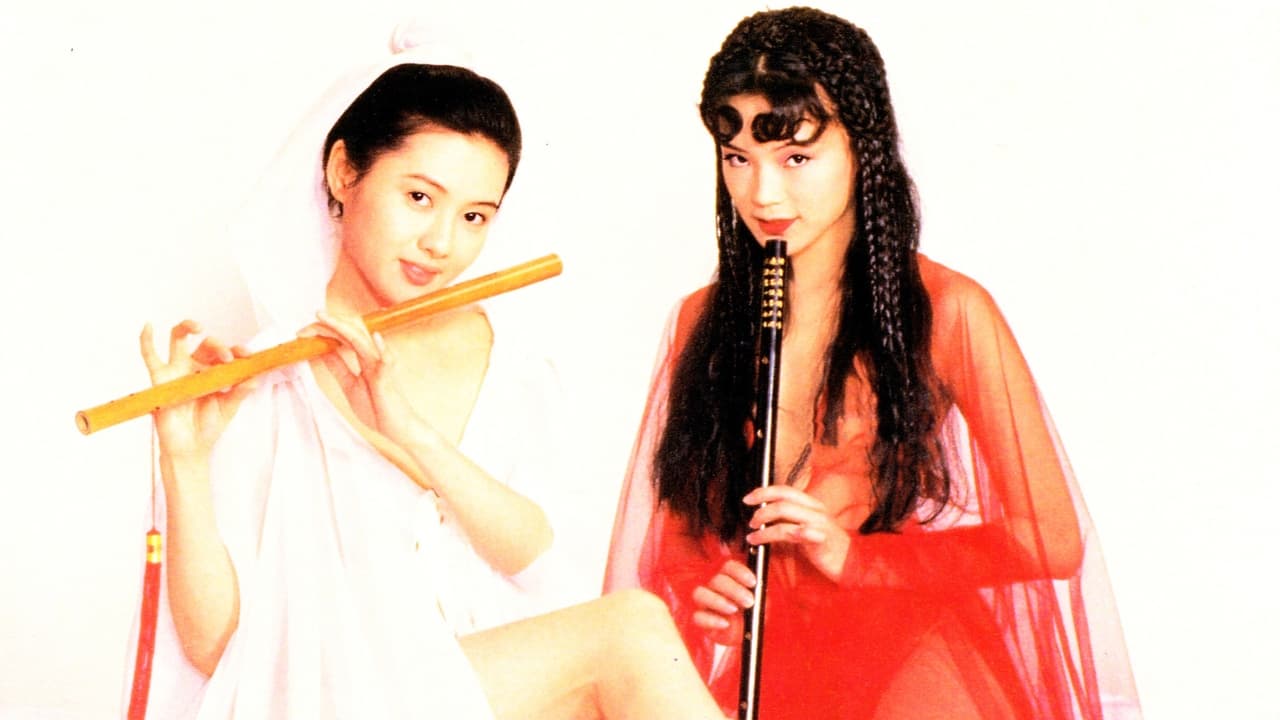
First things first: despite the "II" in the title, this isn't a direct sequel to the notorious 1991 Category III smash hit Sex and Zen. Think of it more as a spiritual successor, borrowing the name recognition and the promise of elaborate historical romps laced with copious amounts of skin and slapstick. Helmed by Chin Man-kei, who also co-wrote with the prolific and often outrageous Wong Jing (a name synonymous with HK genre filmmaking, think God of Gamblers (1989) or City Hunter (1993)), this film leans even harder into broad comedy and fantastical elements alongside its requisite eroticism. It’s a bizarre blend, the kind that Hong Kong filmmakers seemed uniquely adept at concocting during this era.
The plot, such as it is, revolves around Sai Moon-Kin (played with manic energy by Taiwanese comedian Hsu Kam-kong, often credited as Elvis Tsui), a wealthy but utterly inept wannabe-Casanova in feudal China. He’s obsessed with mastering the art of seduction and achieving sexual prowess, leading him on a quest involving magical interventions, encounters with supernatural beings, and, naturally, plenty of comedic (and sometimes painful) misfires in the bedroom. It’s less about refined eroticism and more about frantic, often cartoonish, energy.
### Stars Were Born (and Bared)
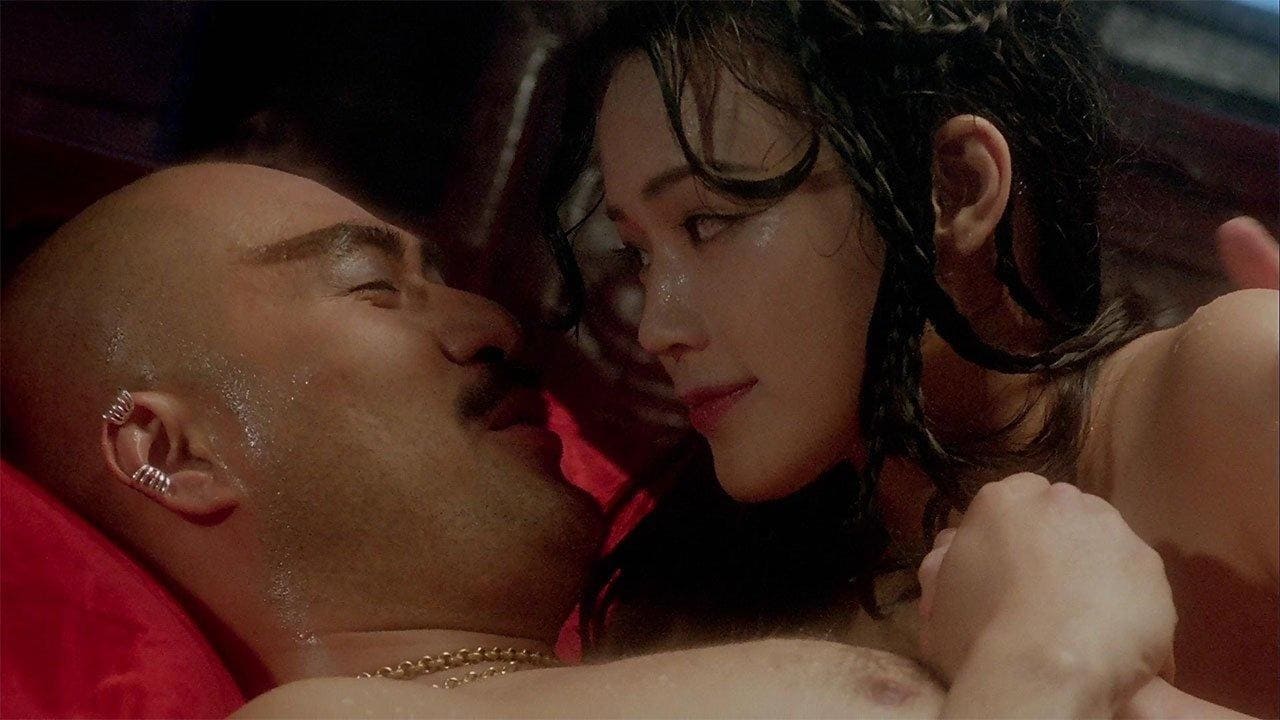
What elevates Sex and Zen II beyond pure exploitation, arguably, are its lead actresses. This film was a significant stepping stone for Shu Qi, who brings a surprising amount of charm and charisma to her role as Fantasy Mirage, a kind of proto-magical girl who aids our hapless hero. It’s fascinating to see her here, early in a career that would eventually lead her to international acclaim in films like The Transporter (2002) and Three Times (2005). Her screen presence is undeniable, even amidst the absurdity. A fascinating bit of retro trivia: Shu Qi reportedly took on roles like this early in her career as a calculated move to gain visibility quickly in the competitive Hong Kong film industry, a strategy that clearly paid off.
Alongside her is Loletta Lee (sometimes credited as Rachel Lee or Lee Lai-chun), already a more established star known for both dramatic roles and lighter fare like the Happy Ghost series. As Yiu-Kin, Sai Moon-Kin’s long-suffering wife, she grounds some of the film’s wilder flights of fancy, providing a counterpoint to the silliness. Her performance adds a layer of sweetness that’s almost unexpected given the film's premise. And let's not forget Elvis Tsui, a stalwart of Hong Kong cinema often seen in tough-guy roles; here, he throws himself into the physical comedy with gusto, proving surprisingly adept at playing the fool.
### That Distinctive 90s Hong Kong Sheen
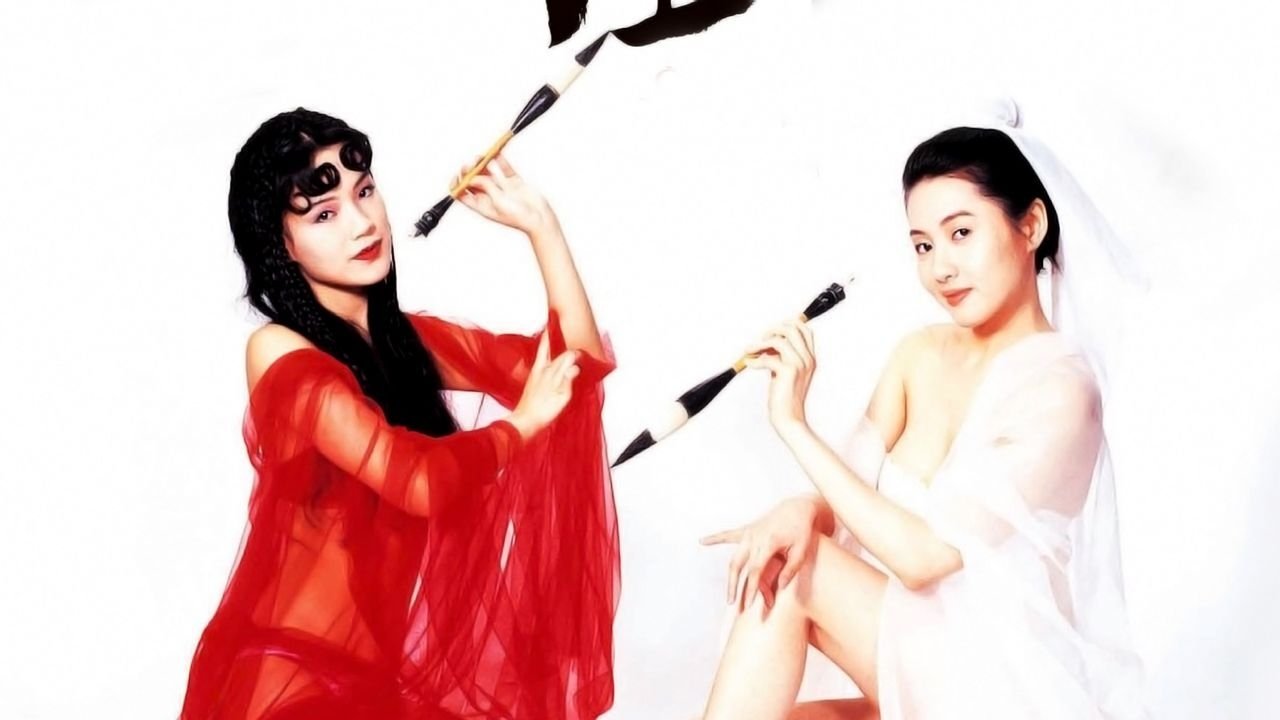
While we usually rave about practical explosions and stunt work here at VHS Heaven, the "effects" worth noting in Sex and Zen II are more about the overall aesthetic. This film looks like 90s Hong Kong. We're talking vibrant, almost garish colour palettes, elaborate period costumes that feel slightly anachronistic but visually striking, and that specific blend of wire-fu influenced action choreography mixed with slapstick comedy. Remember those scenes where characters would fly through the air in ways that defied physics, even outside of a martial arts context? This film has that energy.
The production values, considering its Category III status (a rating in Hong Kong indicating adult content), are surprisingly high. The sets are detailed, the costumes are ornate, and there’s a certain glossiness to the production that belies its exploitative elements. This wasn't some cheap, shot-in-a-week affair; it was a mainstream production aiming for box office success, which it achieved handily in Hong Kong, becoming one of the highest-grossing Cat III films ever at the time. A quick fact: the film reportedly cost around HK$10 million, a decent budget for the time, and grossed over HK$30 million locally – a significant return, proving Wong Jing's commercial instincts were sharp.
### A Product of Its Time, For Better or Worse
Watching Sex and Zen II today is definitely an experience filtered through the lens of nostalgia and shifting cultural norms. The humour is broad, often crude, and relies heavily on sexual situations played for laughs. The blend of supernatural fantasy, eroticism, and slapstick comedy is jarring by modern standards, but it was a hallmark of a certain type of Hong Kong cinema in the 90s. It’s a film that feels both ambitious in its attempt to juggle genres and utterly shameless in its pursuit of audience attention.
Does it hold up? Well, that depends entirely on your tolerance for this specific brand of bizarre, high-energy, genre-mashing HK filmmaking. It lacks the slightly more coherent narrative (and arguably, the transgressive shock value) of the original Sex and Zen, opting instead for a lighter, sillier tone. The comedy doesn’t always land, and the plot often feels like a series of loosely connected skits. But there's an undeniable energy, a commitment to its own weirdness, that's strangely compelling. It captures a specific moment in cinematic history when boundaries were being gleefully pushed, sometimes for artistic reasons, sometimes purely for commercial ones.
---
Rating: 6/10
Justification: While undeniably dated and likely offensive to some modern sensibilities, Sex and Zen II earns points for its sheer audacity, high production values for its category, the star-making turn from Shu Qi, and its status as a quintessential example of 90s Hong Kong Cat III excess. It’s often silly, sometimes tedious, but rarely boring. Loses points for inconsistent tone and comedy that hasn't aged gracefully.
Final Bit: It’s a chaotic, colourful, and uniquely 90s Hong Kong concoction – part historical romp, part fantasy, part slapstick, all wrapped in a Category III package. Like finding a bootleg cassette mix-tape with wildly unrelated songs, it’s messy, maybe a little embarrassing, but undeniably memorable from the VHS era. Probably best enjoyed late at night, perhaps after recalling the thrill of sneaking it past your parents.