There are films that wash over you, pleasant and familiar, like a well-worn cassette playing your favourite summer mixtape. And then there are films like Jean-Claude Lauzon's Léolo (1992) – films that lodge themselves deep within your consciousness, unsettling and beautiful, refusing to fade with the static hiss of the VCR stopping. I remember finding this on the shelf, probably tucked away in the 'World Cinema' section of the local video store, its cover art hinting at something far removed from the usual Hollywood gloss. It wasn't an easy watch then, and it remains a challenging, deeply moving experience today.

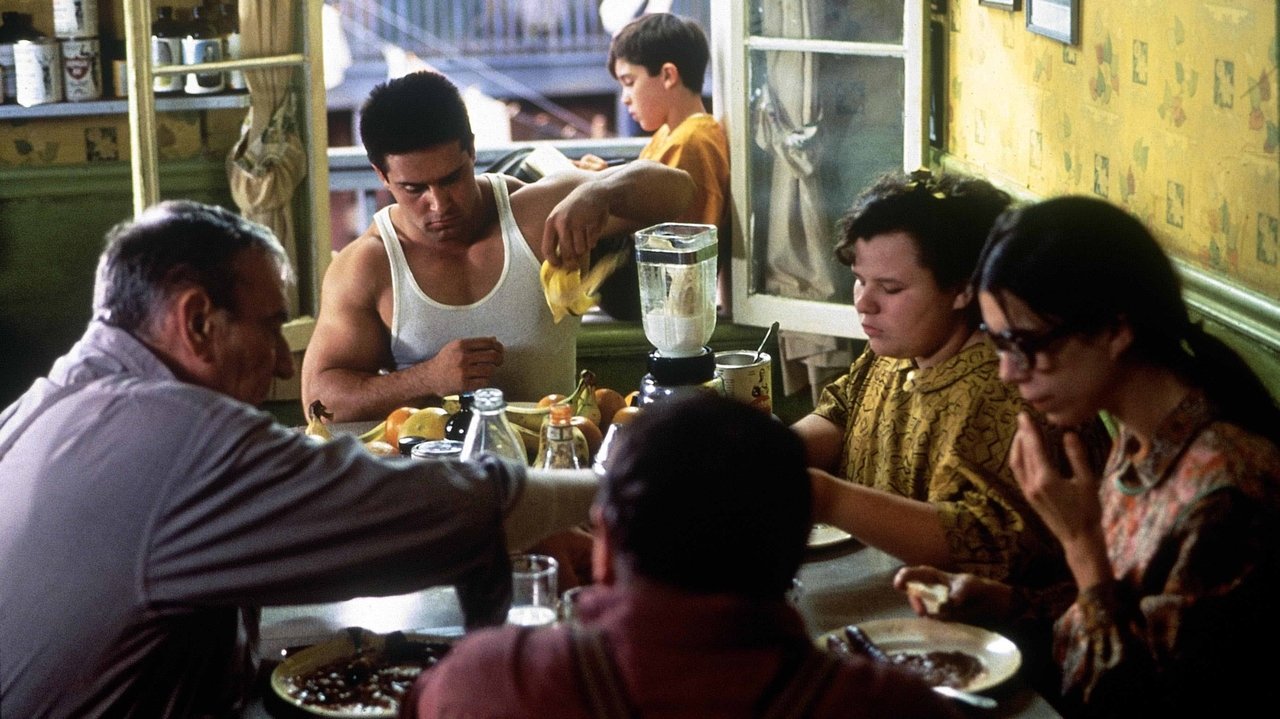
Léolo doesn't just tell a story; it plunges you headfirst into the turbulent inner world of its young protagonist. Léolo Lozone (Maxime Collin) lives in a cramped, chaotic apartment in a poor Montreal neighbourhood, surrounded by a family grappling with various forms of physical and mental decline. His mother (Ginette Reno, in a performance of immense warmth and weary resilience) tries to hold things together, while his father (Gilbert Sicotte) obsesses over his children's bowel movements, his brother descends into bodybuilding madness, and his grandfather harbours unsettling desires. It’s a world thick with the smells and sounds of poverty, desperation, and burgeoning adolescent confusion. How does a sensitive boy survive such an environment?
Because I Dream, I Am Not
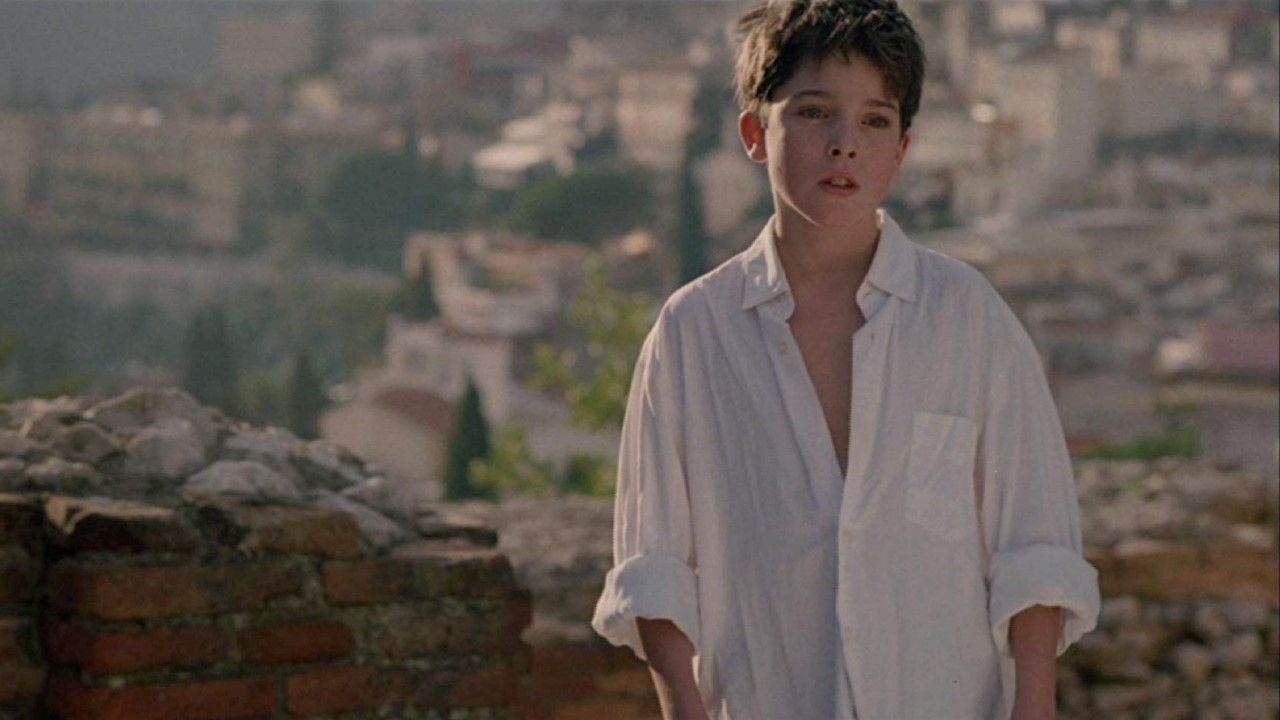
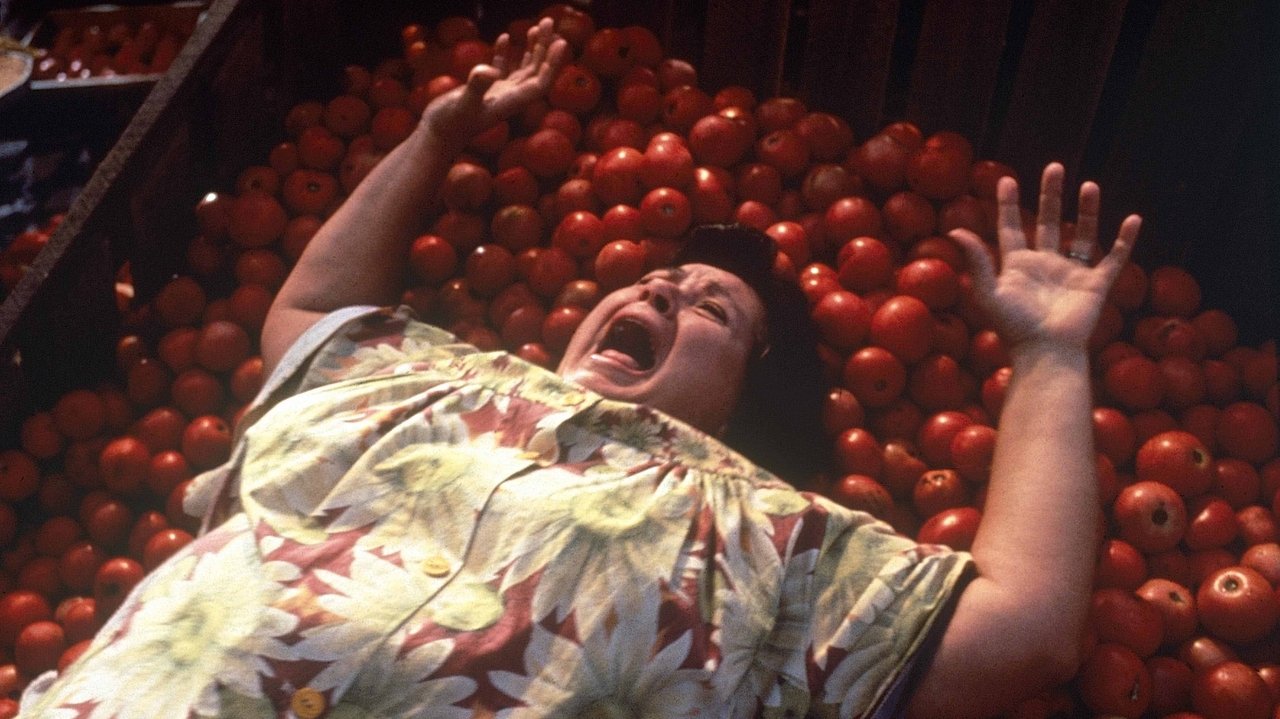
Léolo survives through the fierce power of his imagination. He rejects his lineage, convincing himself he wasn't conceived by his earthly parents but through a fantastical immaculate conception involving a Sicilian peasant, a cartload of tomatoes, and a moment of solitary pleasure. "Because I dream, I am not," he writes, his notebooks becoming a sanctuary where reality is rewritten into poetic, often surreal, prose. This isn't just escapism; it's an act of existential self-preservation. Lauzon masterfully weaves Léolo's lyrical, dreamlike narration and fantastical visions (often depicted with a startling, almost painterly beauty) directly into the fabric of the family's grim reality. The contrast is jarring, highlighting both the desperate need for escape and the encroaching darkness that even imagination cannot fully hold at bay.
Jean-Claude Lauzon's Unflinching Gaze
Watching Léolo, you feel the presence of a singular, uncompromising artistic voice. Jean-Claude Lauzon, who had already made waves with his gritty debut Un Zoo la Nuit (1987), crafts a film that is both brutally honest and tenderly poetic. He doesn’t shy away from the squalor or the disturbing aspects of Léolo’s world – the film deals frankly with emerging sexuality, mental illness, and the crushing weight of environment. There were whispers, upon its celebrated debut at the Cannes Film Festival in 1992, about how much of the story was drawn from Lauzon's own upbringing; while he deflected direct autobiographical claims, the film burns with a raw, personal intensity that's hard to dismiss. It feels less like a story being told and more like a life being intensely felt and translated to the screen.
It's a tragic footnote, one that retro film fans often lament, that Lauzon's immense talent was extinguished far too soon. He died in a plane crash in 1997, leaving behind only two feature films. Watching Léolo, with its potent blend of raw-nerve realism and flights of desperate fantasy, you can't help but mourn the unique cinematic worlds he might have gone on to create. His perfectionism was reportedly legendary on set, pushing his cast and crew, but the result is a film where every frame feels intentional, every grotesque detail offset by a moment of unexpected grace.
A Child's Eye View
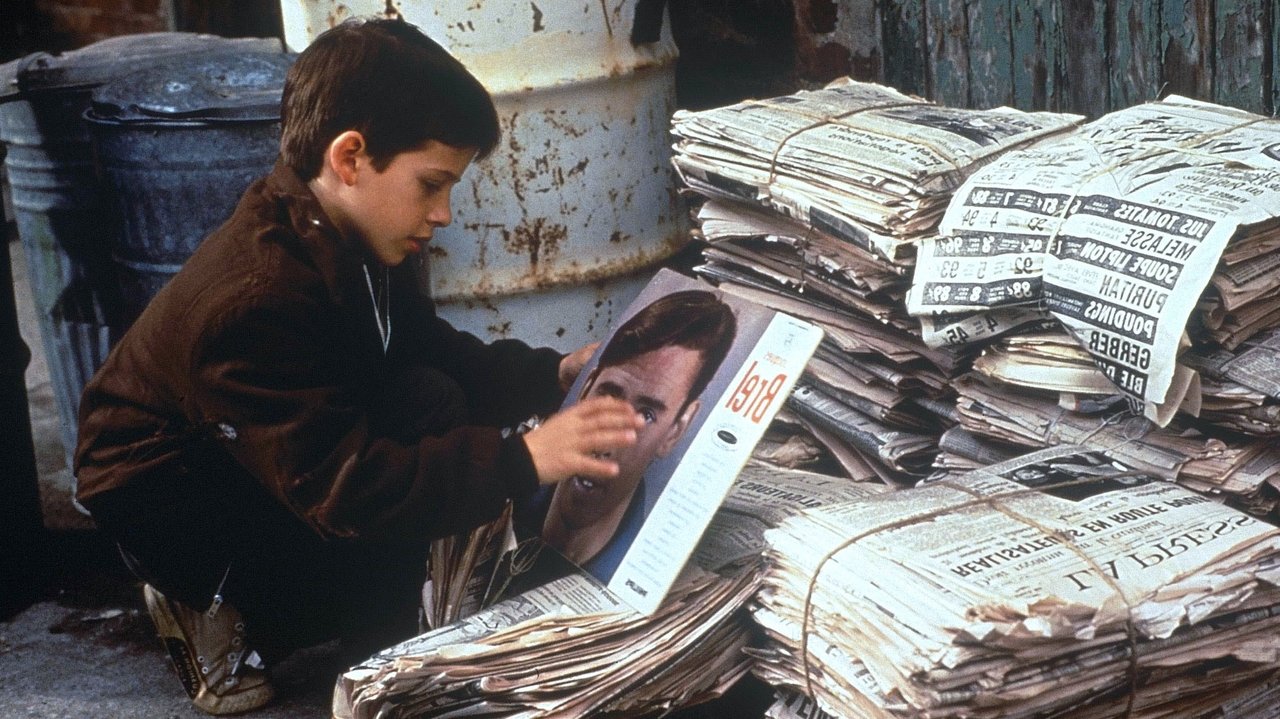
At the heart of it all is Maxime Collin's astonishing performance as Léolo. He embodies the character's vulnerability, his fierce intelligence, his confusion, and his deep well of sadness with a naturalism that is simply captivating. He carries the weight of the film's complex themes on his young shoulders, making Léolo's inner struggle painfully real. We see the world through his eyes – a world both terrifying and, in fleeting moments captured by his imagination, utterly magical. The supporting cast, particularly Ginette Reno as the beleaguered matriarch, adds layers of humanity to characters who could easily have become caricatures in lesser hands. They form a portrait of a family under immense pressure, flawed and sometimes monstrous, yet bound by threads of affection, however frayed.
Legacy in a Cardboard Sleeve
Léolo wasn't the kind of film you'd typically find playing at the multiplex back in '92. It was the sort of discovery you made browsing the deeper cuts at the video store, a film passed between friends with hushed reverence. It’s a reminder that the VHS era wasn't just about blockbusters; it was also a time when challenging, personal, and deeply artistic films from around the world could find an audience, offering glimpses into realities far removed from our own. Does the film's unflinching depiction of certain subjects make it difficult? Yes. Is its blend of squalor and poetry sometimes jarring? Absolutely. But its power lies precisely in this discomfort, in its refusal to offer easy answers or sentimentalize its characters' plight.
It forces us to confront uncomfortable questions: Where is the line between life-saving fantasy and dangerous delusion? How much can the human spirit endure before it breaks or retreats entirely? What responsibility do we have to see the poetry hidden within the prosaic, even painful, realities of others?
Rating: 9/10
This rating reflects Léolo's standing as a unique and powerful piece of filmmaking, anchored by extraordinary performances and Lauzon's singular vision. It’s not a comfort watch, lacking the easy nostalgia of some other 90s staples, but its artistic merit and emotional depth are undeniable. The slight deduction acknowledges its demanding nature, which might not resonate with all viewers seeking lighter fare. However, for those willing to engage with its challenging beauty, the film offers profound rewards.
Léolo lingers long after the credits roll, a haunting testament to the desperate beauty of imagination fighting against the crushing weight of reality, and a poignant reminder of a brilliant directorial voice silenced too soon. It’s a vital piece of 90s cinema, well worth seeking out beyond the faded labels of the video store shelf.