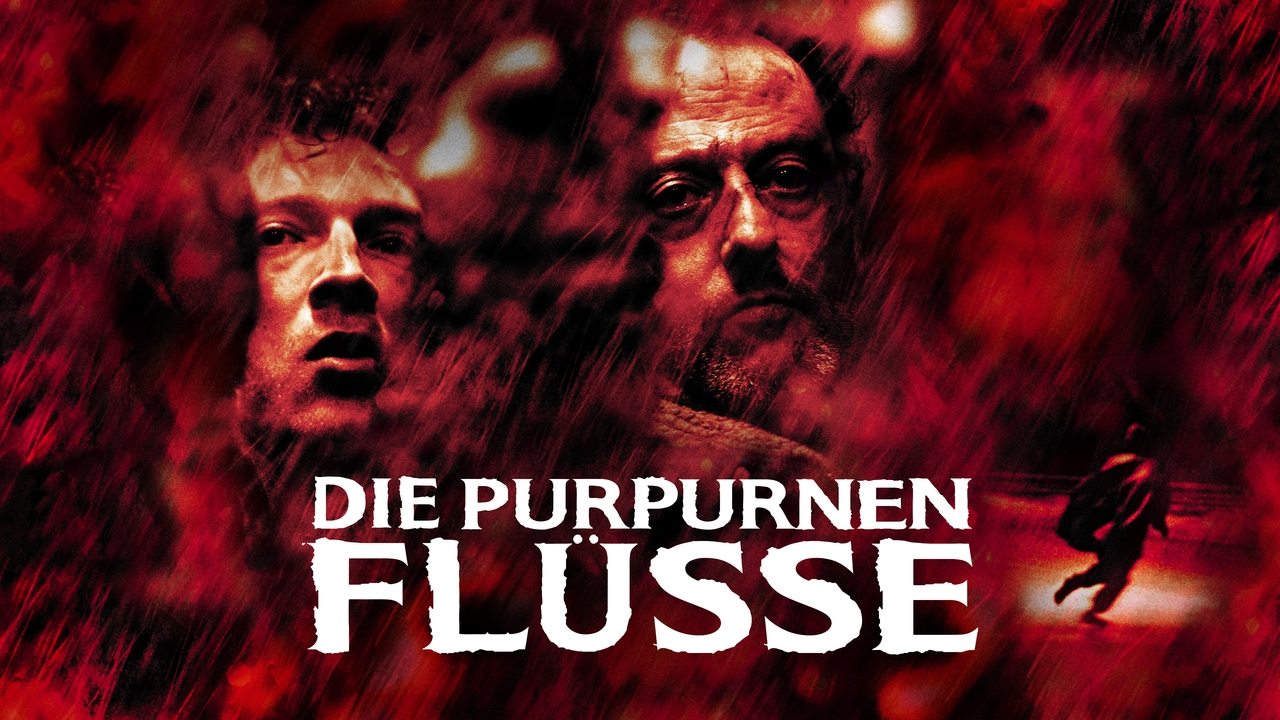
The air hangs thin and cold in the Alpine town of Guernon. Snow muffles sound, isolates the ancient university perched above, and hides secrets best left frozen. But some horrors refuse to stay buried. The discovery is grotesque, almost ritualistic: a librarian, tortured, mutilated, suspended impossibly high on a remote cliff face. This is the chilling entry point to The Crimson Rivers (2000), a film that arrived just as the millennium turned, yet carried the chilling DNA of the best, darkest thrillers the 90s had to offer. It felt like a final, brutal echo from that decade, perfect for a late-night viewing that promised unease long after the credits rolled.
### Descent into Darkness
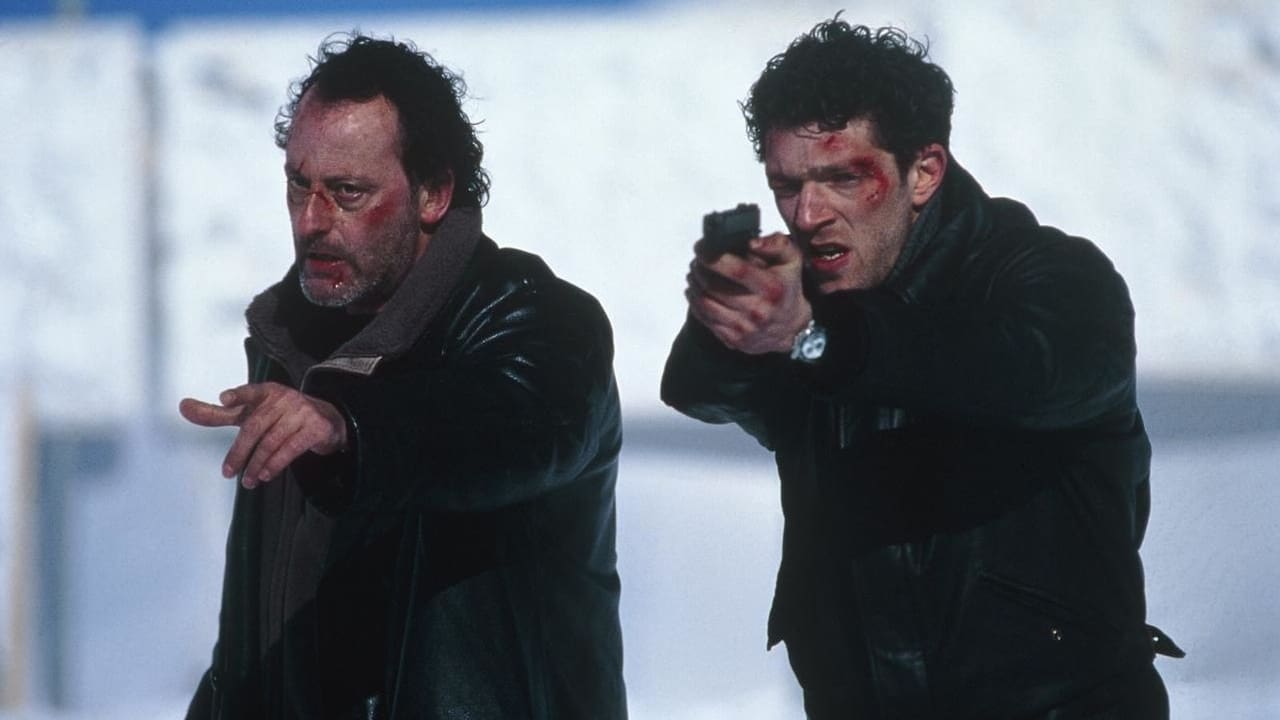
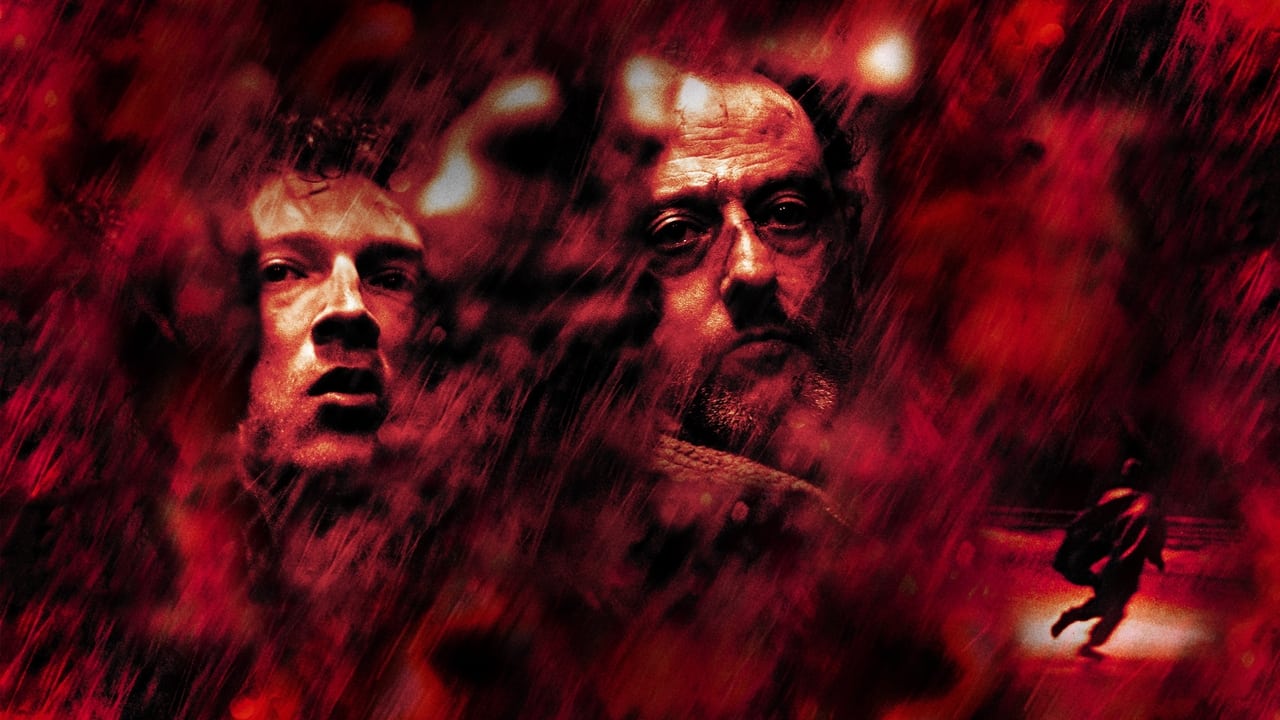
Summoned to this icy enigma is Commissaire Pierre Niemans, played with stoic, world-weary gravitas by the inimitable Jean Reno. Niemans is a legendary Parisian detective, haunted by his own demons (a crippling fear of dogs, stemming from a past case hinted at with grim efficiency). He’s methodical, observant, immediately sensing the deep rot beneath the university's prestigious facade. Simultaneously, miles away in the valley town of Sarzac, Lieutenant Max Kerkerian (Vincent Cassel, radiating volatile energy) investigates a seemingly unrelated case: the desecration of a young girl's grave from 1982 and a break-in at the local primary school. Cassel, fresh off his electric performance in director Mathieu Kassovitz's own acclaimed La Haine (1995), provides the perfect counterpoint – younger, more impulsive, driven by street smarts rather than Niemans' weary intellectualism.
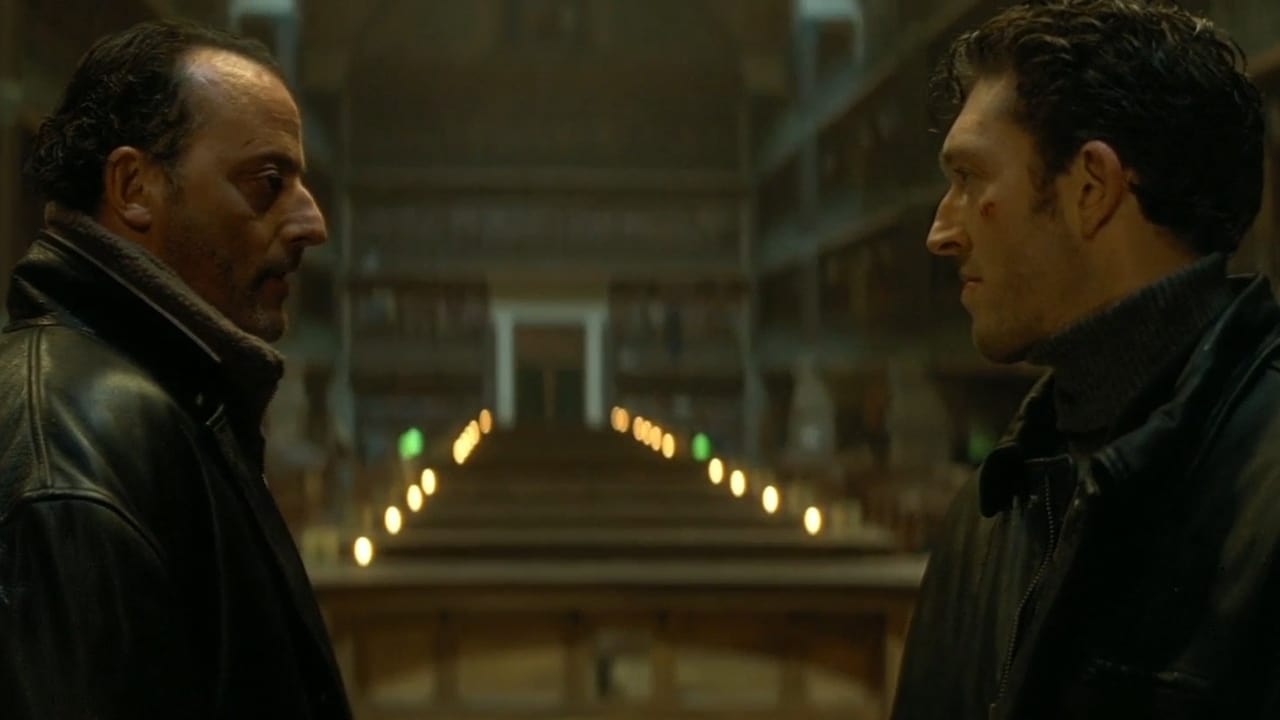
The film excels in weaving these two threads together, letting the dread build incrementally. Kassovitz, adapting Jean-Christophe Grangé's dense novel (Grangé also co-wrote the screenplay), crafts an atmosphere thick with paranoia and decay. The university isn't just a setting; it's a character – ancient stone corridors echoing with unspoken history, staffed by aloof academics fiercely protective of their closed community and, perhaps, its disturbing genetic legacy. The cinematography by Thierry Arbogast (a frequent collaborator with Luc Besson) masterfully contrasts the pristine, majestic beauty of the Alps with the claustrophobic interiors and the grim discoveries Niemans uncovers. It’s a landscape that’s both breathtaking and deeply menacing.
### Echoes of the Past
What makes The Crimson Rivers burrow under your skin isn't just the explicit violence (and the autopsy scenes are unflinchingly grim, pushing boundaries for a mainstream thriller at the time), but the pervasive sense of inherited corruption. The investigation peels back layers of history, revealing unsettling truths about eugenics, inbreeding, and the lengths the university community went to preserve a twisted ideal of perfection. It taps into primal fears – the fear of tainted bloodlines, of intellectual arrogance masking profound brutality, and of the past literally reaching out to strangle the present. Remember the first time you saw that reveal about the university's hidden "project"? Didn't it send a genuine shiver down your spine?
The dynamic between Reno and Cassel is the film's powerhouse core. Their initial friction evolves into grudging respect as their separate paths inevitably converge. Reno embodies the seasoned professional, weighed down by the darkness he confronts daily, while Cassel is the live wire, pushing boundaries and provoking reactions. Their interplay provides moments of grim humor and anchors the increasingly complex, sometimes bordering on outlandish, plot.
### Behind the Frozen Curtain
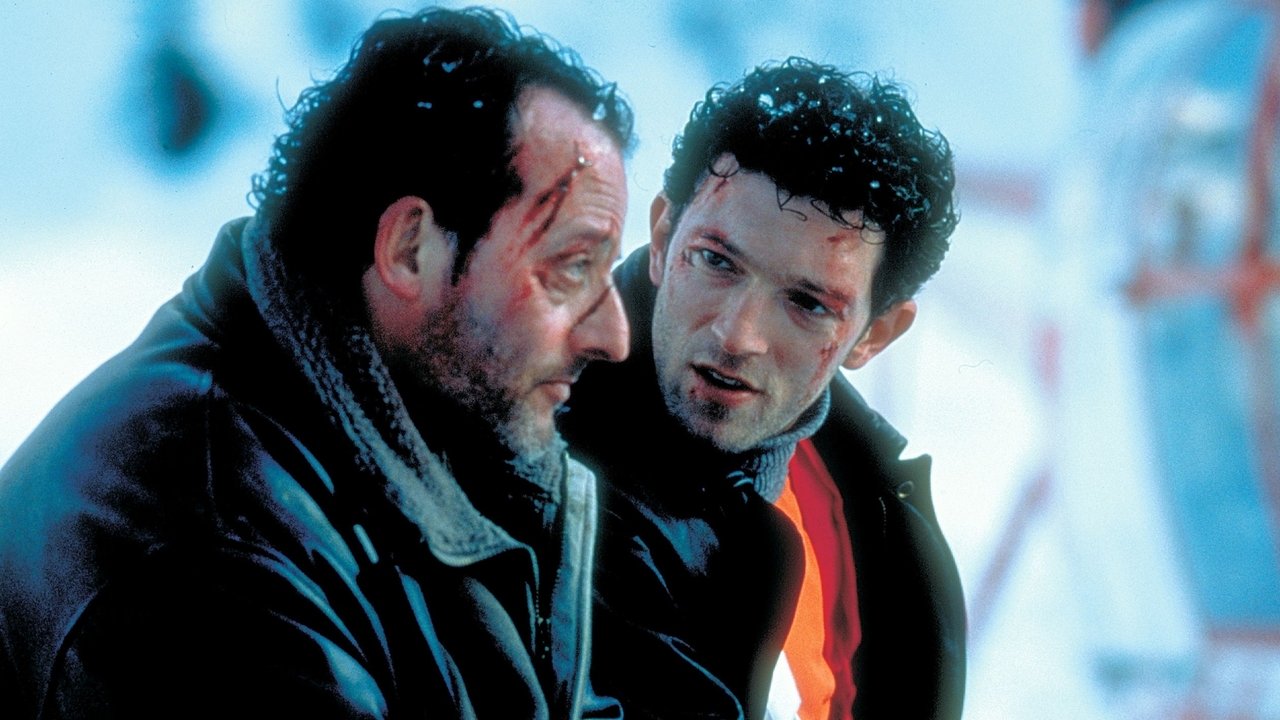
Digging into the film's creation reveals its own dark currents. Mathieu Kassovitz famously expressed deep dissatisfaction with the final act, particularly the studio-mandated climax involving an avalanche and a rather abrupt confrontation. He felt it betrayed the more grounded, procedural tone he'd established. Hearing this adds a layer of tragic irony – the director himself wrestling with external forces mirroring the film's themes of hidden control. Filming in the challenging Alpine locations, including working on actual glaciers for some tense sequences, reportedly pushed the cast and crew, adding a layer of authentic grit visible on screen. The film's success was significant, however, grossing around $60 million worldwide on a budget estimated near $14 million – proving the international appetite for stylish, dark European thrillers. This success inevitably led to a sequel, Crimson Rivers 2: Angels of the Apocalypse (2004), which saw Reno return but lacked Kassovitz's direction (Luc Besson produced and co-wrote) and arguably leaned harder into action over atmosphere, losing some of the original's unique chill.
### The Verdict on Guernon
The Crimson Rivers stands as a potent, atmospheric thriller that, despite its 2000 release date, feels like a quintessential late-90s viewing experience. Its strengths lie in its palpable sense of dread, the stunning yet menacing Alpine setting, the compelling performances from Reno and Cassel, and its willingness to explore truly disturbing themes. The intricate plot, while occasionally straining credulity (especially towards the end), keeps you gripped, piecing together the grim puzzle alongside the detectives. The practical effects, particularly the forensic details, retain a visceral impact that CGI often smooths away.
However, the film isn't flawless. The aforementioned ending feels somewhat rushed and tonally jarring compared to the meticulous build-up, a hint perhaps of the behind-the-scenes disagreements. Some plot mechanics involving the university's long-hidden secrets require a generous suspension of disbelief.
Rating: 8/10
This score reflects the film's exceptional atmosphere, strong lead performances, and genuinely unsettling core mystery. It delivers expertly crafted tension and memorable, disturbing imagery that lingers. The points deducted stem primarily from the somewhat convoluted plot mechanics and the controversial, less satisfying climax that slightly undermines the preceding two acts.
Ultimately, The Crimson Rivers remains a standout Euro-thriller, a film that successfully blended the procedural intensity of works like Seven with a uniquely chilling, geographically specific horror. It’s the kind of movie that, had you rented it on a whim from Blockbuster back in the day, would have left you double-checking the locks and contemplating the darkness hidden beneath even the most pristine surfaces. A haunting journey into ice and blood that still chills effectively today.