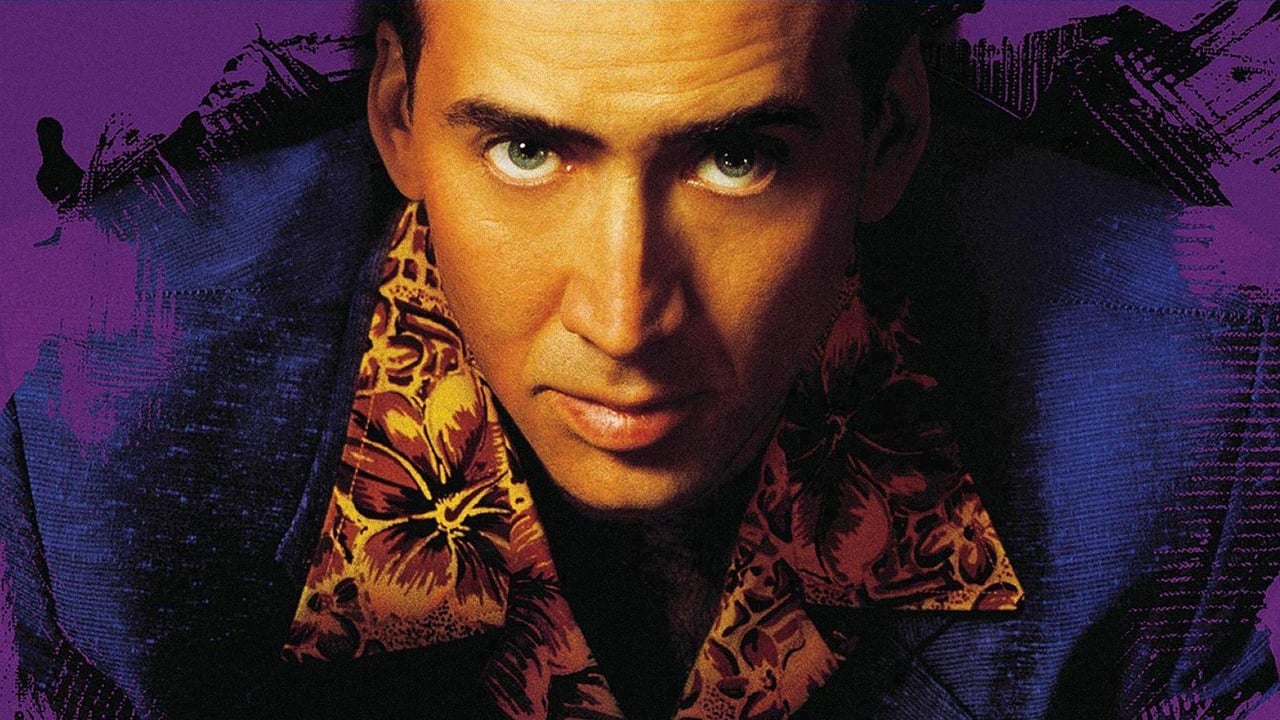
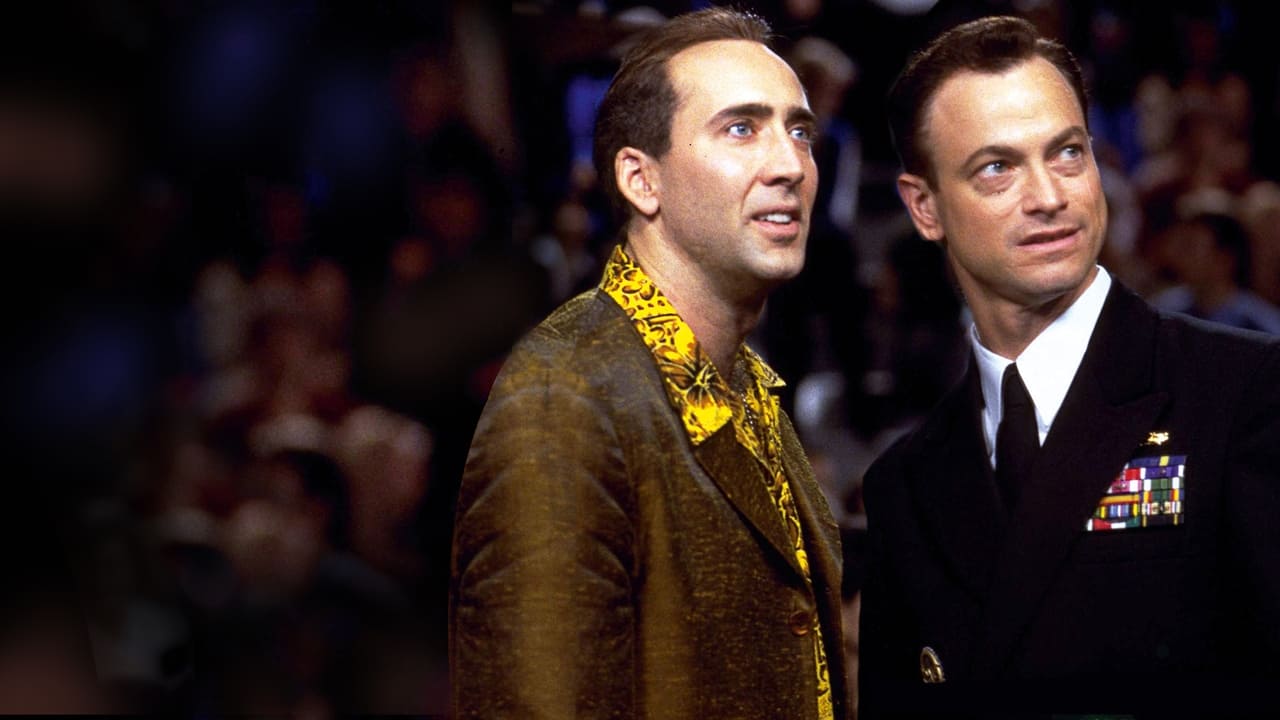
The roar is deafening, not just from the boxing crowd, but from the sheer, unrestrained audacity of the camera itself. For nearly thirteen minutes, it refuses to cut, plunging us headfirst into the neon-drenched sleaze and simmering violence of an Atlantic City arena on fight night. This isn't just an opening sequence; it's Brian De Palma throwing down a gauntlet, a dizzying statement of intent that perfectly encapsulates the hyper-stylized, operatic chaos of 1998's Snake Eyes. Forget easing in; you're immediately swept up in the whirlwind, trapped alongside Nicolas Cage’s Det. Rick Santoro, and the tension only ratchets upwards from there.
Welcome to the Storm
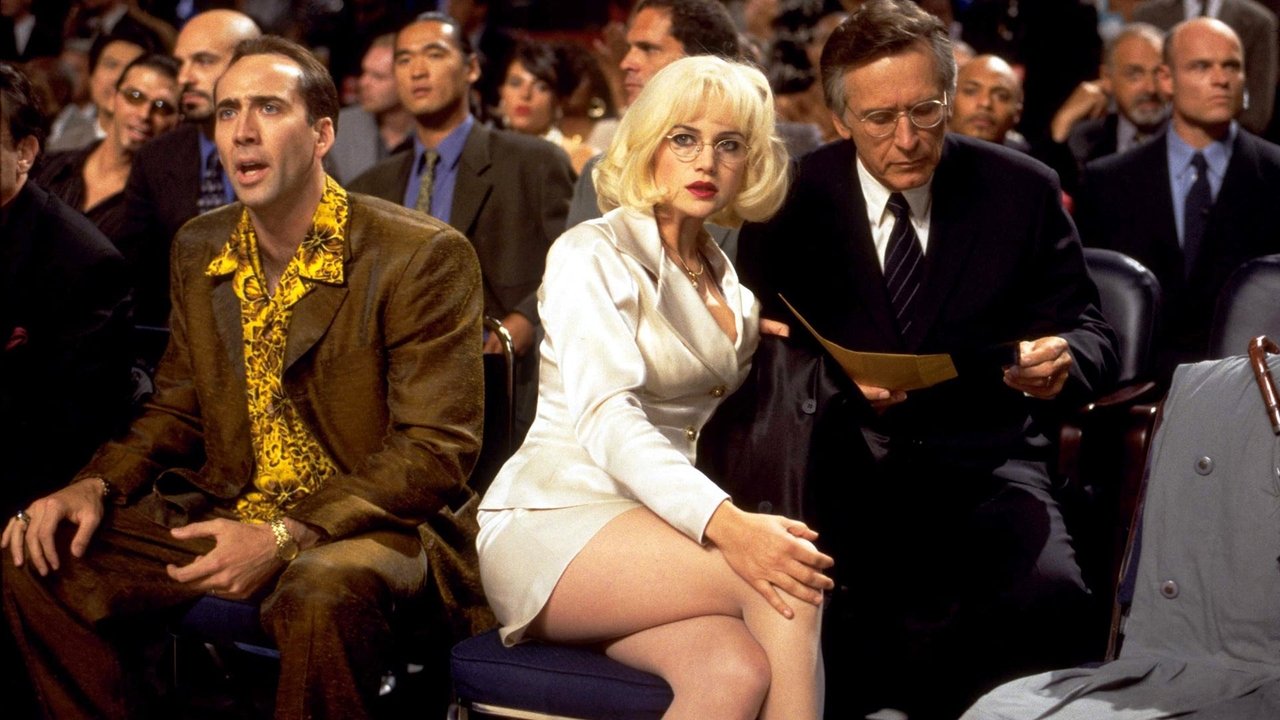
Santoro isn't just a cop; he's the self-proclaimed king of this kingdom, a peacock in a loud suit, working the angles, glad-handing shady characters, living large on borrowed time and dubious ethics. Cage, operating at peak '90s mania, embodies him with a volcanic energy that’s both captivating and slightly terrifying. He's our deeply flawed guide through a night that spirals rapidly out of control when the Secretary of Defense is assassinated ringside, right beside Santoro's old friend, Navy Commander Kevin Dunne (Gary Sinise, radiating coiled intensity). Suddenly, the exits are sealed – a literal hurricane raging outside mirroring the tempest of conspiracy and betrayal erupting within – and everyone becomes a suspect. De Palma, a master voyeur (Dressed to Kill (1980), Blow Out (1981)), locks us in this pressure cooker, forcing us to watch events unfold, rewind, and re-contextualize through different eyes.
A Symphony of Suspicion
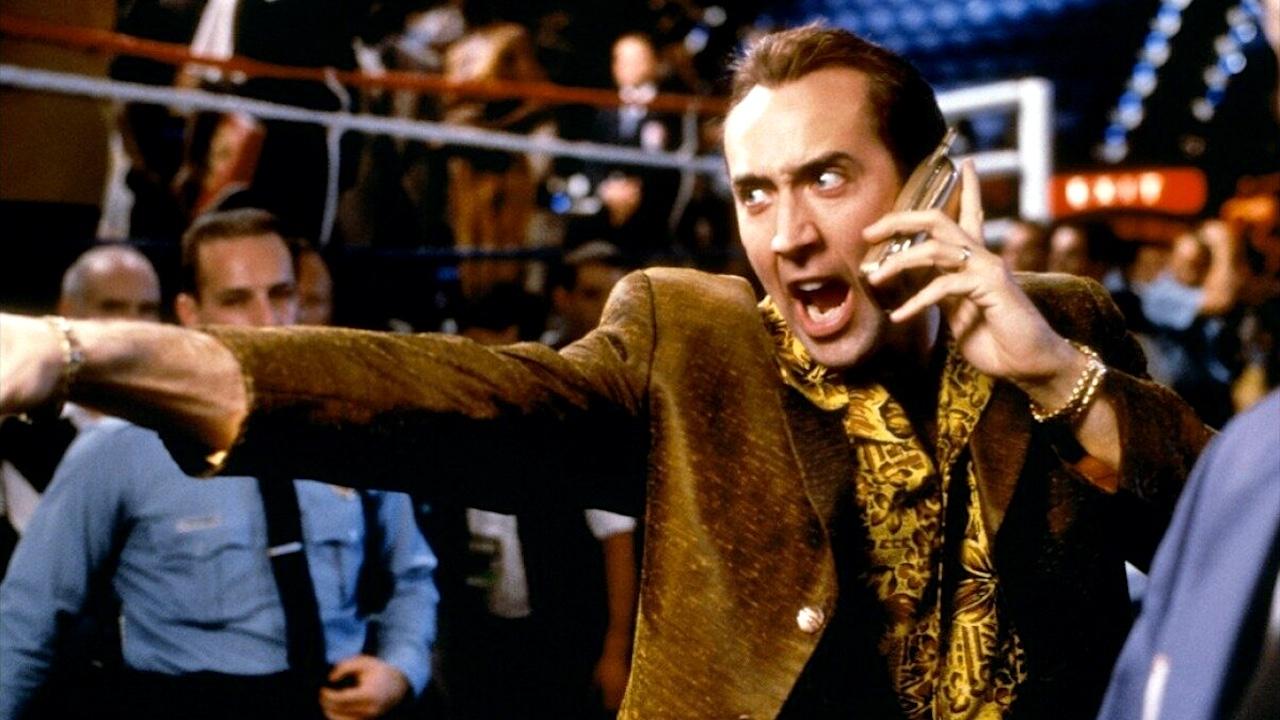
What follows is pure, uncut De Palma. We get the shifting perspectives reminiscent of Rashomon, the split screens dialing up the paranoia, the long, lingering shots that scrutinize every bead of sweat, every darting glance. The director, reunited here with screenwriter David Koepp after their blockbuster success with Mission: Impossible (1996), leans heavily into his Hitchcockian playbook. The camera becomes an active participant, sometimes gliding with balletic grace, other times leering from unsettling angles. Remember the overhead shot looking down through the hotel room ceiling? It’s pure De Palma, transforming a simple conversation into an act of intense surveillance, making the audience complicit voyeurs. The production design paints a picture of gaudy excess teetering on the brink of collapse, a perfect visual metaphor for Santoro’s own precarious world.
Retro Fun Facts: De Palma's High-Wire Act
That legendary opening sequence? While often celebrated as a single, unbroken 13-minute take, film historians and eagle-eyed viewers have noted subtle cuts cleverly disguised within whip pans or moments of darkness. Still, coordinating the thousands of extras, the Steadicam operator (the legendary Larry McConkey, who also worked on De Palma's Carlito's Way), and Cage's relentless movement was a monumental task. Reportedly, De Palma kept demanding more complexity, pushing the technical limits of the time. The film itself was shot largely at the defunct Montreal Forum, meticulously dressed to resemble the Atlantic City arena, adding another layer of manufactured reality to the proceedings. Interestingly, the film's original climax involved a massive tidal wave crashing through the casino – a sequence partially filmed but ultimately scrapped after test audiences reacted poorly, leading to the more contained, albeit somewhat controversial, ending we see today. It’s one of those fascinating “what ifs” of 90s cinema. The film carried a hefty $73 million budget, a testament to the studio's faith in De Palma's vision and Cage's star power at the time.
Style Over Substance?
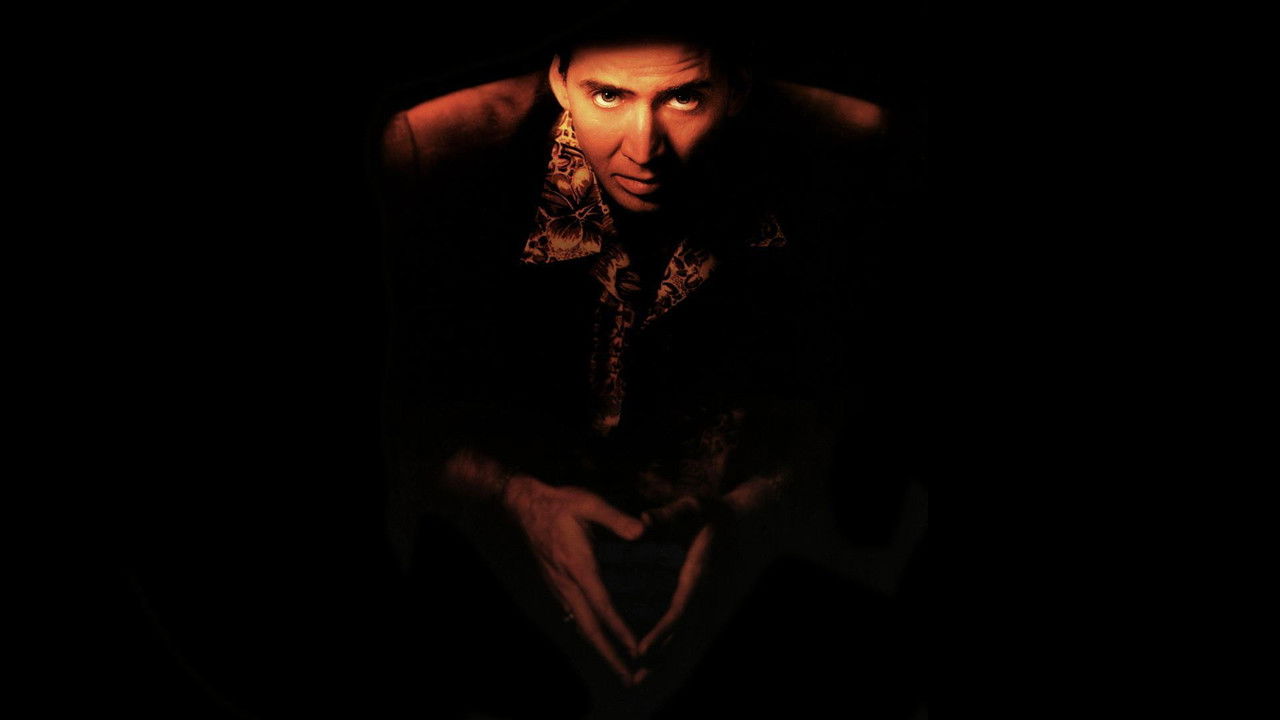
For all its technical brilliance and atmospheric dread, Snake Eyes isn't without its detractors. The conspiracy plot, while initially intriguing, becomes increasingly convoluted, relying on twists that occasionally strain credulity. Some find Cage’s performance, dialed up to eleven even by his standards, to be overwhelming rather than electrifying. Is it a bug or a feature? For fans of his unique brand of high-wire acting, it’s pure gold; for others, it might pull focus from the intricate plotting De Palma is attempting. The re-shot ending also feels somewhat abrupt, lacking the cathartic, large-scale release the rest of the film seems to build towards. Doesn't that slightly deflated finale leave you wondering about the spectacle we almost got?
Yet, even with its flaws, the film possesses a hypnotic quality. The palpable sense of claustrophobia, the murky morality where everyone seems compromised, and De Palma’s unwavering commitment to his distinct visual language make it a compelling watch. Gary Sinise provides a crucial anchor of simmering resentment and concealed motives, a perfect counterpoint to Cage’s explosive energy. And Carla Gugino brings a necessary vulnerability and mystery to her role as the enigmatic woman caught in the crossfire.
Final Verdict
Snake Eyes is a fascinating artifact of late 90s studio filmmaking – ambitious, technically dazzling, and dripping with style, even if the script occasionally fumbles the ball. It’s Brian De Palma indulging his obsessions on a grand scale, creating a visually arresting thriller that prioritizes atmosphere and directorial flourish. The opening sequence alone is worth the price of admission (or the rental fee back in the day!), a masterclass in cinematic momentum. While the plot gets tangled and the ending might feel like a compromise, the journey through that storm-lashed arena, guided by a truly unhinged Nicolas Cage, remains a potent and memorable slice of 90s paranoia. I distinctly remember the buzz around this one, the feeling that De Palma was really going for it.
Rating: 7/10
Why this score? Points are awarded for the sheer audacity and technical mastery of De Palma's direction, particularly the opening shot and visual style. Cage and Sinise deliver memorable performances fitting the heightened reality. The atmosphere is thick and effective. Points are deducted for the convoluted plot points in the latter half and the somewhat unsatisfying, studio-mandated ending that dampens the built-up tension.
It stands as a flawed but thrilling testament to a time when a major studio would gamble on a director's singular, stylish vision, delivering a conspiracy thriller that, despite its narrative bumps, still leaves you feeling caught in its voyeuristic, rain-lashed grip.