The fluorescent lights of the United Nations headquarters flicker, casting long shadows that seem to writhe with secrets. It’s a stage set for global diplomacy, but beneath the polished surface, darker games are afoot. This is the world of Neil Shaw, an operative so deep undercover his existence is barely a whisper. And in Christian Duguay’s The Art of War (2000), that whisper quickly turns into a scream of betrayal and relentless pursuit, a perfect slice of turn-of-the-millennium action paranoia that felt right at home on a well-worn VHS tape.
### Ghost in the Machine
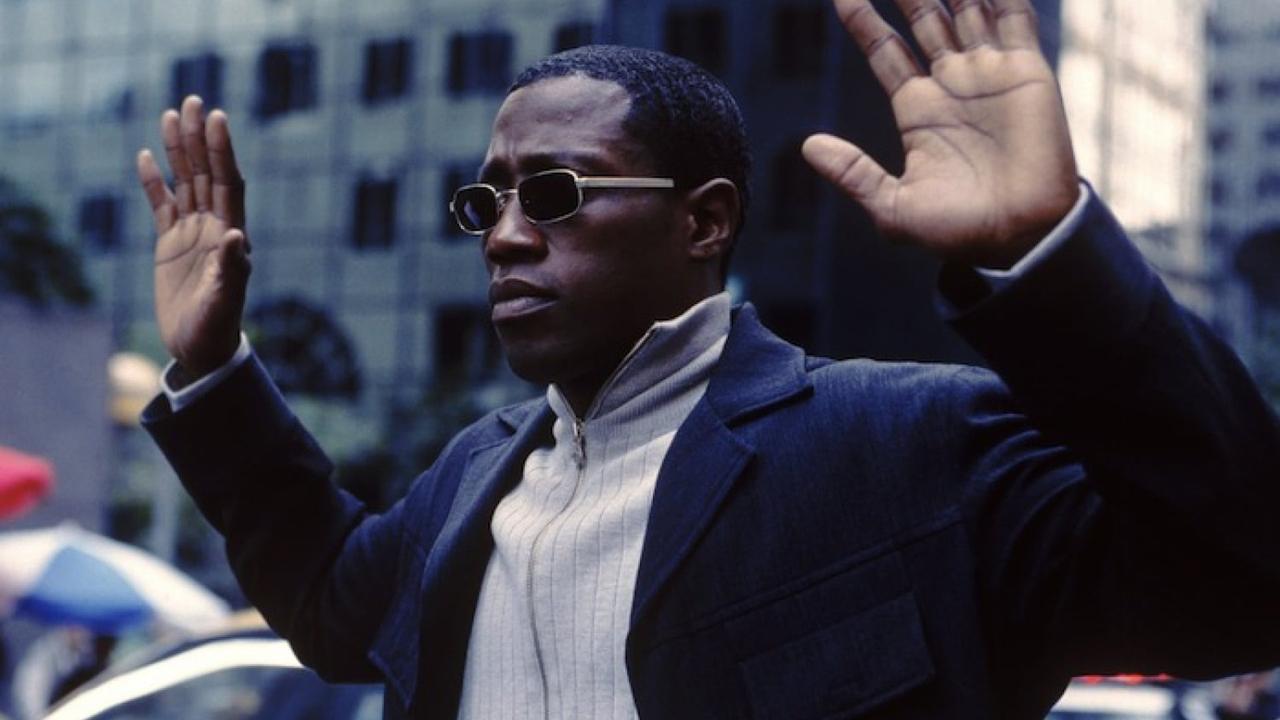
At the absolute peak of his action-hero prowess, Wesley Snipes embodies Shaw. He’s not just an agent; he’s practically a phantom, utilizing Sun Tzu's ancient strategies for modern espionage. Snipes, who also served as a producer on the film, brings that magnetic intensity he perfected throughout the 90s. Remember seeing him on the video box art? You knew you were in for sharp suits, sharper martial arts, and a plot that twists like a viper. Shaw is cool, hyper-competent, almost detached – a necessary trait when your job involves manipulating global events from the shadows for a clandestine UN black ops unit. This film hit just before the Jason Bourne era redefined the spy thriller; Shaw is more about calculated precision and infiltration than brute force, though he’s certainly capable when cornered.
The setup is classic cloak-and-dagger: a vital US-China trade agreement is on the verge of collapse, and Shaw’s team is pulling strings behind the scenes. Things go spectacularly wrong during a high-profile event, leaving the Chinese Ambassador dead and Shaw framed for the assassination. Suddenly, the ghost is flushed out, hunted by both the authorities and the shadowy figures who orchestrated the hit. The film plunges us into a frantic chase through sterile corridors, rain-slicked city streets (often Montreal standing in for New York, a common trick of the trade back then to stretch the reportedly hefty $60 million budget), and the neon glow of Hong Kong.

### A Tangled Web
The plot, penned by Wayne Beach and Simon Barry, throws twist after twist at the audience. Is Shaw’s handler, Eleanor Hooks (Anne Archer), truly on his side? What about the enigmatic Chinese businessman David Chan (Cary-Hiroyuki Tagawa, always a welcome presence)? And can the UN translator, Julia Fang (Marie Matiko), caught in the crossfire, be trusted? It’s a conspiracy maze that keeps you guessing, even if, looking back, some of the connections feel a little convenient, a hallmark perhaps of trying to pack maximum intrigue into a two-hour runtime. There were whispers of script tinkering during production, which might explain why certain plot threads feel a touch underdeveloped, but the core mystery remains compelling. Did that final reveal genuinely catch you off guard back then, or did you piece it together amidst the gunfire and explosions?
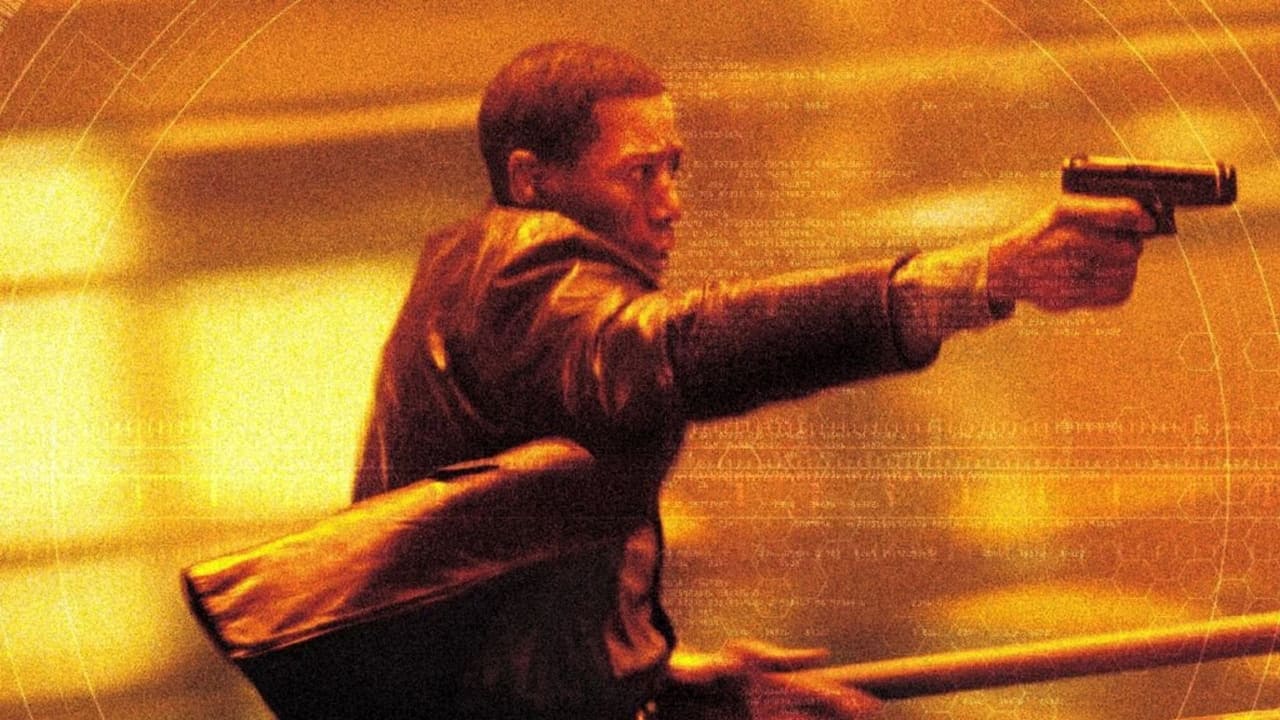
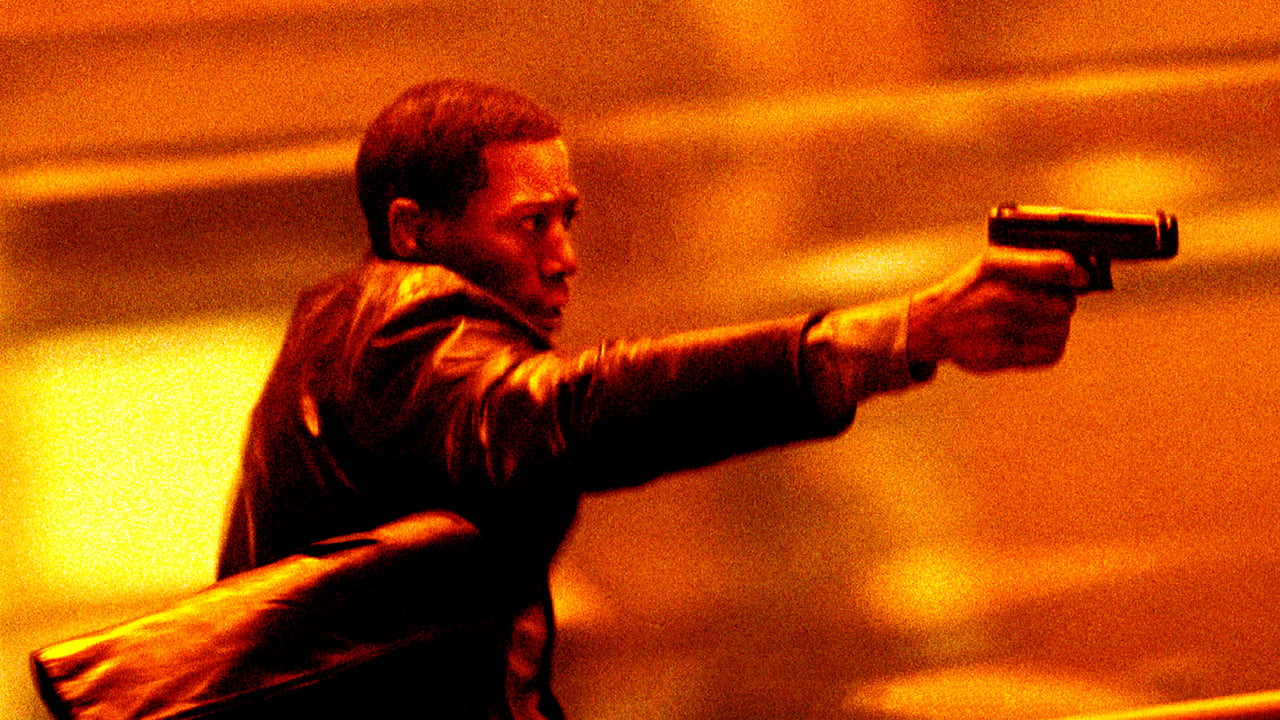
Director Christian Duguay, who had previously helmed the sci-fi thriller Screamers (1995), keeps the pace brisk. The action sequences are slickly edited and often brutal. One standout involves Shaw navigating a complex multi-level shootout and escape – it feels kinetic and genuinely dangerous. The practical effects, especially some of the squib work and fight choreography, have that tangible quality we often miss in today's CGI-heavy landscape. It wasn't aiming for realism necessarily, but for impact, and Duguay delivers moments that still land with satisfying crunch. Remember that specific feeling – the weight of the action felt different on those CRT screens, didn't it?
### More Than Just Kicks
Beyond the espionage thrills, The Art of War touches on themes of hidden power, surveillance, and the manipulation of information – ideas that feel perhaps even more relevant now than they did in 2000. Maury Chaykin provides some necessary grounding (and perhaps a touch of dark humour) as FBI Agent Capella, the dogged investigator trying to make sense of the chaos Shaw leaves in his wake. His dogged pursuit adds another layer of pressure to Shaw's already impossible situation.
While it wasn't a runaway blockbuster (grossing around $40 million worldwide against its sizable budget), The Art of War clearly found its audience on home video. Its blend of stylish action, Snipes’ star power, and a convoluted conspiracy plot made it perfect Friday night rental fodder. Its moderate success even spawned two direct-to-video sequels (starring Anthony 'Treach' Criss and later Sung Kang), cementing its status as a minor cult favourite within the action genre, even if they lacked the budget and Snipes' unique charisma.
### Final Verdict

The Art of War is a product of its time – a slick, slightly convoluted, but undeniably entertaining action-thriller driven by a star at the height of his powers. It delivers the espionage tropes, the stylish fights, and the paranoid atmosphere we craved from late-90s/early-00s action flicks. While the plot might occasionally tie itself in knots, Wesley Snipes is never less than compelling, and Christian Duguay directs with a confident, kinetic style. It's a film that reminds you of that specific era of action filmmaking – glossy, intricate, and built around a magnetic central performance. It might not be Sun Tzu’s definitive treatise, but it’s a solid chapter in the book of turn-of-the-century action cinema.
Rating: 6.5/10
This score reflects a solid, entertaining action vehicle carried by Snipes and featuring some well-executed sequences, but hampered slightly by a plot that occasionally gets tangled in its own complexity and supporting characters who could have been more developed. It delivers on the promise of its premise and star, making it a worthwhile watch for fans of the era, even if it doesn't quite reach classic status. It remains a compelling snapshot of a specific type of thriller, right before the genre landscape shifted dramatically.