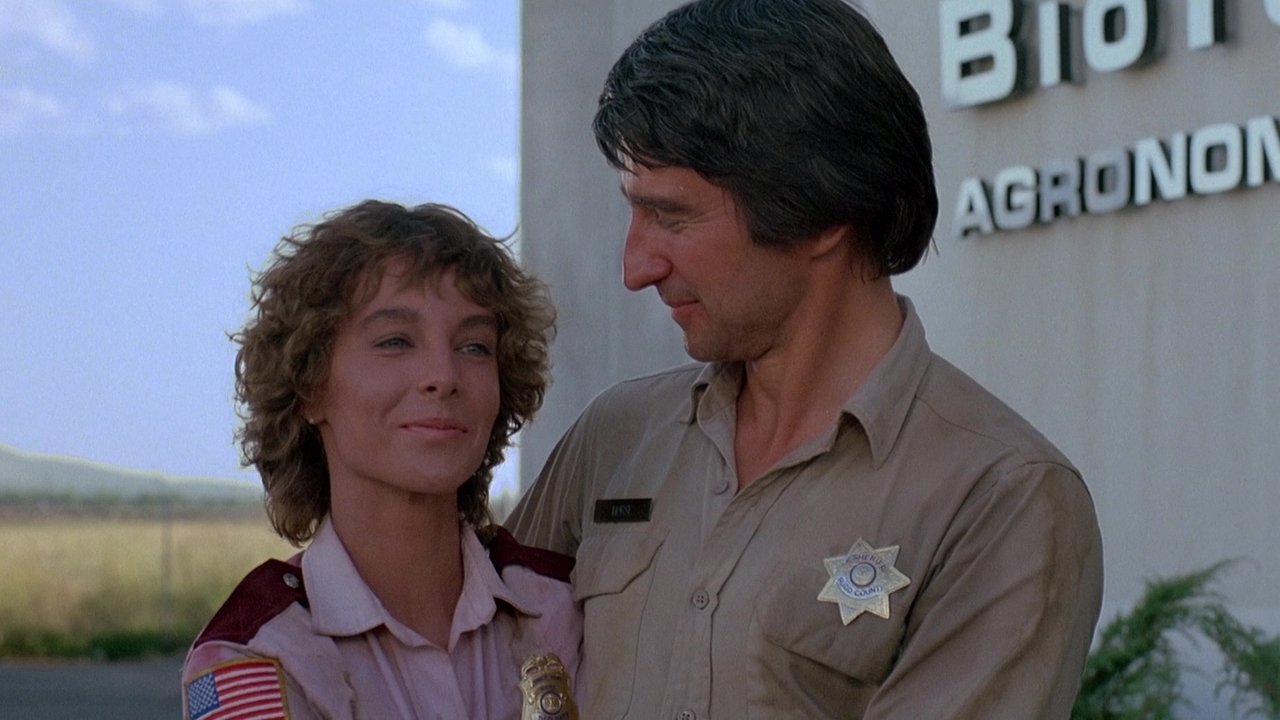
That imposing structure, the BioTek Agrotek facility, looms against the Utah sky not as a promise of progress, but as a sealed tomb waiting to happen. There's a chilling sterility to buildings like that, isn't there? Places where science pushes boundaries in windowless rooms, far from prying eyes. Warning Sign (1985) cracks that facade open, not with a bang, but with a whisper of containment breach, a silent killer unleashed, and the horrifying slam of emergency doors sealing fate inside. The dread doesn't come from a monster revealed, but from the unseen contagion and the primal fear of being trapped with something virulent and unknown.
### Sealed Fate
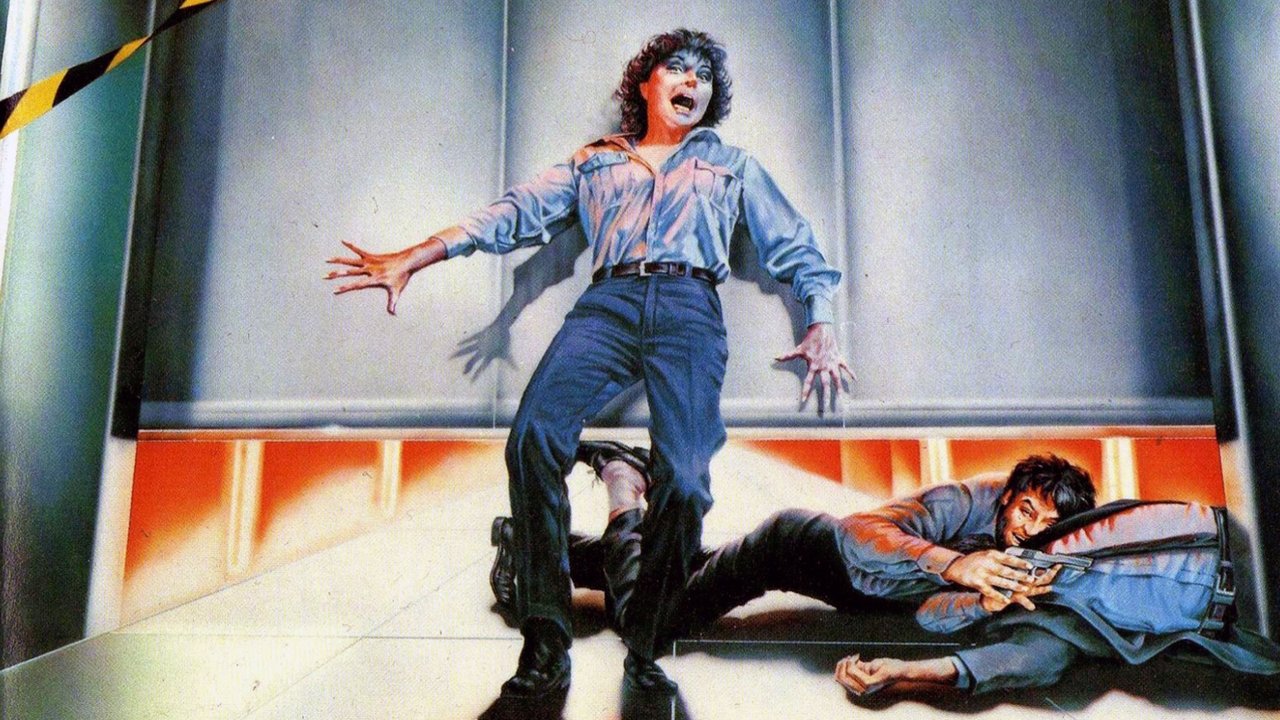
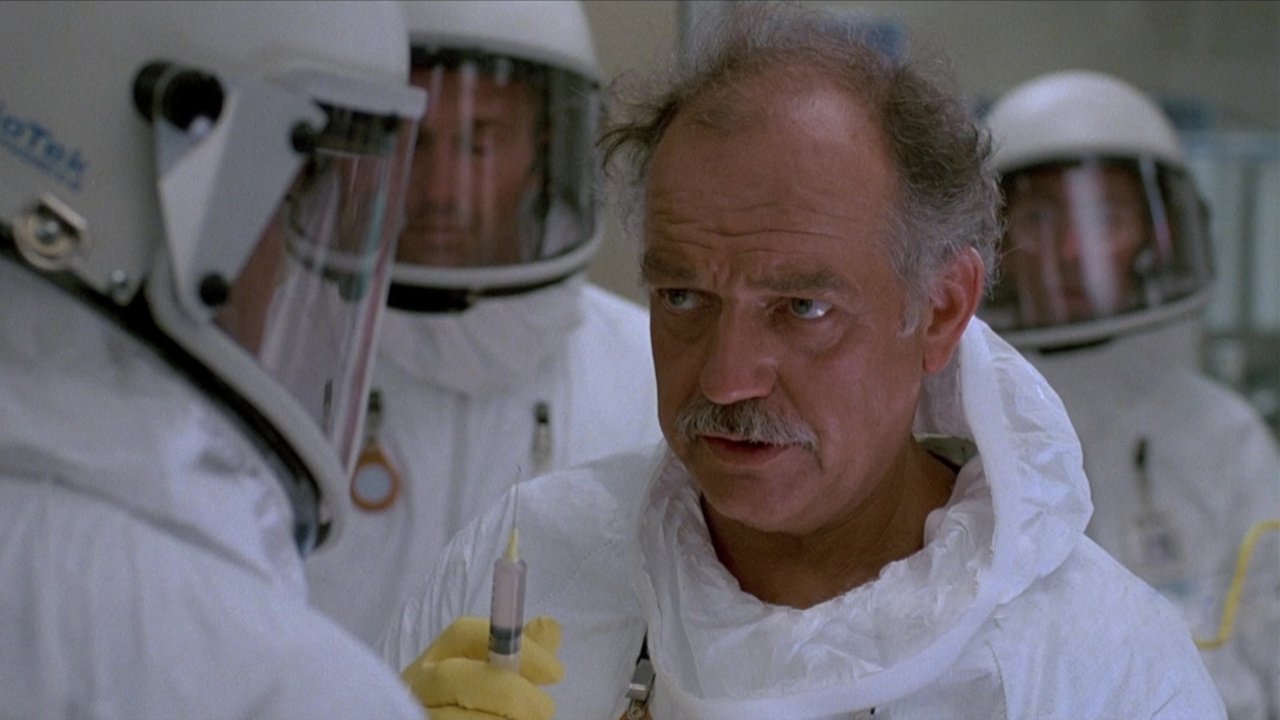
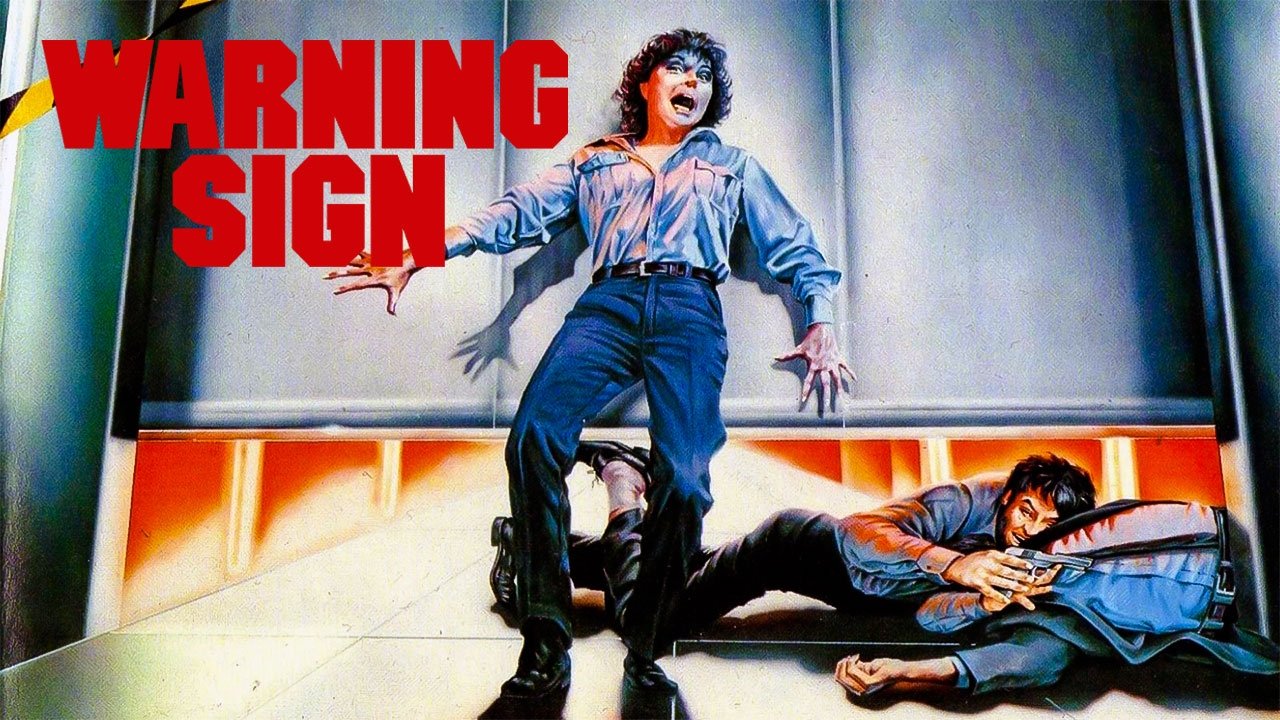
The premise grips with cold efficiency: a secret military experiment involving biological agents, hidden within a civilian agricultural research company, goes terribly wrong. A vial breaks, an aerosolized nightmare escapes, and automatic protocols trigger lockdown. Security chief Joanie Morse (Kathleen Quinlan) finds herself trapped inside with dozens of colleagues, while her husband, County Sheriff Cal Morse (Sam Waterston), is left desperately on the outside, battling bureaucracy and the military's chillingly detached cleanup crew, led by the formidable Major Connolly (Yaphet Kotto). It's a pressure cooker scenario that director Hal Barwood, making his directorial debut here after writing genre gems like Dragonslayer (1981) with partner Matthew Robbins, uses to ratchet up the tension incrementally. You feel the shrinking space, the rising panic, the dawning horror as colleagues turn strange, violent… infected.
### The Human Element Under Duress
What elevates Warning Sign beyond a simple contagion B-movie is the human drama at its core, anchored by strong performances. Kathleen Quinlan is outstanding as Joanie, portraying not a damsel in distress, but a competent professional fighting terror and infection with gritty resolve. You see the fear flicker in her eyes, but also the determination. Sam Waterston, often known for more cerebral roles, is pitch-perfect as the grounded, increasingly desperate Sheriff Cal. His frustration mirrors our own as he hits wall after wall, his love for his trapped wife driving him to defy protocols and the imposing military presence. And then there's Yaphet Kotto. Fresh off memorable turns in films like Alien (1979) and Blue Collar (1978), Kotto brings an immediate, steely authority to Major Connolly. He’s not cartoonishly evil, but represents the cold logic of containment at any cost, a force as implacable as the virus itself. His presence alone adds a layer of palpable tension to every scene he dominates.
### Manufacturing Unease
The film excels in building atmosphere. The sprawling, labyrinthine BioTek facility – parts of which were reportedly filmed inside the old Lockheed Building 90 in Burbank, a location with its own history steeped in aviation and perhaps secrets – becomes a character itself. Its corridors feel genuinely oppressive, the labs sterile yet menacing. The practical effects used to depict the infected, dubbed "Ragers" due to the aggression-inducing nature of the fictional bioweapon, are unsettlingly effective for their time. They aren't quite zombies, driven instead by chemically-induced hyper-aggression, which feels somehow more violationally disturbing. Remember how visceral practical makeup effects felt on grainy VHS, projected onto a humming CRT? That tactile sense of fleshy horror lands well here, avoiding gore for gore's sake but delivering moments of genuine physical threat. The score by Craig Safan also deserves mention, subtly underpinning the dread rather than relying on jump-scare stingers.
### Retro Fun Facts: Echoes of Reality
Watching Warning Sign today, it's impossible not to feel the chilling echo of real-world events. The film landed in theaters in August 1985, less than a year after the horrific Bhopal chemical disaster in India (December 1984). That tragedy, where a gas leak from a pesticide plant killed thousands, was terrifyingly fresh in the public consciousness, lending the film's premise an unsettling plausibility. Add to this the growing anxieties around the AIDS epidemic, and the fear of invisible, deadly contagions felt frighteningly current. Hal Barwood and Matthew Robbins, whose partnership often yielded thoughtful genre work (Robbins also co-wrote The Sugarland Express (1974) and had story credit on Close Encounters of the Third Kind (1977)), tapped directly into this zeitgeist. Despite its genre trappings and modest $3 million budget (which sadly didn't translate to box office success, barely scraping back $2.3 million domestically), the film felt grounded in contemporary fears. It wasn’t just science fiction; it felt like something that could happen.
### Lasting Symptoms?
Warning Sign isn't perfect. The pacing occasionally lags, and some plot mechanics feel a little convenient. Yet, it remains a surprisingly effective and atmospheric biological thriller from an era filled with more bombastic threats. It smartly prioritizes suspense and claustrophobia over outright gore, and the core performances lend it a weight often missing in similar B-movie fare. It sits comfortably alongside other 80s paranoia thrillers, perhaps less celebrated than The Andromeda Strain (1971) which obviously paved the way, or later entries like Outbreak (1995), but possessing its own distinct, chilling identity. Does that final, desperate struggle against the locked doors and the ticking clock still grip you? For me, the contained panic and the grounded performances ensure it does.
VHS Heaven Rating: 7/10
Justification: Warning Sign earns its score through its effective atmosphere, strong central performances (especially Quinlan and Kotto), and genuinely suspenseful premise that tapped into real-world anxieties of the mid-80s. The practical effects are unnerving for the era, and the claustrophobic setting is well-utilized. It loses points for occasional pacing issues and some predictable plot beats, but ultimately delivers a solid, tense B-movie experience that feels authentic to its time.
Final Thought: A criminally underseen slice of 80s paranoia, Warning Sign is a potent reminder from the VHS vaults that sometimes the most terrifying threats are the ones we can't see, sealed away just behind reinforced doors. It’s the kind of quiet chiller that might have kept you glancing nervously at industrial buildings on your late-night drive home from the video store.