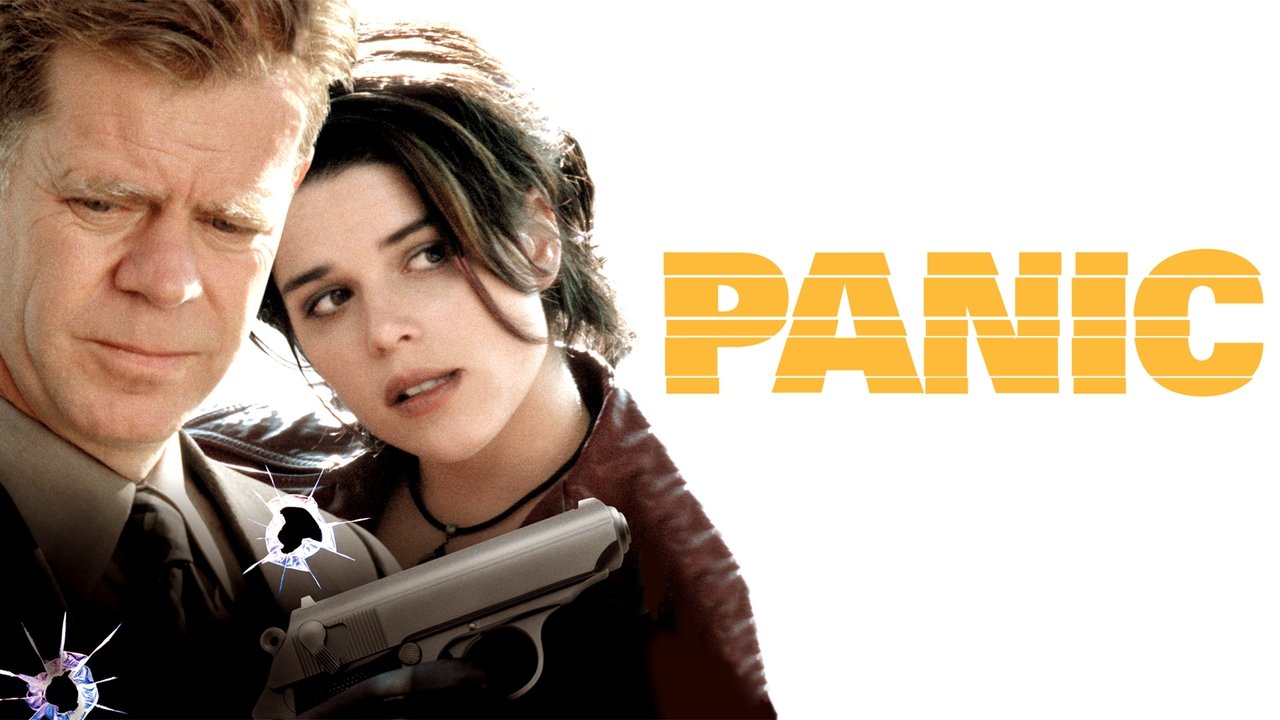
Okay, pull up a chair, maybe grab a lukewarm soda left over from movie night. Let's talk about a film that arrived right as the millennium turned, feeling perhaps like the last gasp of a certain kind of thoughtful, character-driven indie filmmaking that thrived in the late 90s: Henry Bromell's directorial debut, Panic (2000). It might have missed the peak VHS boom by a hair, landing just as DVDs were taking hold, but for many of us, discovering it felt exactly like finding that slightly worn tape on the "New Releases" wall – promising something different, something quieter yet potentially more unsettling than the usual fare.
### The Man Who Knew Too Little (About Himself)
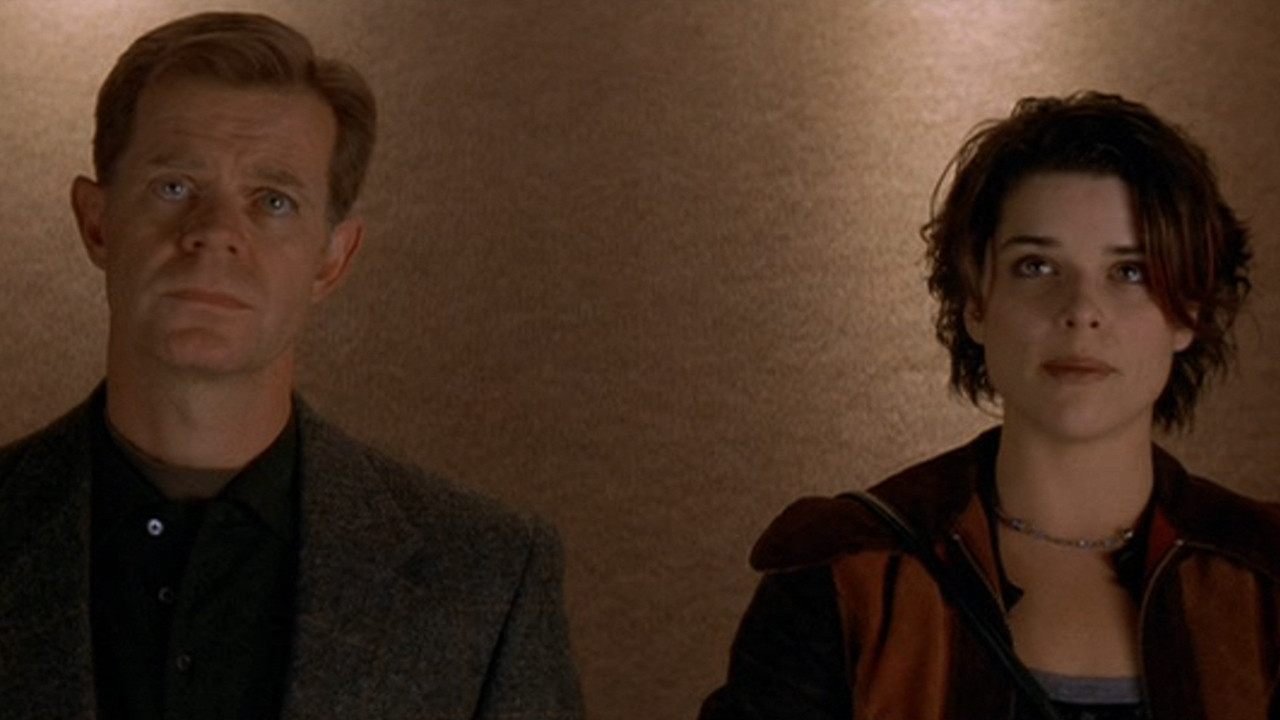
What grabs you immediately about Panic isn't explosions or high-stakes chases, but the profound weariness etched onto William H. Macy's face. Macy, already a master of portraying souls simmering in quiet desperation (think Fargo (1996) or Magnolia (1999)), is Alex, a man trapped not just in a midlife crisis, but in a life utterly alien to his gentle nature. He’s a professional killer, a trade inherited from his chillingly pragmatic father, played with icy command by Donald Sutherland. The film’s central, darkly absurd conceit? Alex starts seeing a therapist.
It’s in that therapist’s waiting room that the film’s fragile heart begins to beat. There, Alex meets Sarah, played with a captivating mix of free-spirited energy and underlying vulnerability by Neve Campbell, then navigating roles beyond the Scream franchise that made her a 90s icon. Their connection is hesitant, complicated by Alex’s terrifying secret and Sarah’s own nascent anxieties. The therapy sessions themselves, with the perfectly cast, dearly missed John Ritter as Dr. Josh Parks, become the stage for Alex's agonizing internal conflict.
### Against Type, Against Destiny
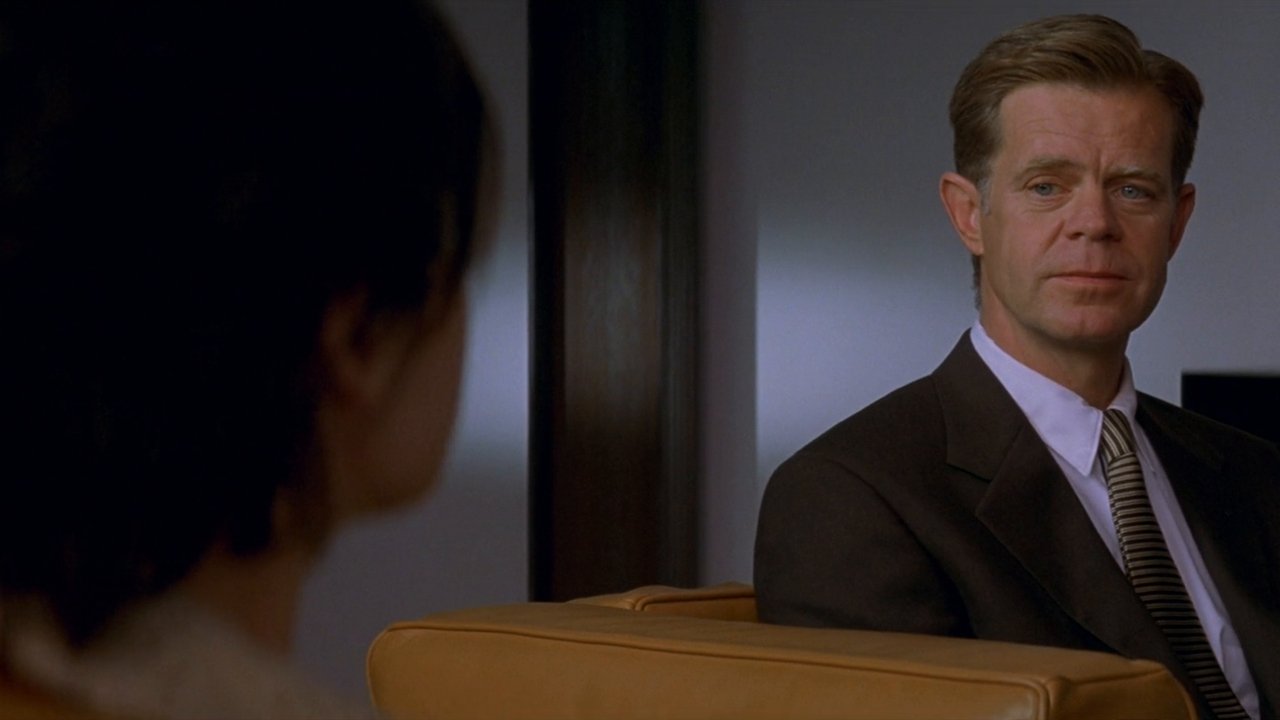
The casting here feels almost like destiny itself. Macy is Alex; his slumped shoulders and perpetually worried eyes convey volumes before he even speaks. Donald Sutherland brings a terrifying gravitas as the patriarch, embodying the suffocating weight of familial expectation. But the real revelation, the one that likely sparked conversations back at the video counter, was John Ritter. Known predominantly for his masterful physical comedy in Three's Company, Ritter had already shown dramatic depth in films like Sling Blade (1996). Here, as the compassionate but increasingly unnerved therapist, he’s simply brilliant. His reactions – subtle shifts in expression, the dawning horror mixed with professional concern – mirror our own. It's a performance that reminds us what a versatile talent we lost. Tracey Ullman also delivers a typically strong performance as Alex’s oblivious wife, adding another layer to his suffocating domesticity.
Writer-director Henry Bromell, primarily known for his exceptional work in television (like the gritty realism of Homicide: Life on the Street or later, Homeland), brings a similar character-first sensibility to Panic. Apparently, the script had been kicking around since the early 90s, born from Bromell's own reflections on therapy and complex father-son dynamics (his own father was reportedly a CIA agent). You can feel that long gestation period in the script's thoughtful layers. It's less interested in the mechanics of hitman B-movies and far more invested in the internal landscape of its protagonist. How does a man break a cycle seemingly forged in iron? Can you truly escape your inheritance, especially when it involves murder?
### That Sundance Buzz and Quiet Release
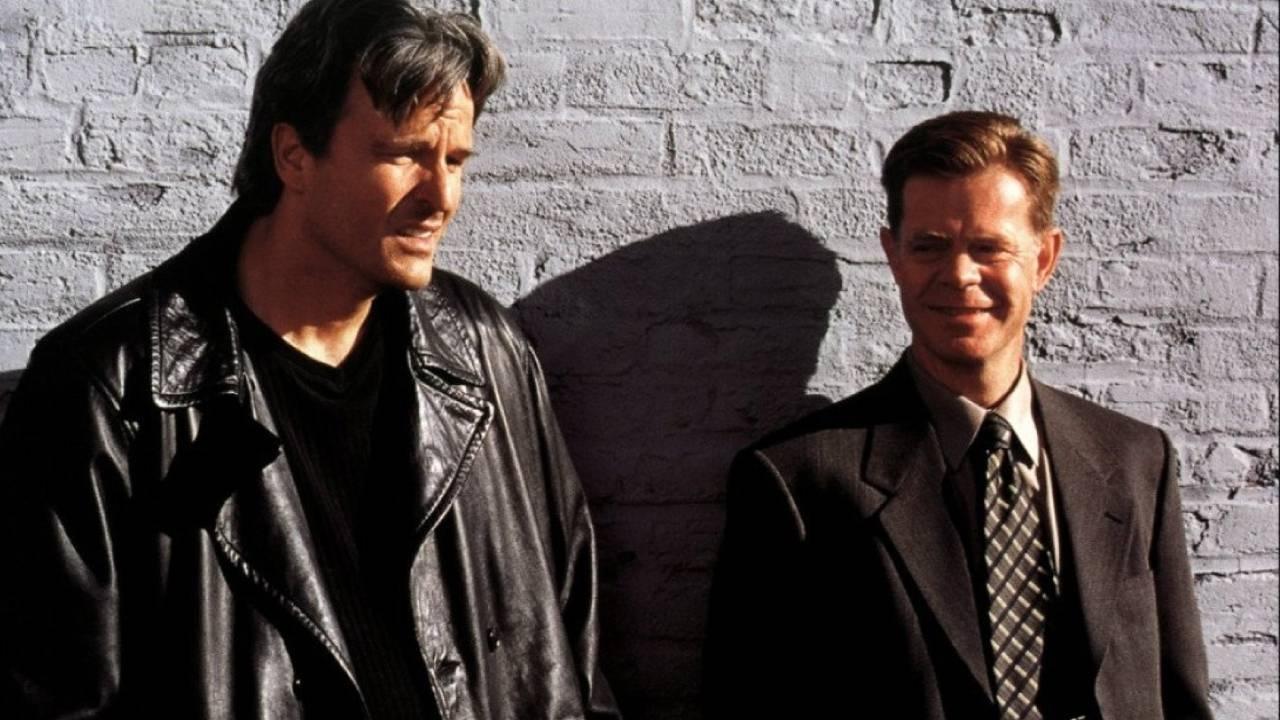
Panic premiered at the Sundance Film Festival in 2000, gathering positive notices, particularly for the performances. Yet, it received only a limited theatrical release, meaning for many, it truly became a discovery on home video – that quintessential "VHS Heaven" experience. It didn't boast a massive budget (details are scarce, but it has the lean feel of an indie production) or flashy effects. Its power lies in the quiet tension, the unsettling blend of mundane therapy sessions with the deadly seriousness of Alex’s profession. The film asks profound questions: What defines us? Can we rewrite our own narratives? There's a palpable sense of dread, but it's psychological, stemming from Alex's impossible predicament. Bromell uses the Los Angeles setting not for glamour, but for its sprawling anonymity, a perfect backdrop for a man trying to disappear from his own life.
One fascinating tidbit is how Macy became attached early on, recognizing the potential in this unusual character study long before it reached the screen. It feels like a role he was destined to play, capturing that specific blend of weakness and surprising resilience. The film doesn’t offer easy answers. Alex's journey is fraught, his choices agonizing. It makes you wonder, doesn't it? What invisible legacies are we all carrying, and what would it take to finally set them down?
### Final Thoughts: A Gem Worth Seeking
Panic is a slow burn, a film that trusts its audience to lean in and appreciate the nuances of performance and the weight of unspoken thoughts. It’s a character study masquerading as a thriller, or perhaps a thriller grounded in painful psychological reality. The blend of dark humor, genuine pathos, and quiet suspense feels unique, especially carrying that late-90s indie spirit into the new millennium. It might have slipped under the radar for some, but its performances, particularly from Macy and Ritter, make it a truly compelling watch.
Rating: 8/10
This rating reflects the exceptional performances across the board, Henry Bromell's assured and thoughtful direction in his debut, and a script that dares to explore complex themes with intelligence and sensitivity. It avoids genre clichés, crafting something more melancholic and memorable. It loses a couple of points perhaps for a slightly deliberate pace that might test some viewers, but its quiet power is undeniable.
It's one of those films that lingers, prompting reflection long after the credits roll. A perfect example of the kind of hidden gem you used to stumble upon in the aisles, proving that sometimes the quietest stories resonate the loudest.