Okay, settle in and pop that tape in the VCR – remember adjusting the tracking? Tonight, we're revisiting a film that might have surprised you back in '99, nestled perhaps between the flashier blockbusters on the rental shelf: Ted Demme's ambitious comedy-drama, Life. It promised Eddie Murphy and Martin Lawrence shenanigans, and while it delivered laughs, it smuggled in a whole lot more heart and history than the poster might have suggested.
### More Than Just a Buddy Flick
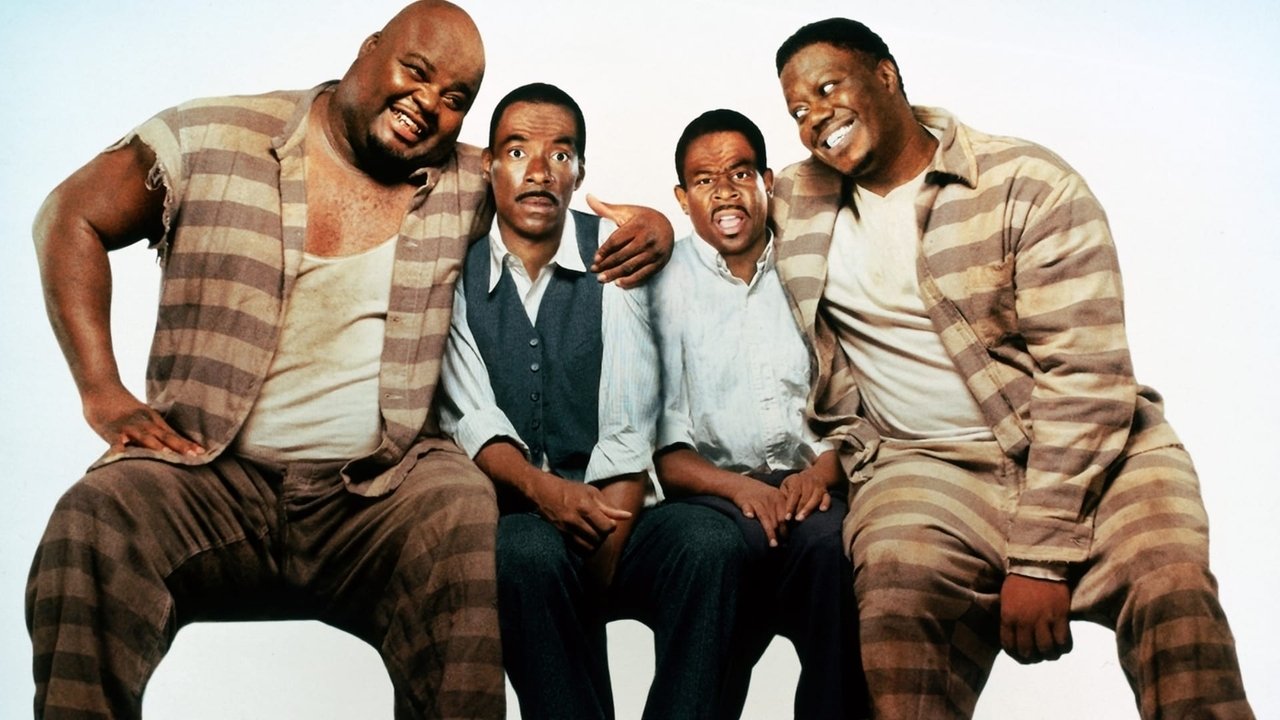
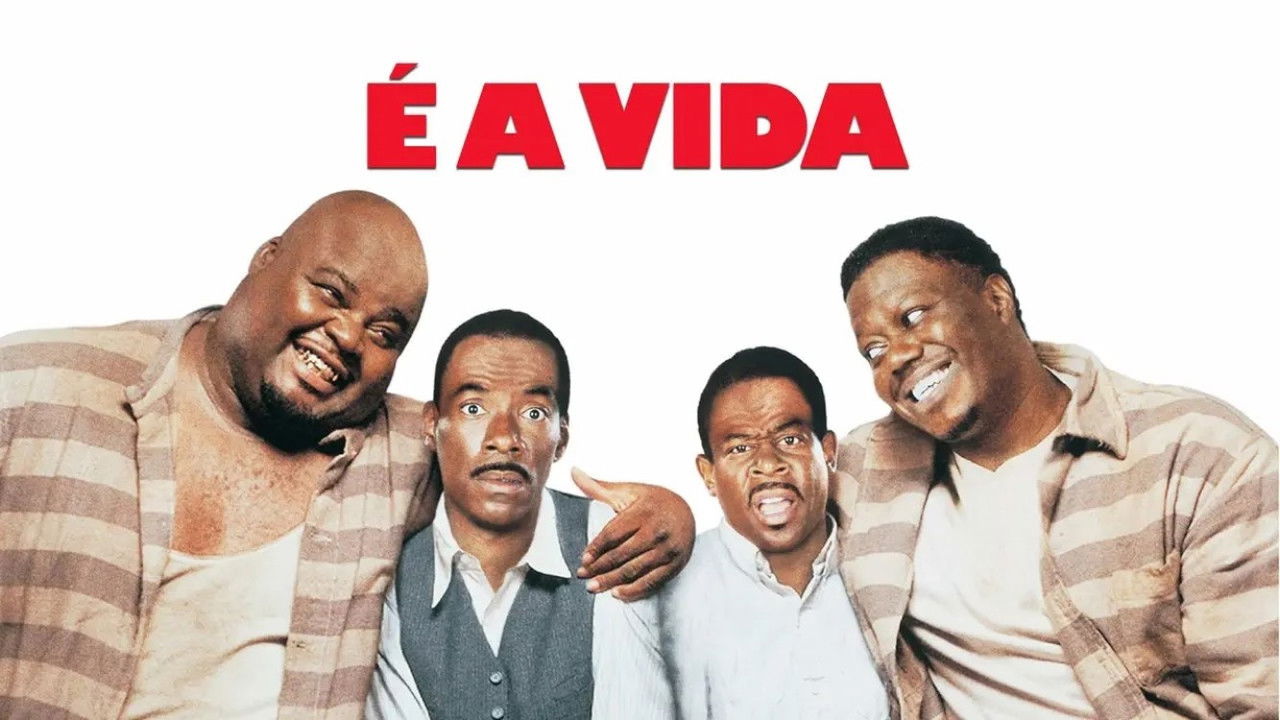
Let’s be honest, seeing Eddie Murphy and Martin Lawrence paired up again after Boomerang (1992) probably set certain expectations. You likely grabbed this VHS expecting wall-to-wall laughs, maybe a high-concept gimmick. What unfolded, however, was something far richer and, frankly, more poignant. Life throws smooth-talking con man Ray Gibson (Murphy) and nerdy bank teller Claude Banks (Lawrence) together during Prohibition-era New York, framing them for a murder they didn't commit down in Mississippi. The sentence? Life.
What follows isn't just a prison escape plot; it's the sprawling story of their decades-long incarceration, tracing their reluctant friendship, their dashed hopes, and their resilience against the backdrop of a changing America, all seen from behind bars. It was a bold swing, blending broad comedy with the grim reality of wrongful conviction and the slow crawl of time in prison. Director Ted Demme, who also gave us the gritty Blow (2001) just a couple of years later before his untimely passing, showed a real knack here for balancing the light and the dark.
### Decades in the Making (Literally)
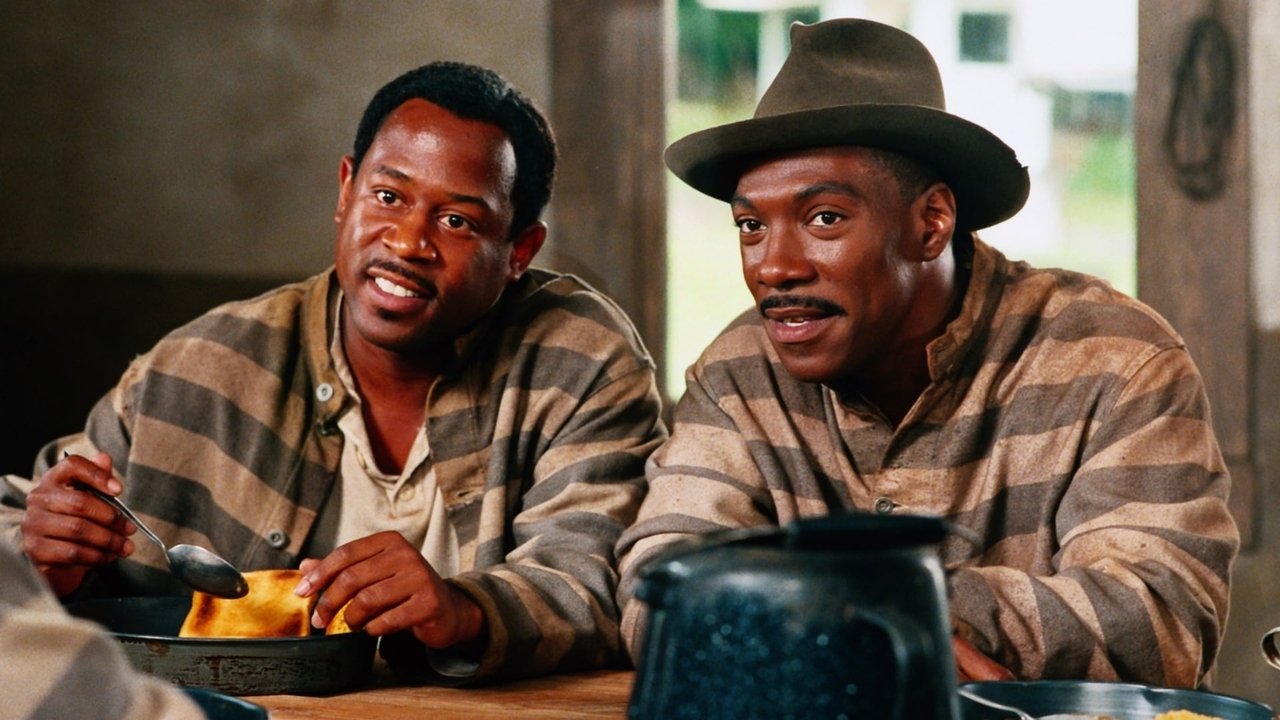
One of the most striking things about Life, especially watching it now, is the sheer ambition of its timeline. Spanning over 60 years, the film relies heavily on the magic of practical makeup effects to age our leads. And who better for the job than the legendary Rick Baker? This is the guy who transformed actors in An American Werewolf in London (1981) and Murphy himself in Coming to America (1988). The makeup work here is phenomenal, convincingly taking Ray and Claude from young bucks to weathered old men. Apparently, the aging makeup process for the final scenes took around five hours each day for Murphy and Lawrence. Think about that dedication – sitting in a chair longer than the runtime of most movies, just to get ready! It's that kind of practical craft that grounded even the film's most fantastical elements in a tactile reality, something often missing in today's digital age.
Murphy and Lawrence absolutely commit. Murphy dials back his usual manic energy to give Ray a simmering resentment beneath the charm, while Lawrence finds a deep well of frustration and quiet dignity in Claude. Their chemistry is undeniable, evolving from initial antagonism to a believable, if often cantankerous, lifelong bond forged in shared adversity. Do you remember how genuinely moving some of their later scenes were, even amidst the jokes?
### The Walls Have Ears (and Great Character Actors)
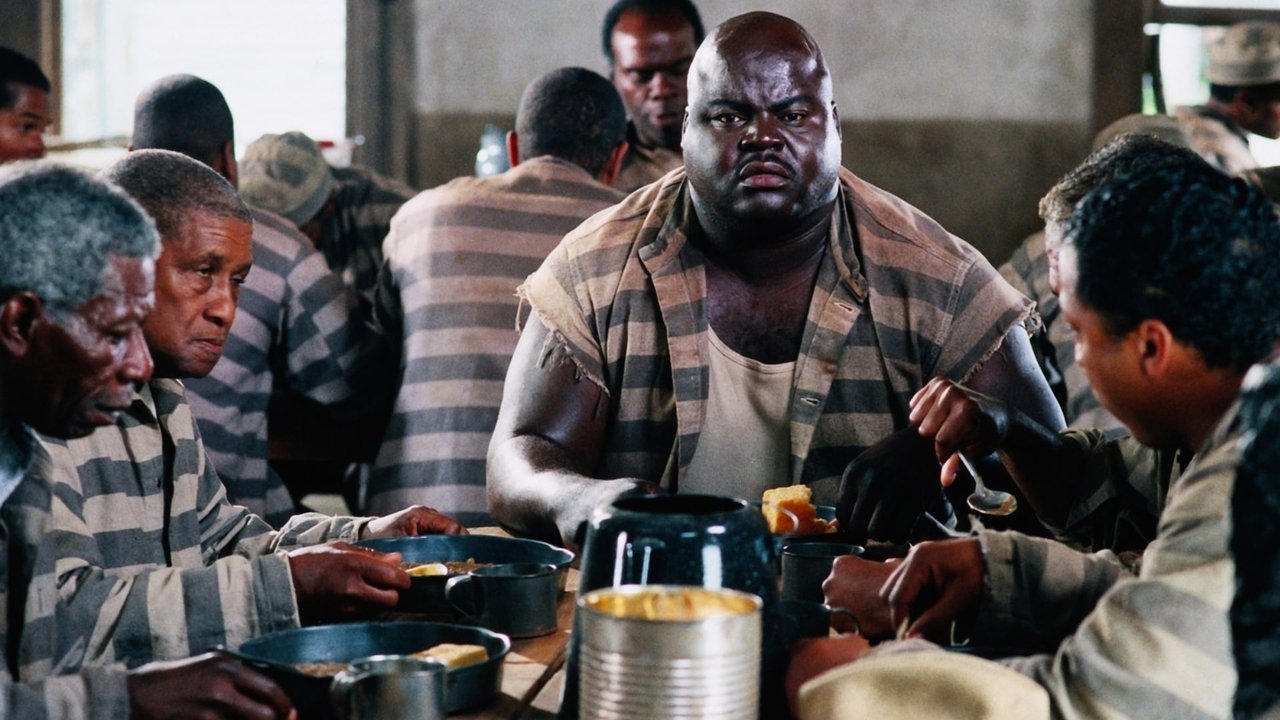
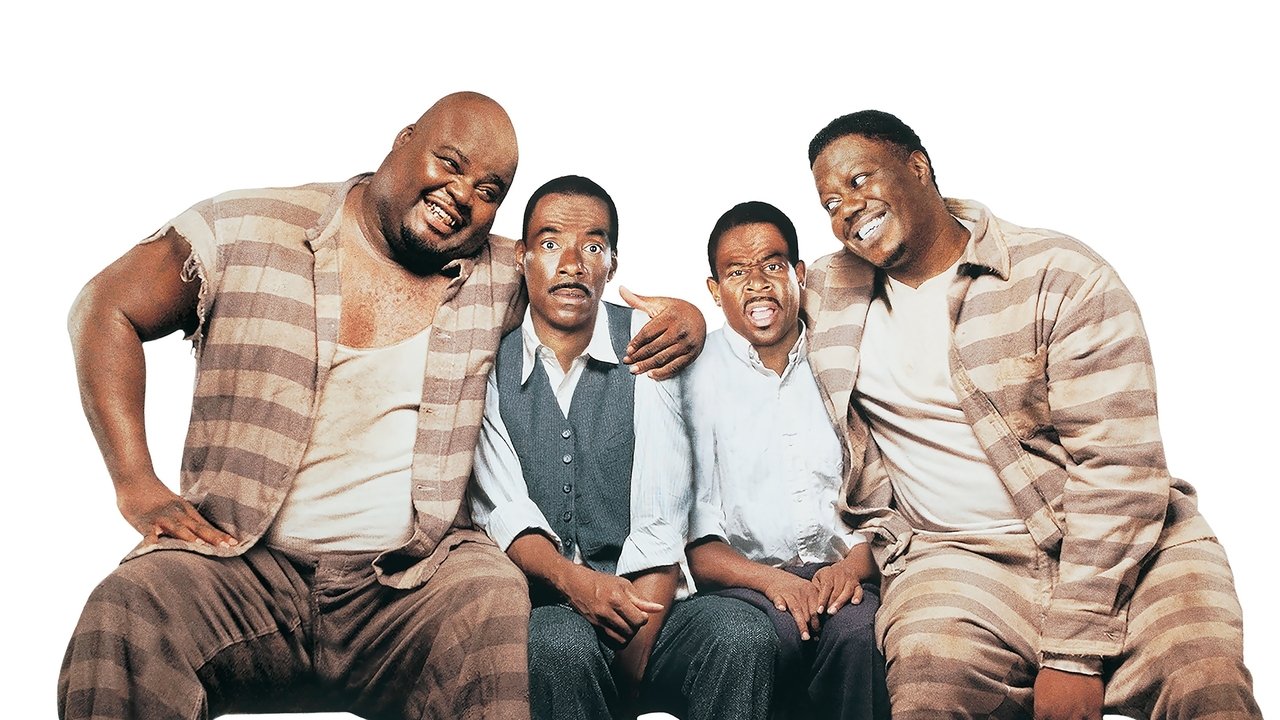
While Murphy and Lawrence carry the film, Life boasts a fantastic supporting cast inhabiting the Mississippi State Penitentiary, aka Parchman Farm. Obba Babatundé is heartbreakingly good as Willie Long, the narrator whose own story frames the narrative. We also get memorable turns from Bernie Mac as the imposing Jangle Leg, Miguel A. Núñez Jr. as the flamboyant Biscuit, Clarence Williams III as the seemingly ancient Winston Hancock, and even an early appearance from Anthony Anderson. Each adds texture to the prison ecosystem, making Parchman feel like a real, lived-in place, albeit a miserable one. The script, credited to Robert Ramsey and Matthew Stone, does a solid job of giving these characters moments to shine, reminding us that Ray and Claude weren't the only lives ticking away behind those walls.
Interestingly, the film faced a bit of a mixed critical reception upon release. Some found the blend of comedy and serious drama jarring, maybe expecting something more straightforward from its stars. It grossed around $73 million worldwide against a reported $80 million budget, so it wasn't a runaway smash hit initially. However, like many films we cherish here at VHS Heaven, it found its audience over time, particularly on home video and cable, where its unique tone and heartfelt performances could be appreciated without blockbuster expectations. It became one of those movies people rediscovered and recommended, a true word-of-mouth grower.
### Finding the Humor in Hardship
The comedy in Life often springs from the characters' reactions to their absurdly harsh circumstances – the petty squabbles, the running gags (like the eternally sought-after cornbread), the small victories against the system. It’s a humor born of resilience, not slapstick. Some jokes might feel a bit dated now, sure, but the core emotional journey remains powerful. The film doesn't shy away from the racism and injustice inherent in its setting and premise, lending a surprising weight to the proceedings. It uses the passage of time, marked by changing music, social attitudes filtering in from the outside world, and the evolving dynamics within the prison, to underscore the tragedy of stolen years.
Rating: 8/10
Life earns this score for its sheer ambition, the incredible commitment from Eddie Murphy and Martin Lawrence, Rick Baker's masterful practical makeup, and its surprisingly effective blend of humor and pathos. It dared to be more than just a star vehicle comedy, offering a decades-spanning story of friendship and injustice that sticks with you long after the credits roll.
Final Rewind: It might have looked like standard late-90s comedy fare on the box, but Life was playing a longer game – a surprisingly moving epic hiding inside a buddy picture. It’s a potent reminder that sometimes, the most enduring stories found on those well-worn VHS tapes were the ones that dared to mix laughter with tears, leaving you with more than just a few chuckles. Definitely worth revisiting.