It’s a strange cocktail, isn’t it? Terminal illness, buddy comedy, road trip, and gangsters hot on your tail. Yet, somehow, Thomas Jahn’s 1997 German breakout hit, Knockin' on Heaven's Door, mixes these volatile ingredients into something unexpectedly poignant, funny, and genuinely moving. Forget the Hollywood gloss; this film arrived with a gritty charm and a heartfelt sincerity that felt like discovering a hidden gem tucked away on the 'World Cinema' shelf at the local video store, promising something different, something real.

Two Tickets to Paradise, One Stolen Mercedes
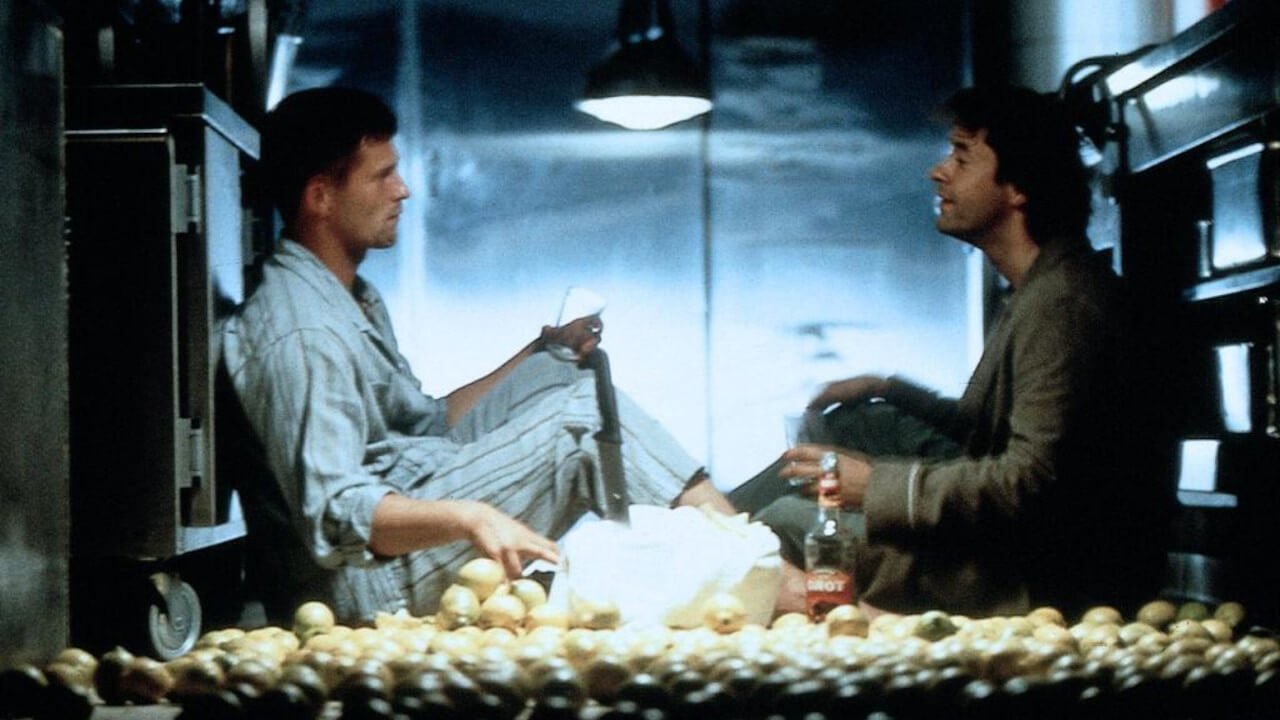
The setup is beautifully simple, almost stark. We meet Martin Brest (Til Schweiger, who also co-wrote the screenplay with director Jahn) and Rudi Wurlitzer (Jan Josef Liefers) sharing a hospital room. Martin is the tough guy grappling with a brain tumor; Rudi is the timid worrier diagnosed with bone cancer. Neither has long left. Over a bottle of tequila liberated from the hospital stores, staring at the bleak ceiling tiles, they have a revelation: Rudi has never seen the ocean. Martin, never one to let a little thing like impending death or hospital confinement get in the way, decides this injustice must be rectified. Their destination? The North Sea. Their ride? A gorgeous sky-blue Mercedes 230 SL "Pagoda" they impulsively steal from the hospital parking lot. Simple, right?
Except, of course, the classic Merc belongs to a pair of bumbling gangsters (including a pre-Run Lola Run Moritz Bleibtreu) and happens to have a cool million Deutschmarks stashed in the boot. Suddenly, our unlikely heroes aren't just racing against time; they're fleeing inept mobsters and the increasingly bewildered police, creating a trail of chaotic goodwill and accidental mayhem across Germany.
Laughter Through Tears
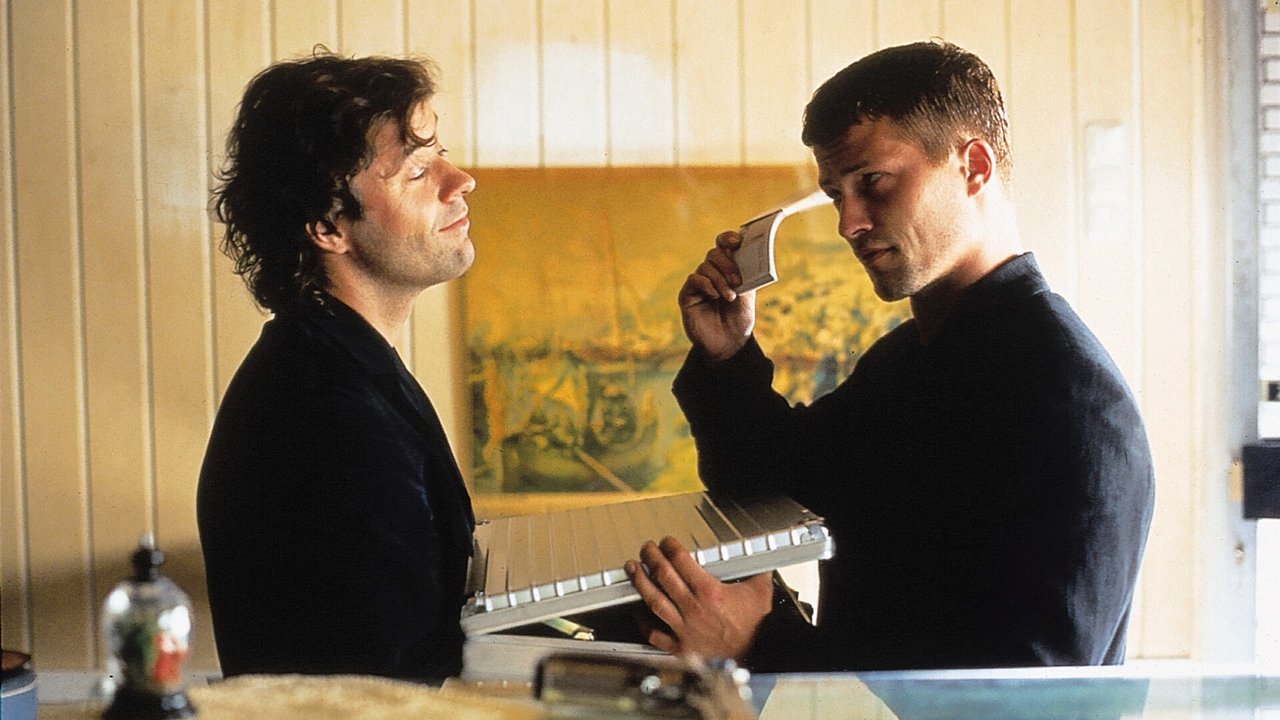
What makes Knockin' on Heaven's Door resonate so strongly, even decades later, is its masterful balancing act. Jahn, in his remarkably assured directorial debut, navigates the tonal shifts with surprising grace. One moment, you're chuckling at Martin and Rudi's awkward attempt at a bank robbery (motivated purely by needing funds for their trip and fancy new suits), or their sheer joy at fulfilling items on a spontaneous bucket list. The next, the reality of their situation hits home – a coughing fit, a moment of pain, a quiet conversation acknowledging the inevitable. It never feels cheap or manipulative; the humor arises naturally from the absurdity of their situation, and the pathos stems from the genuine bond forming between these two opposites forced together by fate.
The chemistry between Schweiger and Liefers is the absolute heart of the film. Schweiger, often known for more straightforward tough-guy roles, brings a vulnerability beneath Martin’s swagger. Liefers is pitch-perfect as the initially fearful Rudi who discovers a quiet courage he never knew he possessed. Watching their friendship deepen amidst car chases and confrontations is genuinely affecting. You believe in their shared mission, their fears, and their growing affection for one another.

Retro Fun Facts & Roadside Charm
Made on a relatively modest budget (around DEM 4.5 million, or about €2.3 million), Knockin' on Heaven's Door became a colossal success in Germany, pulling in over 3 million viewers and proving that heartfelt stories could compete with big-budget imports. Its success launched Thomas Jahn's career and further cemented Til Schweiger as a major German star. The title, of course, comes from the Bob Dylan classic, hauntingly covered for the film by German band Selig, becoming an instantly recognizable part of its identity.
And who could forget the cameo? The legendary Rutger Hauer appears briefly as a crime boss, lending his imposing presence to the proceedings. Apparently, Hauer loved the script so much he agreed to do the part for free – a testament to the quality of the story Jahn and Schweiger crafted. The film doesn't rely on flashy effects, instead grounding its action in believable (if chaotic) scenarios and letting the emotional journey take center stage. The stolen Mercedes itself became almost another character, a symbol of freedom and fleeting luxury on their final adventure.
Why It Still Hits Home
Beyond the gangster subplot and the road-trip antics, the film taps into something universal: the desire to experience something beautiful before it's too late, the importance of connection, and the courage found in unexpected places. It asks, what would you do if you knew your time was limited? Martin and Rudi’s answer – steal a car, rob a bank (politely!), buy ridiculously expensive suits, and drive hell-for-leather towards the sea – is both outlandish and deeply relatable in its core impulse.
It handles its central theme of mortality with honesty, avoiding excessive sentimentality but never shying away from the emotional weight. The ending, when they finally reach their destination, is simple, beautiful, and utterly unforgettable. It's a moment earned through every mile traveled, every laugh shared, and every fear confronted.
VHS Heaven Rating: 9/10
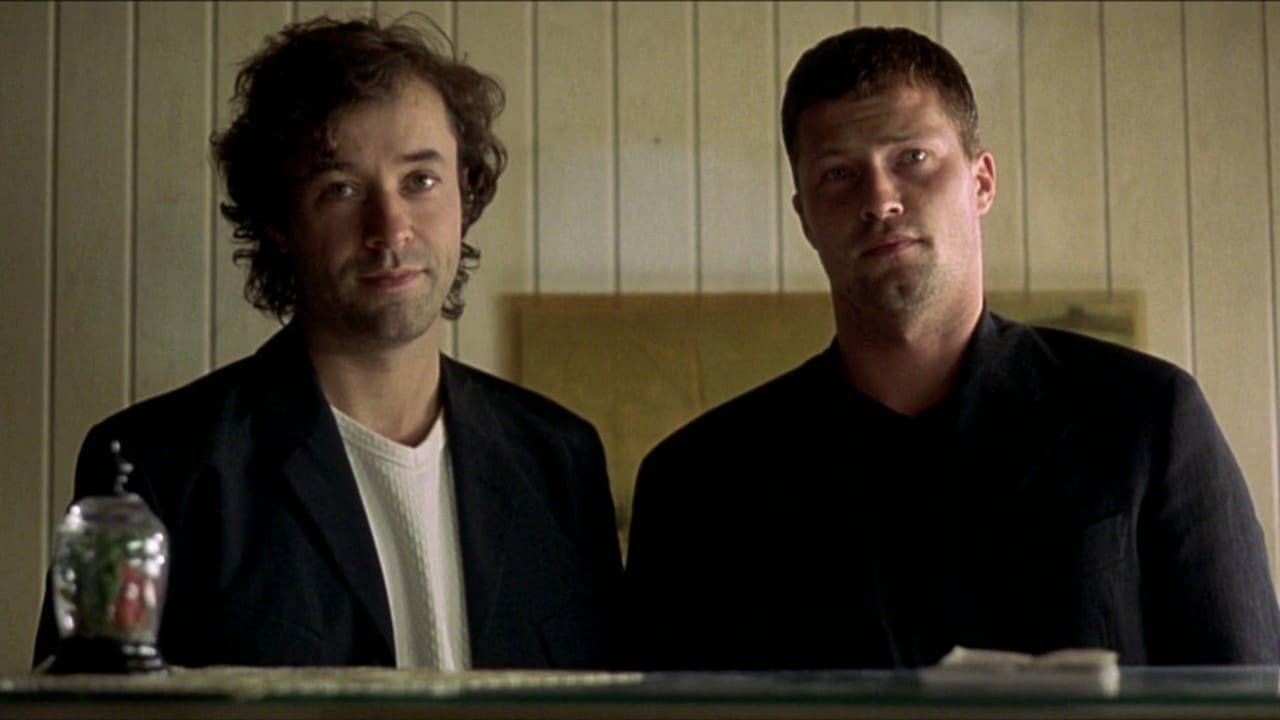
Knockin' on Heaven's Door is a truly special film, a near-perfect blend of action, comedy, and heart-wrenching drama. The central performances are outstanding, the script is sharp and emotionally intelligent, and the direction balances the disparate elements beautifully. It might feel slightly dated in its pacing or style compared to modern blockbusters, but its emotional core remains incredibly powerful. It earns its 9/10 for its sheer audacity in tackling heavy themes with such warmth and humor, the unforgettable chemistry of its leads, and delivering a conclusion that resonates long after the credits roll.
It’s more than just a movie; it’s a reminder that sometimes, the most profound journeys begin with the wildest impulses, especially when you’ve got nothing left to lose and an ocean waiting to be seen. A true gem from the late VHS era, well worth seeking out.