Okay, let's dim the lights and slide another tape into the VCR... or maybe, for this one, pop in that early DVD we snagged from the import section. Tonight, we're looking at a film that arrived right as the millennium turned, a jarring, funny, and strangely profound piece from Japan: Sabu's Monday (2000). It might technically be Y2K-era, but its kinetic energy and cult appeal feel right at home in the spirit of VHS discoveries. Ever wake up after a wild night unsure of exactly what happened? Magnify that feeling by a thousand, add yakuza, funeral mishaps, and a hefty dose of existential dread, and you're getting close to the world of Monday.
Waking Up to Chaos
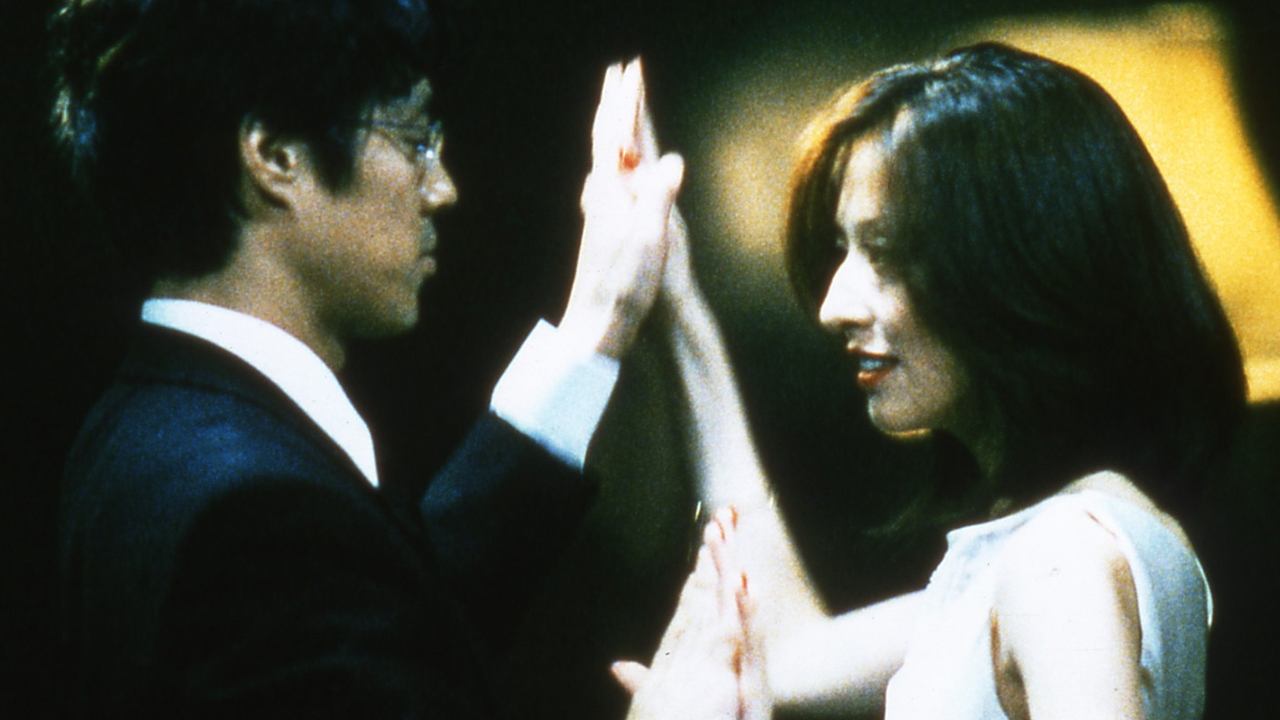
The film drops us right into the predicament of Takagi Kōichi (Shin'ichi Tsutsumi), an ordinary salaryman who wakes up in a provincial hotel room with absolutely no memory of the weekend. The only clues? A cryptic note, a lingering smell of gunpowder, and a growing sense of unease. What follows is a frantic, often hilarious, sometimes terrifying reconstruction of lost time, as Kōichi pieces together a Saturday night that spiraled spectacularly out of control. Sabu, known for his often high-energy narratives often involving characters literally running (think Postman Blues (1997) or Drive (2002)), here crafts a slightly different kind of frantic energy – the frantic energy of a mind desperately trying to catch up with its body's actions.
The Salaryman Who Snapped
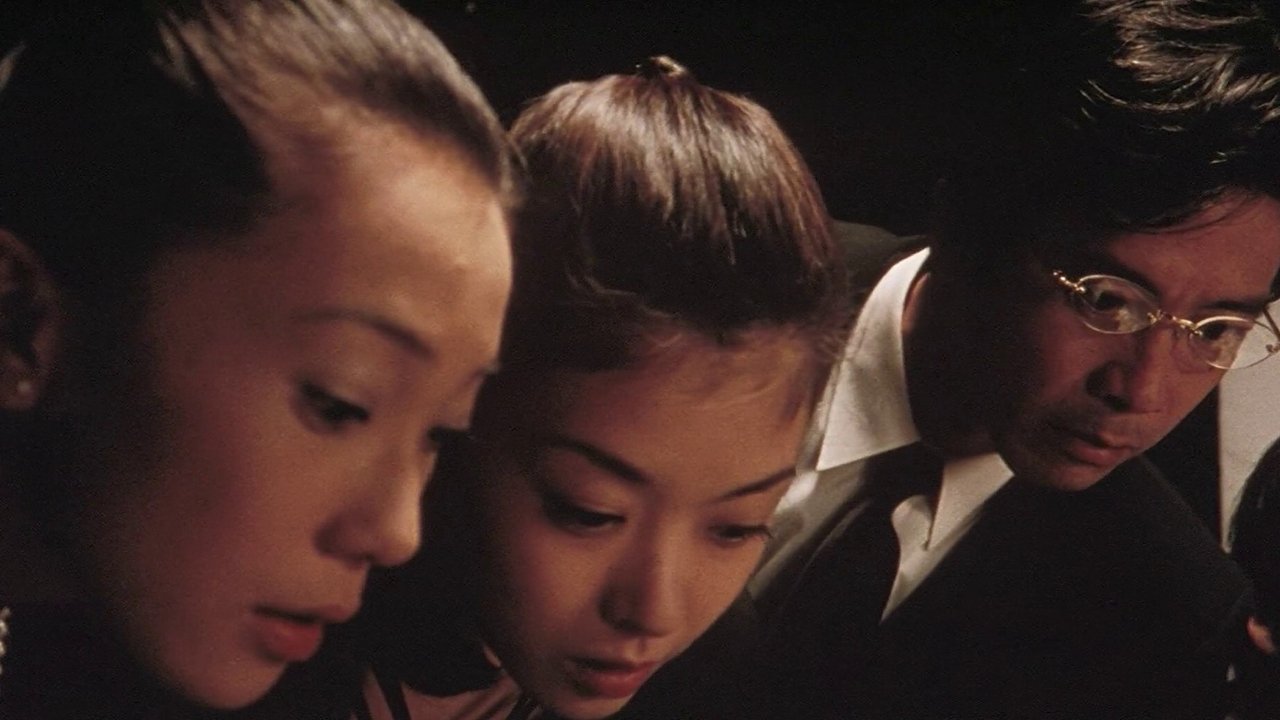
At the heart of Monday is Shin'ichi Tsutsumi's incredible performance. He portrays Kōichi not as a caricature, but as a deeply relatable everyman pushed beyond his limits. We see the crushing conformity of his daily life, the small indignities he suffers, and the quiet desperation simmering beneath the surface. Tsutsumi navigates the film's wild tonal shifts masterfully – one moment he's eliciting empathy for Kōichi's bewildered state, the next he's channeling a shocking, almost primal explosion of repressed frustration, and then, somehow, finding humor in the sheer absurdity of his situation. It’s a performance that feels utterly grounded even as the events around him become increasingly surreal. How much pressure can one person take before they break? Monday doesn't just ask the question; it detonates the answer.
Sabu's Signature Blend
Director Sabu (who also wrote the screenplay) has a unique knack for blending genres in a way that feels distinctively his own. Monday fuses elements of black comedy, suspense thriller, yakuza action, and even poignant social commentary. The film unfolds non-linearly, flashing back to the fateful weekend events as Kōichi uncovers more clues. This structure keeps the audience guessing, mirroring Kōichi's own confusion and gradual horror. There's a raw, almost documentary-like feel to some scenes, particularly the flashbacks to Kōichi's drunken odyssey, which makes the bursts of stylized violence all the more shocking.
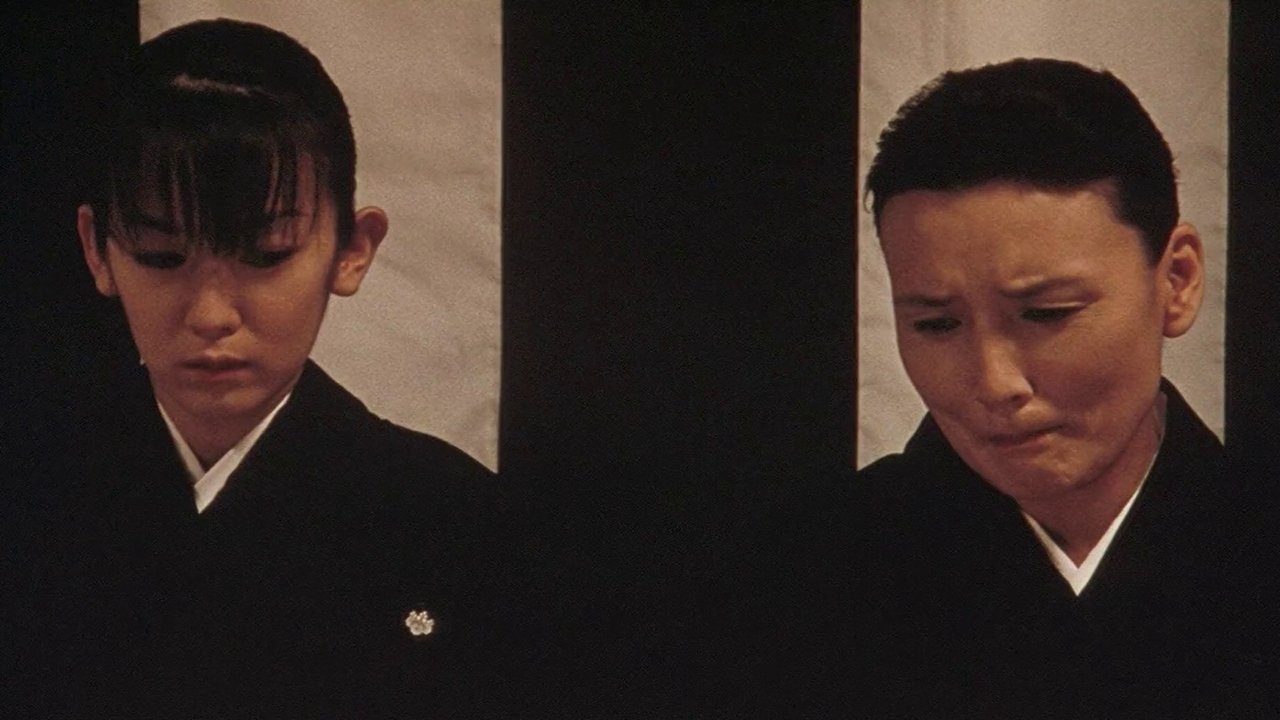
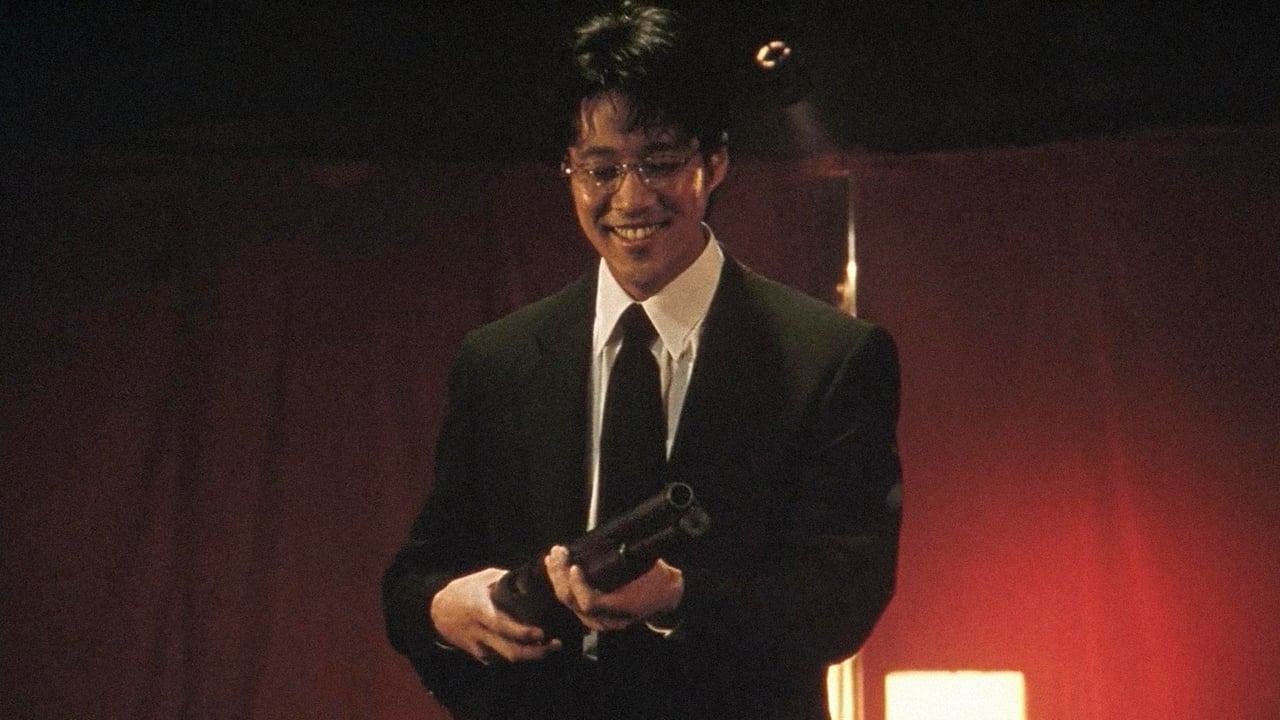
It's worth noting that Sabu often works efficiently and with familiar collaborators, fostering a distinct style. Monday was well-received internationally, even winning the FIPRESCI Prize (International Federation of Film Critics) at the Berlin International Film Festival in 2000 – a sign that its unique cocktail of chaos and commentary resonated beyond Japanese borders. It wasn't a massive budget film, but Sabu leverages his resources effectively, creating a palpable sense of atmosphere, from the sterile confines of Kōichi's life to the garish, neon-lit underworld he stumbles into. The humor, often pitch-black, arises naturally from the situations – the sheer awkwardness of navigating yakuza funeral rites while drunk, for instance, becomes darkly comic.
Beyond the Mayhem
Beneath the surface of flying bullets and mistaken identities, Monday touches on deeper themes. It’s a potent critique of the dehumanizing aspects of modern corporate life in Japan (and arguably, anywhere), the pressure to conform, and the potential for explosive release when those pressures become unbearable. Kōichi's forgotten weekend becomes a bizarre, accidental rebellion against the stifling expectations placed upon him. Does the film excuse his actions? Not necessarily. But it certainly explores the why with a fascinating blend of empathy and absurdity. The presence of Yuka Kirishima (Yasuko Matsuyuki), a mysterious lounge hostess who becomes entangled in Kōichi's night, adds another layer, hinting at connection and consequence amidst the chaos. Supporting actors like Ren Osugi as the intimidating yakuza boss also add considerable weight and menace.
What lingers after the credits roll isn't just the memory of the film's most outrageous moments, but the unsettling questions it raises about identity, memory, and the thin line between civility and chaos. Could a series of seemingly small choices and one very bad night fundamentally change who we are?
***
VHS Heaven Rating: 8/10
Monday is a brilliantly executed, darkly funny, and surprisingly thoughtful film that deserves its cult classic status. Shin'ichi Tsutsumi delivers a tour-de-force performance as the unravelling salaryman, and Sabu directs with a kinetic style and a unique tonal balance that keeps you hooked. While the non-linear structure and sudden shifts might disorient some viewers, they perfectly capture the protagonist's fragmented state of mind. The blend of genres works exceptionally well, creating a film that is thrilling, hilarious, and oddly poignant all at once. It might have arrived at the dawn of a new millennium, but its energy and themes feel timeless, making it a potent discovery or rediscovery for any fan of adventurous cinema.
Final Thought: It’s a stark reminder that sometimes the most terrifying journey isn't into the unknown, but into the forgotten corners of our own actions. What happens when the Monday morning reckoning reveals a weekend you can't remember but definitely can't escape?