There's a certain kind of film that doesn't just play on screen; it seeps into the room, thick and heavy like the humid air before a storm. It changes the atmosphere, leaves a residue. 1997's Cholera Street, or Ağır Roman as it's known in its native Turkey, is precisely that kind of film. Watching it again after all these years, far removed from the flickering CRT and the slightly worn VHS tape I first discovered it on, the raw, almost brutal energy it captured hasn't diminished one bit. It plunges you headfirst into a world simmering with passion, desperation, and violence, a forgotten corner of Istanbul brimming with life on the edge.
A World Painted in Grit and Shadow
Based on the controversial, semi-autobiographical novel by Metin Kaçan (who also co-wrote the screenplay with director Mustafa Altıoklar), Cholera Street isn't concerned with picturesque views of the Bosphorus. Its setting, the fictionalized Kolera neighborhood (inspired by the real Dolapdere district), is a character in itself – a labyrinthine world of narrow streets, dilapidated buildings, vibrant Roma communities, and clandestine dealings. Altıoklar crafts an atmosphere that feels both hyper-real and strangely mythic. You can almost smell the dust, the cheap perfume, the simmering tension. The film arrived at a time when Turkish cinema was undergoing a transformation, and Ağır Roman felt like a jolt – unapologetically gritty, stylistically bold, and tackling subjects often left in the shadows. Its depiction of marginalized communities, sexuality, and crime was potent and, for some at the time, quite shocking.
The Heartbeat of Kolera
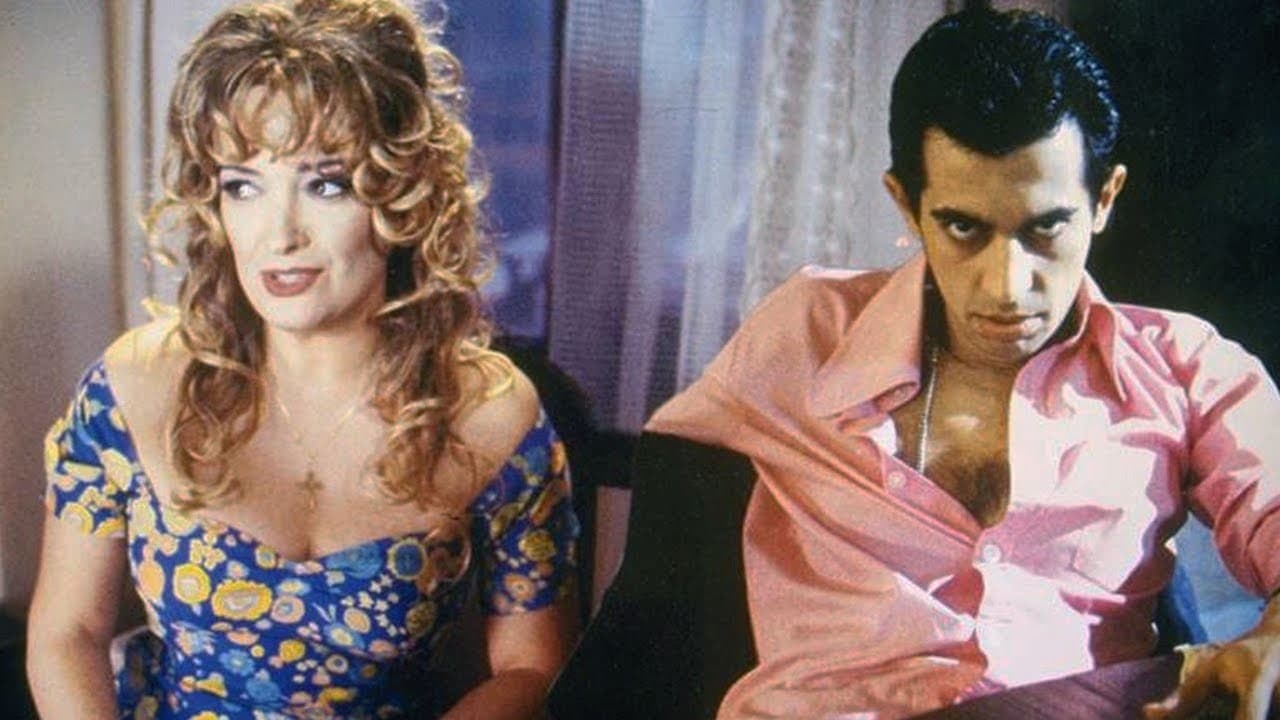
At the story's turbulent center is Salih (Okan Bayülgen), a young man returning to Kolera after his father, the neighborhood's respected protector figure, is murdered. Salih is adrift, caught between the legacy he feels compelled to uphold and his own artistic soul, expressed through his love for photography and his complex relationship with Tina (Müjde Ar), a charismatic transgender prostitute. Bayülgen, in what became a defining role, embodies Salih's vulnerability and simmering rage perfectly. He’s not a conventional hero; he’s flawed, often passive, yet deeply magnetic. His quiet intensity draws you into his internal conflict – the struggle to find his place in a world demanding a violence he seems ill-suited for.
Opposite him, the legendary Müjde Ar delivers a performance of extraordinary power and nuance as Tina. In an era where such roles were often caricatured, Ar brings profound humanity, resilience, and weary glamour to the character. Her chemistry with Bayülgen is electric, a desperate connection forged in the harsh realities of their lives. And then there's Mustafa Uğurlu as Reis ("Chief"), the ambitious gangster seeking to fill the power vacuum left by Salih's father. Uğurlu is terrifyingly convincing, exuding a quiet menace that feels chillingly authentic. These performances are the film’s bedrock, grounding the sometimes-operatic narrative in palpable human emotion.
Style and Substance
Mustafa Altıoklar, who would go on to direct other notable Turkish films, employs a visual style that mirrors the narrative's intensity. The camera often feels restless, prowling the streets alongside the characters. There's a deliberate roughness to the filmmaking, a lack of polish that feels entirely appropriate. It’s not slick; it’s visceral. The production design brilliantly captures the lived-in, almost decaying beauty of Kolera. This wasn't a tourist's Istanbul; this felt like peering behind a curtain.
It's interesting to note that the source novel, Ağır Roman, was itself a phenomenon in Turkey, lauded for its raw portrayal of street life but also drawing criticism for its explicit content. The film adaptation, while perhaps slightly softening some edges, retains that confrontational spirit. The title itself, Ağır Roman, translates roughly to "Heavy Novel" or perhaps "Heavy Romance," hinting at both the literary origins and the weighty, often tragic relationships within the story. It reportedly faced some hurdles with censors upon its release, a testament to its boundary-pushing nature within the context of mid-90s Turkish mainstream culture.
Echoes in the Alleyways
Does Cholera Street hold up? Absolutely. Its themes of identity, belonging, the cyclical nature of violence, and love found in desperate places remain potent. Some elements might feel stylistically tied to the 90s, but the core emotional truth resonates powerfully. It avoids easy answers or neat resolutions. What lingers is the atmosphere, the faces of Salih and Tina etched with defiance and pain, and the haunting sense of a community clinging fiercely to its identity against encroaching threats. It’s a film that asks uncomfortable questions about societal neglect and the desperate measures people take to survive and find meaning.
For those of us who haunted the 'World Cinema' shelves of our local video stores, finding gems like Cholera Street was part of the adventure. It wasn't always comfortable viewing, but it was vital – a window into another reality, rendered with unflinching honesty and startling artistry. It reminds you of the power of film to transport, to challenge, and ultimately, to connect us to experiences far removed from our own.
Rating: 8.5/10
This score reflects the film's raw power, exceptional performances (especially from Bayülgen and Ar), and its significant cultural impact within Turkish cinema. It captures a specific time and place with visceral authenticity, even if its pacing or stylistic choices might feel intense or occasionally uneven to modern eyes. It's a challenging but deeply rewarding piece of filmmaking.
Cholera Street isn't just a movie; it's an experience – a potent, unforgettable descent into a world rarely seen, leaving you contemplating the shadows long after the credits roll.