Here we go, pulling another gem from the depths of the "Foreign Films" aisle of our memory palace – a section often filled with unexpected treasures back in the video store days. And what a treasure Shanghai Triad (1995) remains. It arrives not with the bombast of a typical gangster epic, but with the quiet, observant gaze of a child stepping into a world far too complex and dangerous for his years. That initial perspective, filtered through young Shuisheng's eyes, immediately sets this film apart, doesn't it? It invites us into the intoxicating, perilous glamour of 1930s Shanghai, but forces us to confront the rot beneath the glittering surface.
### Through Innocent Eyes
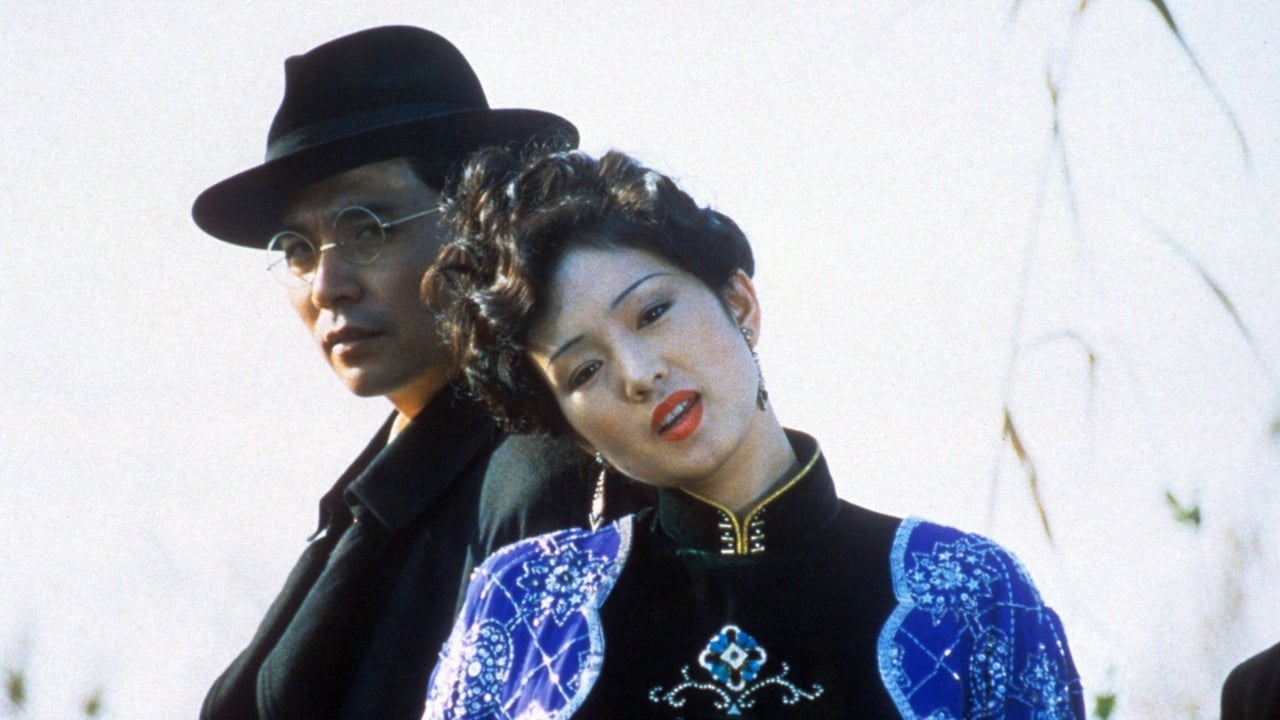
The premise is deceptively simple: fourteen-year-old Shuisheng (Wang Xiaoxiao) is brought from the countryside by his uncle to serve Tang (Li Baotian), a powerful Triad boss in Shanghai. His assigned role? To be the personal servant to the boss's capricious mistress, Xiao Jinbao (Gong Li), a famous nightclub singer known as "Queen" Bijou. Director Zhang Yimou, already a master craftsman known for visually stunning works like Raise the Red Lantern (1991) and To Live (1994), uses Shuisheng not just as a protagonist, but as our conduit. We experience the overwhelming sensory overload of the city – the smoky nightclubs, the opulent apartments, the sudden bursts of violence – through his bewildered understanding. Wang Xiaoxiao delivers a wonderfully understated performance; his wide eyes take everything in, reflecting the audience's own dawning awareness of the cruelty and betrayal simmering beneath the polished veneer. It’s a clever device, making the eventual descent into darkness feel all the more personal and inevitable.
### The Gilded Cage
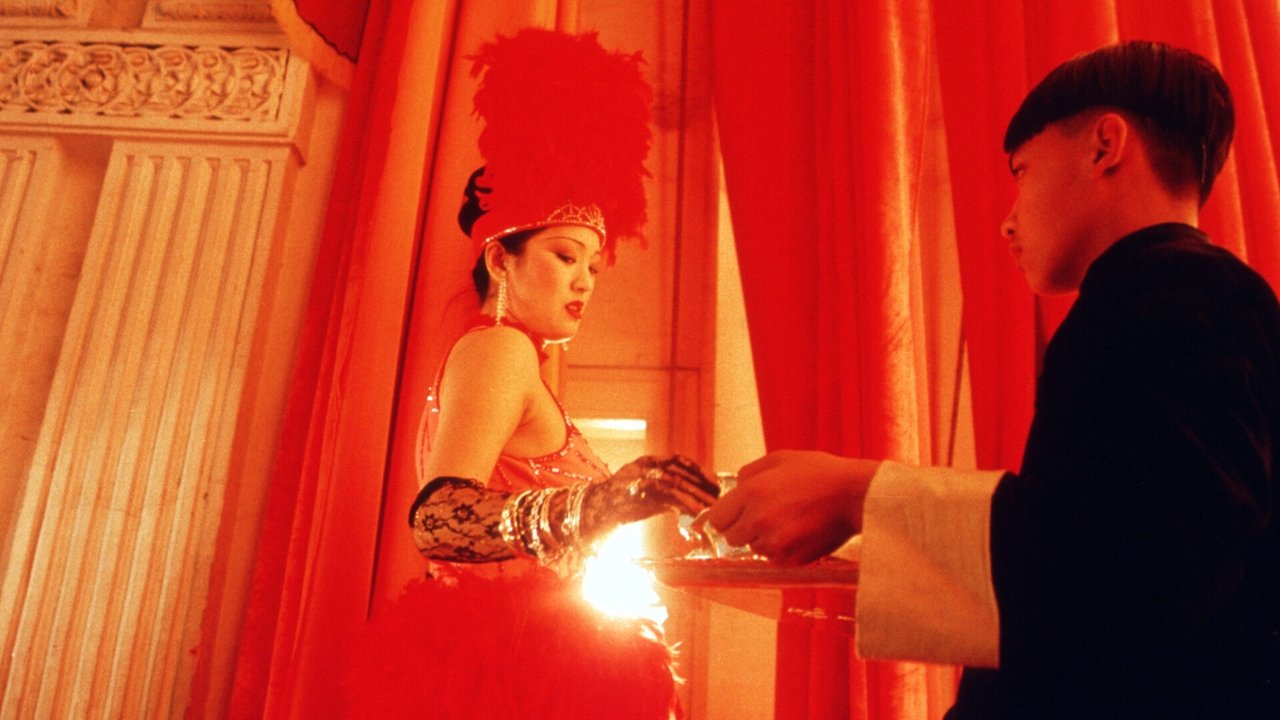
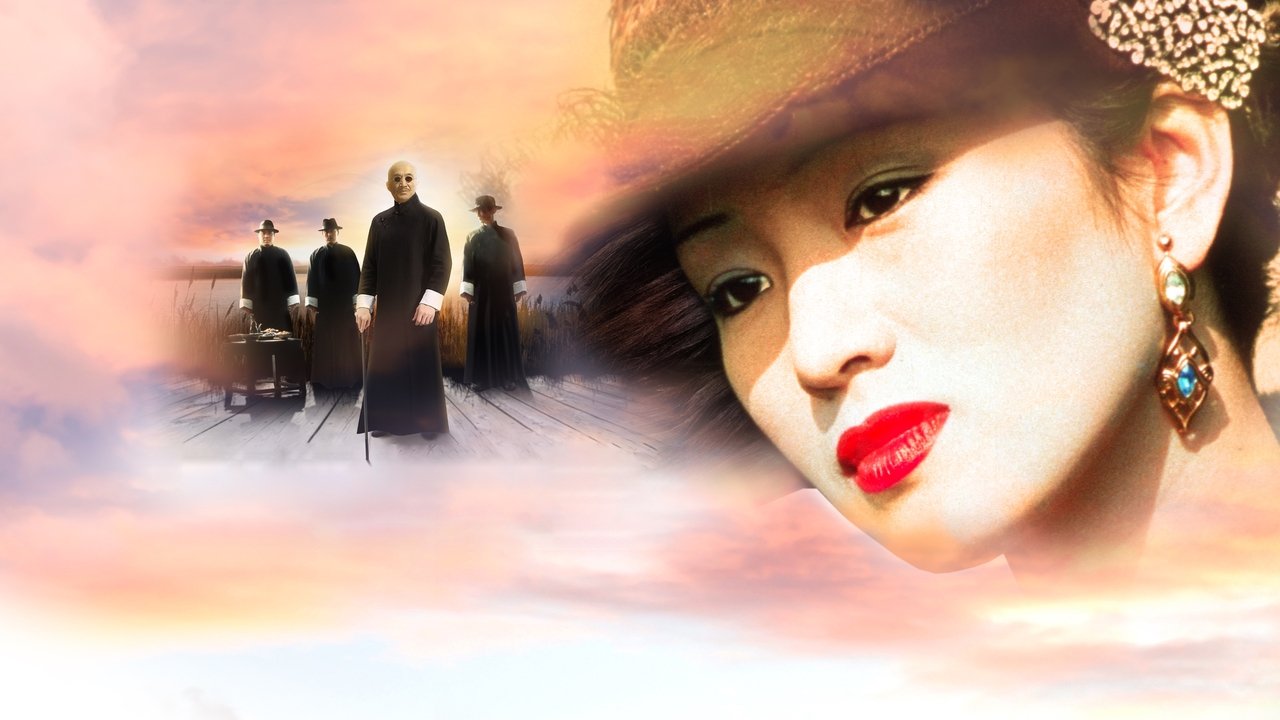
At the heart of this opulent prison is Xiao Jinbao, brought to life with captivating complexity by the incomparable Gong Li. This was her seventh collaboration with Zhang Yimou, and it reportedly coincided with the end of their famed personal and professional relationship. Perhaps that real-life context adds an extra layer of poignancy, but her performance stands entirely on its own formidable merit. Jinbao is initially presented as spoiled, demanding, almost cartoonishly vain. Yet, beneath the furs and jewels, Gong Li reveals flickers of vulnerability, sharp intelligence, and desperate calculation. She is utterly dependent on the Boss, trapped by her luxurious lifestyle, aware of her precarious position. There's a scene where she sings on stage, bathed in golden light, the picture of unattainable glamour – but the camera lingers, catching the weariness, the fear. It’s a masterful portrayal of a woman wielding the only power she has – her allure – in a world designed to consume her. Doesn't her plight echo the timeless struggle of those caught in systems far larger than themselves?
### Beauty and Brutality
Visually, Shanghai Triad is breathtaking. Cinematographer Lü Yue, who also shot To Live, deservedly earned an Academy Award nomination for his work here. The film is drenched in rich, saturated colours – deep reds, golds, emerald greens – creating painterly compositions that often contrast sharply with the ugliness unfolding within the frame. Zhang Yimou uses this visual splendour not just for aesthetic pleasure, but to underscore the themes of illusion and decay. The sheer beauty of the cinematography makes the moments of violence and betrayal feel even more jarring, more profane. It's a far cry from the hyper-kinetic, bullet-ballet style popular in Hong Kong gangster films of the era; Zhang is more interested in the slow burn, the psychological tension, the stifling atmosphere of paranoia.
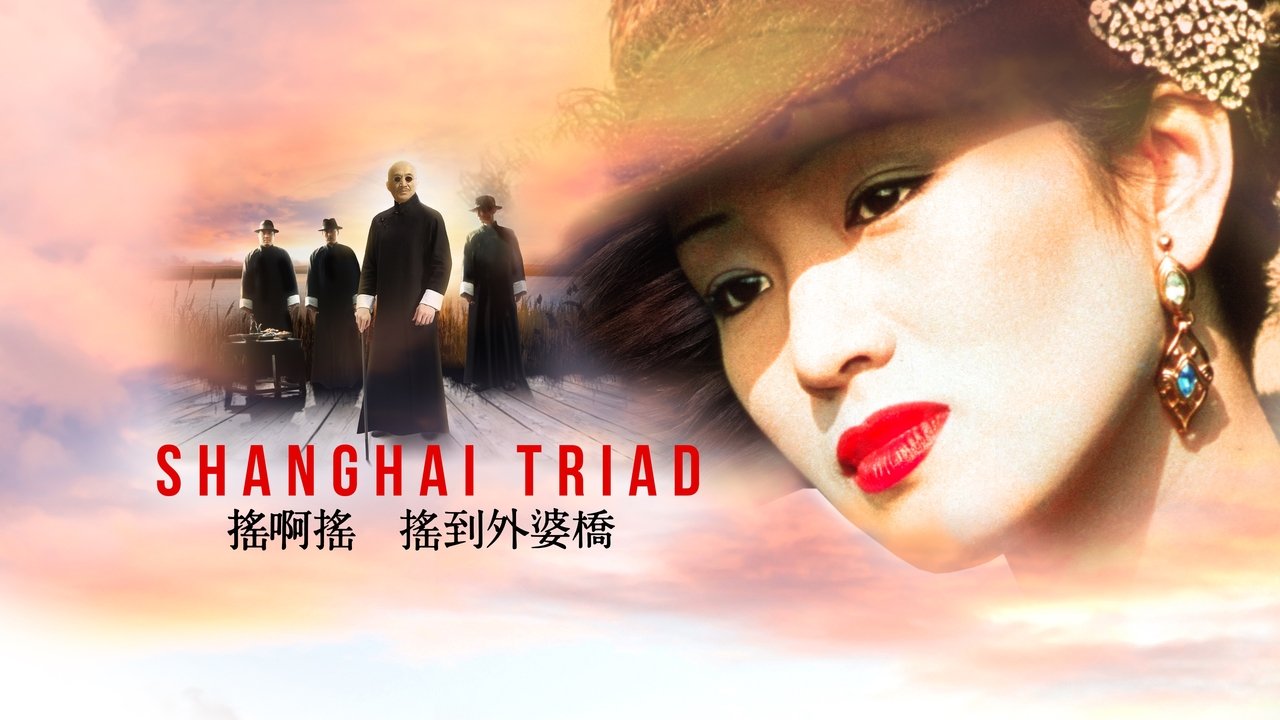
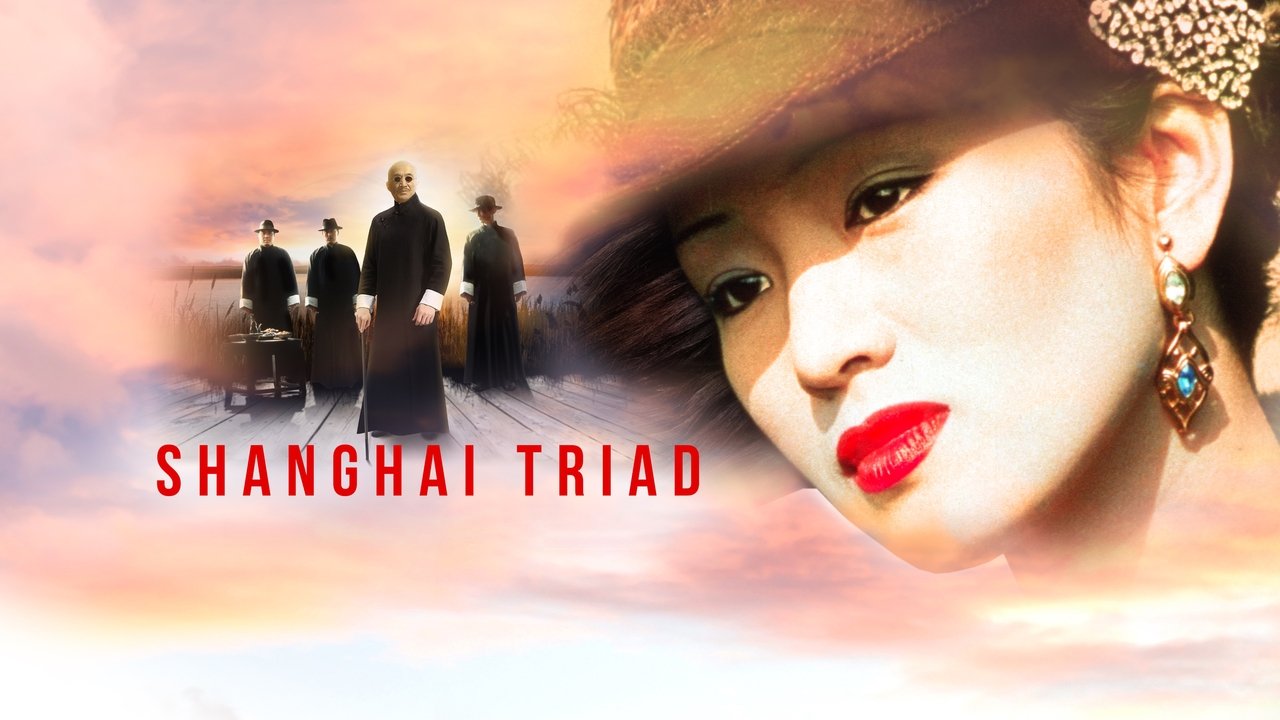
Interestingly, the film's original Chinese title, Yao a yao, yao dao waipo qiao, translates to something like "Row, row, row to Grandma Bridge," referencing a simple children's lullaby sung in the film. It’s a detail that adds a layer of profound irony, contrasting the innocence evoked by the song with the brutal realities Shuisheng witnesses. It speaks volumes about the loss of innocence that lies at the core of the narrative, a theme much more nuanced than the blunt English title might suggest.
### Whispers from the Set
While information can be scarce compared to Hollywood productions, it's known that recreating 1930s Shanghai with authenticity was a significant undertaking, especially on its roughly $6-7 million budget (substantial for China then, but modest by international standards). Like many of Zhang Yimou's films from this period, Shanghai Triad navigated the complexities of Chinese censorship, though details remain somewhat opaque. What’s clear is the meticulous attention to period detail, from the costumes that define Jinbao’s status to the shadowy, labyrinthine sets that enhance the sense of entrapment. It's this dedication to craft, even amidst potential constraints, that elevates the film. There's a weight, a texture to this world that feels lived-in and dangerous.
### Lingering Shadows
What stays with you after the credits roll on Shanghai Triad? It’s not explosive action sequences, but the haunting images: Jinbao isolated in her luxurious apartment, Shuisheng silently observing a world he cannot comprehend, the sudden shift from opulence to cold-blooded violence. It’s a film that explores the corrosive nature of power and the ways in which people become complicit in systems of exploitation, sometimes simply to survive. The child’s perspective doesn’t soften the blow; it sharpens the critique. We are left contemplating the cost of survival, the illusions we cling to, and the innocence that, once lost, can never truly be reclaimed. It’s a quieter gangster film, perhaps, than some might expect, but its emotional resonance is deeply felt and lingers long after the VCR whirred to a stop.
Rating: 8.5/10
Justification: Shanghai Triad is a masterclass in visual storytelling and atmospheric direction. Gong Li delivers a career highlight performance, nuanced and unforgettable. While the pacing might feel deliberate compared to more action-oriented genre entries, its strength lies in its contemplative mood, its unique perspective through the eyes of a child, and its devastating portrayal of beauty masking profound darkness. The stunning cinematography alone makes it essential viewing.
Final Thought: A hauntingly beautiful, deeply unsettling journey into the heart of 1930s Shanghai's underworld, reminding us that sometimes the most profound stories are told not through grand pronouncements, but through watchful eyes and whispered secrets.