Okay, settle in, fellow travelers of the magnetic tape highways. Tonight, we're pulling something a little different from the dusty shelf – a film that technically landed in 2000, just as the credits were rolling on our beloved 90s. But João Pedro Rodrigues' O Fantasma (The Phantom) carries such a potent, challenging spirit, the kind you might have discovered on a whispered recommendation or a daring late-night rental back in the day, that it feels right at home here in VHS Heaven. This isn't your typical Friday night blockbuster; it's something altogether more primal, unsettling, and visually arresting.
### A City's Shadow Self
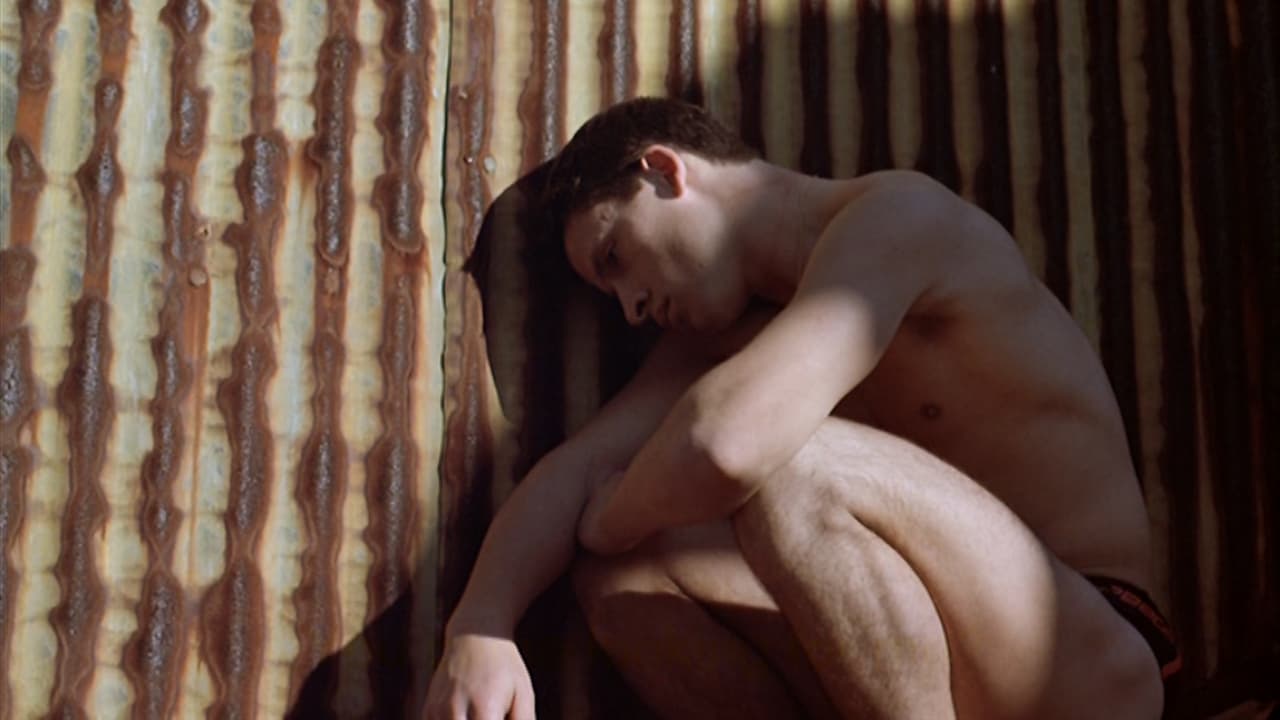
Forget intricate plotting or witty dialogue. O Fantasma plunges us headfirst into the nocturnal world of Sérgio (Ricardo Meneses), a young, solitary waste collector navigating the underbelly of Lisbon. His existence is one of routine, grime, and unspoken desires. The film doesn't tell us about Sérgio; it shows us, often through long, observational takes that emphasize the physicality of his labor and the isolation of his life. There's a haunting beauty in the way Rodrigues captures the textures of the city at night – the slick streets, the overflowing bins, the anonymous encounters. It’s a landscape both real and dreamlike, a perfect backdrop for a story about subterranean urges.
### The Language of the Body

What truly defines O Fantasma is its near-total reliance on non-verbal communication. Ricardo Meneses delivers a performance of extraordinary physicality and bravery. Sérgio rarely speaks; his desires, frustrations, and alienation are expressed through intense gazes, furtive movements, and, eventually, acts of transgression. His obsession with a specific motorbike and its rider becomes the film's central, almost wordless narrative thread. It’s a portrayal stripped bare, demanding attention to the nuances of posture, the flicker of eyes, the tension in muscles. There’s an undeniable authenticity here, a commitment to inhabiting a character operating largely outside societal norms. It's not always comfortable viewing – far from it – but Meneses' dedication is captivating. He reportedly spent time working with actual Lisbon refuse collectors to understand the rhythm and physicality of the job, an immersive approach that bleeds onto the screen.
### Unflinching Vision
João Pedro Rodrigues, who also co-wrote the screenplay, crafts a film that feels deliberately confrontational. This isn't cinema designed to soothe or entertain in the conventional sense. It’s an exploration of desire at its most raw and untamed, touching on themes of voyeurism, fetishism, and the search for connection in profoundly unconventional ways. The film gained notoriety for its explicit content, particularly a sequence involving a stray dog and later, Sérgio donning a tight, black rubber suit – the "phantom" outfit of the title – transforming him into something other, an almost feral expression of his inner urges. It’s this transformation, this shedding of identity to embrace pure impulse, that lingers long after the film ends. Rodrigues forces us to confront aspects of human behavior often kept hidden, questioning the boundaries between acceptable desire and dangerous obsession. Was this designed purely to shock? Perhaps partly, but it feels more like an uncompromising attempt to visualize the often-unspoken drives that can lurk beneath a seemingly ordinary surface.


The film's minimal dialogue and ambient sound design amplify the sense of isolation and internal turmoil. The hum of the city, the clatter of bins, the rumble of the garbage truck – these become the soundtrack to Sérgio's lonely quest. It’s a bold directorial choice, demanding the viewer engage on a more visceral, sensory level.
### Not for the Faint of Heart
Let's be clear: O Fantasma is not an easy watch. Its explicitness and challenging themes divided audiences and critics upon release (it premiered at the Venice Film Festival, signaling its art-house intentions) and continue to do so. It demands patience and a willingness to engage with uncomfortable material. There are moments that might feel gratuitous or purely provocative. But beneath the surface shock, there's a consistent artistic vision at play, a stark portrayal of alienation and the lengths one might go to feel something, anything, in a world that seems indifferent. Does Sérgio's journey offer answers? Not really. It presents a state of being, a psychological portrait rendered in stark, unforgettable images. What does it mean to truly see the parts of society, and ourselves, that we usually ignore?

Rating: 7/10
Justification: O Fantasma earns a 7 for its sheer artistic audacity, Ricardo Meneses' incredibly committed physical performance, and João Pedro Rodrigues' uncompromising visual style. It successfully creates a unique and haunting atmosphere, exploring difficult themes with a raw intensity rarely seen. However, its extreme explicitness and challenging, often abrasive, nature make it inaccessible and potentially repellent for a significant portion of viewers, preventing a higher score. It's a demanding piece of confrontational cinema, rewarding for those willing to engage with its darkness, but undeniably alienating for others.
Final Thought: This is the kind of film that reminds you cinema isn't always about comfort. Sometimes, it's about staring into the abyss, even if the abyss stares back from the flickering shadows of a late-night Lisbon street, clad in black rubber. It’s a phantom that, once seen, is hard to forget.