Okay, let's settle in. Remember that feeling? Walking into the video store, the scent of plastic cases and maybe stale popcorn hanging in the air, scanning those shelves lined with potential weekend adventures. Sometimes, a cover just grabbed you – sleek design, a familiar star, a promise of suspense. And in 1993, few covers promised glossy, high-stakes thrills quite like The Firm. It felt important, didn't it? A major star, a best-selling author, a respected director – the kind of movie you knew everyone would be talking about Monday morning. But watching it again now, decades later, what lingers isn't just the star power, but the chillingly seductive premise: the dream job that slowly reveals itself as a gilded cage.
### The Devil Wears Armani
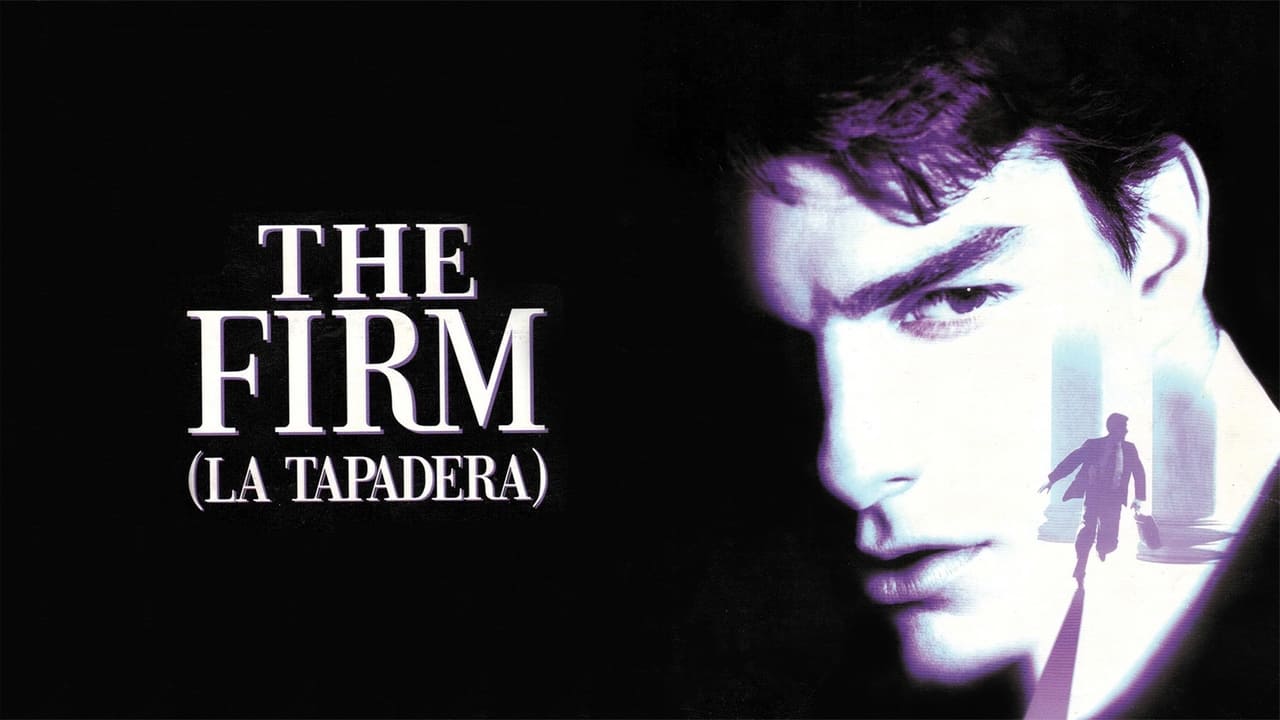
The allure is immediate and potent. Recent Harvard Law grad Mitch McDeere, played by Tom Cruise at the peak of his intensely focused, early-90s stardom, is bright, ambitious, and eager to escape his working-class roots. When the small, prestigious Memphis tax law firm Bendini, Lambert & Locke makes him an offer he can't refuse – luxury car, low-interest mortgage, salary beyond his wildest dreams – it feels like hitting the jackpot. Director Sydney Pollack, a master craftsman known for sophisticated adult dramas like Out of Africa (1985) and the paranoid classic Three Days of the Condor (1975), paints this initial phase with a deceptive warmth. The partners are welcoming, the atmosphere collegial, the perks endless. Yet, almost immediately, Pollack subtly weaves in threads of unease. The firm's obsessive interest in Mitch's life, the faintly veiled threats about loyalty, the whispers about associates who met untimely ends... it’s a slow-burn dread that creeps in under the polished surface.
Cruise is perfectly cast here. He embodies that hungry energy, the slight chip on the shoulder, the desire to prove himself that makes Mitch initially blind to the warning signs. He reportedly threw himself into the role, spending time with lawyers to understand the profession's demands, adding a layer of authenticity to his portrayal of a brilliant mind navigating treacherous waters. His relationship with his wife, Abby, played with sharp intelligence and resilience by Jeanne Tripplehorn, forms the film's crucial emotional anchor. Their journey from shared ambition to shared terror feels genuine, grounding the increasingly complex plot.
### The Mentor and the Menace
No discussion of The Firm is complete without mentioning Gene Hackman as Avery Tolar, Mitch’s senior partner and assigned mentor. Hackman, initially hesitant to take the role until Pollack personally persuaded him, delivers a masterclass in charismatic ambiguity. Avery is charming, worldly, and seemingly takes Mitch under his wing, yet there's always a hint of danger beneath the surface, a weary cynicism born from years inside the gilded cage. The scenes between Cruise and Hackman crackle with tension – the eager protégé and the compromised veteran. Their trip to the Cayman Islands, a key sequence filmed on location, beautifully contrasts the tropical paradise setting with the dark secrets being unearthed. It's a visual representation of the firm itself: beautiful facade, rotten core.
As Mitch digs deeper, pressured by FBI Agent Wayne Tarrance – played with chilling, relentless intensity by Ed Harris – the paranoia escalates. Pollack expertly uses the widescreen frame, often placing Mitch in isolating compositions, emphasizing his vulnerability within the firm's oppressive environment. The practicalities of pre-digital espionage – stolen files, swapped briefcases, lurking figures in trench coats – feel almost quaint now, but Pollack wrings genuine suspense from them. Remember those bulky fax machines and dot-matrix printers? They become instruments of potential doom here. And who could forget Dave Grusin’s iconic, piano-driven score? It perfectly captures both the sophisticated sheen of the firm and the frantic energy of Mitch's desperate attempts to escape its clutches.

### Unforgettable Turns and Lasting Impressions
While Cruise, Tripplehorn, and Hackman carry the narrative weight, the supporting cast is phenomenal. Holly Hunter absolutely blazes onto the screen in her brief but unforgettable, Oscar-nominated role as Tammy Hemphill, a resourceful private investigator's secretary who becomes Mitch's unlikely ally. Her scenes offer moments of welcome levity and sharp wit amidst the mounting tension. And Wilford Brimley is terrifyingly effective as Bill Devasher, the firm’s chillingly paternalistic head of security, radiating quiet menace.
Interestingly, the film diverges significantly from John Grisham's novel in its third act. Test audiences reportedly disliked the book's ending, and Cruise himself was apparently keen on a resolution that allowed Mitch to emerge more heroically, cleverly dismantling the firm while simultaneously satisfying the FBI and escaping relatively unscathed. This change, while perhaps more conventionally satisfying for a Hollywood thriller, does streamline the complex legal maneuvers of the novel into a taut, thrilling climax. It’s a fascinating example of how audience expectations and star power can shape the final product – a common occurrence, perhaps, but particularly notable in such a high-profile adaptation.
The Firm wasn't just a movie; it was an event. Made on a hefty $42 million budget (around $88 million today), it grossed a massive $270 million worldwide (roughly $565 million adjusted), cementing Tom Cruise as a global superstar and proving the immense box office appeal of John Grisham's legal thrillers, paving the way for adaptations like The Pelican Brief (1993) and The Client (1994). It captured a specific early-90s anxiety about corporate power and the potential for corruption lurking beneath respectable surfaces.
VHS Heaven Rating: 8/10
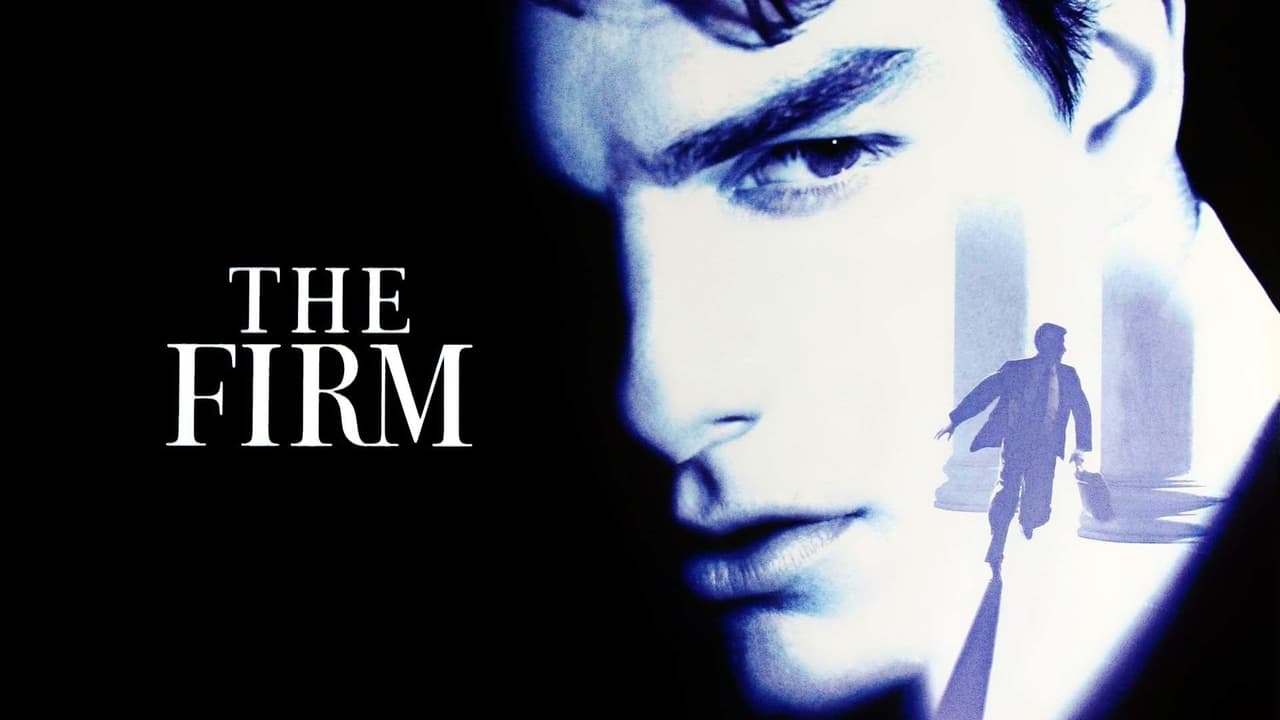
Why this rating? The Firm is a supremely well-crafted thriller. Pollack's direction is assured, the performances are top-notch (especially Hackman and Hunter), and the sense of escalating paranoia is palpable. It masterfully builds its world and sucks you into Mitch's predicament. While the altered ending might feel slightly less complex than the novel's conclusion to purists, it delivers undeniable cinematic satisfaction. It loses a point perhaps for that slight Hollywood neatness and another because, while excellent, it doesn't quite reach the absolute timelessness of Pollack's very best work. However, its blend of star power, suspense, and glossy production values made it quintessential early-90s event cinema, and it remains an incredibly compelling watch.
Final Thought: Rewatching The Firm feels like unearthing a time capsule of 90s anxieties wrapped in a slick, compelling package. It asks a question that still resonates: What price are you willing to pay for success, and can you ever truly escape the deals you make? It certainly made you think twice about that too-good-to-be-true job offer, didn't it?