It starts with a crackle, doesn't it? That static hiss from an old ham radio, suddenly bridging not just miles, but decades. Frequency arrived right at the turn of the millennium, in 2000, technically just outside our usual 80s/90s wheelhouse here at VHS Heaven. But let's be honest, it feels like a film spiritually connected to that era – a high-concept thriller grounded in genuine emotion, the kind that packed video store shelves and sparked conversations long after the tape ended. It asks a question that resonates deeply, especially as time marches on: what if you could reach back and talk to someone you lost?

Across the Years, A Voice Returns
The premise, penned by Toby Emmerich (who, interestingly, would later rise to become chairman of Warner Bros. Pictures Group), is deceptively simple yet powerfully evocative. John Sullivan (Jim Caviezel, conveying soulful weariness) is a homicide detective in 1999 Queens, haunted by the death of his firefighter father, Frank (Dennis Quaid), back in 1969. Stumbling upon his dad's old Heathkit ham radio during a rare display of the Aurora Borealis, John finds himself inexplicably communicating with Frank across thirty years. It’s a moment handled with surprising restraint by director Gregory Hoblit, known for taut thrillers like Primal Fear (1996). The film doesn't rush the miracle; it lets the disbelief, the dawning realization, and the overwhelming joy wash over both characters – and us.
The Heartbeat of the Film
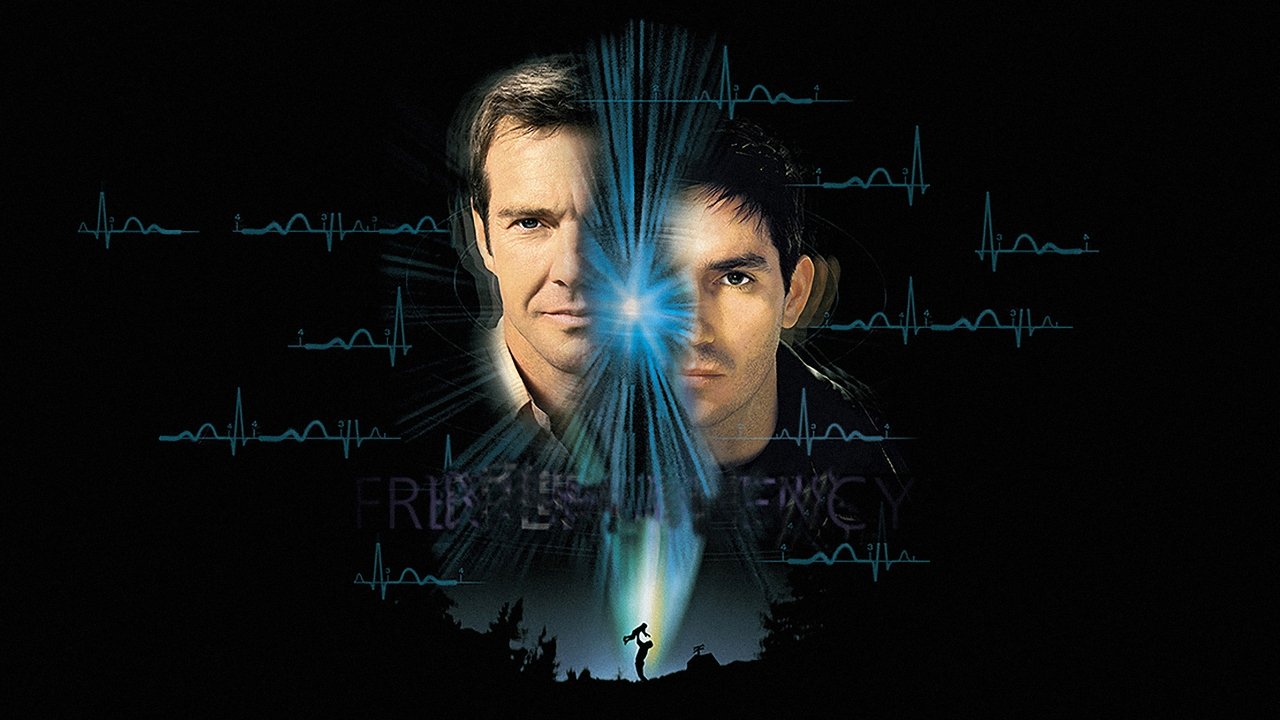
What truly elevates Frequency beyond a mere sci-fi gimmick is the central relationship. Quaid and Caviezel perform a remarkable feat, forging an entirely convincing, deeply moving father-son bond without ever sharing the same physical space or timeline within the main narrative. Quaid is perfect as Frank – a salt-of-the-earth hero, flawed but fundamentally decent, radiating warmth and a slightly swaggering 1960s confidence. You feel his fierce love for his family, his dedication to the job. Caviezel matches him beautifully, portraying John's buried grief, his cautious hope, and the eventual weight of responsibility that comes with tampering with time. Their conversations, crackling with static and emotion, are the film's undeniable core. We lean in, listening not just to the words, but to the lifetimes of unspoken feelings carried on those radio waves. Doesn't that connection, found against impossible odds, speak to a universal longing?
Retro Fun Facts & Temporal Tinkering
The production itself embraced a blend of old-school feel and then-modern filmmaking. While released in 2000, the depiction of 1969 feels authentic, thanks to careful production design – capturing that specific Queens neighborhood vibe, the look of the firehouse, the details in the Sullivan home. Reportedly, the specific model of ham radio used, the Heathkit SB-301 receiver and matching SB-401 transmitter, became highly sought after by collectors following the film's release. And while the science involves a hefty dose of cinematic license (solar flares enabling time-bending radio waves), it serves the story effectively. Made on a respectable $31 million budget, the film found its audience, grossing over $68 million worldwide – a solid success demonstrating the appeal of its unique blend of genres. It's also fascinating to note Toby Emmerich's journey from screenwriter of this heartfelt piece to major studio executive – a testament perhaps to his understanding of stories that connect.

When Changing the Past Changes Everything
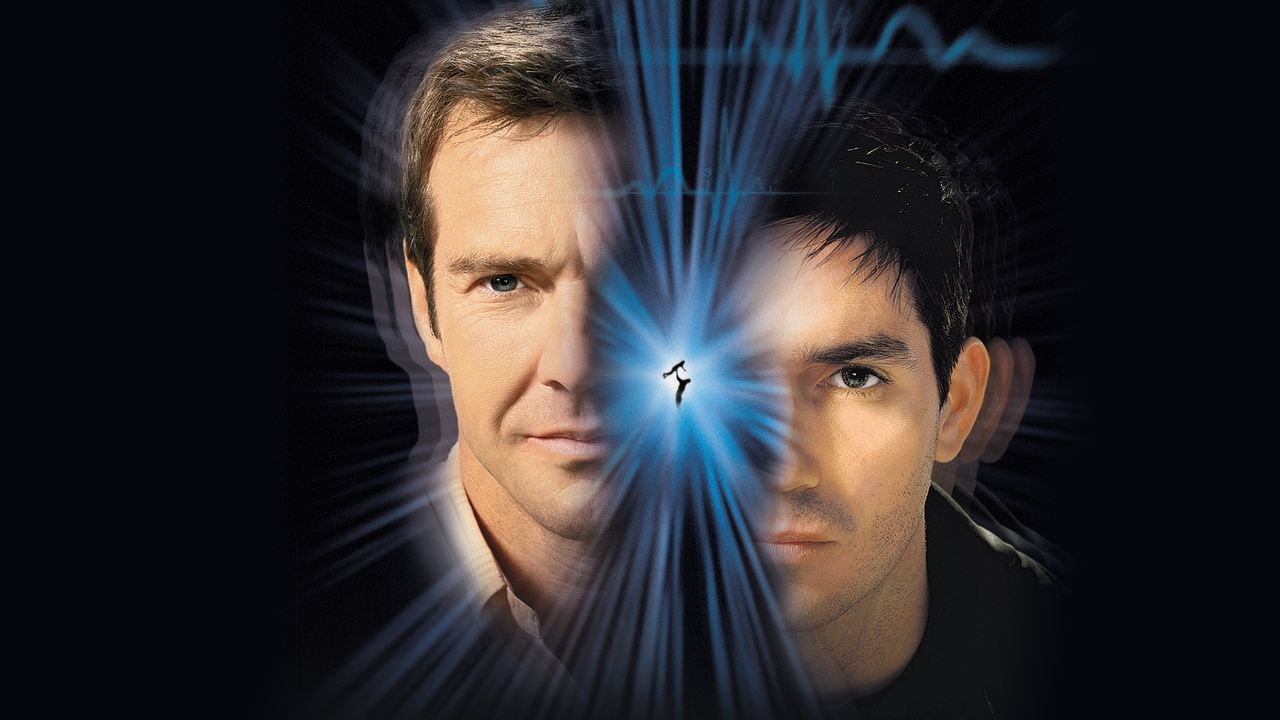
Of course, altering history, even with the best intentions – saving Frank from the fire that originally claimed his life – has consequences. This is where Frequency cleverly weaves in a suspenseful serial killer subplot. (Spoiler Alert!) Saving Frank inadvertently saves the 'Nightingale Killer', leading to a new, horrifying timeline where John's mother becomes a victim. The film then shifts gears, becoming a race against time in time, as father and son collaborate across the decades to stop the killer. Andre Braugher, always a commanding presence, provides solid support as Satch DeLeon, Frank's friend in '69 and John's grizzled mentor in '99. The parallel investigations, cutting between the gritty 60s and the slightly sleeker (but still recognizably New York) 90s, build considerable tension. Hoblit manages the complex temporal shifts skillfully, ensuring the audience can follow the ripple effects without getting lost. It asks us to consider: can we ever truly control the outcome of our actions, especially when meddling with something as vast and indifferent as time itself?
Lasting Echoes
Frequency isn't perfect. Some might find the thriller elements occasionally lean into familiar tropes, and the resolution perhaps ties things up a little too neatly for some tastes. Yet, its emotional sincerity is undeniable. It taps into fundamental human desires – for connection, for second chances, for healing old wounds. Watching it again now, perhaps on a format far removed from the VHS tapes of its release era, the core appeal remains potent. It successfully merges science fiction, family drama, and crime thriller into a cohesive and surprisingly moving whole. It even spawned a television series adaptation in 2016, though the original film's particular magic proved hard to replicate.
Rating: 8/10
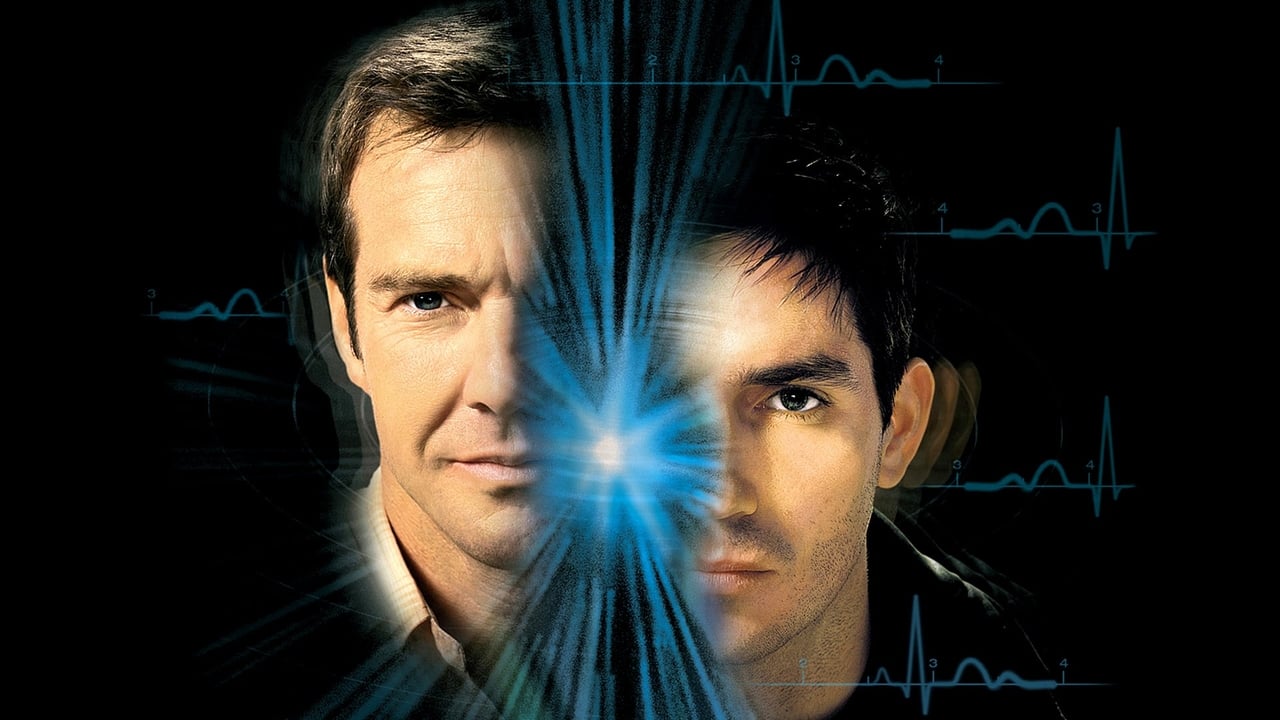
This score reflects the film's powerful emotional core, the excellent performances from Quaid and Caviezel who create an unforgettable bond across time, and its clever high-concept premise executed with skill. While perhaps not a flawless diamond, its blend of heart and suspense makes it a deeply satisfying watch, overcoming minor contrivances. It's a film that sticks with you, prompting thoughts about family, fate, and the invisible threads that connect us across the years.
What lingers most, long after the credits roll and the static fades? For me, it's the simple, profound image of a father and son, separated by decades but united by love and a shared wavelength, proving that some connections defy even time itself.