The hum from the television set was different back then, wasn't it? A low, electronic thrum that seemed to amplify the silence of a late-night viewing. Sometimes, a film wouldn't need jump scares or explicit gore to burrow under your skin. Sometimes, the chill came from something far more insidious: the dawning realization that the person sleeping beside you might not be who you think they are. That particular brand of dread is the flickering heart of 1999's The Astronaut's Wife, a film that slipped into video stores perhaps a little too quietly, leaving behind a faint scent of ozone and paranoia.
Return From the Void
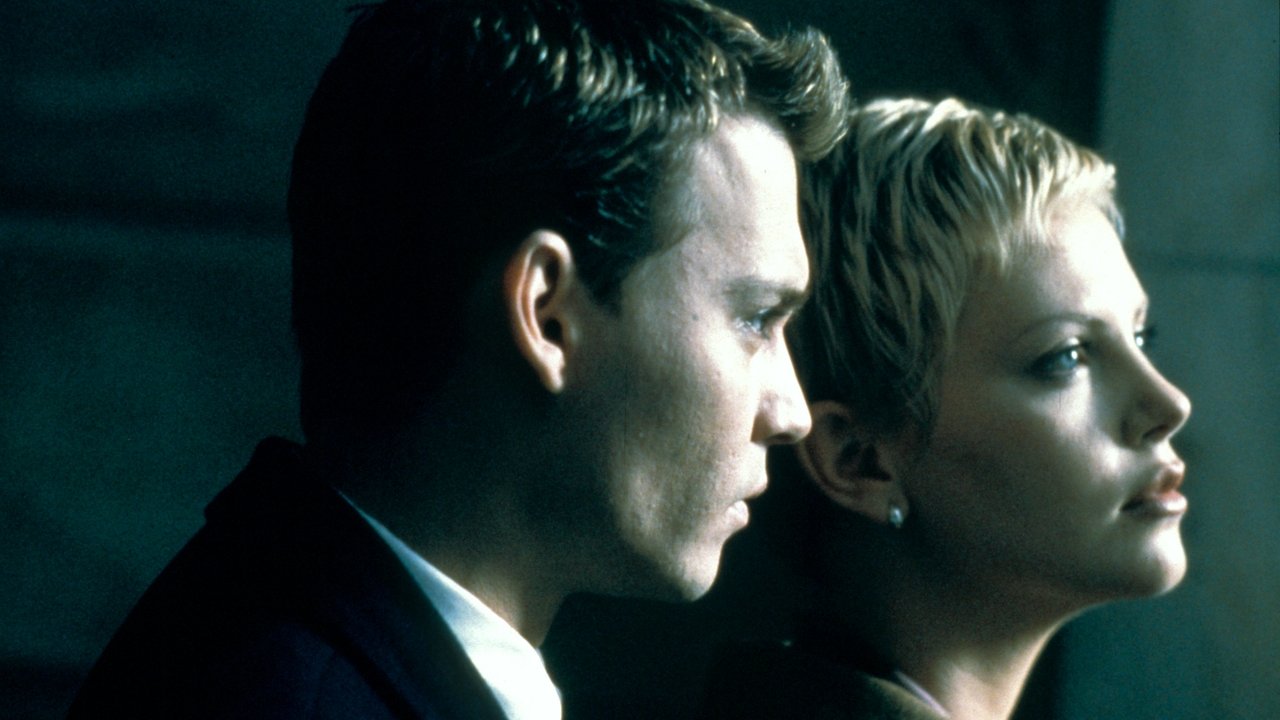
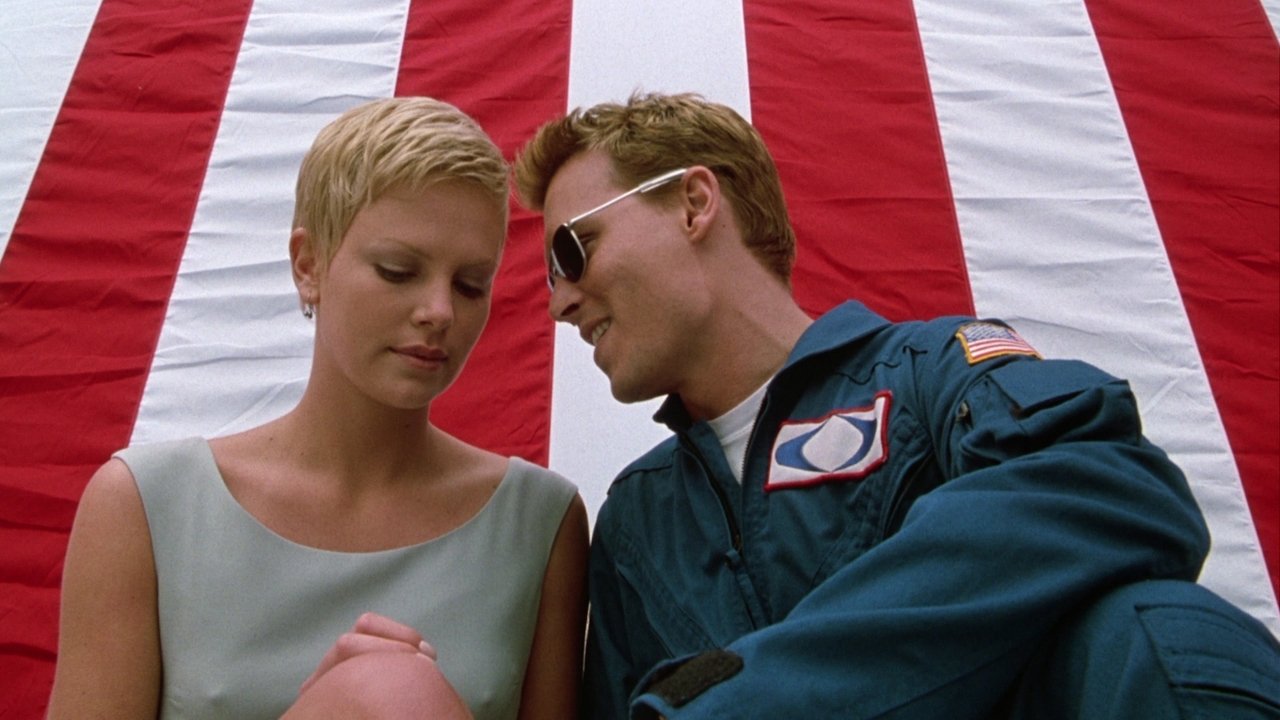
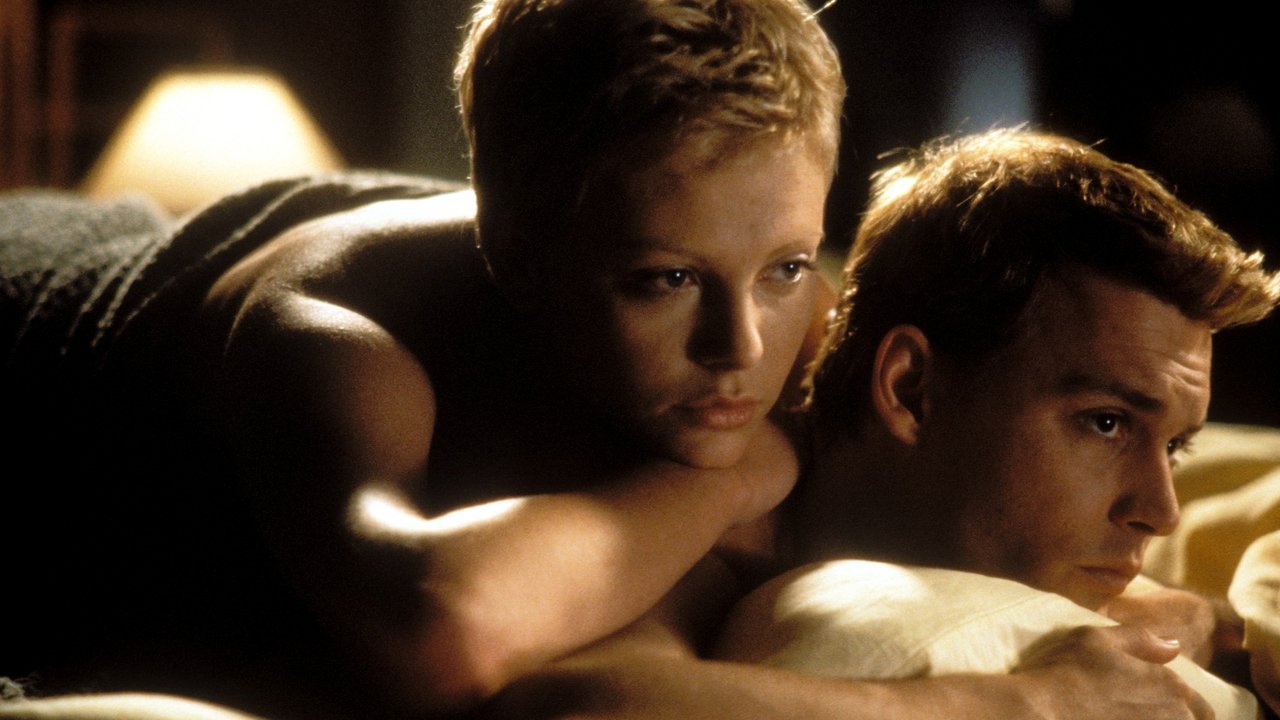
The premise itself carries a primal unease. Spencer Armacost (Johnny Depp) and his partner Alex Streck (Nick Cassavetes) are heroes, NASA astronauts returning from a daring spacewalk mission marred by a terrifying two-minute communication blackout. On the ground, Spencer's devoted wife, Jillian (Charlize Theron), waits anxiously. Spencer returns seemingly unharmed, but subtly different. Quieter. Colder. Jillian's relief curdles into suspicion, a slow-burn dread that begins to consume her as she navigates a world that insists everything is fine, even as her instincts scream otherwise. Director Rand Ravich, in his sole feature directorial effort, crafts a mood piece steeped in blues and greys, mirroring the emotional landscape of its protagonist. It's less about what happened in those two minutes of silence, and more about the creeping, invasive aftermath playing out in the sterile luxury of their lives.
A Study in Isolation
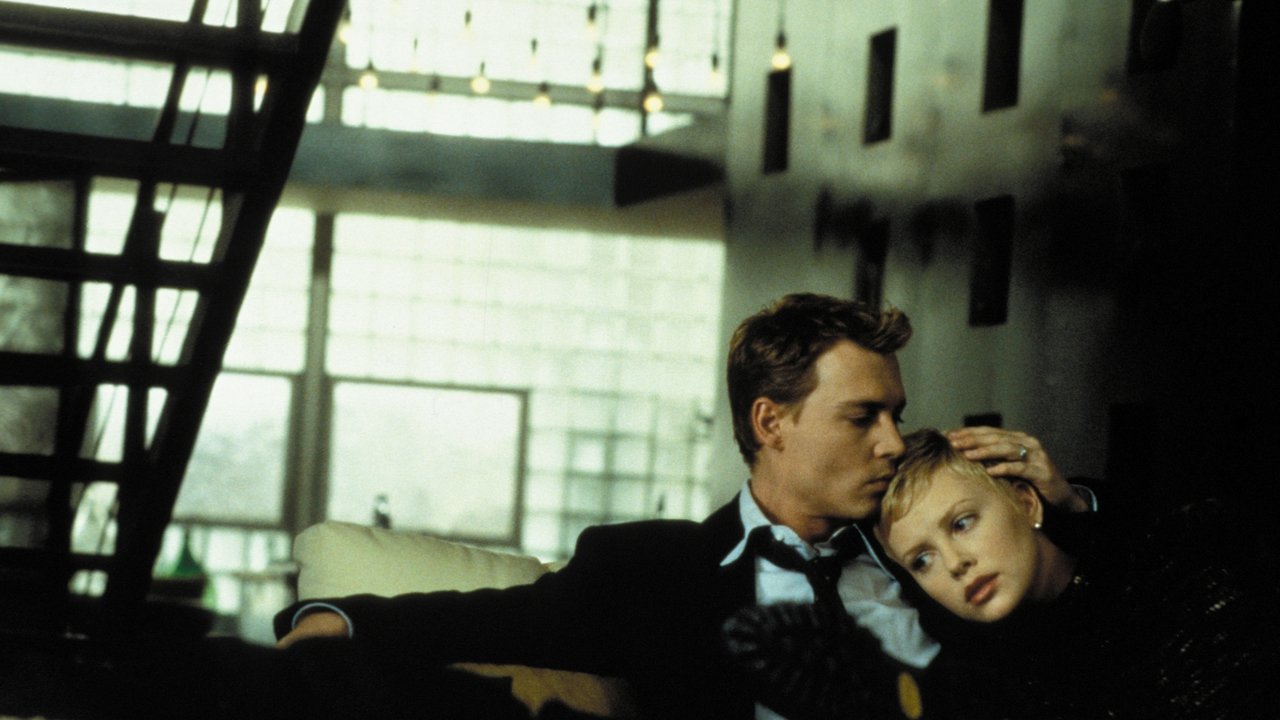
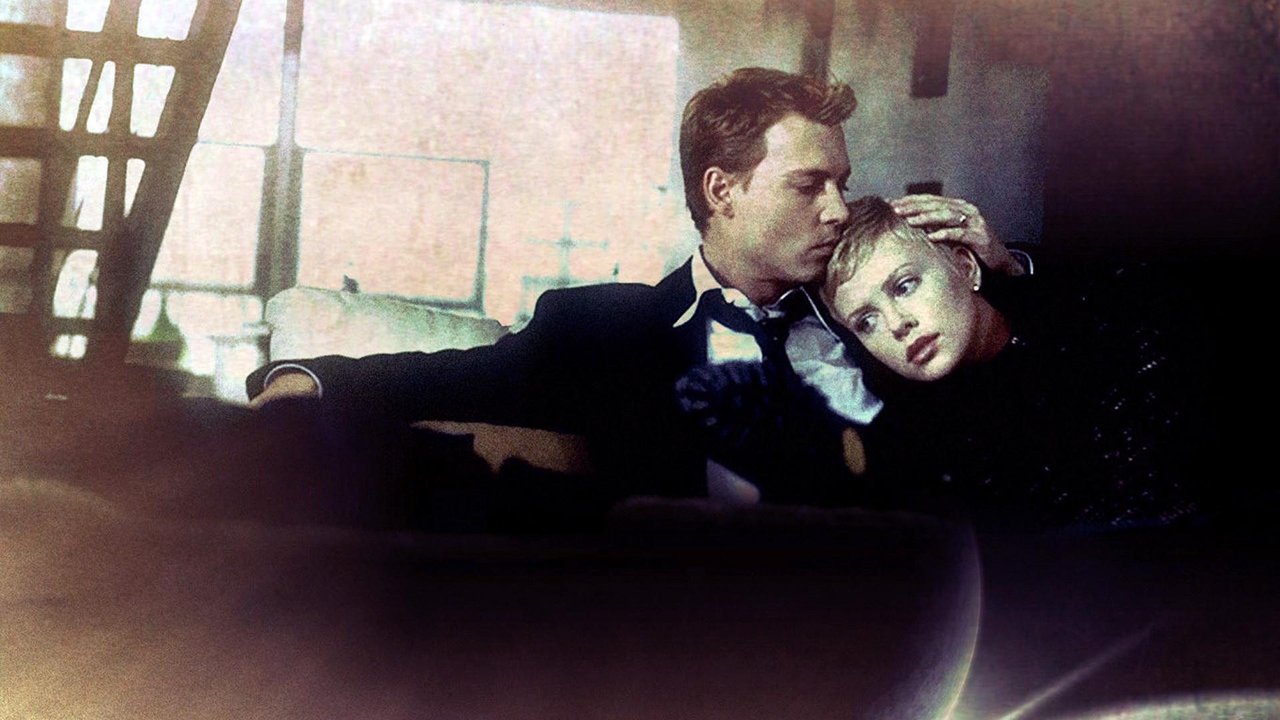
This truly is Charlize Theron's film. Relatively early in her career, following her striking turn in The Devil's Advocate (1997), she carries the weight of Jillian's terrifying isolation masterfully. Her performance is a gradual unravelling, from loving wife to a woman questioning her own sanity under the pressure of subtle gaslighting and chilling behavioral shifts from her husband. We feel her claustrophobia, her mounting terror as she pieces together fragments of disturbing information – whispers from a dying NASA investigator (Joe Morton, bringing his usual gravitas), unsettling premonitions, and the growing realization that the life growing inside her might be terrifyingly alien. Doesn't that feeling of being utterly alone, even when surrounded by people, tap into a deep-seated fear? The film owes a clear debt to classics like Rosemary's Baby (1968), exploring themes of bodily autonomy and monstrous impregnation with a late-90s sci-fi gloss.
The Enigmatic Passenger
Opposite Theron, Johnny Depp delivers a performance defined by unnerving stillness. Fresh off more eccentric roles like Fear and Loathing in Las Vegas (1998), his Spencer is deliberately blank, his usual charisma dialled down to near zero. Is he merely suffering PTSD from his ordeal, or is he a vessel for something utterly inhuman? Depp leans into the ambiguity, making Spencer's quiet intensity genuinely unsettling at times. His transformation isn't explosive; it's a slow leak of humanity, replaced by something calculating and cold. It’s a performance that relies on suggestion, forcing the audience, alongside Jillian, to search his impassive face for clues that remain maddeningly elusive.
Whispers Behind the Scenes
Despite its stylish veneer and A-list cast, The Astronaut's Wife famously failed to connect with audiences or critics upon release. Landing with a thud at the box office, it recouped only $19.6 million worldwide against a hefty $75 million budget (that's roughly $36 million against $138 million in today's money – a significant loss for New Line Cinema). Whispers of studio interference have long dogged the film, particularly regarding its ending. Writer-director Rand Ravich reportedly clashed with the studio, suggesting the released conclusion might have been a compromise, perhaps softening an originally darker vision. You can almost feel that tension in the final act, a sense that maybe a sharper, more devastating conclusion was left on the cutting room floor. Did you find the ending satisfying, or did it leave you feeling slightly… incomplete?
The film certainly looks expensive, with its sleek production design emphasizing cool, detached environments – upscale apartments, sterile NASA facilities. Yet, this glossiness sometimes works against the tension, creating a distance when perhaps grittier intimacy was needed. The focus is squarely on psychological horror, eschewing complex practical effects for atmospheric dread and performance-driven chills.
Verdict: A Chilly Relic of the 90s Thriller Boom
The Astronaut's Wife isn't a forgotten masterpiece, nor is it a bombastic failure easily dismissed. It exists in that interesting middle ground: a flawed but atmospheric sci-fi thriller anchored by a compelling lead performance and a genuinely unsettling core concept. Its pacing can drag, and the plot points occasionally feel too familiar, borrowing heavily from genre titans. Yet, there's an undeniable moodiness to it, a chilling sense of paranoia that lingers. Charlize Theron's portrayal of Jillian's descent is worth the price of admission (or rental fee, back in the day). I distinctly remember renting this one, drawn in by the star power and the eerie premise, and finding myself surprisingly unnerved by its quiet dread.
Rating: 6/10
The score reflects a film that succeeds more in atmosphere and performance than in narrative execution. It’s a solid, if slightly derivative, slice of late-90s paranoia cinema, elevated by Theron's commitment but hampered by pacing issues and perhaps studio meddling. It remains a fascinating curio from the era – a reminder that sometimes the greatest horrors aren't out in the cosmos, but right beside us, breathing softly in the dark.