Here’s a review draft for "VHS Heaven":
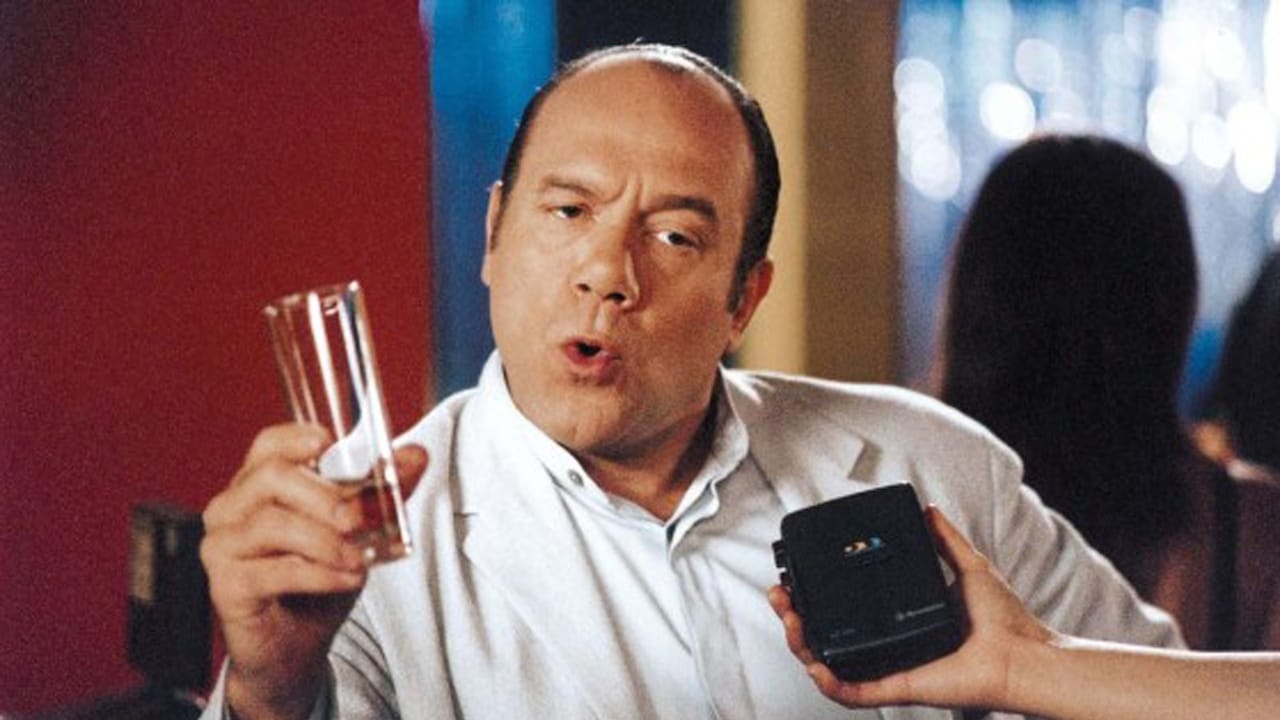
There’s a certain kind of weariness that settles deep in the bones, isn't there? The kind born not just of age, but of dreams deferred, of potential maybe squandered. It’s a feeling that permeates Carlo Verdone's C'era un cinese in coma (2000), a film that arrived right at the cusp of the new millennium, carrying the bittersweet weight of Italian comedy-drama that Verdone himself helped define through the 80s and 90s. While it might have graced our DVD players more often than our VCRs upon release, its soul feels deeply connected to that earlier era of character-driven stories, making it a worthy entry in our retro reflections.
Mid-Life Malaise Meets Accidental Fame
Verdone, a maestro of portraying middle-class anxieties (think Compagni di Scuola (1988) or Maledetto il giorno che t'ho incontrato (1992)), plays Ercole Colombo, a down-on-his-luck theatrical agent. His stable consists of disastrous magicians, depressing folk singers, and anyone desperate enough to cling to the lowest rungs of show business. His marriage to Eva (Marit Nissen) is strained, his daughter dismisses him, and his agency office feels less like a launchpad for stars and more like a waiting room for disappointment. It’s a picture of quiet desperation, instantly recognisable to anyone who’s felt stuck in a rut.
Everything shifts during a disastrous company dinner when Ercole's hapless driver, Nicola 'Niki' Renda (Giuseppe Fiorello, credited then as Beppe Fiorello), steps in to salvage a bombed performance with an impromptu, raw, and surprisingly hilarious comedy routine. Suddenly, Ercole sees not just a driver, but a golden ticket. A potential escape route from his own mediocrity.
The Double-Edged Sword of Success
What follows is a darkly funny, often poignant exploration of the symbiotic, frequently parasitic relationship between manager and talent. Ercole rockets Niki – renamed 'Nik Phenomenon' – to dizzying, albeit low-brow, fame. The money rolls in, the crowds roar, but at what cost? Verdone masterfully portrays Ercole’s internal conflict: the initial excitement curdling into cynical exploitation, the paternal affection warring with naked self-interest. We see him manipulate Niki, feeding his ego while simultaneously draining his spirit, all under the guise of professional guidance. Is Ercole saving Niki, or just himself? The film leaves that question hanging, heavy in the air.
Fiorello's Incandescent Arrival
This film was a true launching pad for Giuseppe Fiorello. Before this, he was known but hadn't quite broken through as a major film actor. His performance as Niki is electric – a whirlwind of naive energy, vulnerability, and ultimately, simmering resentment. You completely believe his transformation from simple driver to unlikely comedy star, and crucially, you feel the toll it takes on him. His wide-eyed confusion in the face of sudden adoration, the growing awareness of being used, the eventual emotional implosion – it’s a remarkably authentic portrayal that earned him a David di Donatello nomination for Best Supporting Actor. Verdone, known for his keen eye for talent, certainly struck gold here. Fiorello’s raw performance is the perfect counterpoint to Verdone’s more controlled, internalised anxieties.
Retro Fun Facts & Verdone's Touch
C'era un cinese in coma wasn't just a critical observation; it was a commercial smash in Italy. Reportedly made on a budget of around 8 billion lire (roughly €4 million), it raked in close to 28 billion lire (around €14.5 million) at the box office. It seemed audiences strongly connected with this tale of fleeting fame and the bittersweet taste of success – perhaps a meta-commentary in itself? The film's Italian tagline, "Quando la fortuna è cieca... ma il successo ci vede benissimo!" ("When luck is blind... but success sees perfectly well!"), perfectly captured this cynical yet comedic take on fortune.
Verdone, co-writing as well as directing and starring, brings his trademark observational style. The humour often comes from the absurdity of the situations Niki finds himself in – crude jokes tailored for provincial audiences, bizarre television appearances – but it’s always grounded in character. There’s a lived-in feel to Ercole’s world, from the drab agency office to the slightly soulless hotel rooms that become Niki’s gilded cage. Verdone doesn’t push for flashy visuals; his focus is squarely on the faces and the unspoken emotions flickering behind the eyes. He trusts his actors, especially himself and Fiorello, to carry the narrative weight.
Beneath the Laughs
While billed as a comedy, the film resonates most strongly in its quieter, more reflective moments. It asks uncomfortable questions about the nature of entertainment, the disposability of talent, and the compromises we make in pursuit of our ambitions – or simply to escape our failures. Watching it now, in an age dominated by viral sensations and influencer culture, Niki's story feels surprisingly prescient. How different is his rapid, bewildering ascent and the subsequent burnout from the arcs of so many internet-famous figures today?
The film doesn’t offer easy answers. Ercole isn't a moustache-twirling villain, but a flawed man grabbing desperately at a second chance. Niki isn't just a victim, but someone seduced by the spotlight, however briefly. It’s this complexity, this refusal to paint in black and white, that elevates C'era un cinese in coma beyond simple satire.
Rating & Final Thoughts
C'era un cinese in coma earns a solid 8/10. It’s a quintessential Verdone piece – funny, melancholic, sharply observed, and anchored by terrific performances. Verdone himself delivers a nuanced portrayal of middle-aged desperation, while Fiorello’s breakout turn is impossible to forget. It captures the specific flavour of Italian popular culture at the turn of the millennium while exploring universal themes of ambition, exploitation, and the often-hollow nature of fame that still resonate today.
What lingers most, perhaps, is that familiar Verdone blend of laughter tinged with sadness – a reminder that even when chasing the brightest lights, the shadows of our own lives are never far behind. It might not have the pure nostalgic fuzz of an 80s classic for everyone, but its heart beats with the same complex, human rhythm.