Alright, fellow tape travelers, let’s rewind to the late 90s. Maybe you stumbled upon this one in the 'Foreign Films' section of the local video store, nestled between art-house dramas and perhaps another Italian comedy you didn't quite recognise. Or maybe, like me, you caught it on a fuzzy satellite channel late one night, drawn in by a character so excruciatingly familiar yet utterly bizarre. I’m talking about Carlo Verdone’s 1998 cringe-comedy masterpiece, Gallo cedrone. This wasn't your typical Hollywood fare; this was pure, unadulterated Italian observational humour, sharp enough to draw blood (from laughing too hard, mostly).
Meet Armando: The Man You Love to Loathe
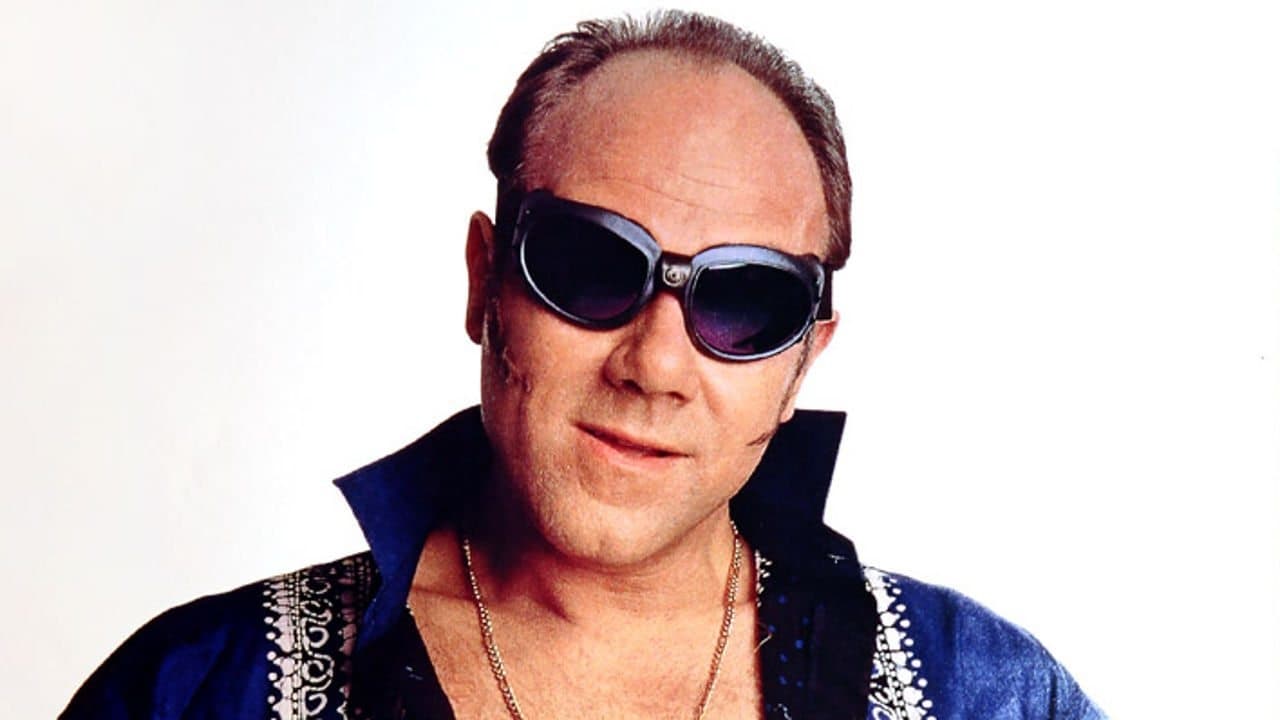
At the heart of Gallo cedrone (which translates roughly to "Capercaillie" or "Wood Grouse," hinting at a certain strutting, mating-display kind of energy) is Armando Feroci, played with unsettling perfection by Verdone himself, who also directed and co-wrote. Armando isn't just a character; he's an event. A middle-aged, relentlessly optimistic, slightly delusional volunteer for a fictitious rescue organisation, obsessed with his ex-wife, perpetually trying (and failing) to impress everyone around him, especially the much younger, bewildered Martina (Regina Orioli).
Watching Armando operate is like witnessing a slow-motion car crash you can't look away from. His attempts at heroism are often disastrous, his romantic gestures veer into stalker territory, and his grasp on reality feels… tenuous. Verdone, a master observer of human quirks (a skill honed across decades of iconic Italian comedies), doesn't just play Armando; he inhabits him. It's a performance built on tiny details – the slightly-too-tight clothes, the forced bonhomie, the desperate glint in his eye. It’s comedy born from painful recognition. We’ve all known an Armando, haven’t we? Maybe not one who fakes elaborate rescue scenarios, but certainly someone with that level of misplaced confidence and cringeworthy bravado.
A Script Sharpened by Legends
The film cleverly uses a framing device: Armando is being interviewed for a sensationalist TV show about his supposed heroic exploits and tragic love life, allowing the story to unfold in flashbacks. This structure lets Verdone and his powerhouse writing team – including the legendary duo Leo Benvenuti and Piero De Bernardi (the geniuses behind classics like Amici Miei (1975) and the Fantozzi series) – layer the comedy and the pathos. These weren't just gag writers; they understood character and satire deeply. They craft situations that spiral perfectly out of Armando's control, each moment of awkwardness building on the last.
One fantastic tidbit: Verdone reportedly drew inspiration for Armando from observing real people, a common practice for him. He has an incredible ear for dialogue and an eye for the absurdities of everyday Italian life, particularly the male ego in crisis. That authenticity, even within the heightened comedic reality, is what makes the film resonate. It's not just slapstick; it's a social X-ray disguised as a farce. And it struck a chord – Gallo cedrone was a massive hit in Italy, pulling in the equivalent of around €15.5 million back in '98, proving that audiences were more than ready to laugh at (and perhaps with?) this tragically flawed character.
That Late 90s Vibe
Watching Gallo cedrone now is definitely a trip back to the specific flavour of the late 90s. The fashion, the technology (or lack thereof), the slightly more permissible boundaries of social awkwardness in comedy – it’s all there. The film doesn't rely on flashy effects; its 'realness' comes from the performances and the painfully believable scenarios. Think of the scenes with Armando's eternally patient, suffering best friend Franco (Paolo Triestino, providing the perfect grounding counterpoint). Their interactions feel utterly genuine, the exasperation palpable even through the slightly grainy transfer you might remember from your old VHS copy.
The humour isn't always comfortable. Armando's pursuit of Martina definitely skirts boundaries that would be portrayed very differently today. But the film never explicitly endorses his behaviour; it presents him, warts and all, as a product of his own insecurities and societal pressures, leaving the audience to grapple with their laughter and discomfort. It’s this complexity that elevates Gallo cedrone beyond a simple comedy.
Why It Still Holds Up (Mostly)
Does every joke land perfectly almost three decades later? Perhaps not. Some cultural specifics might require a bit more context for non-Italian viewers. But the core of the film – Verdone’s fearless performance, the sharp critique of a certain kind of male posturing, and the sheer, unadulterated cringe – remains potent. It’s a reminder of a time when character-driven comedies, even uncomfortable ones, could dominate the box office and spark conversation. It lacks the slickness of modern comedies, sure, but its rough edges and observational bite feel refreshingly direct.
Rating: 8/10
The rating reflects Verdone's comedic genius, both in front of and behind the camera, the brilliantly constructed script from seasoned masters, and the creation of an unforgettable, albeit deeply flawed, comedic anti-hero. It captures a specific time and place with hilarious, sometimes uncomfortable, accuracy. While some elements feel distinctly '90s, the core character study remains remarkably sharp and funny.
Final Take: Gallo cedrone is Italian cringe-comedy gold, preserved on tape like a slightly embarrassing yet beloved family photo. It’s Carlo Verdone holding up a mirror to a certain kind of masculine folly, and daring us not to laugh in recognition. Still essential viewing for fans of European comedy and anyone who appreciates a character study that’s as hilarious as it is unsettling.