There’s a certain manic energy unique to 80s Italian comedies, a blend of broad slapstick, surprisingly sharp social observation, and sheer, unadulterated chaos, often served with a side of bittersweet melancholy. Carlo Verdone's Troppo Forte (roughly translating to "Too Strong" or perhaps "So Awesome!" in the slang of the day) from 1986 might just be the cinematic equivalent of a triple espresso consumed while riding a Vespa through rush-hour Rome. It hits hard, rattles your senses, and leaves you slightly breathless, wondering exactly what just happened – but often with a grin.
Meet Oscar, Dreamer and Disaster Magnet
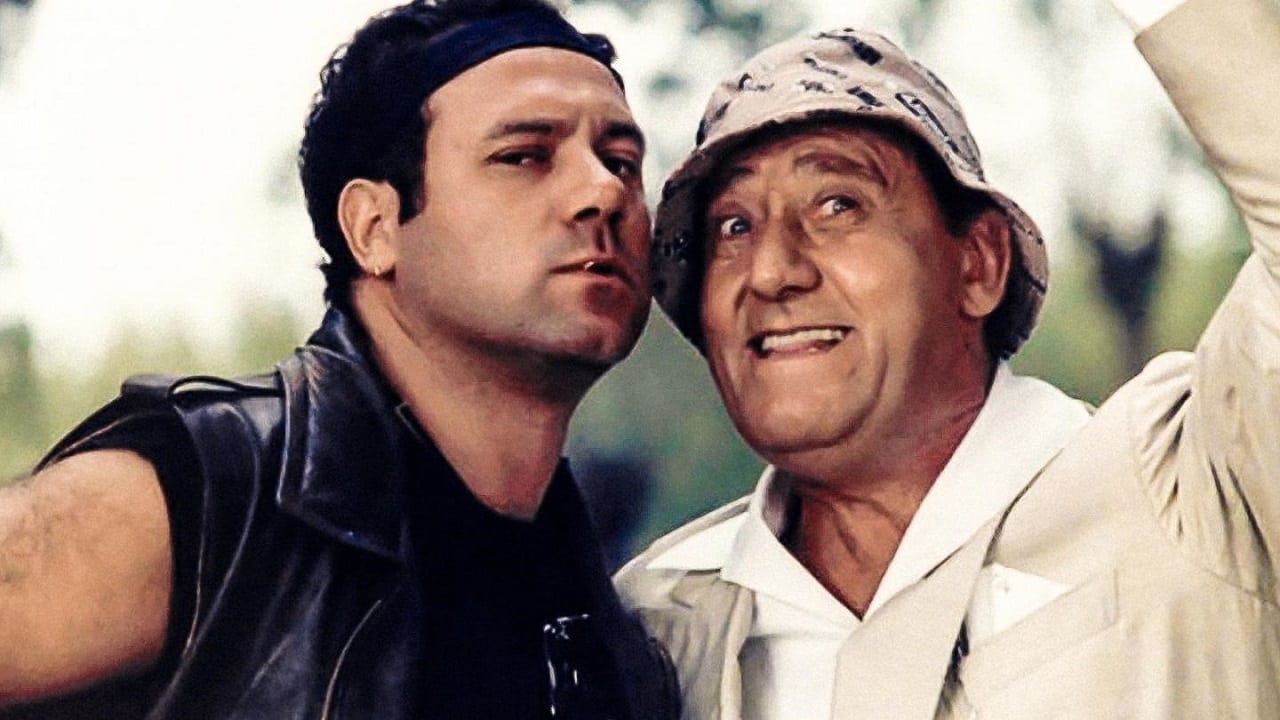
At the heart of this whirlwind is Oscar Pettinari, played with boundless, almost exhausting, energy by Verdone himself, who also directs and co-writes. Oscar is a dreamer dwelling on the fringes of Cinecittà, Rome's legendary film studio. He lives in a makeshift shack on set, convinced he's the next great Hollywood stuntman, despite a track record that suggests otherwise. His 'stunts' are less death-defying feats and more elaborate ways to injure himself or cause property damage, filmed with endearing amateurism by his equally hapless friends. He’s all boundless optimism poured into a frame that seems perpetually moments away from comic collapse. Remember those guys from school who were always trying ridiculously dangerous things with supreme confidence? Oscar is the patron saint of those guys.
The plot, such as it is, kicks into gear when Oscar, egged on by a slippery lawyer named Giangiacomo Pigna Corelli in Selci (played with delightful slime by the great character actor John Steiner), attempts a phony accident scam. The target is a wealthy American producer's beautiful, aloof girlfriend, Nancy (played by American actress Stella Hall). Naturally, everything that can go wrong, does, spiraling into a series of increasingly bizarre and farcical situations that pull Oscar further away from his Hollywood dreams and deeper into Roman absurdity.
Verdone Unleashed, with a Legend's Touch
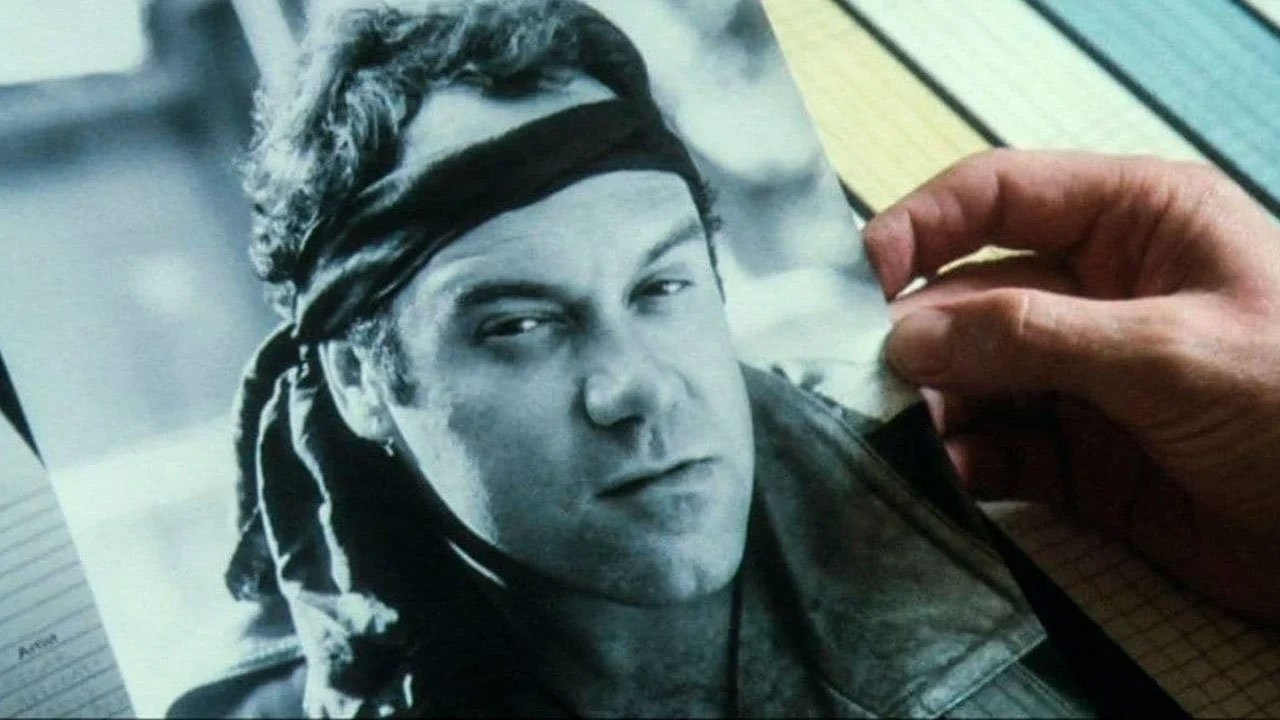
Verdone, by 1986, was already a huge star in Italy, known for his gallery of memorable, often neurotic, Roman characters. Here, he throws himself into the physical comedy with gusto. Oscar Pettinari isn't just clumsy; he's a force of nature colliding with immovable objects, usually face-first. What elevates it beyond mere slapstick, however, is Verdone’s underlying sweetness. You believe in Oscar’s absurd ambition, even as you cringe at his inevitable failures. There’s a vulnerability beneath the bravado that makes him strangely compelling.
A significant behind-the-scenes detail adds a layer of fascination: the script was co-written by none other than Alberto Sordi, an absolute titan of Italian cinema (Il Sorpasso, An American in Rome). Initially, the story was conceived for Sordi himself, before being adapted for the younger Verdone. Sordi’s fingerprints are perhaps detectable in the film's slightly darker undertones and its satirical glance at the intersection of dreams and disillusionment within the movie world. Though Sordi himself only appears in a brief, uncredited cameo (blink and you might miss him!), his comedic spirit feels present. Imagine getting script notes from a legend like that – it must have been quite the experience for Verdone, who was then solidifying his own place in the comedic pantheon.
Cinecittà Charm and 80s Aesthetics
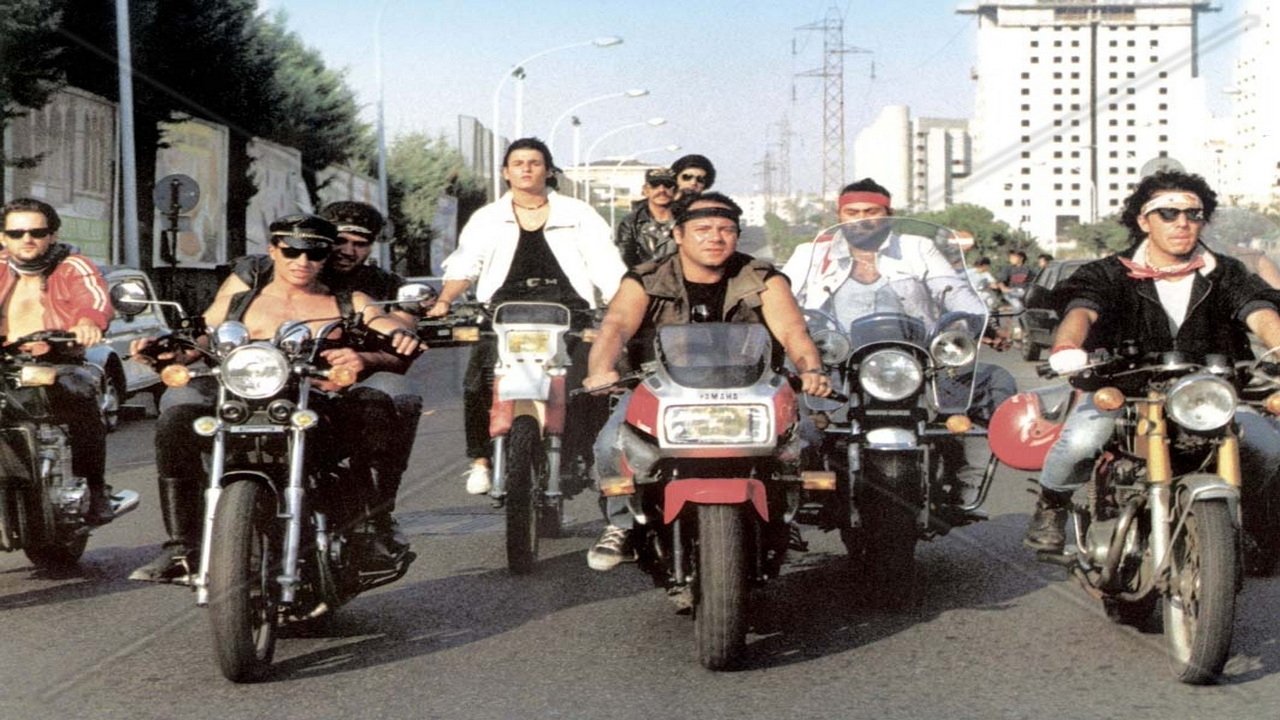
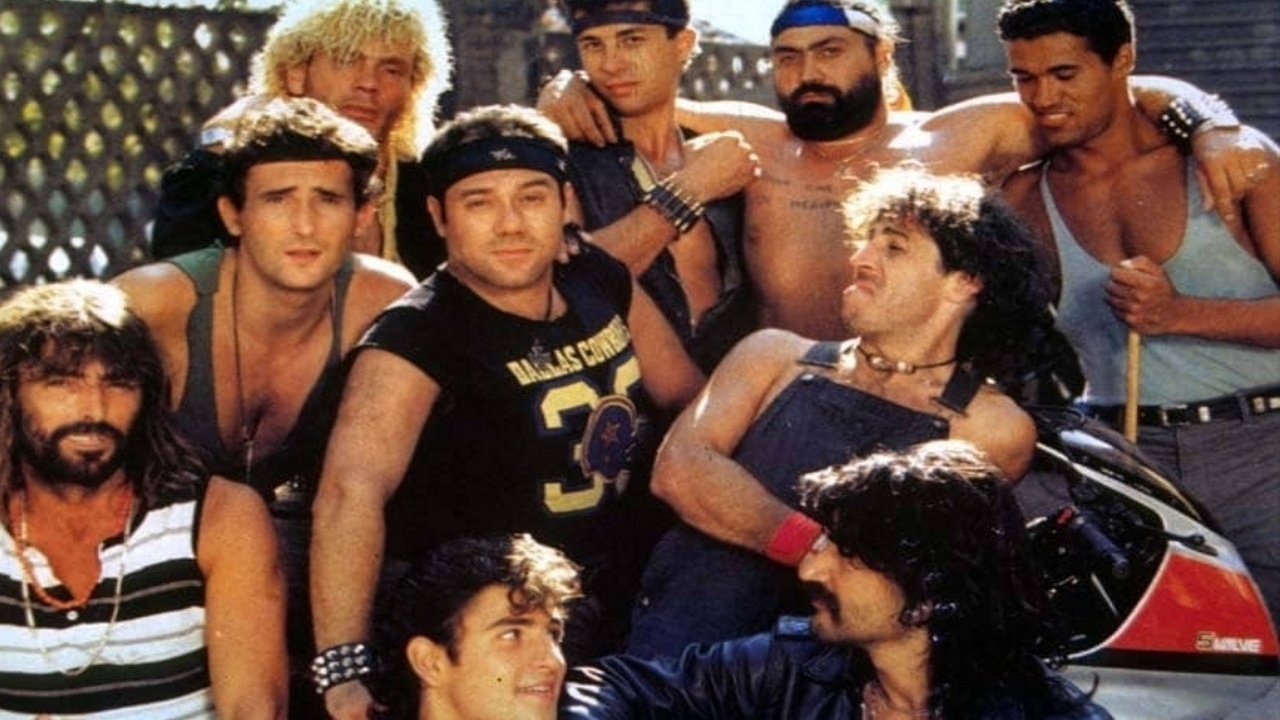
Shooting significant portions within Cinecittà itself lends the film a wonderful sense of place. It’s not just a backdrop; it’s practically a character, representing the unattainable dream factory just beyond Oscar’s grasp. The film feels authentically 80s Italian – the fashion, the synth-pop elements in the score, the very specific Roman atmosphere Verdone captures so well. It’s a snapshot of an era, warts and all. The presence of Stella Hall, an American actress amidst the very Italian chaos, also provides an interesting dynamic, highlighting the culture clash that often fuels the comedy. Her cool detachment serves as a perfect foil to Verdone's manic energy.
Does every joke land? Perhaps not for a non-Italian audience unfamiliar with some cultural nuances or Verdone’s specific comedic persona, which often relies on regional dialects and archetypes. Some of the pacing feels uneven, lurching between frantic set pieces and moments of surprising quiet. And let's be honest, the central scam plot feels secondary to the joy of simply watching Oscar bounce off the walls of his own ambition. But isn't that often the charm of these VHS-era comedies? They weren’t always perfectly polished, but they had heart and a willingness to go for broke.
A Shot of Pure 80s Italian Energy
Troppo Forte isn't aiming for profound depth, but it succeeds wonderfully as a vehicle for Carlo Verdone's unique comedic talents and as a time capsule of mid-80s Italian pop cinema. It captures that specific blend of hope and haplessness, the dream of making it big against the often-absurd reality of trying. It reminds me of finding that slightly worn tape on the rental shelf, maybe rented on a whim, and being swept up in its sheer, unpretentious energy. It might not be high art, but it’s undeniably alive. What lingers most is the image of Oscar, bruised but undeterred, ready to attempt the next impossible stunt. Isn't there something universally relatable about that kind of relentless, if misguided, optimism?
Rating: 7/10
This score reflects the film's infectious energy, Verdone's powerhouse comedic performance, and its value as a nostalgic slice of 80s Italian cinema. It loses a few points for uneven pacing and humour that might not fully translate universally, but its charm and Verdone's commitment make it a thoroughly enjoyable watch for fans of the era and the director.
Final Thought: A chaotic, funny, and surprisingly endearing portrait of dreaming big, even when gravity (and common sense) seems determined to pull you back down to Earth. Pure Verdone.