Okay, fellow tapeheads, let’s drift away from the usual Hollywood explosions and synth scores for a moment. Flickering on the mental CRT tonight is a gem you might have stumbled across in the 'Foreign Films' section of the video store, nestled perhaps between a Fellini classic and something with subtitles that looked vaguely intriguing. I'm talking about Carlo Verdone's 1987 Italian charmer, My Sister and I (or Io e mia sorella for the purists). This wasn't your typical Friday night action rental, but finding it felt like uncovering a warm, witty secret – a perfect example of character-driven comedy that felt both sophisticated and hilariously relatable, even through the occasional fuzz of a well-loved VHS tape.
### When Chaos Comes Calling
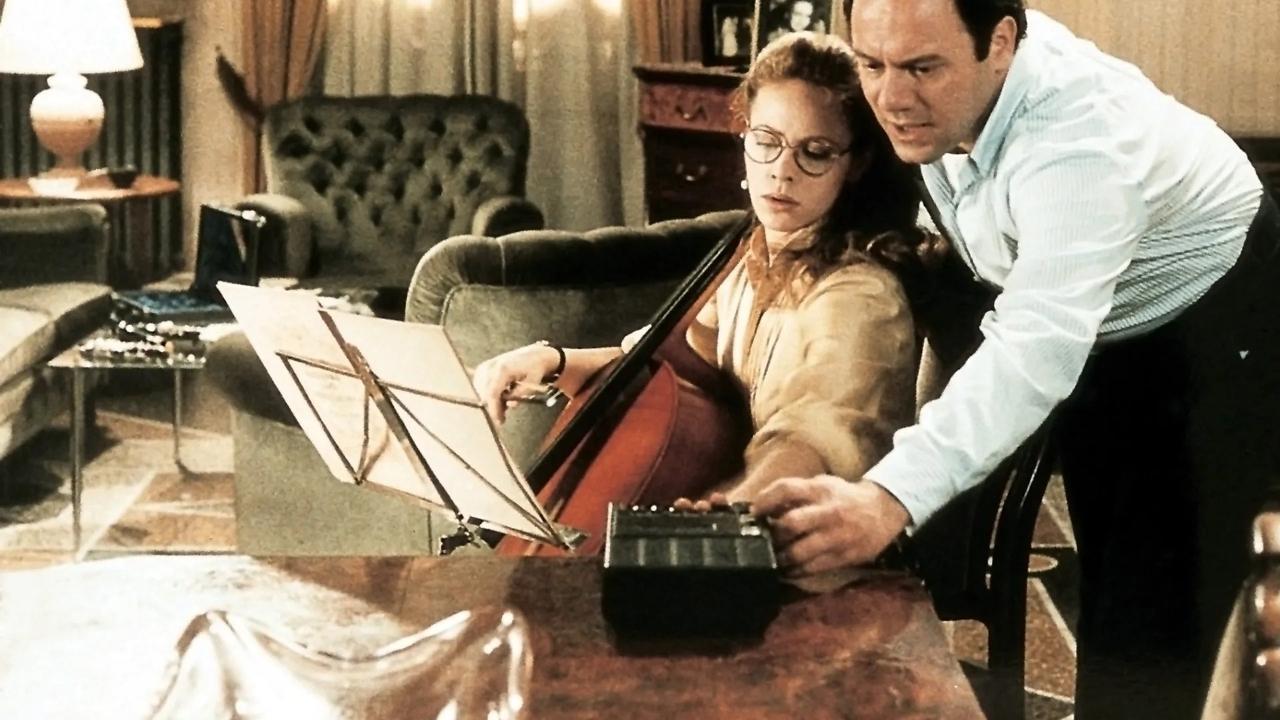
The setup is pure comedic gold, tapping into that universal dread of familial disruption. Carlo Verdone, Italy's beloved maestro of middle-class angst (think a Roman Woody Allen, but perhaps warmer), directs and stars as Carlo Piergentili. He’s a meticulous classical musician, happily married to the patient Serena (Elena Sofia Ricci), living a life of predictable comfort and quiet routine in Rome. Enter Silva, Carlo’s estranged sister, played with magnificent, whirlwind energy by the stunning Ornella Muti. Silva is everything Carlo is not: impulsive, flighty, perpetually entangled in complicated situations, and possessing a talent for turning tranquil lives upside down. When she bursts back into Carlo's ordered existence, needing help and trailing mystery, the stage is set for a collision of personalities that’s both funny and surprisingly touching.
### Verdone's Gentle Touch
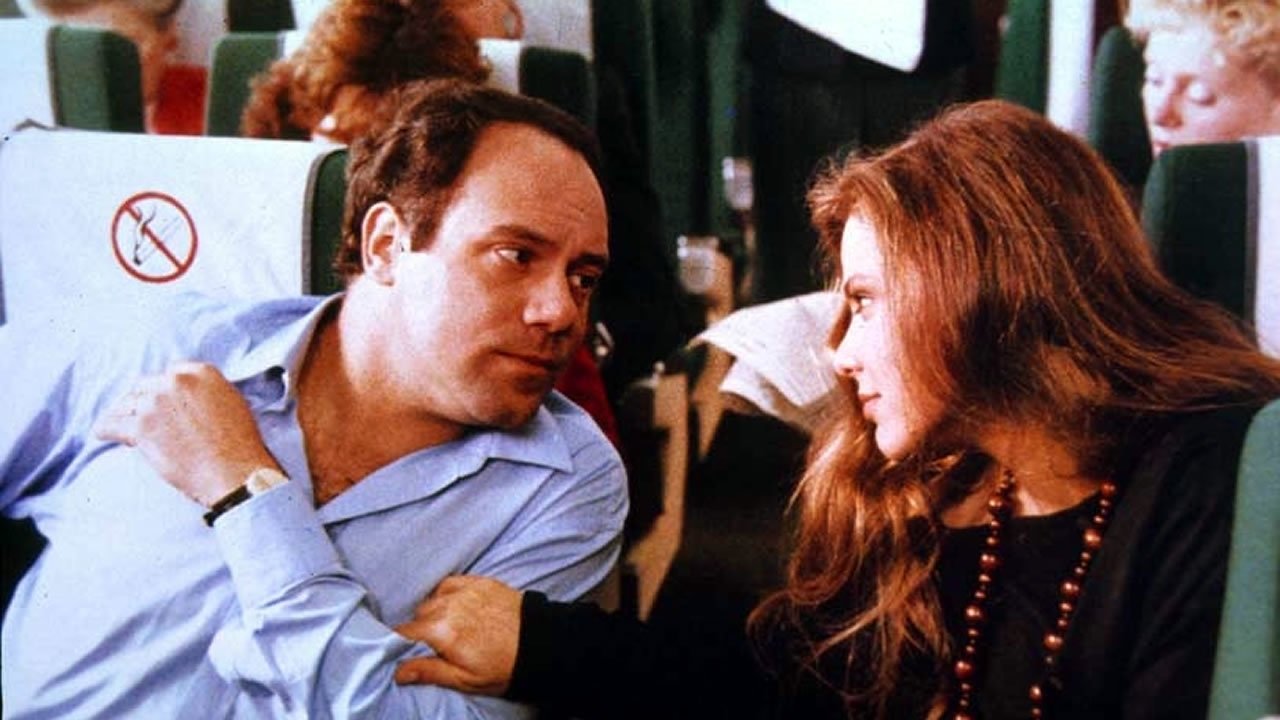
If you only knew Carlo Verdone from seeing his name on the box, you were in for a treat. He wasn't just the star; he directed and co-wrote the screenplay, alongside Italian screenwriting legends Leo Benvenuti and Piero De Bernardi. These guys were masters, having penned classics of the commedia all'italiana genre like Amici Miei. Their involvement here lends My Sister and I a pedigree, a sense of smartly crafted scenarios built on human observation rather than cheap gags. Verdone’s directorial style is unfussy, focusing entirely on his characters and their interactions. His own performance as Carlo is a masterclass in controlled exasperation. He's the quintessential Verdone protagonist: decent, anxious, slightly neurotic, trying desperately to maintain composure in the face of escalating absurdity. You feel his pain, but you can't help but chuckle at his predicament. It's a type of character Verdone honed across numerous Italian box office hits, making him a true domestic superstar.
### Muti Unleashed
While Verdone anchors the film with his relatable anxiety, it’s Ornella Muti who truly ignites it. Many international audiences might remember her primarily from roles like Princess Aura in Flash Gordon (1980) or perhaps opposite Stallone in Oscar (1991). Here, as Silva, she’s a force of nature – beautiful, yes, but also exasperating, vulnerable, and utterly captivating. Silva isn't just a plot device; she's a complex character, oscillating between childish irresponsibility and moments of surprising insight. Muti fully embraces the chaos, creating a character who is simultaneously frustrating and deeply sympathetic. It's no surprise she walked away with a David di Donatello Award (Italy's Oscar equivalent) for Best Actress for this role. Her chemistry with Verdone isn't about romance; it's about the push-and-pull of sibling dynamics, the ingrained annoyance mixed with undeniable affection.

### The Supporting Pillar
Let's not forget Elena Sofia Ricci as Serena, Carlo's wife. In less capable hands, this could have been a thankless role – the disapproving spouse. But Ricci brings a wonderful blend of warmth, weariness, and subtle comic timing. Her reactions to Silva's antics, and her attempts to navigate the increasingly bizarre situation while supporting her stressed-out husband, are often priceless. It speaks volumes about the quality of the ensemble that Ricci also won a David di Donatello for Best Supporting Actress. The film truly rests on the strength of these three central performances. The fact that a relatively gentle comedy swept two major acting awards tells you something about its quality and resonance back in Italy, where it was a significant hit.
### More Than Just Laughs
What makes My Sister and I endure, beyond the laughs, is its heart. It’s a film about family, responsibility, and the ways people we love can drive us absolutely crazy yet remain indispensable. The humor arises naturally from the characters and their conflicting desires, tinged with that slight melancholy often found in the best Italian comedies. Watching it now, it feels distinctly of its time – the fashion, the Roman apartments, the gentle pacing – but the core emotional truths remain resonant. It lacks the frantic pace or high-concept hook of many American comedies from the era, opting instead for charm and character. If you were lucky enough to rent this back in the day, maybe with slightly wonky subtitles on the VHS, it probably felt like a refreshing change of pace.
VHS Heaven Rating: 8/10
Justification: The rating reflects the film's superb performances (especially from the award-winning Muti and Ricci), Carlo Verdone's assured direction and signature comedic persona, and the sharp, character-focused script co-written by legends Benvenuti & De Bernardi. It's a genuinely funny and warm-hearted film that represents high-quality Italian comedy of the era. While not flashy, its craft and charm hold up remarkably well. The deduction of points acknowledges that its gentle pacing and specific cultural humor might not resonate universally, and it lacks the visual spectacle some VHS hunters crave.
Final Take: Forget the explosions for a night; My Sister and I is a delightful reminder that sometimes the most entertaining chaos comes knocking at your own front door, especially when it looks like Ornella Muti. A truly rewarding find from the 'Foreign Gems' aisle of the video store memory palace.