What happens when the predictable comforts of middle-class life shatter? It's a question many films explore, but few with the particularly Italian blend of frantic comedy and poignant melancholy found in Carlo Verdone's 1990 offering, Stasera a casa di Alice (released internationally, though rarely seen, as Tonight at Alice's). Watching it again now, decades after first stumbling upon it in the slightly more adventurous corner of the video store's 'World Cinema' shelf, feels like reconnecting with an old, slightly neurotic, but ultimately very human friend. It captures that specific Verdone flavour – anxieties wrapped in gags, delivered with a knowing sigh.
### The Cracks Appear in the Uranya Travels Agency
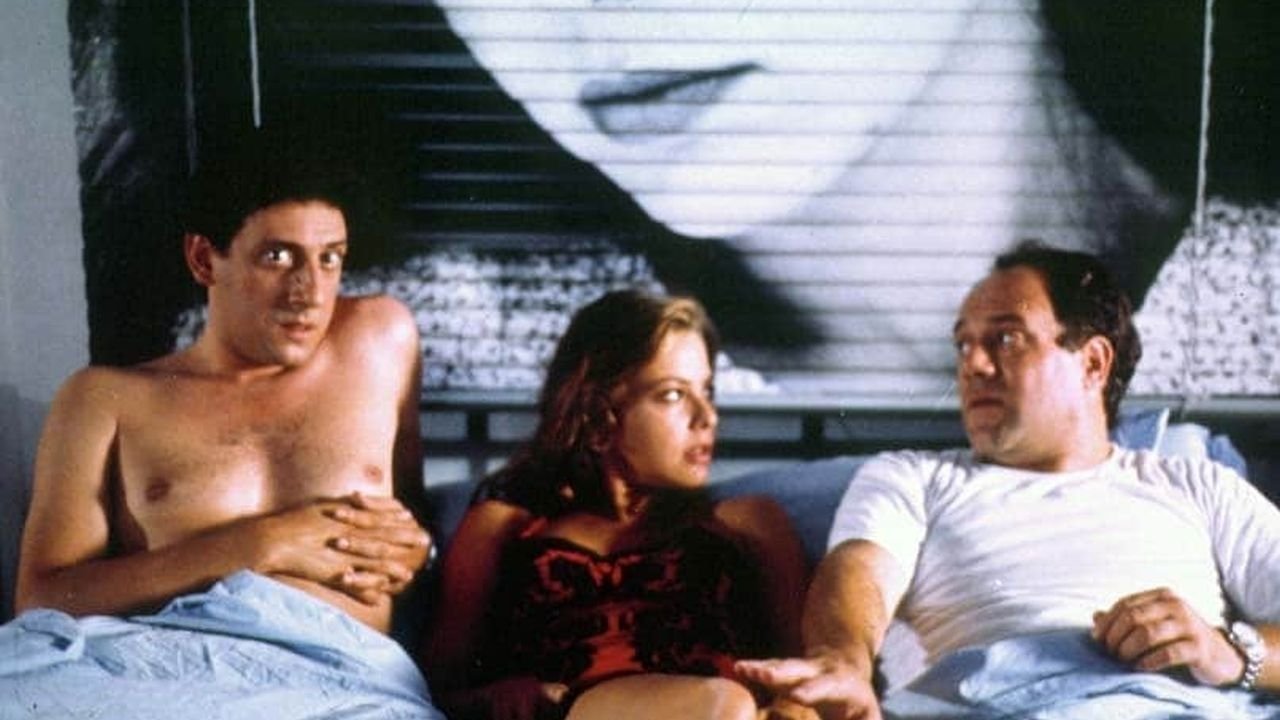
The setup feels familiar, almost comfortable. Saverio (Carlo Verdone) and Filippo (Sergio Castellitto) are not just business partners running the mildly chaotic "Uranya Travels" agency in Rome; they're seemingly solid friends, navigating the everyday anxieties of married life and package tour bookings. Verdone embodies his classic persona – earnest, slightly flustered, prone to simmering frustrations beneath a veneer of normalcy. Castellitto, even then showing the dramatic weight he'd carry in later roles, gives Filippo a certain restless charm that hints at dissatisfaction. This carefully constructed world fractures when Saverio discovers that his wife, the titular Alice (Ornella Muti), isn't just unhappy; she's deeply involved in an affair... with Filippo.
What follows isn't just a straightforward farce, though there are certainly moments of expertly timed physical comedy and escalating panic that Verdone excels at. Instead, the film delves into the messy emotional fallout. It's less about the 'who' and 'how' of the affair, and more about the devastating impact on friendship, trust, and the self-perception of all three individuals caught in this triangle. I recall finding this film tucked away on VHS, perhaps expecting a lighter romp based on the cover, and being struck by the undercurrent of genuine sadness beneath the laughs. It felt... adult, in a way many contemporary Hollywood comedies shied away from.
### A Trio's Tangled Web
The success of Stasera a casa di Alice hinges significantly on its central performances. Verdone, working from a script he co-wrote with the legendary duo Leo Benvenuti and Piero De Bernardi (veterans behind countless Commedia all'italiana classics), finds the vulnerability beneath Saverio's predictable outrage. His pain feels real, even when expressed through Verdone's trademark physical ticks and exasperated dialogue. It’s a performance that balances the comedic requirements with a genuine sense of a man whose foundations have crumbled.
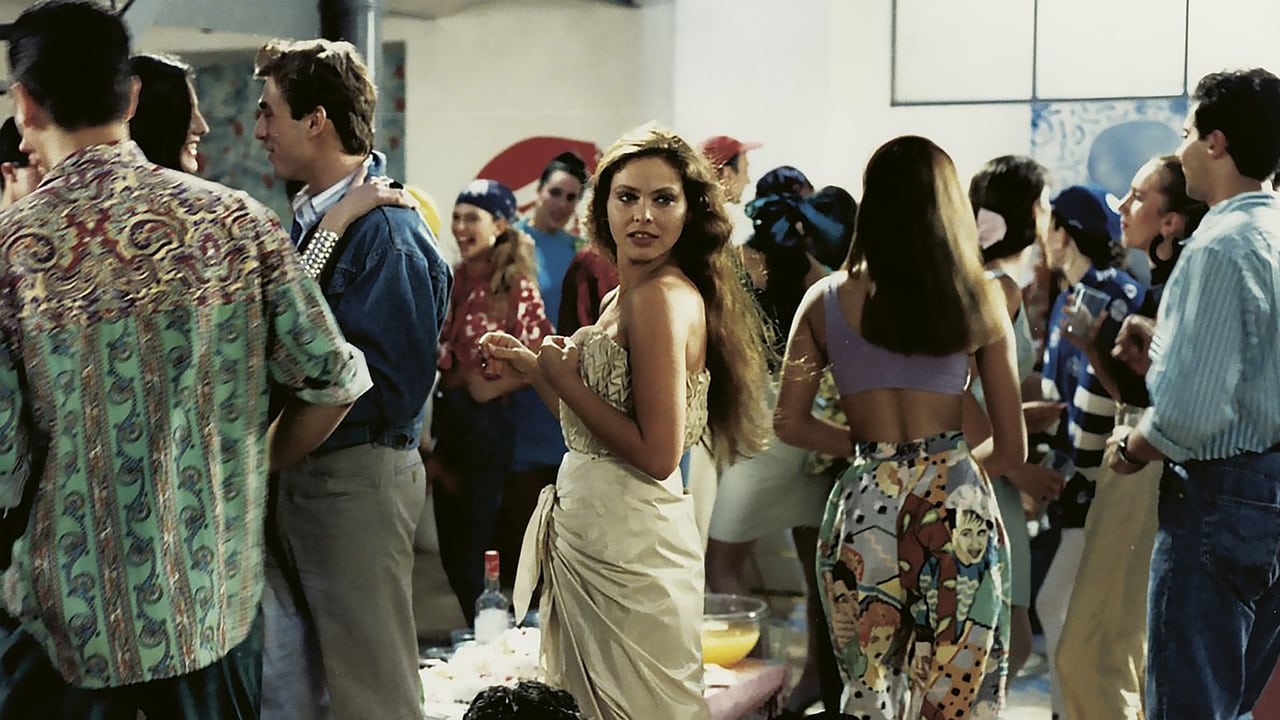
Ornella Muti, an international presence thanks to films like Flash Gordon (1980), was specifically sought by Verdone for the role of Alice. She brings a captivating blend of allure and ambiguity to the character. Is Alice simply bored, genuinely in love with Filippo, or lost in her own desires? Muti avoids easy answers, portraying her not as a villain, but as a complex woman navigating her own crisis, making choices that ripple outwards with devastating consequences. It’s a performance that invites judgment but also, perhaps reluctantly, understanding.

And then there's Sergio Castellitto. As Filippo, he masterfully portrays the conflict between loyalty and desire, the awkwardness of the betrayer caught in the act. His interactions with Verdone crackle with the tension of broken trust, shifting from desperate placation to moments of startling confrontation. The chemistry between these three actors is palpable, making their tangled relationships believable and, ultimately, quite affecting.
### Roman Blues and Production Notes
Shot largely on location in Rome, the film captures the specific atmosphere of the city – not the postcard version, but the everyday streets, apartments, and workplaces where life unfolds. The travel agency setting itself, "Uranya Travels," becomes a microcosm of frustrations and mundane dreams, fertile ground for Verdone's keen observational humour. Reportedly crafted with a substantial budget for its time (around 8 billion lire), the film aimed for a slightly more reflective, even darker, tone than some of Verdone's earlier hits, though producer pressure arguably kept the comedic elements front and centre. It clearly resonated with Italian audiences, becoming a significant box office success upon release. It's also a family affair in a sense, produced by Verdone's sister, Silvia. These details perhaps explain the film's slightly more personal, introspective feel compared to broader comedies of the era.
One wonders how much the film reflects the complexities Verdone himself saw in relationships around him. The script doesn't offer easy resolutions or neat moral lessons. It acknowledges that sometimes, things break and cannot be perfectly repaired. There's an honesty there, a willingness to sit with the discomfort, that feels quite mature. Does this film perfectly balance its comedic impulses with its dramatic heart? Perhaps not always – some tonal shifts can feel abrupt. But its willingness to try, to portray betrayal and forgiveness (or the lack thereof) with messy humanity, is commendable.
### Lasting Impressions
Stasera a casa di Alice might not be the first Carlo Verdone film that springs to mind for international audiences, but it represents a key moment in his evolution, blending his reliable comedic persona with deeper thematic concerns. It’s a film about the painful chaos that erupts when carefully constructed lives are thrown into disarray by desire and deception. The performances are uniformly strong, grounding the sometimes frantic plot in relatable human emotion. It feels like a quintessential late-80s/early-90s Italian comedy-drama – sharp, funny, a little melancholic, and ultimately quite resonant. Finding this on a dusty VHS tape felt like discovering a small, perfectly imperfect European gem.
Rating: 7/10
Justification: While sometimes tonally uneven, the film succeeds thanks to the excellent chemistry and nuanced performances of its three leads, particularly Verdone and Castellitto. It tackles mature themes of infidelity and broken friendship with a blend of genuine humour and affecting pathos that feels distinctively Italian and refreshingly honest for its time. It's a strong example of Carlo Verdone's 90s output and a solid Commedia all'italiana entry well worth seeking out for fans of the genre or anyone nostalgic for finding those slightly unexpected foreign films at the video store.
What lingers most is the bittersweet acknowledgment that sometimes, even between the closest of friends or partners, the damage done is irreparable, leaving behind scars and silence where laughter used to be.