Okay, settle back onto that slightly worn sofa, maybe adjust the tracking just so on your mental VCR, because we're diving into a gem of early 80s Italian comedy that still feels awkwardly relatable: Carlo Verdone's 1982 charmer, Borotalco (Talcum Powder). This isn't about explosions or car chases, folks. This is the high-stakes, often cringe-inducing action of trying way too hard to impress someone, captured with that uniquely Italian blend of farce and melancholy.
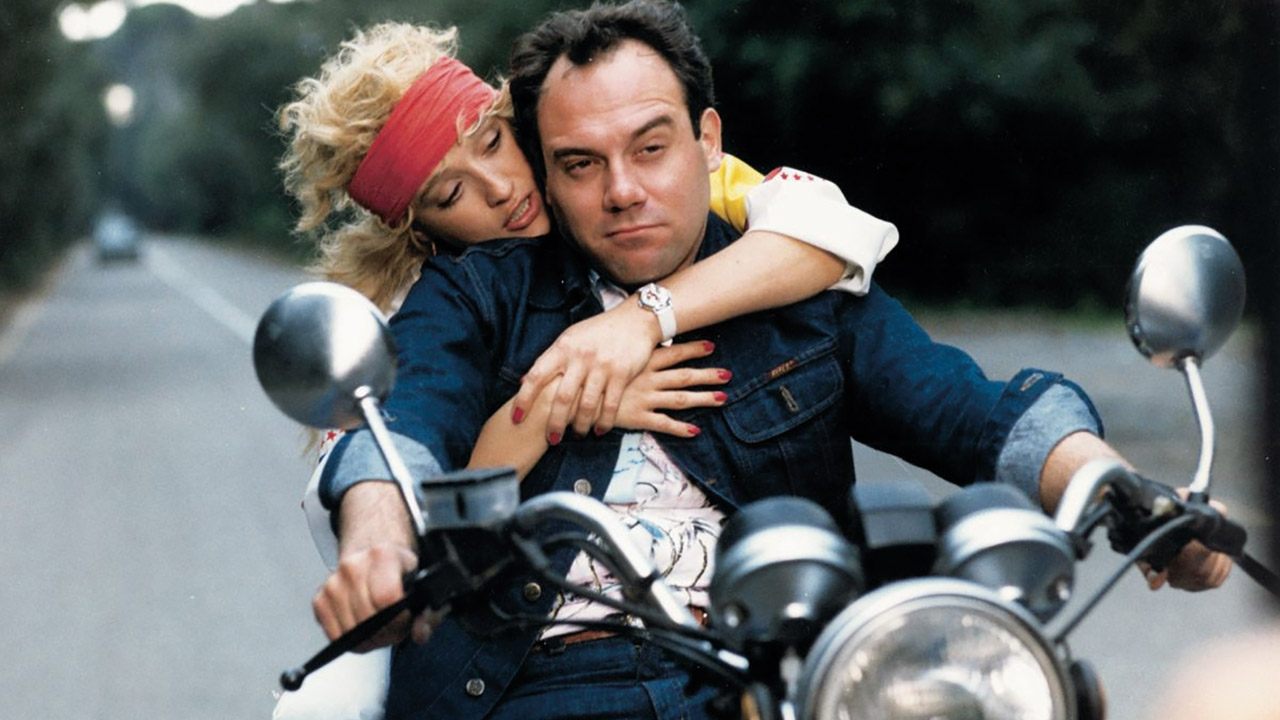
Remember those days of trying to reinvent yourself for a crush? Borotalco bottles that feeling perfectly through its protagonist, Sergio Benvenuti. Played with masterful insecurity by Verdone himself, Sergio is a shy, unassuming door-to-door encyclopedia salesman – a job title that practically screams 1980s obsolescence even then. His life is a beige landscape of missed opportunities until he quite literally stumbles into the orbit of the effortlessly cool Nadia (the luminous Eleonora Giorgi). One chaotic misunderstanding involving a borrowed apartment and a ridiculously over-the-top personality transplant later, Sergio finds himself pretending to be someone he absolutely is not.
The Art of the Awkward Spiral
What follows is pure comedic gold, built not on slapstick (though there are moments) but on the excruciating tension of Sergio digging himself deeper and deeper into his web of lies. Verdone, who also directed and co-wrote with Enrico Oldoini (later director of many popular Italian comedies), has an incredible eye for the nuances of social anxiety and the desperate lengths people go to for acceptance, or in this case, affection. Sergio adopts the persona of a confident, world-weary architect – borrowing liberally from the actual resident of the apartment, the flamboyant and utterly self-absorbed Manuel Fantoni, played with hilarious swagger by Christian De Sica.
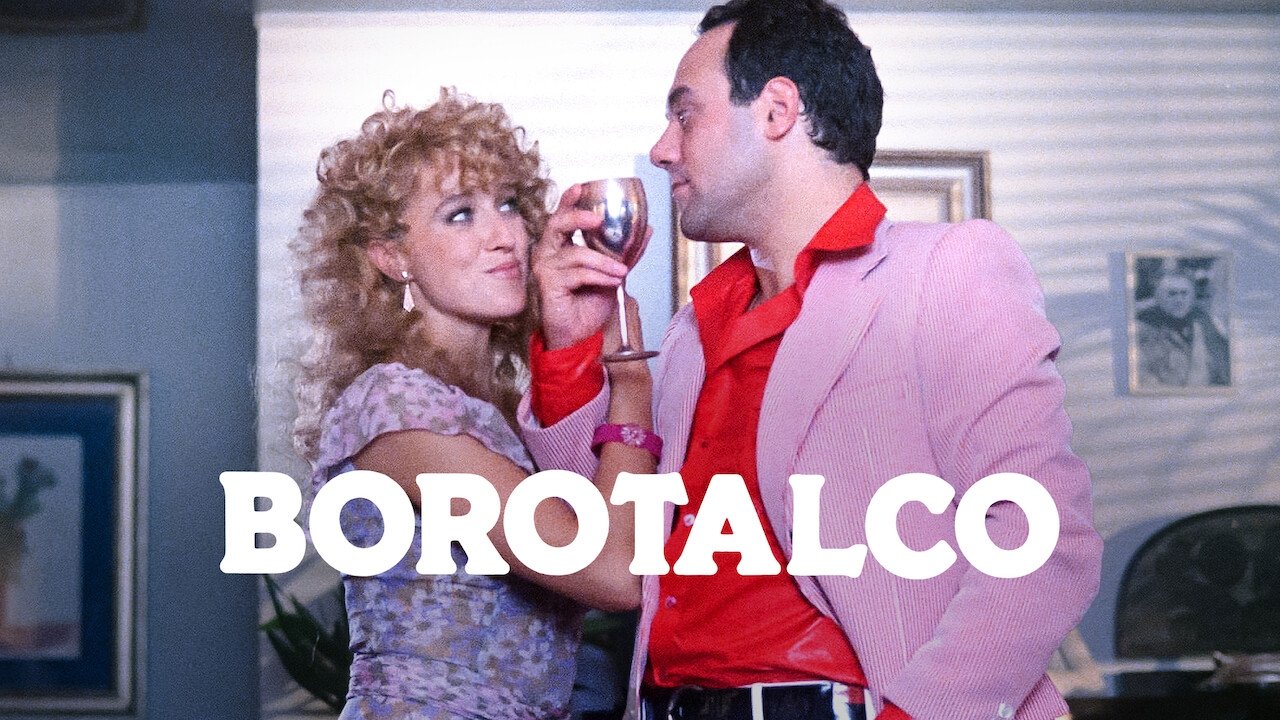
It's fascinating to watch Verdone, already a rising star after hits like Un Sacco Bello and Bianco, Rosso e Verdone, embody Sergio's transformation. He shifts physically, his posture changing, his voice deepening slightly, but always with that flicker of panic in his eyes. It’s a performance that resonates because we’ve all felt that imposter syndrome, even if we weren’t pretending to own a penthouse overlooking Rome. Speaking of Rome, the film captures the city in a less touristy, more everyday light, providing a fantastic backdrop that feels authentic to the period. Forget the Colosseum glamour shots; this is the Rome of apartment blocks and bustling, slightly chaotic streets.
When شخصيات Collide
The supporting cast is crucial here. Eleonora Giorgi, a major star in Italy at the time, brings a natural charm and intelligence to Nadia. You believe she's initially taken in by Sergio's act, but she’s never portrayed as naive. Her gradual realization adds another layer to the comedic tension. And then there's Christian De Sica, son of the legendary Vittorio De Sica. His Manuel Fantoni is a glorious caricature of 80s excess and artistic pretension. De Sica leans into the absurdity, delivering lines with a self-importance that makes Sergio’s mimicry even funnier. Rumor has it Verdone based the Fantoni character partly on anecdotes he’d heard about certain eccentric figures in the Roman cultural scene.
One of the film's most enduring elements is its soundtrack, particularly the theme song "Grande figlio di puttana" by the band Stadio, featuring vocals by the legendary Lucio Dalla. That song became huge in Italy and perfectly encapsulates the film's mix of youthful energy, romantic yearning, and a touch of rebellious spirit. Wasn't it amazing how a single song could just define a movie back then? It instantly transports you back.
The Verdone Touch
Borotalco was a significant hit in Italy, cementing Verdone's status as a leading figure in Italian comedy. It wasn't just laughs; critics noted the underlying commentary on appearances versus reality, a theme Verdone would continue to explore. The title itself, Borotalco (Talcum Powder), is evocative – suggesting something that smooths over imperfections, creates a temporary pleasant facade, but ultimately lacks substance and can easily be brushed away. It’s a clever metaphor for Sergio’s manufactured persona.
Interestingly, Verdone initially struggled to get Giorgi cast, facing some resistance from producers, but he fought for her, convinced she was perfect for Nadia – a gamble that paid off beautifully. The film's success also reportedly helped solidify Christian De Sica's comedic career path, moving him further away from more dramatic roles. It's these little behind-the-scenes battles and casting choices that often shape the films we end up loving.
While some of the cultural references or fashion might feel distinctly early 80s (hello, questionable knitwear!), the core emotional truth of Sergio's predicament – the fear of inadequacy, the desire for connection, the absurdity of social posturing – remains timeless. The comedy lands not just because of witty lines or situations, but because it's grounded in recognizable human flaws.
Rating: 8/10
This rating reflects the film's superb comedic performances, particularly Verdone's masterful turn, its witty and well-structured script that builds comedic tension expertly, and its pitch-perfect capture of a specific time and feeling. It loses a couple of points perhaps for pacing that might feel a touch leisurely by modern standards and humor that is very specifically Italian, but its charm and underlying heart are undeniable.
Final Take: Borotalco is more than just an Italian comedy; it’s a wonderfully awkward, funny, and surprisingly insightful look at the lengths we go to for love, wrapped in a perfect early-80s VHS package. It reminds you that sometimes the most intense action sequences involve nothing more than a desperate lie threatening to unravel. Pure, cringe-comedy comfort food.