Alright fellow tape-heads, gather ‘round. Sometimes, digging through those stacks at the video store, or maybe scrolling through late-night cable years later, you stumbled upon something… monumental. Not always good, mind you, but undeniably big. And few cinematic swings felt bigger, bolder, or ultimately landed further from the mark than 2000’s infamous sci-fi epic, Battlefield Earth. Slipping this chunky tape into the VCR felt like handling potential contraband, whispered about in hushed, slightly bewildered tones. It arrived just as the millennium turned, a would-be blockbuster that felt instantly, strangely like a relic from a bygone, perhaps slightly delirious, era of filmmaking ambition.
### A Thousand Years of What, Exactly?
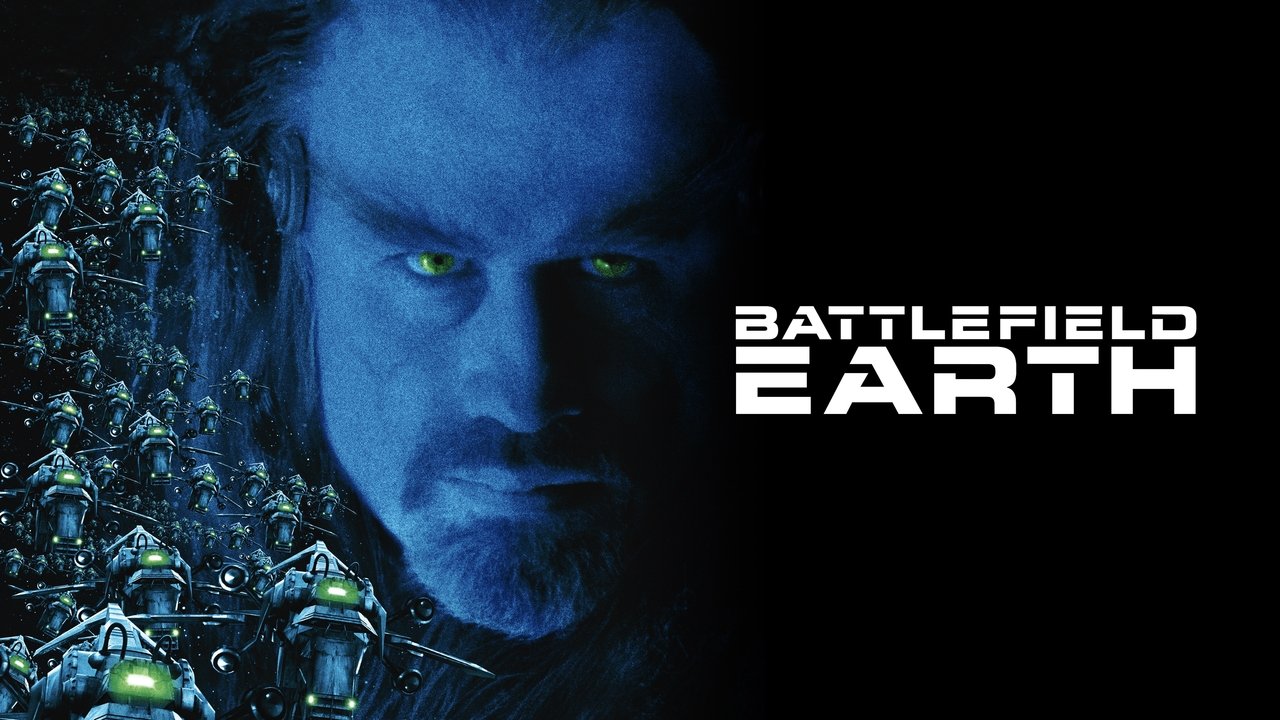
Based on the sprawling novel by Scientology founder L. Ron Hubbard, the premise is pure pulp sci-fi: Earth, year 3000. Humanity is reduced to scattered, primitive tribes after being conquered a millennium ago by the towering, dreadlocked, and frankly quite grumpy aliens known as Psychlos. Our hero, Jonnie Goodboy Tyler (Barry Pepper, fresh off saving Private Ryan), dares to leave his mountain refuge, gets captured, and becomes embroiled in the schemes of the scheming Psychlo security chief, Terl, played with scenery-devouring gusto by John Travolta. Terl wants gold, Jonnie wants freedom, and the fate of the planet hangs in the balance... theoretically.
The film wants to be an epic struggle, a David vs. Goliath tale set against a ruined Earth. But honestly? The vibe is less "epic saga" and more "intergalactic middle-management dispute filmed almost exclusively through a tilted camera lens." Director Roger Christian, who ironically won an Oscar for his set decoration on Star Wars (1977) and directed the atmospheric short Black Angel (1980) that played with The Empire Strikes Back in some territories, seemed determined to make every single shot look like it was filmed during an earthquake on a Dutch cargo ship. The relentless canted angles and bizarre color filters (so much blue and yellow!) create a visual style that's certainly… memorable? If not exactly pleasant.

### Let's Talk About Terl
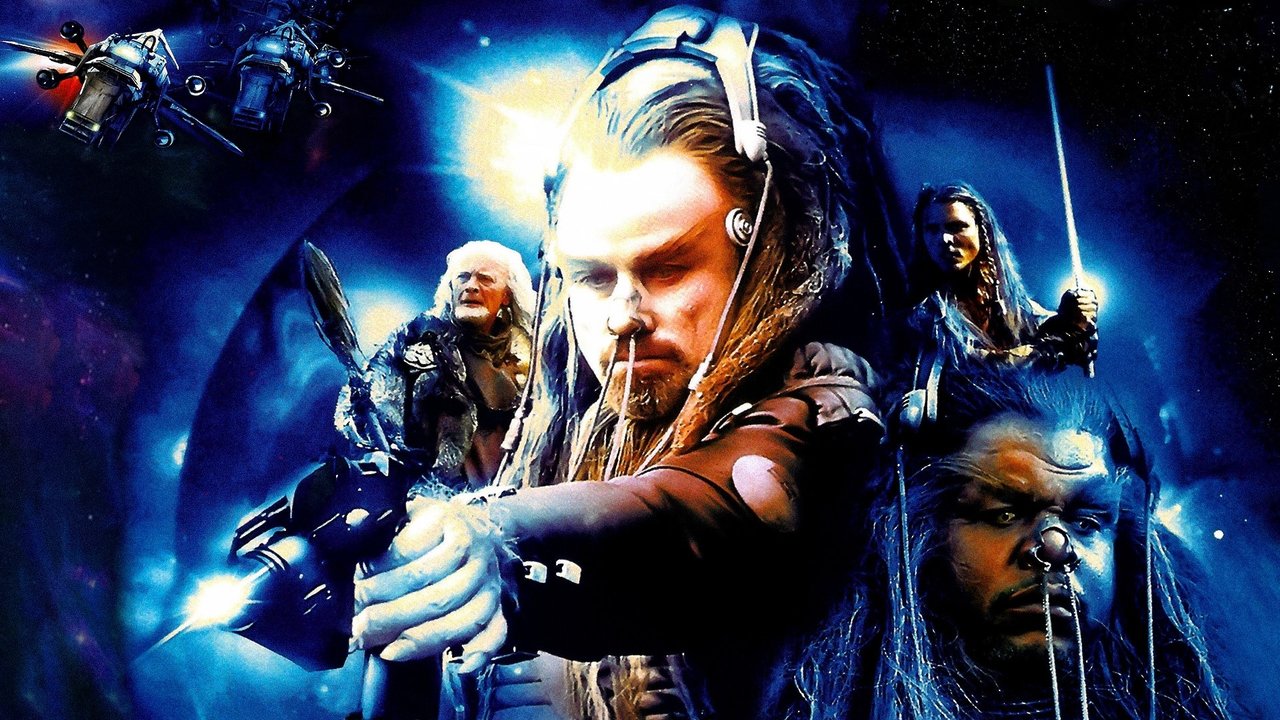
You simply cannot discuss Battlefield Earth without dedicating significant time to John Travolta's performance as Terl. This was a passion project for Travolta, who championed bringing Hubbard's book to the screen for years. And boy, does he commit. Decked out in platform boots that would make KISS envious, flowing dreadlocks, and nose plugs, Travolta delivers a performance that exists on its own unique plane of reality. His line readings ("Leverage!", "Rat-brain!") became instant, if unintentional, catchphrases. Is it good? That's... debatable. Is it fascinating? Absolutely. It’s a performance of such unrestrained, bizarre choices that you can’t look away. Credit where it's due, Travolta clearly believed in this, pouring his energy into creating a truly alien villain, even if the result often borders on high camp.
Opposite him, Barry Pepper does his level best as the earnest human hero, looking appropriately bewildered by the madness unfolding around him. Forest Whitaker, usually a guarantee of quality, feels somewhat lost as Ker, Terl's conflicted subordinate. He apparently took the role partly because Travolta asked him personally, but even his considerable talents struggle to find purchase amidst the film's overall strangeness.
### Action That Goes Clunk in the Night
This being VHS Heaven, we often celebrate the raw physicality of 80s and 90s action – the real explosions, the daring stunt work. Battlefield Earth tries for spectacle, with crumbling cities, aerial battles, and explosions. There are practical elements, particularly in the bulky Psychlo costumes and grimy sets meant to depict conquered Denver. But the action sequences often feel choppy and confusing, hampered by the bizarre cinematography and editing choices. Remember how mind-blowing the practical destruction could look back then? Here, the attempts at scale often feel oddly weightless, undermined by the visual noise. While released in 2000, its effects often feel less convincing than sci-fi epics from a decade prior, a strange mix of practical sets and early, often rubbery-looking CGI that hasn’t aged gracefully. It lacks the visceral punch of the best actioners from the tape era.
### The Legend Off-Screen
The story behind Battlefield Earth is arguably more compelling than the one on screen. It notoriously cost a hefty sum (estimates vary, but figures around $73 million were floated, a huge amount for the time) and became one of cinema's most legendary box office bombs, clawing back less than $30 million worldwide. This financial disaster is often cited as a factor in the bankruptcy of its production company, Franchise Pictures. Retro Fun Fact: Co-writer J.D. Shapiro later publicly apologized for the script, famously stating, "Let me start by apologizing to anyone who went to see Battlefield Earth." The film swept the Razzie Awards, becoming a benchmark for cinematic failure that, perversely, cemented its cult status. People sought it out because it was supposedly so bad. I distinctly remember renting the tape purely out of morbid curiosity after hearing the buzz.
### So, Is It Worth Digging Out of the Digital Dustbin?
Battlefield Earth is not a "good" movie in any traditional sense. The script is clunky, the direction is often baffling, and the tone is all over the place. Yet... there's something undeniably captivating about its sheer, misguided ambition. It's a monument to a singular vision (Travolta's passion, Hubbard's source material) executed in a way that alienated critics and audiences alike. Watching it today feels like unearthing a strange artifact from the turn of the millennium – a film trying desperately to be a gritty sci-fi epic but tripping over its own giant platform boots.

Rating: 2/10
The rating reflects the film's fundamental flaws in storytelling, direction, and execution. It fails as compelling sci-fi and coherent action. However, the sheer audacity, Travolta's unforgettable performance, and its infamous backstory earn it those two points purely as a cinematic curiosity.
Final Thought: It's the movie equivalent of finding that one bizarrely flavoured soda from your childhood – you know it wasn't good, but you remember the sheer strangeness of the experience, a truly unique flavour of cinematic disaster best appreciated with friends and perhaps a strong drink. Mandatory viewing? Absolutely not. Unforgettable? Weirdly, yes.