Okay, settle back into that worn spot on the couch, maybe imagine the faint hum of a CRT and the satisfying clunk of a tape sliding into the VCR. Tonight, we're revisiting West Canaan, Texas, and the crushing weight of expectation pressing down on a group of young men under the Friday night lights. 1999's Varsity Blues wasn't just another teen movie; it tapped into something raw about the intensity of high school sports culture, wrapped in a package that felt distinctly late-90s yet strangely timeless. It arrives not with a gentle fade-in, but with the roar of the crowd and the palpable tension of a town where football isn't just a game, it's religion.

Under the Tyrant's Thumb
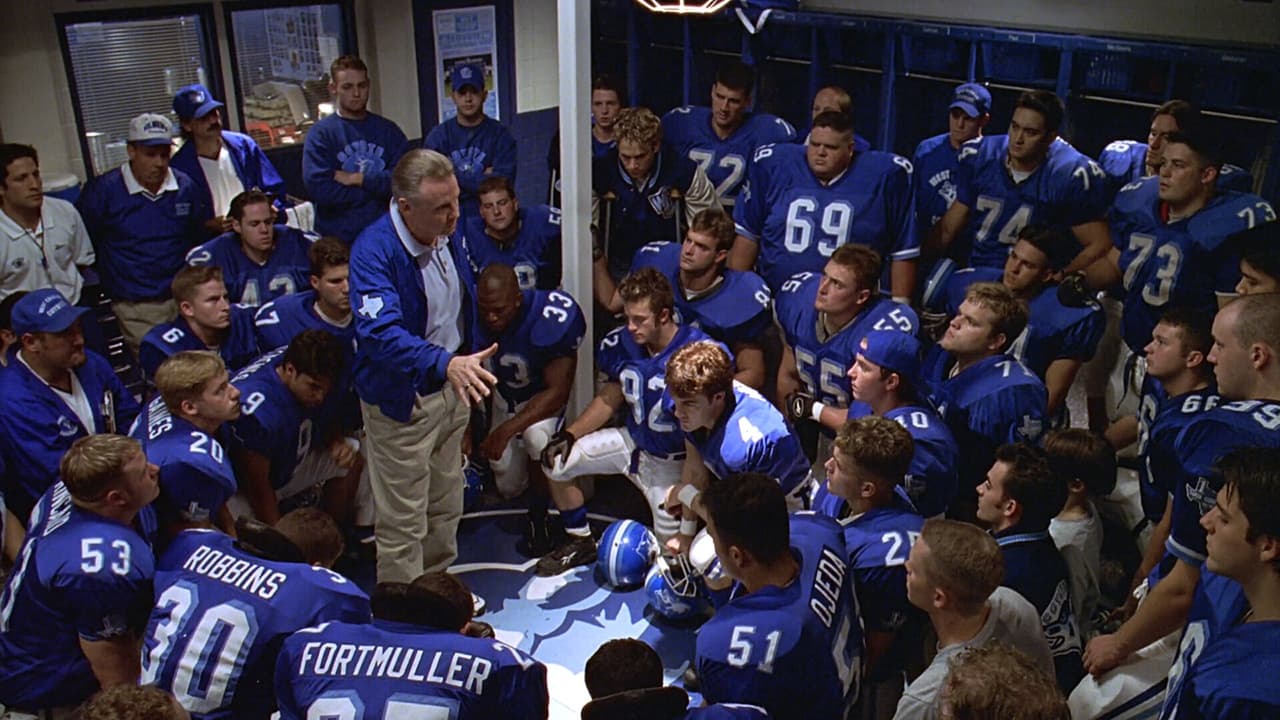
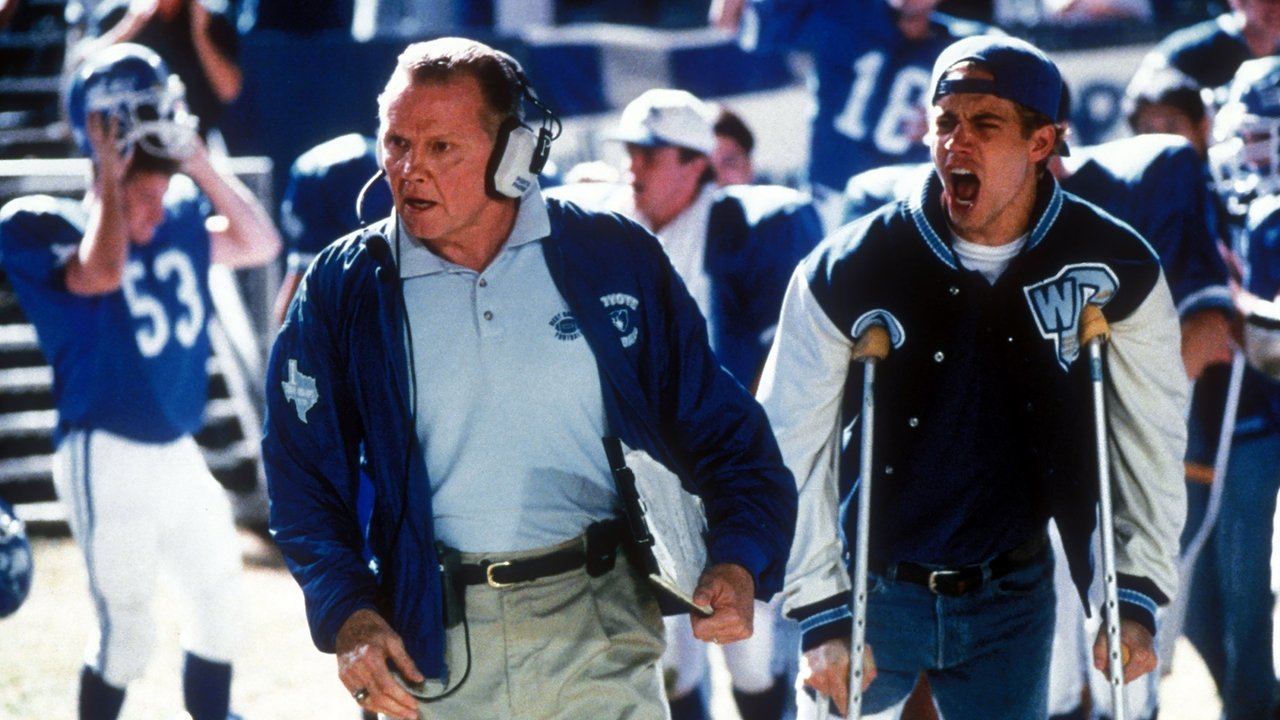
The setup is pure, concentrated drama: In small-town Texas, the West Canaan Coyotes are kings, and their coach, Bud Kilmer, is the uncompromising monarch. Played with thunderous, almost cartoonish villainy by the legendary Jon Voight, Kilmer is a win-at-all-costs tyrant, pushing his players past their physical and ethical limits. When star quarterback Lance Harbor (a fresh-faced, charismatic Paul Walker, already showing that easygoing screen presence) goes down with a potentially career-ending injury, the burden shifts to the backup, Jonathan "Mox" Moxon. Mox, portrayed by James Van Der Beek riding the peak of his Dawson's Creek fame, isn't the typical jock. He reads Vonnegut, dreams of escaping West Canaan for Brown University, and fundamentally questions the cult of football that grips his town. This central conflict – the thoughtful rebel versus the unyielding system – forms the spine of the narrative.
It's easy to dismiss Varsity Blues as just another sports movie, but screenwriter W. Peter Iliff (who also penned the adrenaline-soaked script for Point Break (1991)) injects enough nuance to elevate it. The film doesn't shy away from the dark side: the pressure leading to steroid use (albeit depicted somewhat simplistically), the coaches ignoring devastating injuries, the sense that these young men are disposable cogs in Kilmer's machine. It asks us to consider the real price of glory and blind obedience. What happens when the game becomes more important than the players?
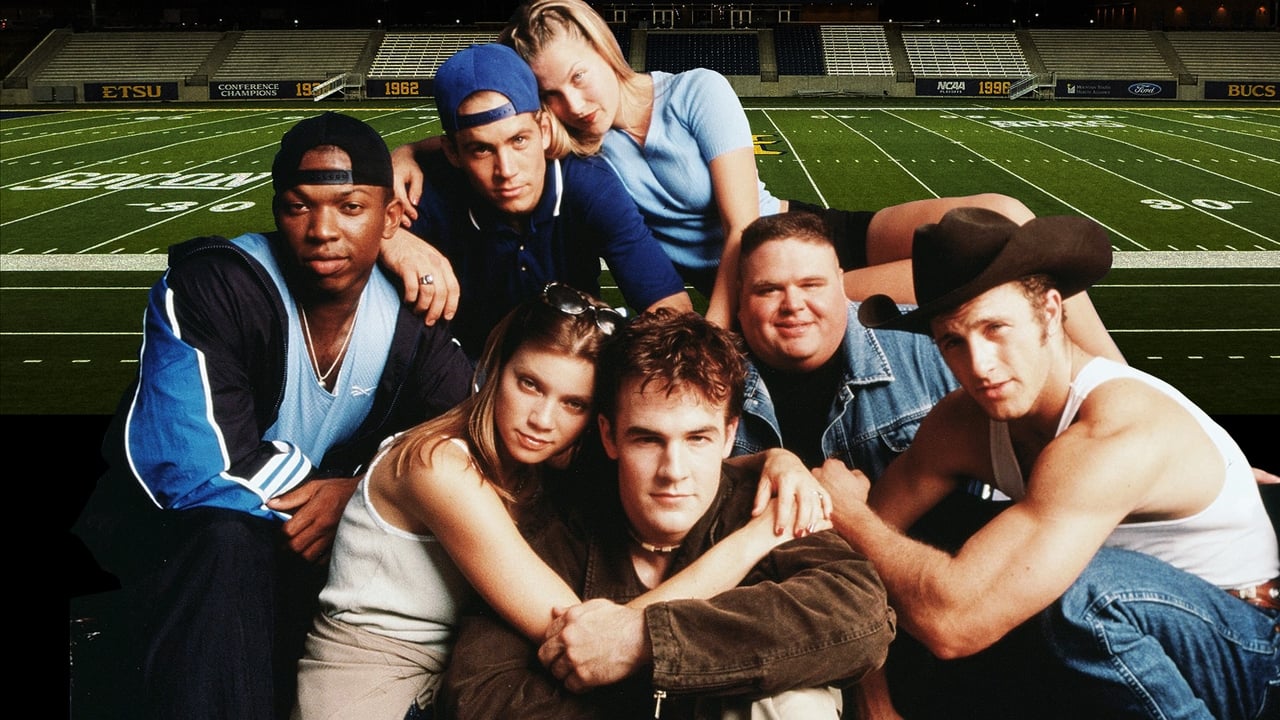
Mox, Kilmer, and the Boys
James Van Der Beek does a commendable job shedding his Dawson Leary persona to embody Mox's weariness and burgeoning defiance. He’s believable as the intelligent kid trapped in a jock's world, his internal struggle manifesting in subtle eye-rolls and quiet acts of rebellion before boiling over. But let's be honest, the film often belongs to Jon Voight. His Coach Kilmer is a force of nature, a walking embodiment of toxic masculinity and outdated tradition. Voight reportedly dove deep, studying legendary coaches, though his specific Texas accent drew some commentary even back then. It’s a performance teetering on the edge of caricature, yet utterly magnetic – you despise him, but you can't look away. His pronouncements ("I! DON'T! WANT! YOUR! LIFE!") became instantly quotable, echoing through school hallways long after the credits rolled.
The supporting cast adds texture. Paul Walker brings genuine pathos to Lance Harbor, the fallen golden boy facing a future he never planned. Ron Lester gives a memorable and often heartbreaking performance as the oversized lineman Billy Bob, desperate for acceptance. Scott Caan provides manic energy as the wild wide receiver Tweeder. Their camaraderie feels authentic, capturing that specific blend of bravado and vulnerability that defines teenage male friendships under pressure.
Behind the Playbook
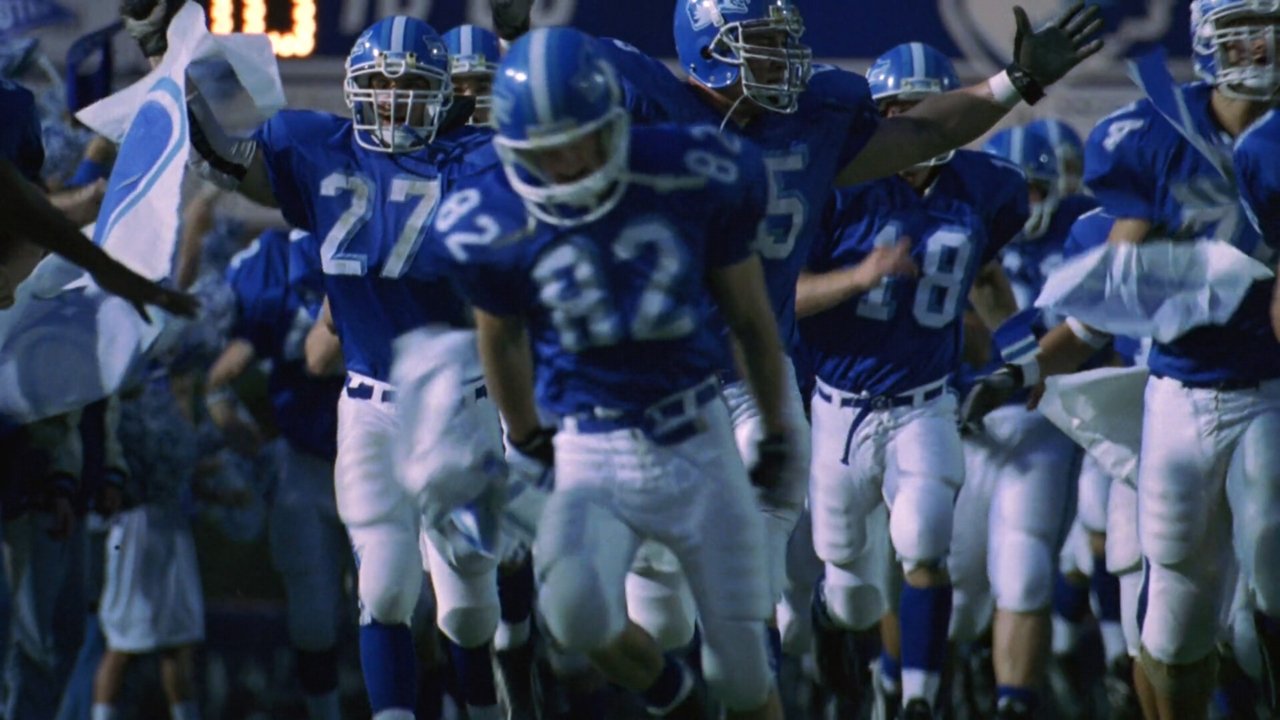
Directed by Brian Robbins, who would later helm other sports films like Hardball (2001), Varsity Blues captures the humid, intense atmosphere of Texas football effectively. Shot on location in towns like Georgetown and Elgin, Texas, the film feels grounded in its setting. Robbins manages the football sequences with energy, making them exciting even if you aren't a die-hard fan. Remember the hook-and-ladder play? Pure cinematic wish fulfillment.
Digging into the VHS archives reveals some fun facts. The film was made for a relatively modest $16 million but became a surprise hit, raking in over $54 million worldwide – proving there was a real appetite for this kind of story. Interestingly, Paramount initially planned a much larger promotional push for another film released around the same time, but the strong audience reaction to Varsity Blues test screenings shifted their focus. And who could forget the infamous whipped cream bikini scene with Ali Larter? Reportedly, the prop master experimented with various substances before landing on shaving cream for visual consistency under the hot lights, not actual whipped cream! While undeniably gratuitous and a product of its time, it became one of the film's most talked-about (and parodied) moments, likely contributing to its R-rating struggles with the MPAA over language and sexual content. The killer late-90s alternative rock soundtrack, featuring bands like Green Day and Foo Fighters, perfectly underscored the film's rebellious energy and undoubtedly helped move copies off video store shelves.
Legacy on the Line
Watching Varsity Blues today evokes a strong wave of late-90s nostalgia – the fashion, the music, the pre-social media anxieties. Yet, its core themes remain surprisingly relevant. The questions it raises about abusive coaching, the pressure on young athletes, and the conflict between personal integrity and societal expectation feel perhaps even more pertinent now. While later works like Friday Night Lights (both the 2004 film and the subsequent acclaimed TV series) would explore similar territory with more nuance and depth, Varsity Blues holds its own as a more straightforward, perhaps more cathartic, examination of the same pressures. It's less gritty realism, more fist-pumping teen rebellion fantasy, but an effective one nonetheless. There was even a short-lived attempt to adapt it into a TV series for CMT in 2016, showing its enduring cultural echo.
It has its flaws, certainly. Some characterizations lean towards stereotypes, and the plot occasionally veers into predictable territory. Kilmer, while iconic, is painted with incredibly broad strokes. Yet, the film possesses an undeniable energy and sincerity that overcomes many of its shortcomings. It tapped into a feeling many experienced – being young and wanting something different than what the world expects of you.
Rating: 7/10
Varsity Blues earns a solid 7. It’s not high art, but it’s damn effective entertainment with performances that stick with you (especially Voight's powerhouse turn) and themes that resonate beyond the football field. It perfectly captured a moment in late-90s teen cinema, delivering iconic scenes, memorable lines, and a satisfying (if slightly Hollywoodized) story of rebellion. It might feel dated in spots, particularly its casual depiction of certain behaviors, but its central conflict and emotional core remain surprisingly strong. For anyone who remembers renting this tape, feeling Mox's frustration or Kilmer's wrath, it remains a potent dose of gridiron nostalgia.
What lingers most isn't just the football or the whipped cream, but that potent feeling of standing at a crossroads, questioning the path laid out for you, and wondering if you have the courage to choose your own way. Doesn't that feeling, in some form, stay with us long after high school?