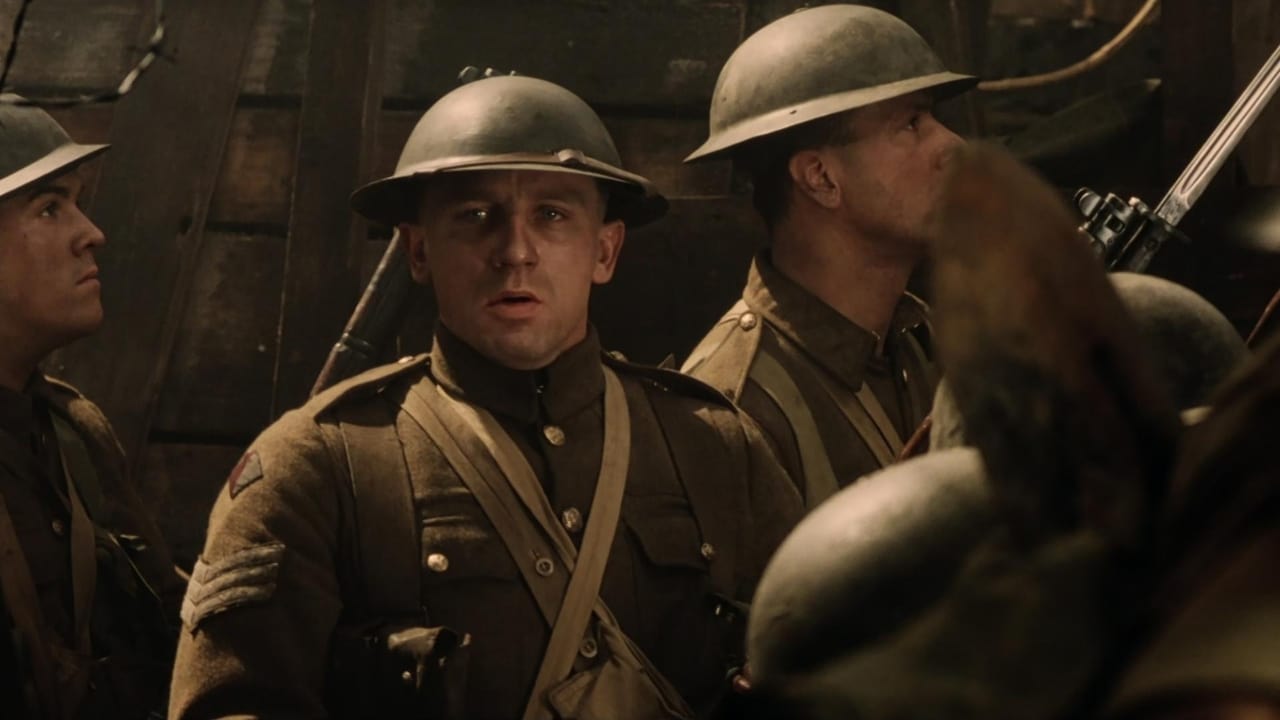
There’s a particular kind of dread that settles in the quiet before the storm. It’s a silence thick with unspoken fears, a waiting that gnaws deeper than any immediate chaos. William Boyd's 1999 film, The Trench, immerses us utterly in that suffocating stillness, capturing the final 48 hours of a British infantry platoon poised perilously on the brink of the Battle of the Somme. This isn't a film of grand charges or explosive spectacle; instead, it’s a meticulous, almost claustrophobic study of young men trapped in mud and apprehension, a world away from the jingoistic posters that likely lured them there. Finding this tape on the rental shelf back in the day, nestled perhaps between more bombastic fare, felt like unearthing something starkly different, something demanding a more somber kind of attention.
The Weight of Waiting
Boyd, adapting his own 1998 novel, crafts an experience less about the external horrors of World War I and more about the internal erosion it inflicted. The setting itself becomes a character: a labyrinth of damp earth, splintered wood, and perpetual gloom. You can almost smell the mud, feel the chill seep into your bones through the screen. The camera rarely leaves the confines of the trench, fostering an intense sense of entrapment. We are down there with these soldiers, sharing their cramped existence, their whispered anxieties, their attempts at gallows humour that barely mask the terror underneath. This deliberate focus, born perhaps partly from the constraints of its modest budget (reportedly around £3-4 million), becomes the film's greatest strength, forcing an intimacy with the characters and their plight that a wider scope might have diluted. Filming took place not on some sanitized studio backlot, but utilizing grimly atmospheric locations like deserted RAF bases in Norfolk, with painstakingly constructed trenches adding to the oppressive realism.
Faces in the Mud
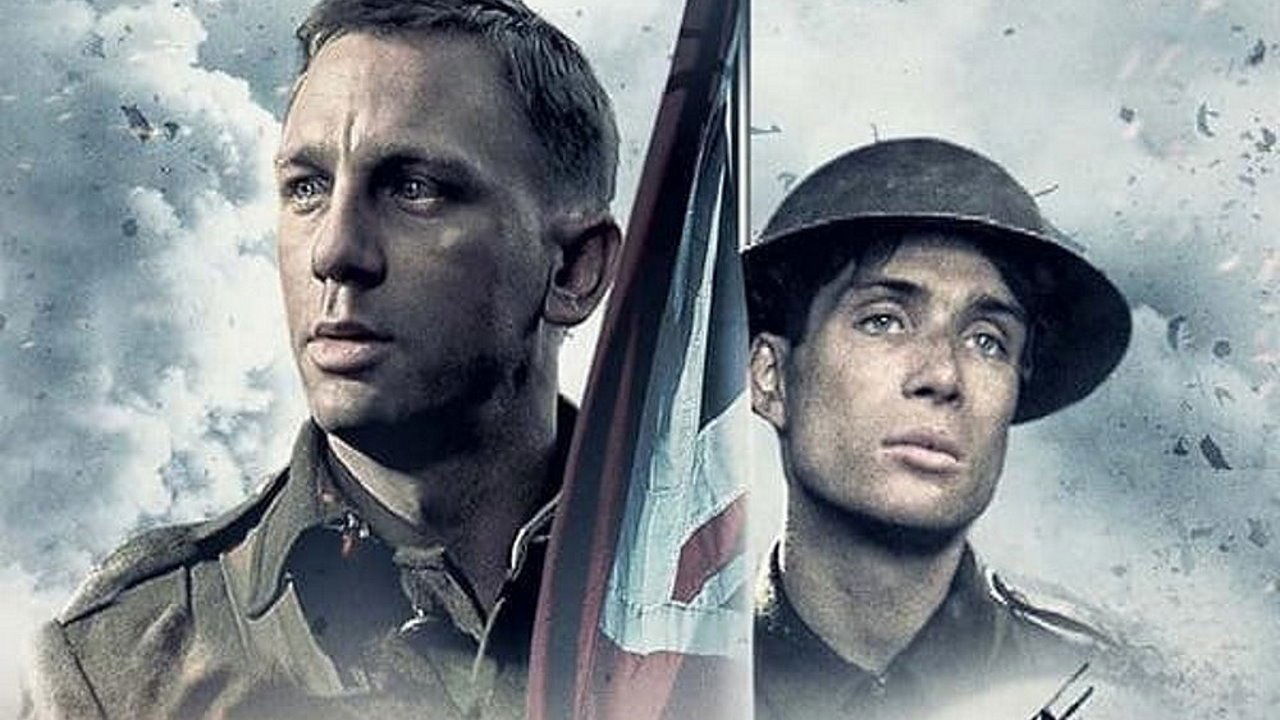
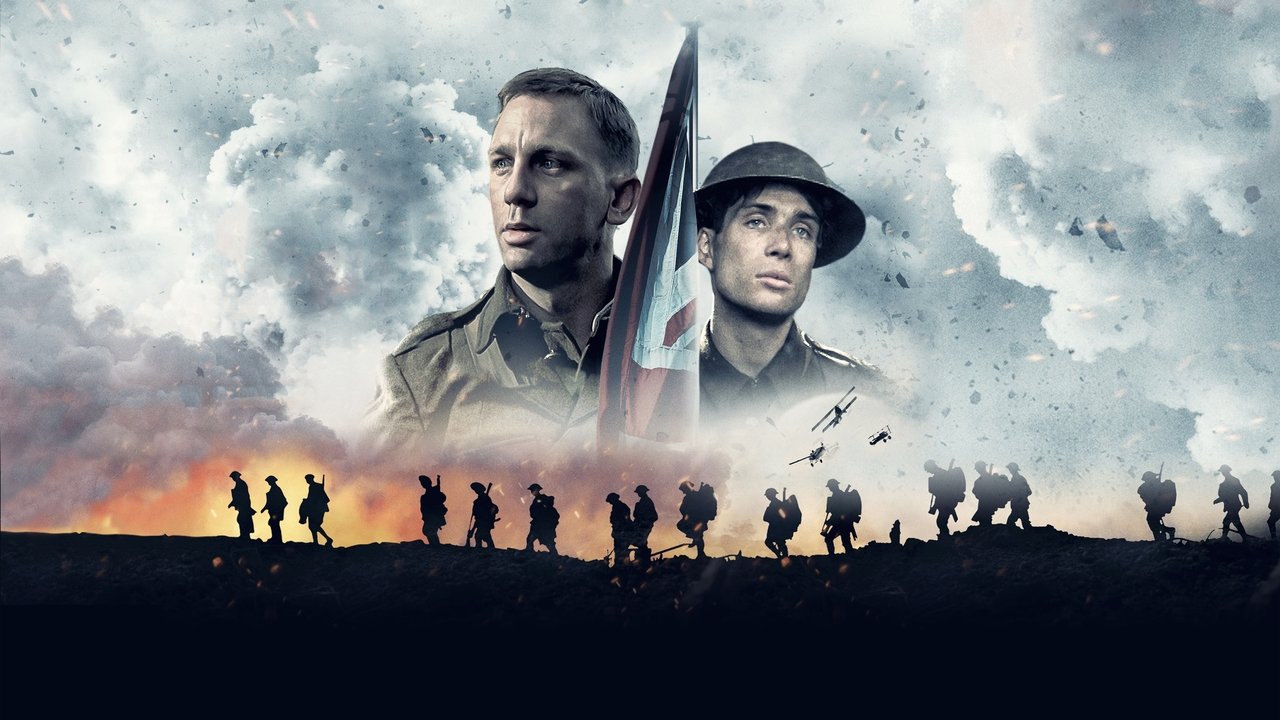
At the heart of the platoon is 17-year-old Billy Macfarlane, portrayed with affecting vulnerability by Paul Nicholls, then widely known from British television. Macfarlane is the audience’s surrogate – wide-eyed, terrified, clinging to vestiges of home and innocence that the trench seems determined to strip away. His journey, compressed into these two agonizing days, is a microcosm of a generation’s stolen youth. Counterpointing Nicholls' raw sensitivity is a ferociously contained performance from a pre-Bond Daniel Craig as Sergeant Telford Winter. Craig embodies the hardened NCO, tasked with maintaining discipline and morale while wrestling his own demons. Even then, you could see that magnetic intensity, that coiled power beneath a weary, watchful exterior. It's a standout turn, hinting at the screen presence that would later define his career. The ensemble cast, including familiar faces like Julian Rhind-Tutt and Cillian Murphy in an early role, fleshes out the platoon with authenticity, each actor contributing to the tapestry of fear, boredom, and fragile camaraderie. There are no uncomplicated heroes here, just ordinary men confronting an extraordinary, unimaginable horror.
An Anti-Epic Approach
What makes The Trench resonate, particularly when viewed decades later, is its stark refusal to glorify or even dramatize war in the conventional sense. Boyd, both as writer and director, made a conscious choice to create what he termed an "anti-epic." The enemy remains largely unseen, an abstract threat across No Man's Land. The tension builds not through action sequences, but through the agonizing minutiae of waiting: the distribution of rum, the nervous chatter, the stomach-churning anticipation of the whistle that will signal the advance. The film meticulously recreates the details of trench life – the equipment, the slang, the sheer grinding monotony punctuated by moments of sudden, arbitrary violence. It dares to suggest that this psychological attrition, this slow hollowing out of the human spirit, is as profound a casualty of war as any bullet wound. Some critics at the time found the film static or overly grim, perhaps missing the point that the very stasis is the horror. It’s a film that demands patience, asking us to sit with the characters in their dreadful limbo.
Lingering Echoes
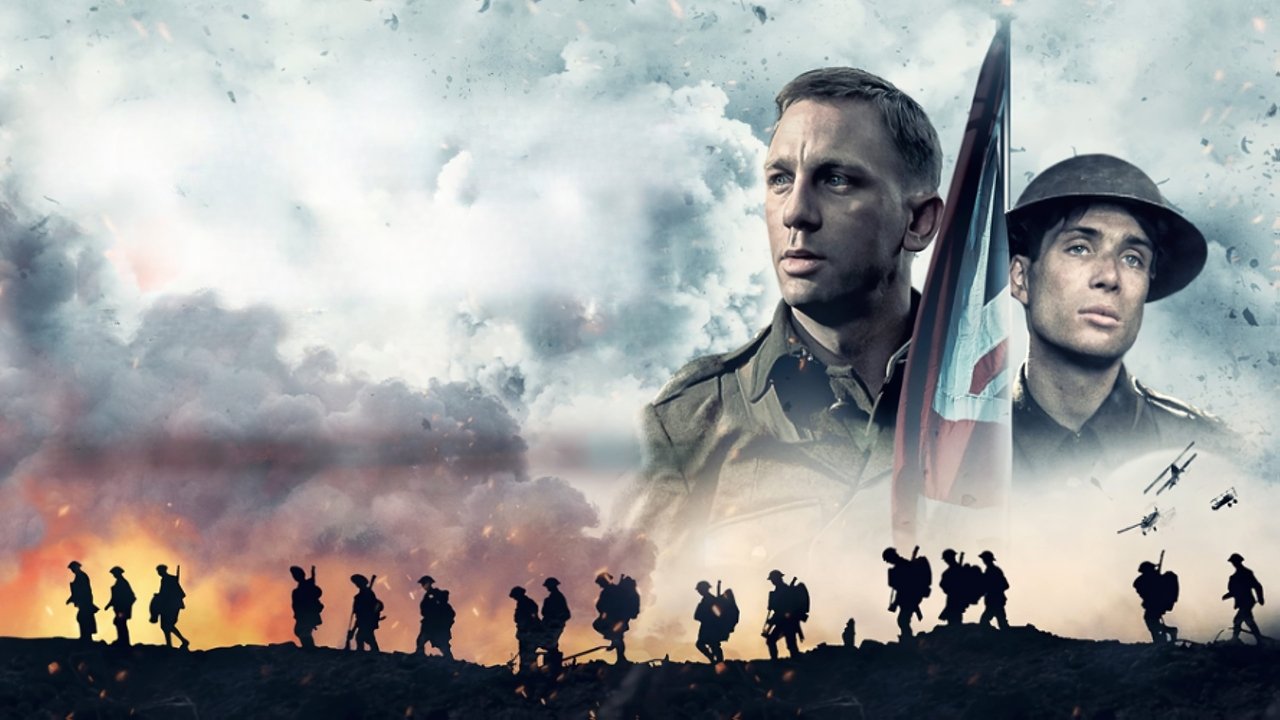
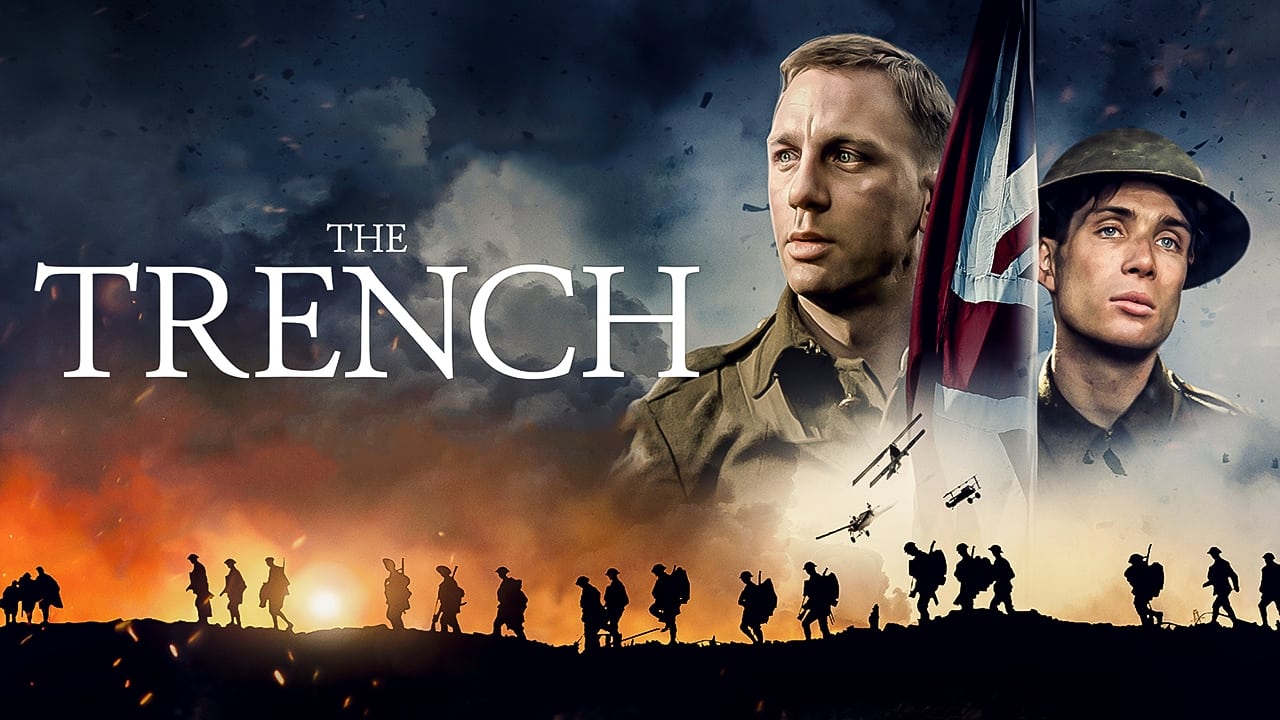
Does The Trench feel dated now? Perhaps in its specific late-90s independent film aesthetic, but its themes are tragically timeless. It avoids the digital sheen and scale of later war films, retaining a gritty, tactile quality reminiscent of the VHS era itself – a physical artifact capturing a specific, somber story. It doesn't offer easy answers or cathartic release. Instead, it leaves you with indelible images: the rain slicking the mud, the pale, anxious faces lit by flickering candlelight, the crushing weight of knowing what history tells us awaits these men just beyond the frame. It’s a quiet film, but its silence screams volumes about the human cost of conflict.
---
Rating: 8/10
Justification: The Trench earns its score through its unwavering commitment to realism, its claustrophobic atmosphere that effectively conveys the psychological burden of trench warfare, and its powerful ensemble performances, particularly from Nicholls and a pre-superstardom Craig. While its deliberate pacing and unremitting grimness might not appeal to all, it's a masterfully crafted and deeply affecting piece of filmmaking that achieves precisely what it sets out to do: portraying the intimate, human horror of waiting for the inevitable. It’s a potent reminder, delivered without fanfare but with chilling impact.
Final Thought: Long after the tape rewinds, it's the faces you remember – young men suspended between life and looming oblivion, their quiet endurance a haunting testament to the profound tragedy of the Great War.