Okay, fellow tapeheads, let's rewind just a touch past our usual hunting grounds. While Roland Emmerich's The Patriot hit screens in 2000, right on the cusp of the DVD revolution taking hold, it carries the weight and feel of the grand, star-driven historical epics that were often staples on video store shelves throughout the 80s and 90s. It arrived perhaps as one of the last major examples of its kind before digital spectacle shifted the landscape. And watching it again now, it feels like a film grappling with big themes – duty, family, vengeance – in a way that resonates with the often earnest storytelling of the preceding decades, even if it technically missed the VHS glory years by a hair.
### The Reluctant Warrior's Return
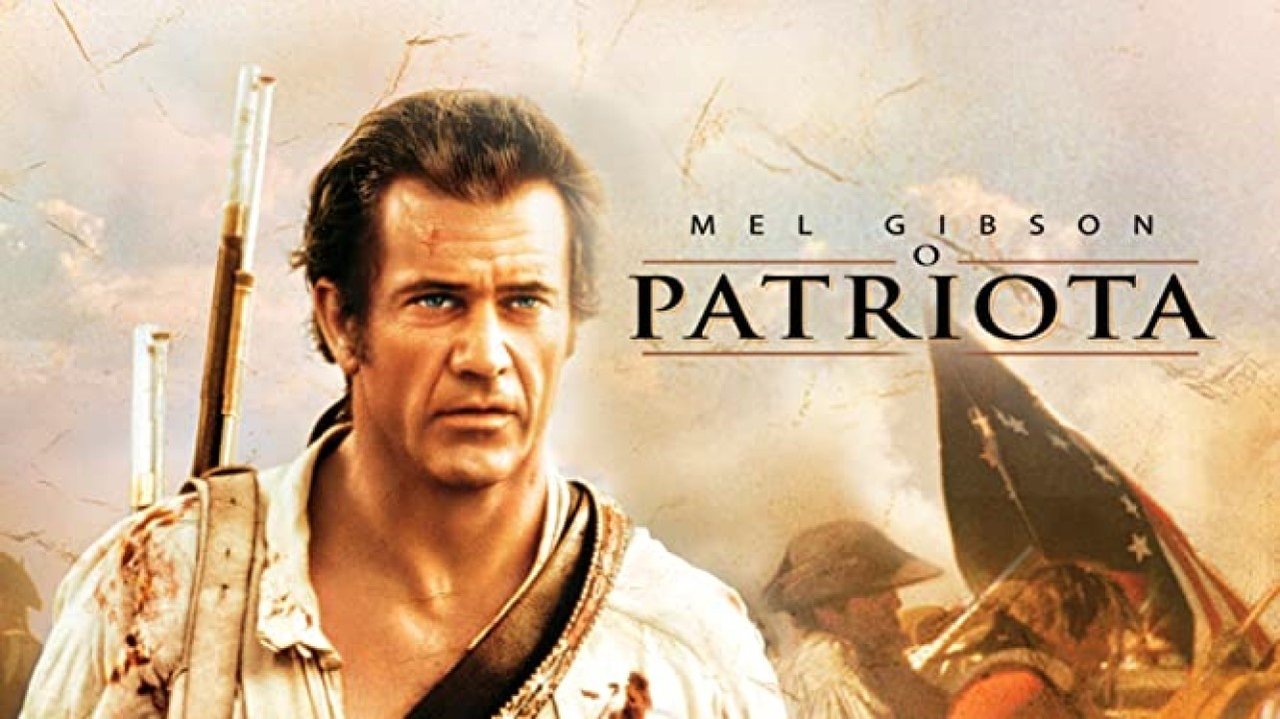
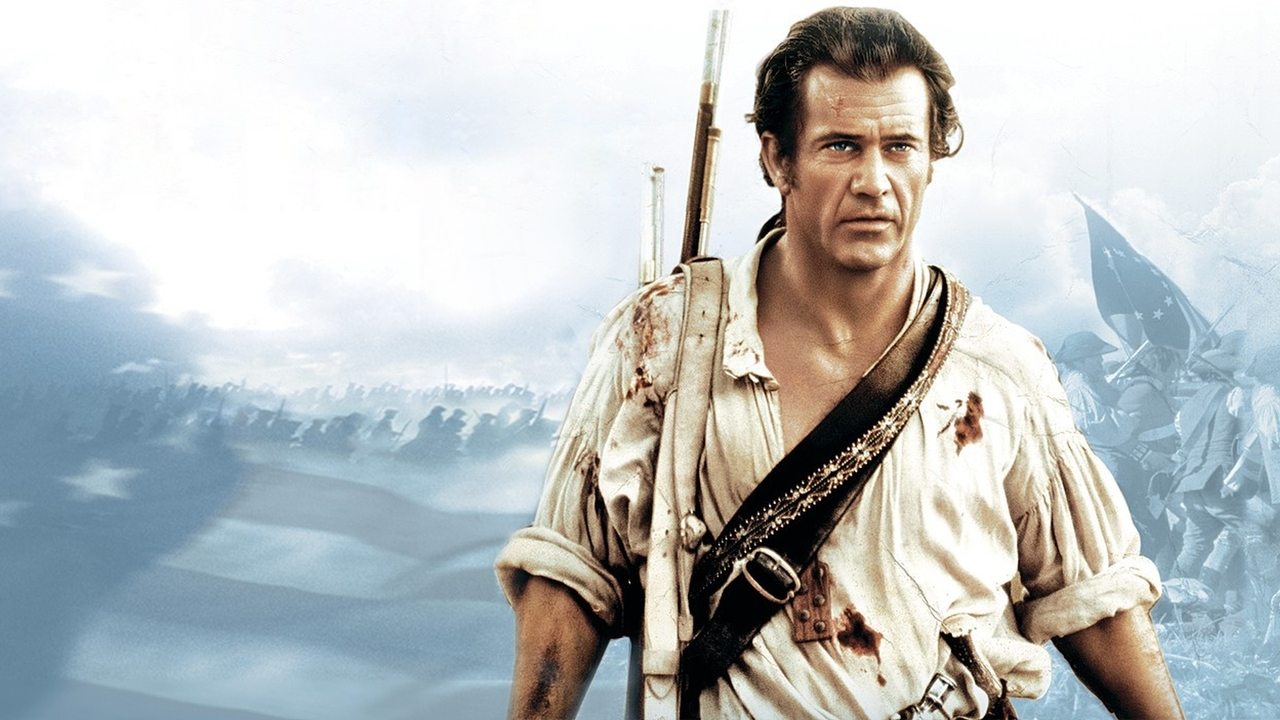
At its heart, The Patriot hinges entirely on Mel Gibson's portrayal of Benjamin Martin. Gibson, already cemented as an action and drama heavyweight from films like Lethal Weapon (1987) and Braveheart (1995), brings a familiar, potent blend of world-weariness and simmering fury to the role. Martin isn't presented as a flag-waving ideologue initially; he's a widower haunted by his brutal past in the French and Indian War, desperate only to protect his seven children on their South Carolina plantation. There’s a gravity to his initial refusal to join the Continental Army, a palpable fear born not of cowardice, but of knowing war's true cost. It’s this internal conflict that makes his eventual, savage transformation back into a warrior so compelling, even if the trigger – a horrific personal tragedy – feels almost cynically engineered for maximum emotional impact. Does the film sometimes lean too heavily on manipulating our outrage? Perhaps. But Gibson sells Martin's pain and resolve with a conviction that anchors the sprawling narrative.
### Sparks of Rebellion and Seeds of Stardom

Surrounding Gibson is a cast that largely rises to the occasion. This was a significant early role for Heath Ledger as Gabriel, Martin's eldest son, whose youthful idealism clashes with his father's caution. You can see the raw talent and screen presence that would soon make Ledger a household name. He embodies the patriotic fervor that Martin initially resists, providing a crucial counterpoint and catalyst. Their father-son dynamic, fraught with unspoken history and differing views on the conflict, forms the emotional core of the film. On the opposing side, Jason Isaacs delivers a truly chilling performance as Colonel William Tavington. Dripping with aristocratic disdain and casual cruelty, Tavington is less a nuanced character and more a personification of wartime atrocity. Isaacs leans into the villainy, creating a figure you genuinely despise. It's worth noting that the character, loosely based on the British officer Banastre Tarleton, drew considerable criticism for historical inaccuracies, particularly regarding specific depicted cruelties like the infamous church burning scene – a stark reminder that the film, penned by Robert Rodat (who also wrote Saving Private Ryan (1998)), prioritizes dramatic effect over strict historical adherence.
### Emmerich's Epic Scope, Grounded Grit
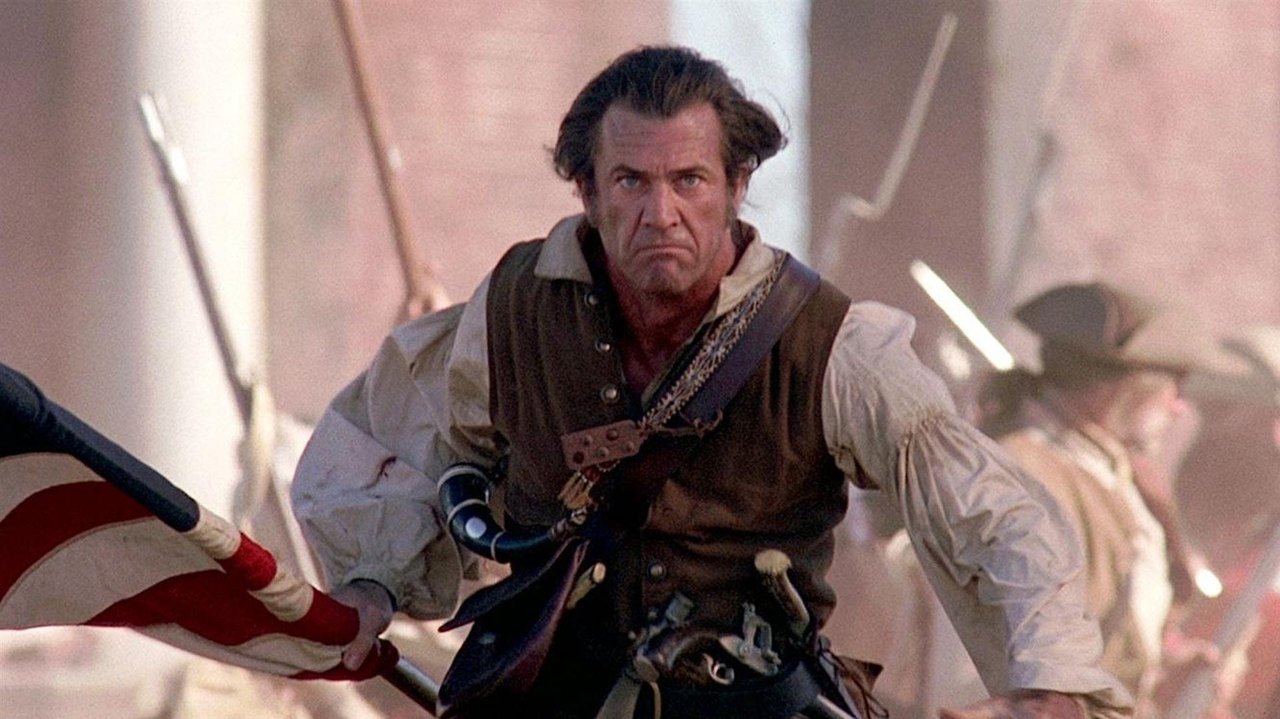
It's fascinating to see Roland Emmerich, a director synonymous with large-scale disaster epics like Independence Day (1996), tackle a historical drama. He brings his signature eye for spectacle to the battle sequences, which are undeniably impressive in their scope and choreography. The chaos, the smoke, the roar of cannons – it’s visceral and often brutal, earning its R rating. Yet, there's also an attempt at capturing the grim realities of 18th-century warfare: the formations, the brutal close-quarters combat with bayonets and tomahawks, the sheer muddiness and exhaustion. The production design feels authentic, immersing us in the period, from the plantation houses to the battlefield encampments. While Emmerich's touch can sometimes feel broad, favoring sweeping moments over subtle character beats, the sheer scale of the production ($110 million budget, resulting in a respectable $215 million worldwide gross) is palpable on screen. And let's not forget the stirring, often poignant score by the legendary John Williams, adding another layer of classic Hollywood grandeur.
### History Through a Hollywood Lens
So, what lingers after the credits roll on The Patriot? It's undeniably a powerful piece of storytelling, capable of stirring emotions and delivering thrilling action. Gibson is commanding, Ledger shows his burgeoning promise, and Isaacs is unforgettable as the villain. The film succeeds as a sweeping, often moving epic about the human cost of war and the fierce love of family. However, it's impossible to ignore the liberties taken with historical fact. Is it fair to judge a piece of historical fiction by the standards of a documentary? That's a perennial debate. The Patriot clearly aims to evoke the spirit and sacrifice of the American Revolution, crafting a narrative that resonates with themes of freedom and resilience, even if it means simplifying complexities and amplifying villainy. It uses history as a backdrop for a deeply personal story of revenge and redemption.
I remember renting this one shortly after its release, probably on DVD by then, but it had that big, slightly old-fashioned feel that sat comfortably alongside the tapes still dominating my shelves. It felt like a throwback even then, a type of film Hollywood seemed to be making less of.
Rating: 7/10
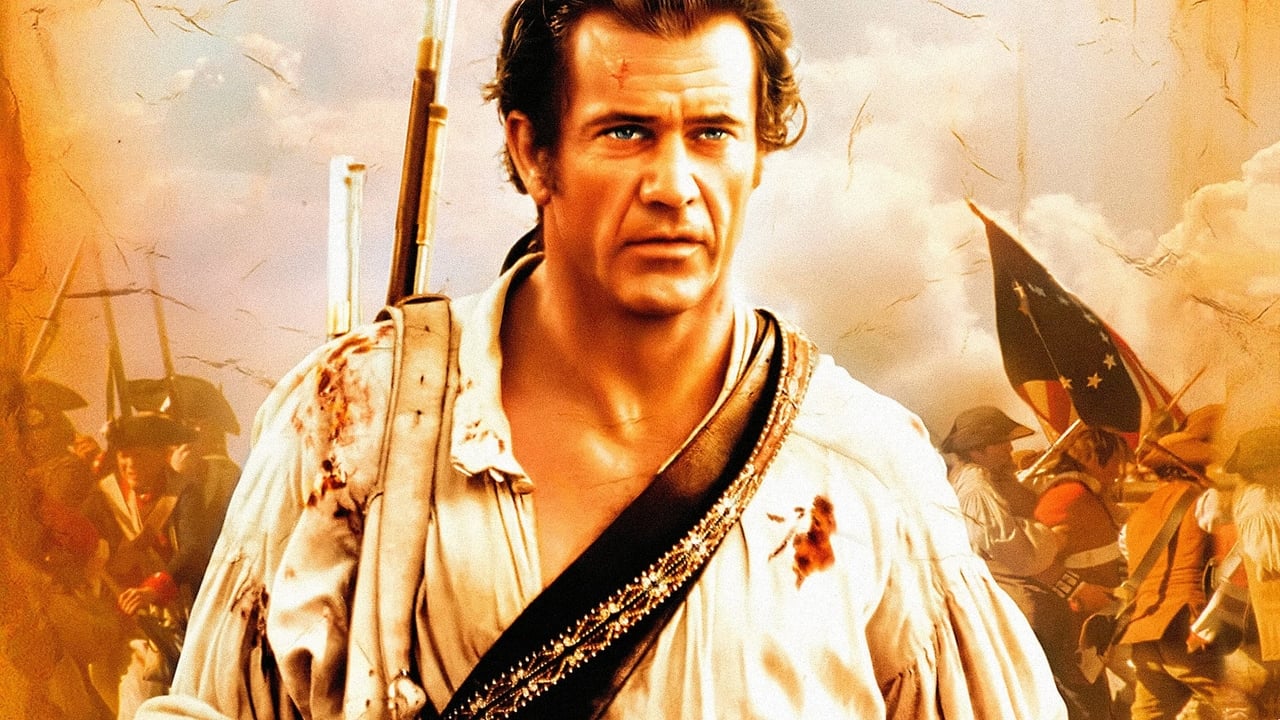
Justification: The Patriot earns a solid 7 for its powerful lead performance from Gibson, the breakout energy of Ledger, Isaacs's memorable villainy, and Emmerich's competent handling of epic scale and brutal action. John Williams' score elevates the material significantly. However, it loses points for its significant historical inaccuracies and its sometimes heavy-handed emotional manipulation, which occasionally sacrifices nuance for impact.
Final Thought: It’s a film that wears its heart, and its historical embellishments, proudly on its sleeve – a rousing, if romanticized, slice of Hollywood history that still packs an emotional punch, reminding us of the power of a well-told story, even one loosely tethered to the past.