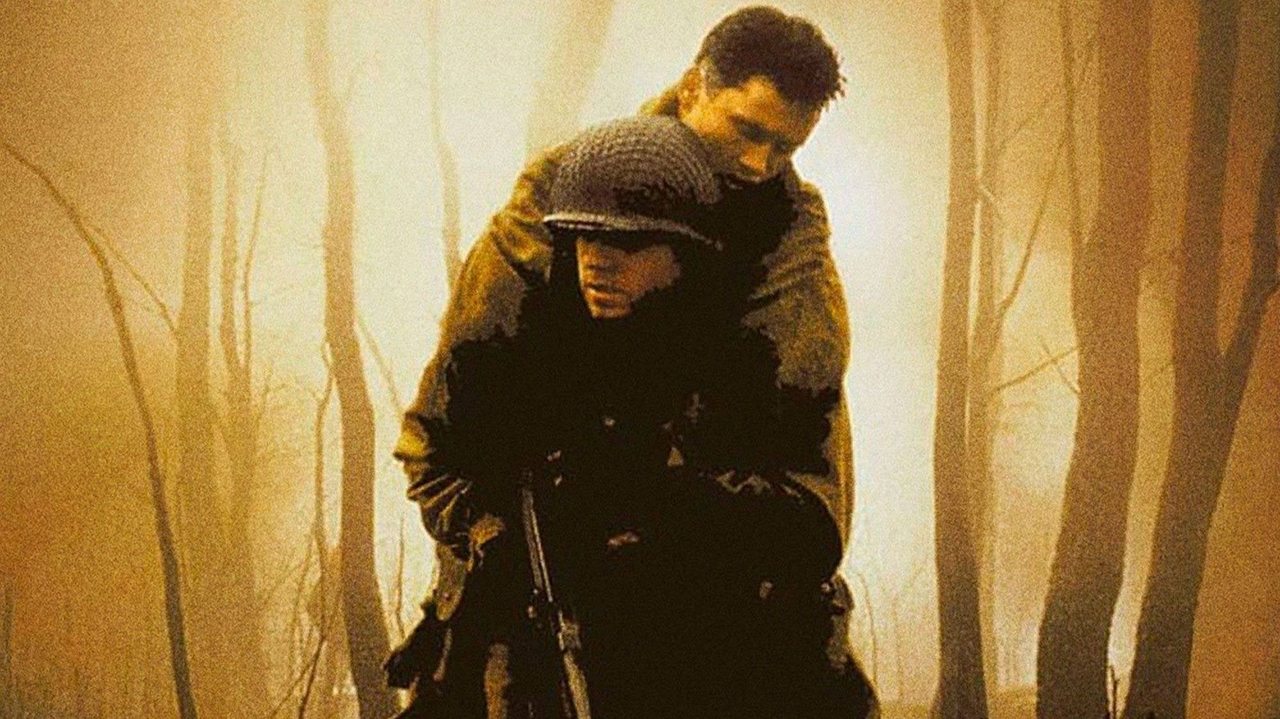
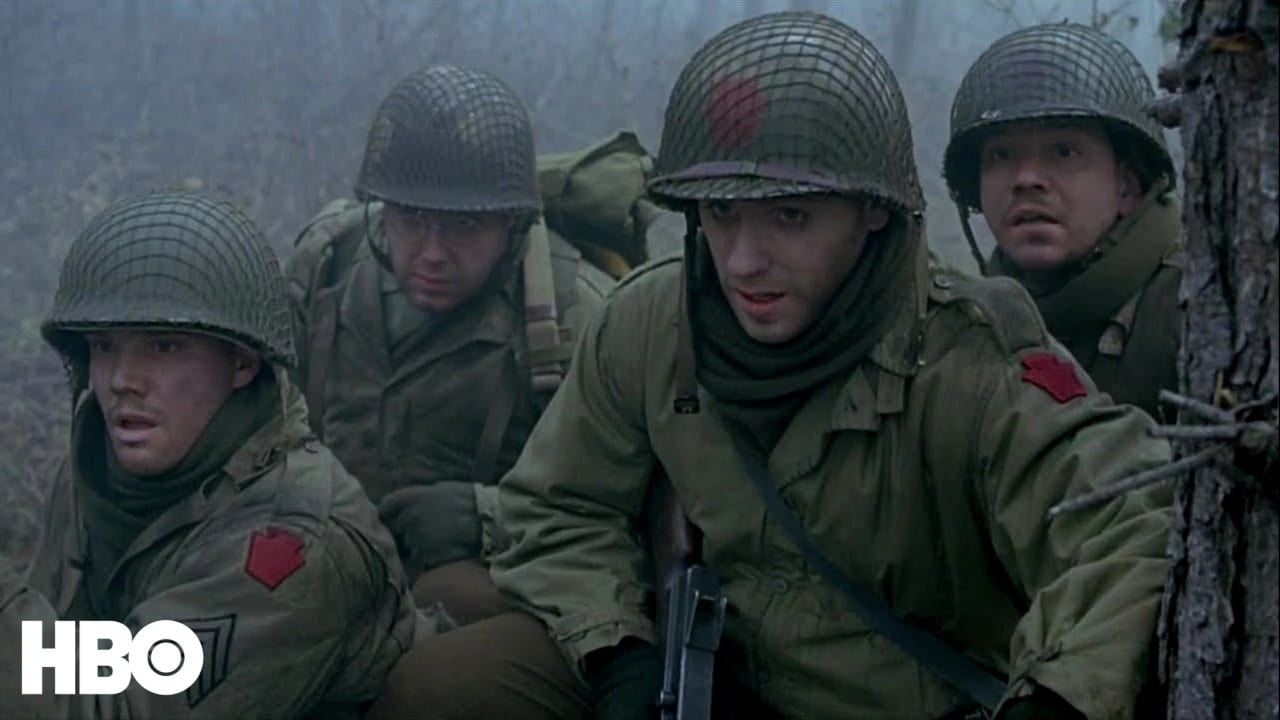
It starts with the mud. Thick, clinging, everywhere. Before you even fully grasp the characters or the specific objective, you feel the miserable weight of the Hürtgen Forest in late 1944. When Trumpets Fade, the 1998 HBO film directed by John Irvin, doesn't ease you into the Second World War; it drops you headfirst into one of its most brutal and strategically questionable campaigns, a place where survival often feels like the only victory possible. It’s a feeling that lingers long after the credits roll, a stark reminder of the human cost buried beneath grand historical narratives. I remember encountering this one on cable, perhaps channel surfing past the usual fare, and being immediately arrested by its raw, unvarnished portrayal – so different from the more polished war epics dominating the big screen that same year.
Into the Meat Grinder
The premise is deceptively simple, yet fraught with psychological tension. Private David Manning (Ron Eldard) wants only one thing: out. After somehow surviving an assault that wiped out his entire platoon, he attempts to secure a Section 8 discharge for psychological unfitnes. Instead, his survival earns him a promotion to Sergeant and command of a green squad of replacements. Manning, cynical and terrified, is forced back into the very meat grinder he just escaped, burdened with leadership he never sought and responsibility for lives he believes are likely forfeit. The setting, the dense and unforgiving Hürtgen Forest near the German border, becomes a character itself – a disorienting labyrinth where enemy contact is sudden, brutal, and often fatal. The film masterfully conveys the claustrophobia and confusion of this particular battle, a conflict often overshadowed by the subsequent Battle of the Bulge but no less horrific for those who endured it.
No Heroes, Just Survivors
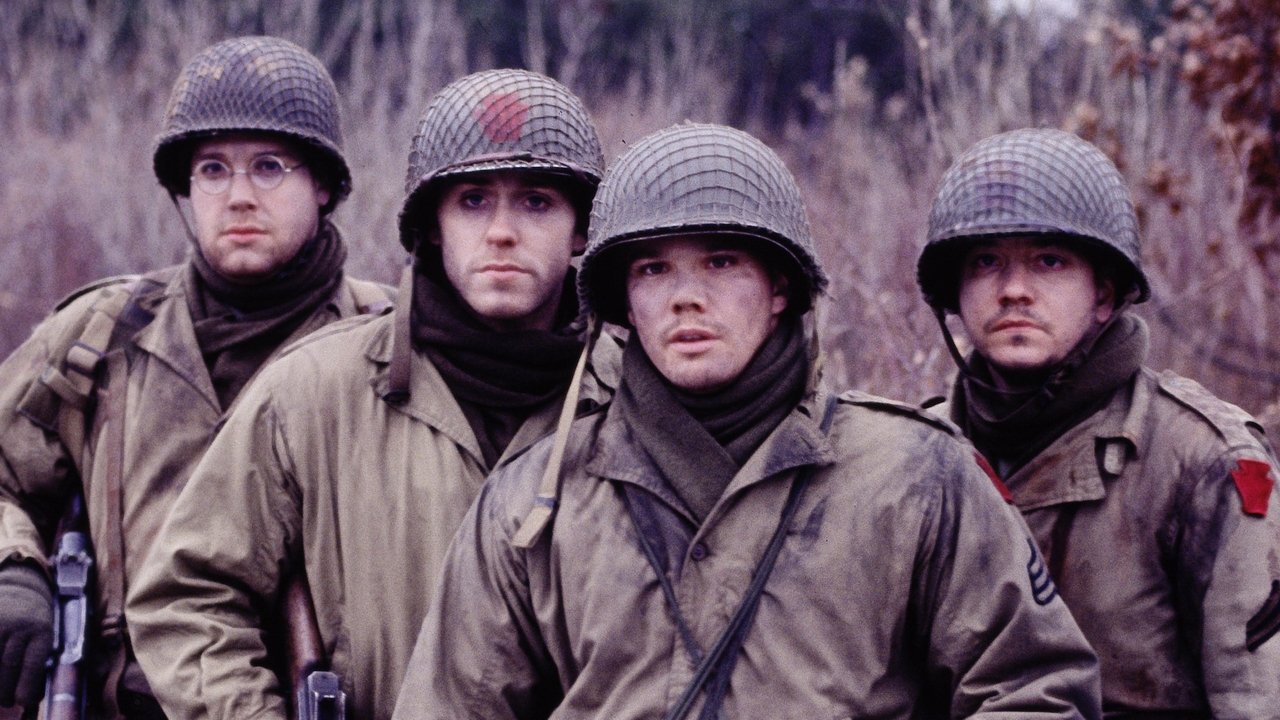
Released the same year as Spielberg's monumental Saving Private Ryan, When Trumpets Fade offers a fascinating, almost abrasive counterpoint. Where Ryan found moments of heroism and camaraderie amidst the horror, Trumpets leans into the futility, the fear, and the moral ambiguity of command under extreme duress. There are no rousing speeches here, no clear-cut objectives that feel worth the staggering cost. Director John Irvin, who had already proven his ability to depict the harsh realities of infantry combat with the visceral Hamburger Hill (1987), brings a similar grounded, deglamorized approach. He forces us to confront the idea that sometimes, in the thick of it, the lines between cowardice and self-preservation blur completely. This 90s war film felt like a deliberate stripping away of comforting illusions, presenting war not as a crucible for heroes, but as an engine of trauma. It’s a perspective that felt bracingly honest back then, and perhaps even more relevant now.
Eldard's Reluctant Burden
The film rests heavily on the shoulders of Ron Eldard, and he delivers a performance of raw, coiled intensity. His Manning isn't likable in the traditional sense; he's abrasive, openly cynical, and motivated primarily by fear. Yet, Eldard makes his internal struggle utterly compelling. You see the terror behind his eyes, the flicker of humanity he tries to suppress, and the crushing weight of the unwanted promotion. It’s a complex portrayal of a man pushed beyond his limits, forced to make impossible choices. The supporting cast is equally strong, featuring Zak Orth as a soldier grappling with his own conscience, Frank Whaley as the weary, detached company medic, and even an early-career Timothy Olyphant bringing a memorable intensity to his role as a more gung-ho Lieutenant. Their interactions feel authentic, capturing the frayed nerves and bleak camaraderie of men trapped in hell.
Mud, Blood, and HBO Budgets
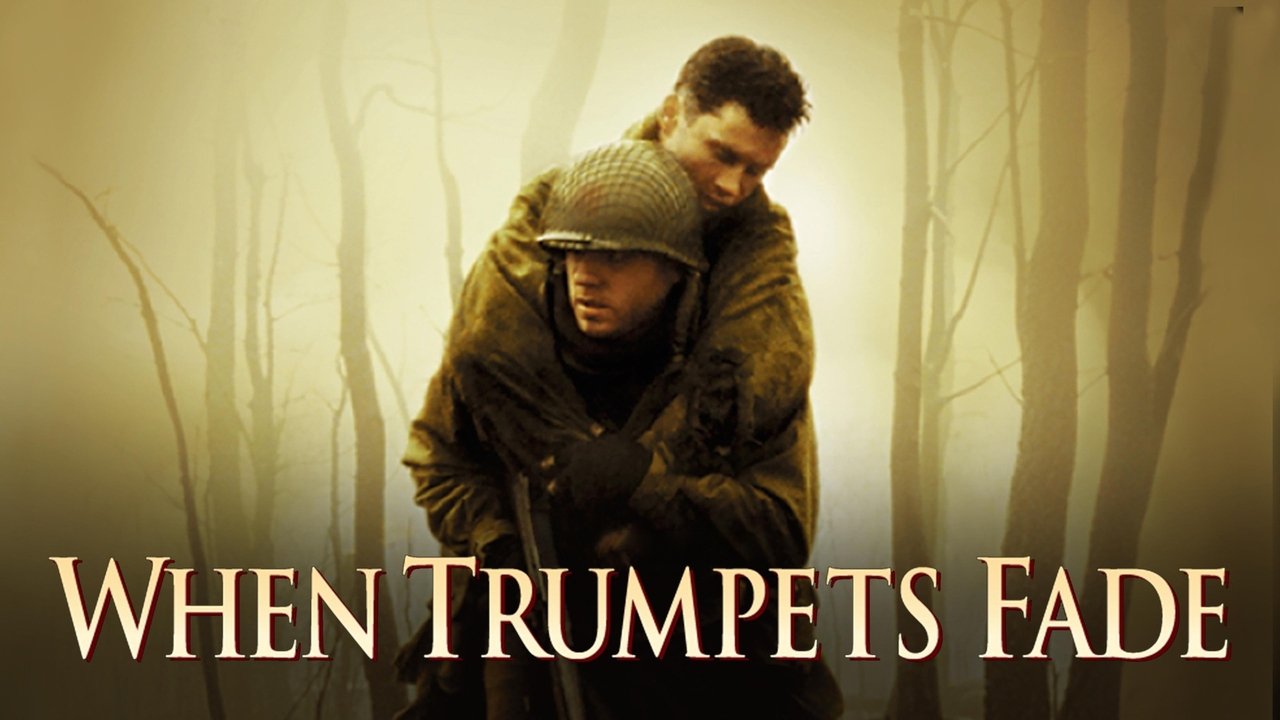
Made for HBO, When Trumpets Fade benefits from the creative freedom cable television allowed in the 90s. While lacking the budget of a major theatrical release (reportedly around $8.5 million), Irvin uses his resources effectively to create a palpable sense of place and danger. Filmed on location in Hungary and Slovakia, the production convincingly recreates the cold, wet, muddy conditions of the Hürtgen campaign. There's a tactile quality to the filmmaking – you can almost feel the chill, smell the damp earth and cordite. The practical effects depicting injuries are grimly realistic, adding to the film's unflinching tone. This wasn't a blockbuster aiming for spectacle; it was a character-driven piece aiming for gut-level truth, something HBO Originals often excelled at during this era, delivering experiences that mainstream studios might have shied away from. Knowing Irvin's background with Hamburger Hill, it feels like he doubled down on depicting the soldier's ground-level experience, stripping away any potential for romanticism.
What Survives When the Trumpets Fade?
Ultimately, the film asks profound questions about the nature of courage, leadership, and survival. What does it mean to lead when you fundamentally believe the cause is hopeless? Can a man consumed by fear find a way to act responsibly, even morally? Manning’s journey isn’t one of heroic transformation, but of grim adaptation. He learns to navigate the brutal calculus of command in a situation where "success" is measured in inches gained and lives lost. Does his eventual competence make him a hero, or simply a more effective cog in the machine? The film leaves these questions hanging, refusing easy answers, which is perhaps its greatest strength. It forces a reflection on the psychological toll that persists long after the fighting stops, the echoes that remain when the trumpets of war finally fade.
---
Rating: 8.5/10
This score reflects the film's powerful, unflinching portrayal of a lesser-known WWII battle, anchored by a phenomenal central performance from Ron Eldard. Its grim realism, tight direction by John Irvin, and thoughtful exploration of fear and reluctant leadership make it a standout, underrated 90s war film. While its bleakness might not be for everyone, and its HBO origins perhaps limited its initial reach compared to theatrical epics, its quality and impact are undeniable. It earns its place as a vital piece of gritty, character-focused war cinema.
When Trumpets Fade remains a hauntingly effective film, a potent antidote to sanitized depictions of war, and a reminder that sometimes the most compelling stories are found not in triumphant charges, but in the desperate struggle to simply endure.