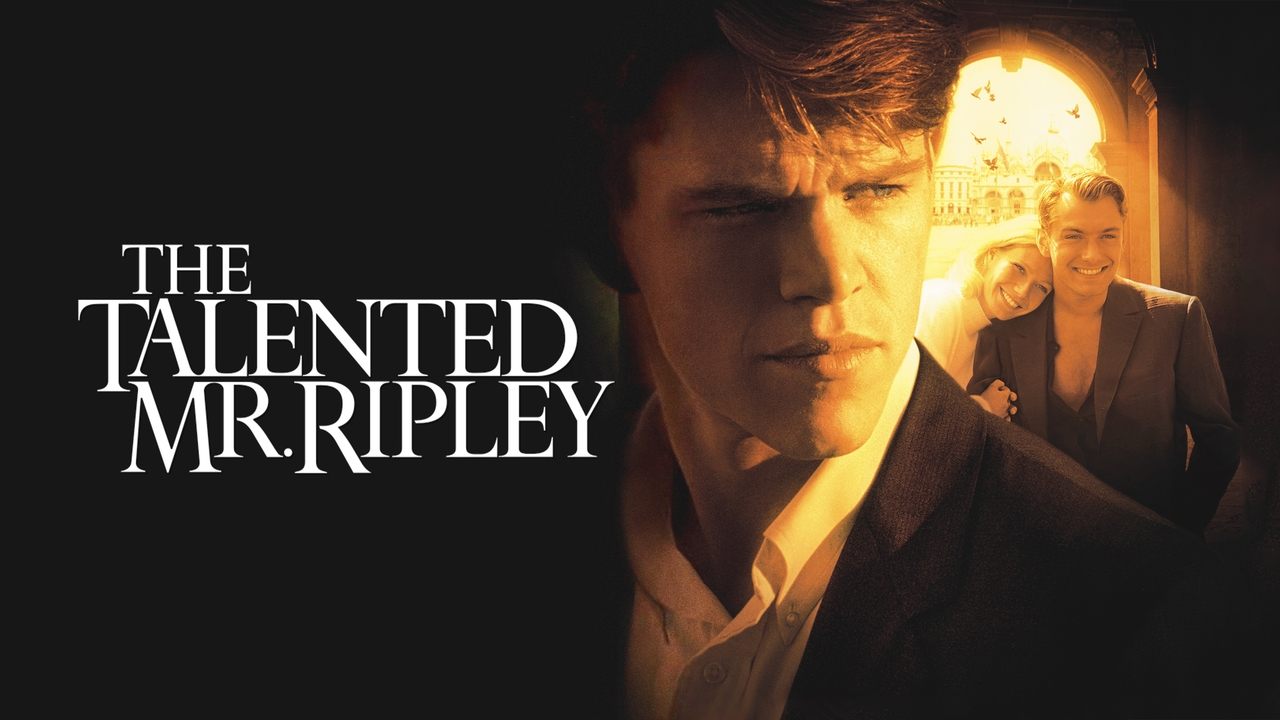
It’s a strange thing, looking back at Matt Damon in 1999. Fresh off the meteoric success of Good Will Hunting (1997) and the rugged heroism of Saving Private Ryan (1998), he embodied a certain kind of earnest, all-American likability. Which makes his transformation into Tom Ripley, the unsettling center of Anthony Minghella's The Talented Mr. Ripley, all the more remarkable – and chilling. It’s a casting choice that reportedly required Minghella (who had recently triumphed with The English Patient in 1996) to champion Damon against initial studio reservations, a decision that feels utterly vindicated by the film's queasy power. This isn't just a story about wanting what someone else has; it's a descent into the terrifying ease with which identity can be shed, stolen, and ultimately corrupted.
Beneath the Italian Sun
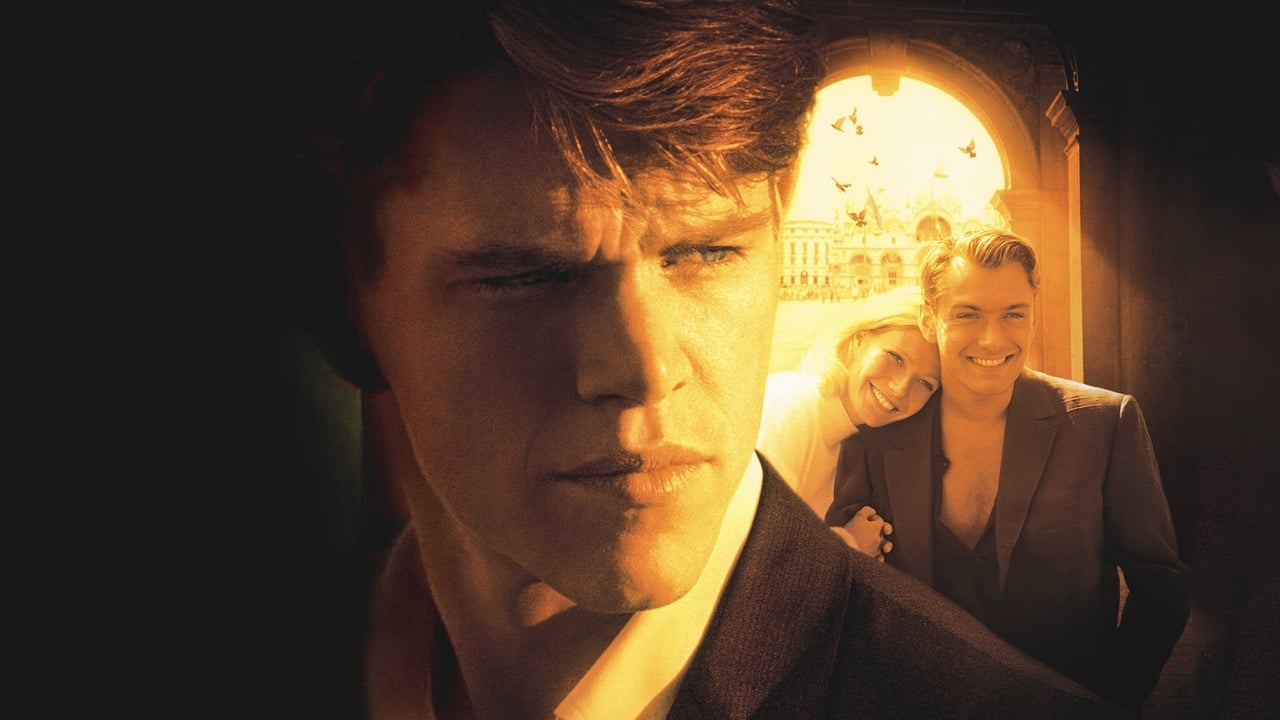
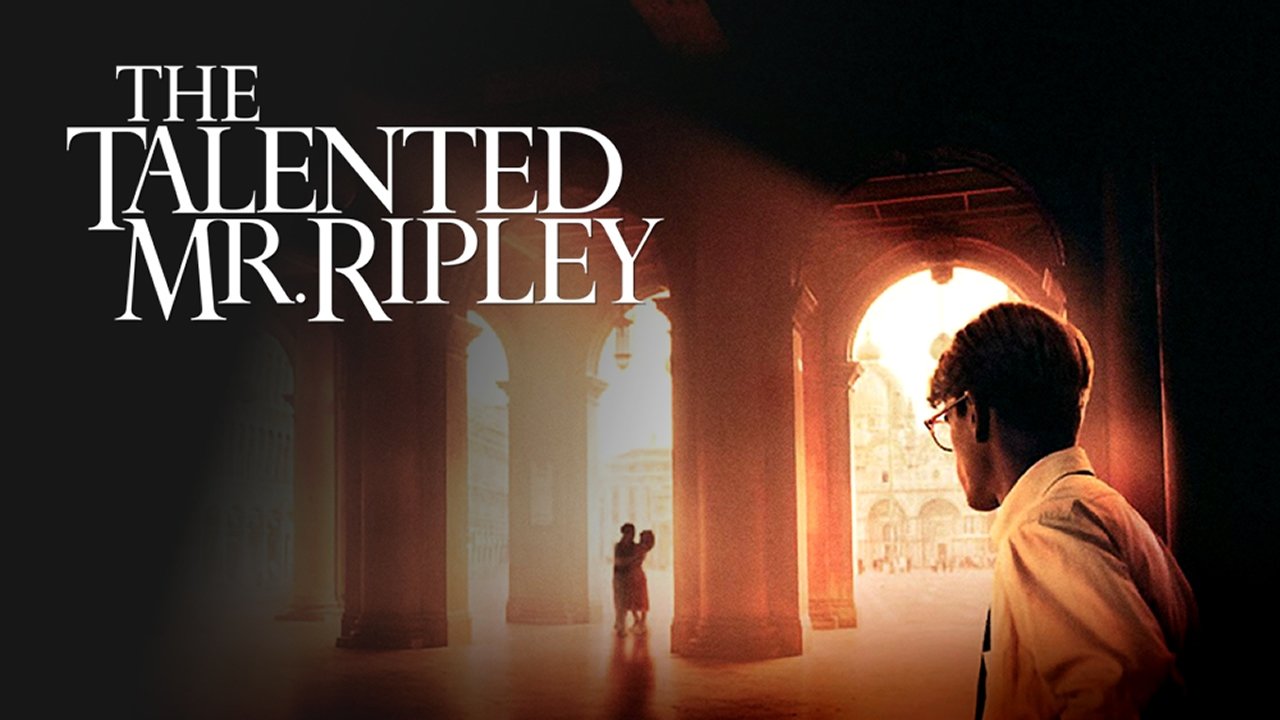
From the opening frames, Minghella seduces us. We're transported to late 1950s Italy, a sun-drenched playground for the wealthy and careless. Cinematographer John Seale paints a world of impossible beauty – azure waters, charming coastal villages like Positano and Ischia (standing in for the fictional Mongibello), the timeless allure of Rome and Venice. It’s intoxicating, this vision of la dolce vita. We understand immediately why Tom Ripley, sent on a fool's errand by the shipping magnate father of Dickie Greenleaf (Jude Law) to retrieve his errant son, becomes utterly mesmerized. The lifestyle, the effortless charm, the sheer privilege – it’s everything Tom is not. And that contrast, the stunning beauty masking the profound ugliness brewing within Tom, is the film's masterstroke. The picturesque setting isn't just backdrop; it's an active participant, highlighting the darkness by throwing it into sharp, sunlit relief.
A Triangle Forged in Desire and Deceit
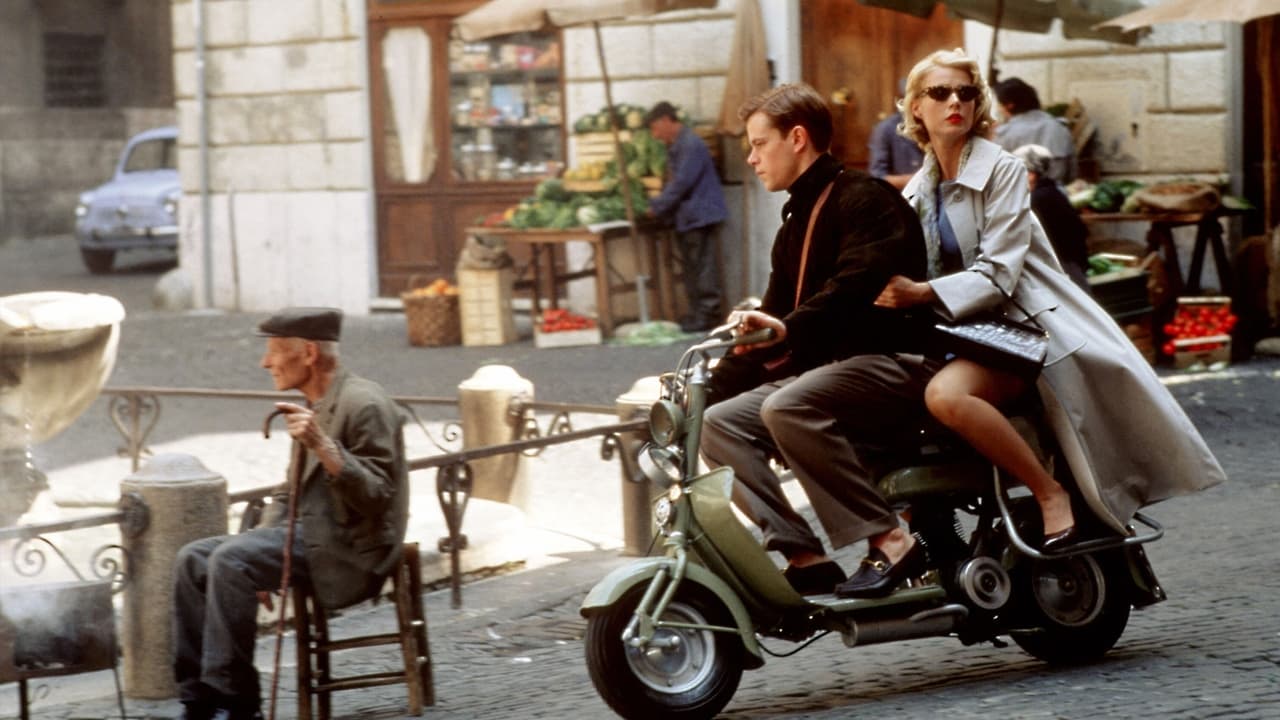
The film truly hinges on its central trio, and the performances are nothing short of magnetic. Jude Law, in the role that arguably launched him into international stardom, is Dickie Greenleaf. He radiates a golden-boy charisma that’s both captivating and infuriatingly casual. He’s spoiled, beautiful, and possesses an easy confidence that Tom can only observe with a mixture of worship and simmering resentment. Law nails the subtle cruelty beneath the charm, the way Dickie can build someone up only to discard them when bored. It's a performance built on effortless physicality and a smile that doesn't always reach the eyes. Reportedly, Law even learned to play the saxophone for the role, adding another layer to Dickie's bohemian allure.
Opposite him, Gwyneth Paltrow brings a luminous intelligence and warmth to Marge Sherwood, Dickie's long-suffering fiancée. She’s initially charmed by Tom's seeming sincerity, but Paltrow expertly charts Marge's dawning awareness, the subtle shifts from acceptance to suspicion to outright fear. She becomes the audience's surrogate in many ways, recognizing the wrong notes in Tom's performance long before others do. Her grounded presence provides a crucial anchor amidst the escalating deception.
And then there's Matt Damon. His Tom Ripley is a masterclass in controlled unease. He doesn't play Ripley as a straightforward villain, but as a deeply insecure, socially awkward young man consumed by a yearning so intense it curdles into obsession. Damon uses his inherent likability as camouflage. We see the desperate desire for acceptance in his eyes, the awkward mimicry of Dickie's mannerisms, the quiet calculations happening behind a seemingly harmless facade. He even learned to play the piano pieces featured in the film, adding another layer of immersive dedication. It’s the gradual nature of his transformation – the moments of panic giving way to chilling resolve – that makes the performance so unsettling. We witness the birth of a monster, not fully formed, but piece by horrifying piece.
Mirrors and Masks
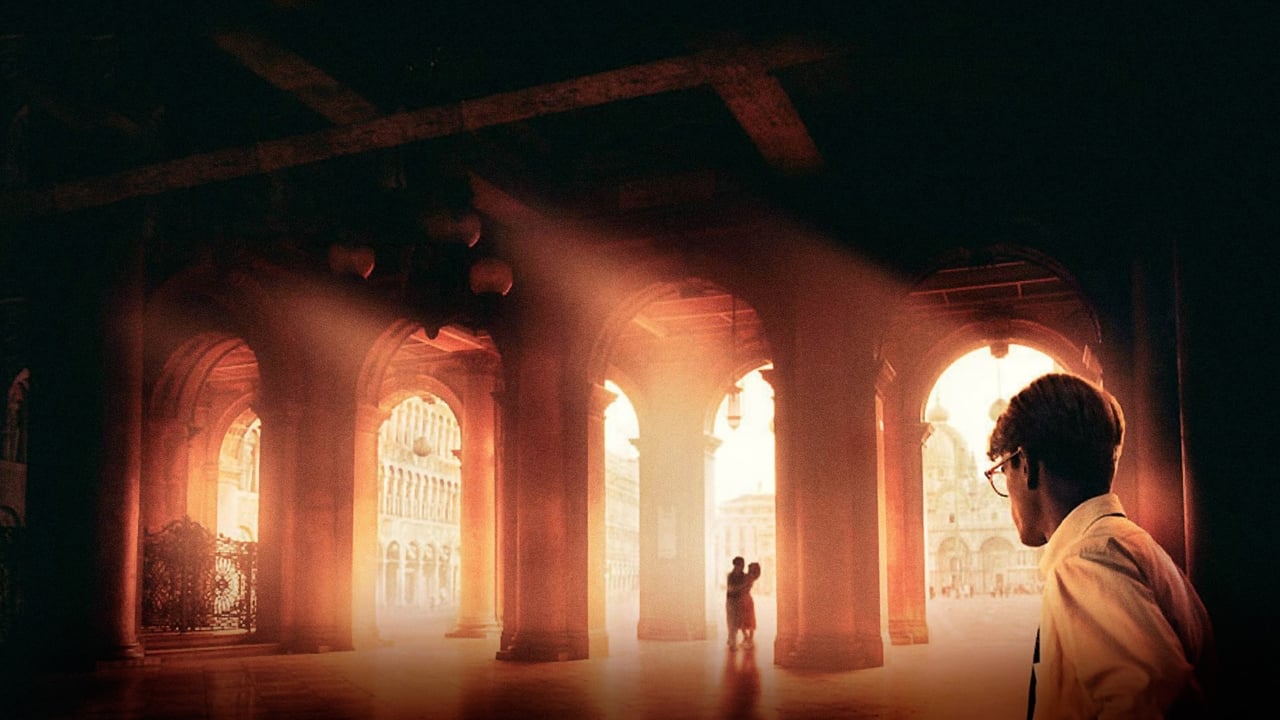
Beyond the central triangle, Minghella populates the film with equally compelling supporting turns from actors like Philip Seymour Hoffman as the boorish, suspicious Freddie Miles and Cate Blanchett as the naive heiress Meredith Logue. Each character reflects a different facet of the world Tom is trying to infiltrate, and each encounter raises the stakes of his dangerous game. Minghella, adapting Patricia Highsmith's 1955 novel, leans into the psychological thriller aspects, crafting an atmosphere thick with paranoia. The film isn't just about the act of Ripley's crimes, but the suffocating weight of maintaining the lie. How long can he keep the masks from slipping? The lush, evocative score by Gabriel Yared, steeped in jazz to reflect Dickie's passions, further enhances the mood, sometimes soaring with romanticism, other times underscoring the jagged edges of Tom's anxiety. It's a far cry from the pulpy directness of the earlier French adaptation, Purple Noon (1960) starring Alain Delon; Minghella is more interested in the internal landscape, the ambiguous sexuality simmering beneath the surface, and the corrosive effect of envy on the soul.
A Chilling Resonance
Watching The Talented Mr. Ripley again, perhaps on a worn VHS tape pulled from the back of the shelf, feels different now. In 1999, it felt like a sophisticated, adult thriller standing apart from the usual late-decade fare. It arrived with significant buzz, netting five Academy Award nominations (though surprisingly, none for the main cast or director, ultimately winning only for its impeccable Costume Design by Ann Roth and Gary Jones). Today, its themes of identity, class resentment, and the desperate need for belonging feel perhaps even more resonant. The question lingers: how much of ourselves are we performing? And what happens when the performance becomes the reality? The film offers no easy answers, culminating in a final scene that is both inevitable and utterly devastating.
Rating: 9/10
This score feels earned by the sheer craft on display. Minghella directs with intelligence and style, the performances from Damon, Law, and Paltrow are superb and career-defining for the time, and the film achieves a rare blend of ravishing beauty and profound psychological disturbance. The pacing is deliberate, allowing the tension and dread to build organically, immersing the viewer completely in Tom's precarious world. It’s a film that rewards repeat viewings, revealing new layers of nuance in the performances and the intricate plotting.
The Talented Mr. Ripley isn't just a stylish thriller; it's a haunting exploration of the darkness that can hide beneath the most beautiful surfaces, leaving you with the unsettling feeling that the charming stranger sitting next to you might be hiding secrets far deeper and darker than you could ever imagine. It remains a high-water mark for sophisticated, character-driven thrillers from the tail end of the VHS era.