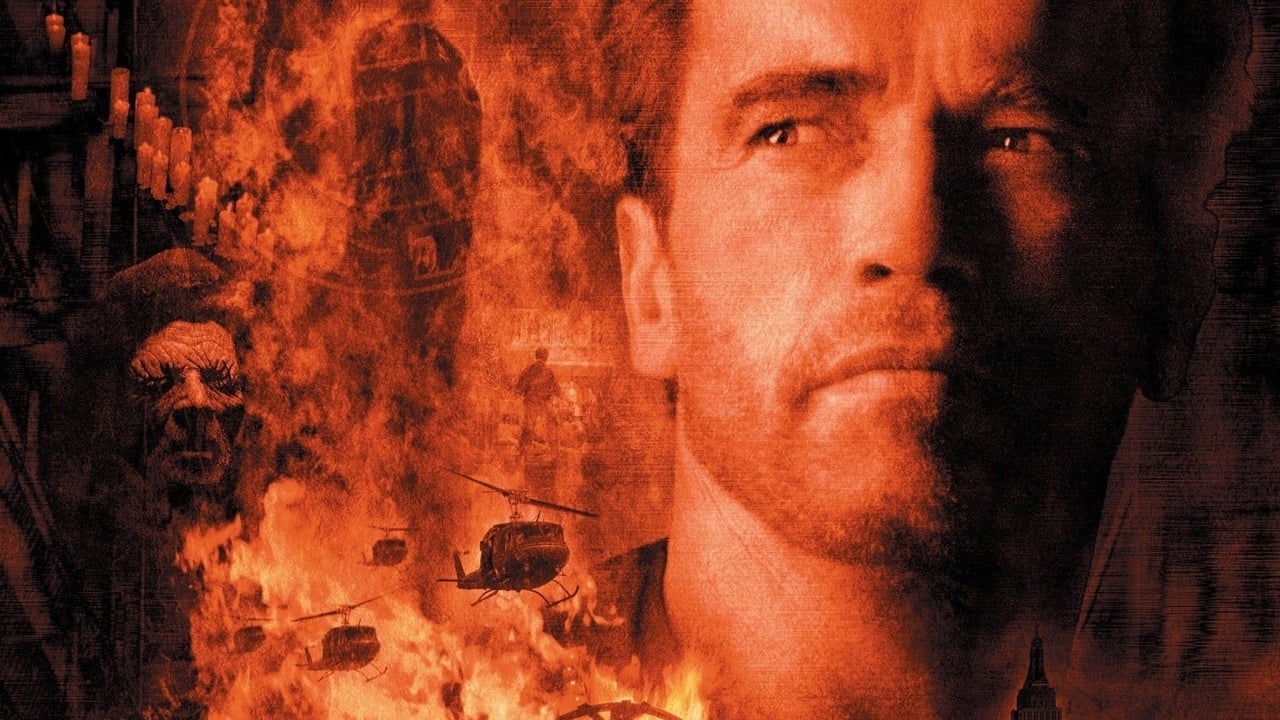
The final year of the millennium felt heavy, didn't it? A palpable anxiety hung in the air, thick with predictions of digital doom and whispers of ancient prophecies. It was against this backdrop of very real Y2K dread that End of Days (1999) crashed into multiplexes and later, onto countless well-worn VHS tapes. Here was Arnold Schwarzenegger, the titan of 80s and 90s action, not battling terrorists or cyborgs, but Lucifer himself. A premise both ludicrously high-concept and chillingly resonant with the times.
### Millennial Dread on Celluloid
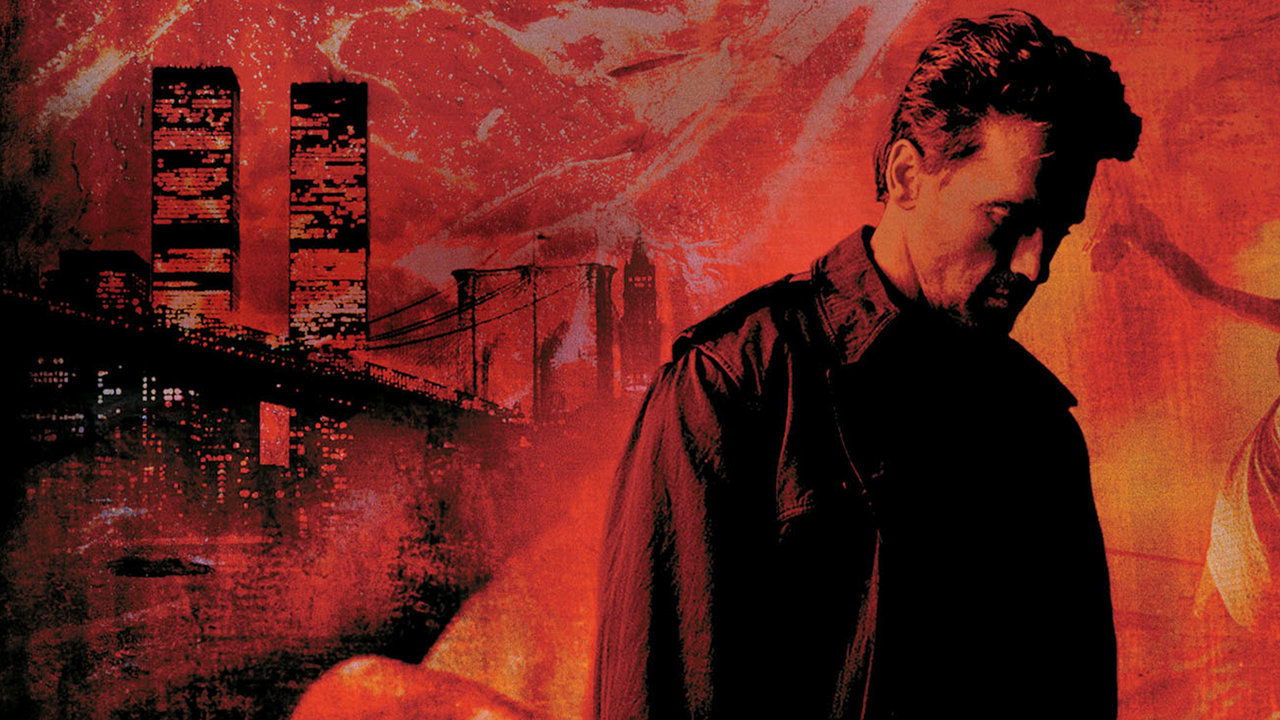
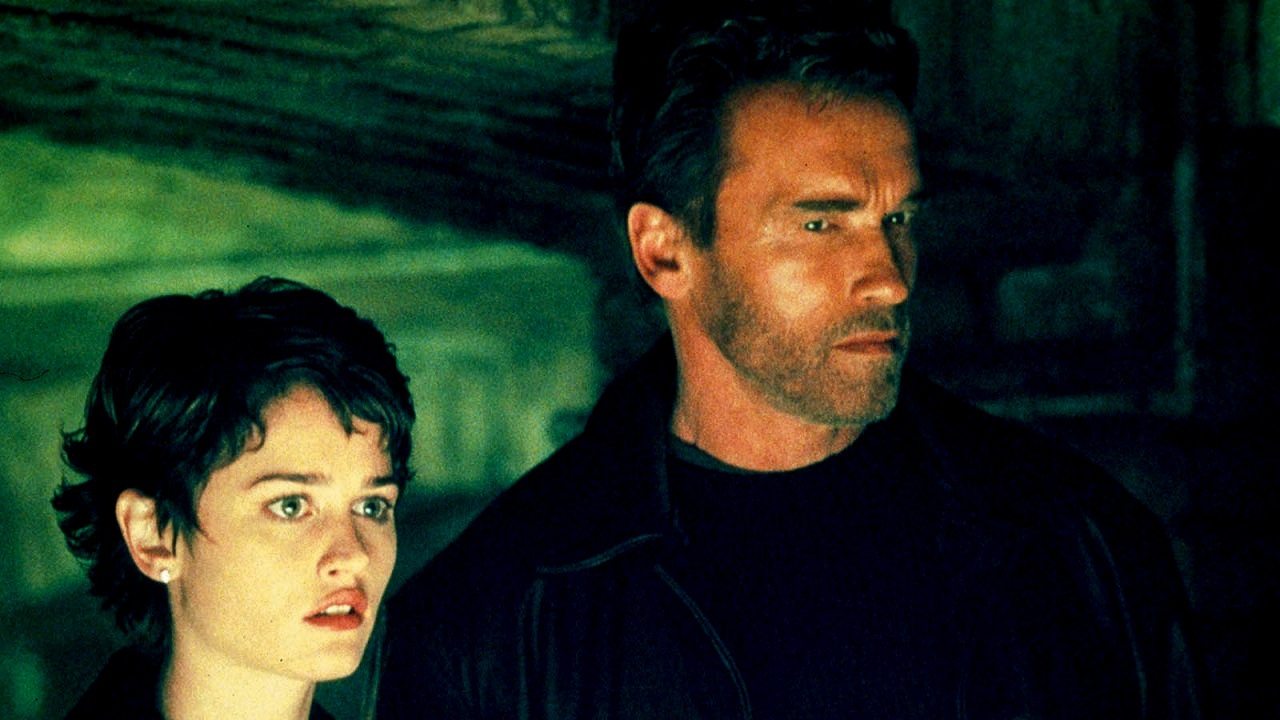
Director Peter Hyams (Timecop, 2010: The Year We Make Contact) plunges us immediately into a rain-slicked, perpetually twilight New York City teetering on the edge. Hyams, ever the master of gritty urban textures and claustrophobic shadows, crafts an atmosphere thick with despair. Forget the gleaming metropolis; this is a city of crumbling cathedrals, seedy back alleys, and subway tunnels echoing with more than just oncoming trains. The film feels damp, cold, and spiritually exhausted, perfectly mirroring its protagonist, the burnt-out ex-cop Jericho Cane. You can almost smell the wet pavement and stale cigarette smoke clinging to Cane's leather jacket. The film’s visual palette is intentionally bleak, leaning heavily into the grime and decay, making the supernatural elements feel disturbingly grounded. This wasn’t just a setting; it was a mood board for Armageddon.
### The Devil Wears Prada (and Armani)
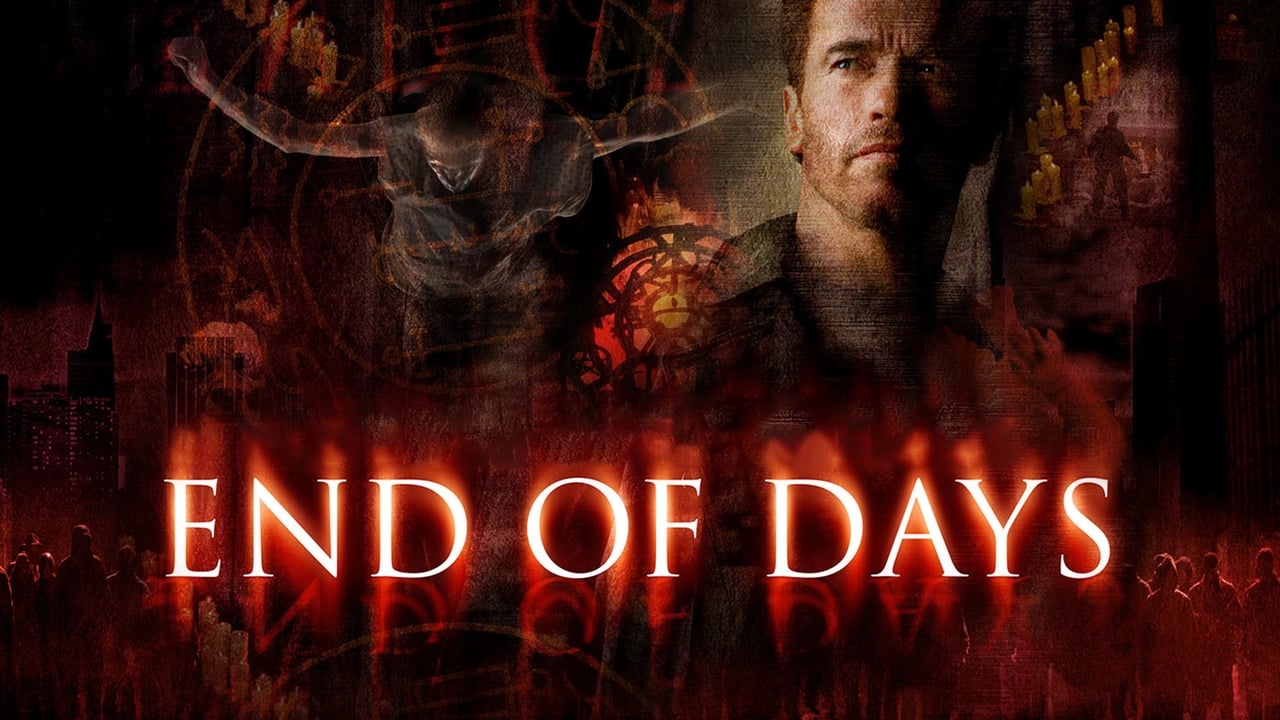
While Arnold anchors the film with his signature stoic presence, the infernal engine driving End of Days is undeniably Gabriel Byrne as Satan. Eschewing horns and pitchforks, Byrne’s Devil is a creature of seductive menace, clothed in expensive suits and wielding a terrifyingly calm charisma. He moves through the world with an unnerving blend of worldly sophistication and barely contained cosmic rage. Remember his quiet intensity when tempting Jericho? Byrne delivers lines like "Between your need to blame God for the death of your family and your need toFondle your gun, you're damn near paralyzed, aren't you?" with a chilling precision that elevates the material significantly. His performance is less about monstrous power (though that’s certainly unleashed) and more about the insidious nature of evil – the whisper in the ear, the exploitation of weakness. It remains one of the most compelling cinematic portrayals of the Adversary from that era. Opposite him, Robin Tunney (The Craft) carries the weight of the world as Christine York, the prophesied vessel. She effectively conveys the terror and vulnerability of a young woman hunted by literal Hell, grounding the apocalyptic stakes in relatable human fear.
### Guns vs. God: An Action Hero's Crisis
This film marked a significant return for Arnold Schwarzenegger following heart surgery in 1997. There's a different weight to him here, a weariness that transcends the usual action hero persona. Jericho Cane isn't the invincible T-800 or the quipping John Matrix; he's a broken man, haunted by personal tragedy and questioning his faith (or lack thereof). It was a deliberate attempt to add depth, though let's be honest, the script often defaults back to having him solve demonic possession with large-caliber weaponry. And yet, that clash is part of the film's weird charm. Seeing Arnold, the ultimate physical force, grapple with an enemy immune to bullets creates a unique tension. The script, penned by Andrew W. Marlowe (who also gave us the high-stakes thrills of Air Force One), throws everything at the screen – Vatican conspiracies, ancient prophecies, body-hopping demons, and explosive set pieces. It’s a blend that sometimes feels unwieldy, but rarely boring. Apparently, Tom Cruise was offered the role of Jericho but opted for Paul Thomas Anderson's Magnolia (1999) instead – a fascinating "what if?" for cinematic history.
### Brimstone, Blasts, and Practical Frights
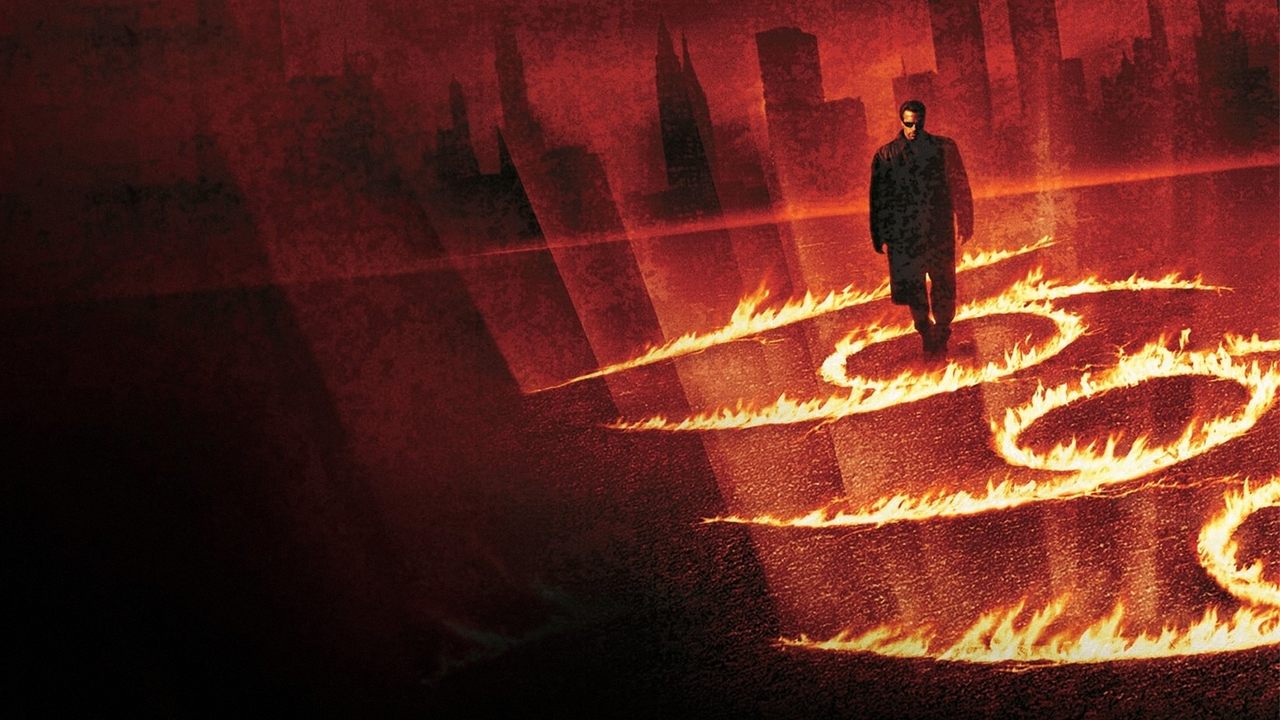
For its time, End of Days boasted a hefty budget (reportedly north of $100 million, earning around $212 million worldwide) and it shows on screen. While some of the late-90s CGI, particularly Satan's final monstrous form, inevitably looks dated now, much of the film relied on impactful practical effects and pyrotechnics. The subway explosion sequence remains visceral and chaotic, and the creature effects, handled partly by the legendary Stan Winston Studio, retain a certain tangible menace. Hyams doesn't shy away from the R-rated brutality, delivering moments of intense violence and disturbing imagery that likely pushed the boundaries for a mainstream star vehicle back then. Remember the unsettling hospital sequence or the sheer destructive power unleashed in the church? These moments were designed to shock, and viewed on a grainy VHS late at night, they certainly did. The film tapped directly into the cultural zeitgeist of 1999, playing on widespread anxieties about the turn of the millennium in a way few other blockbusters dared.
The Verdict:
End of Days is a fascinating, flawed, but undeniably atmospheric artifact of late-90s anxieties. It tried to graft a dark, supernatural horror/thriller onto the framework of a Schwarzenegger action vehicle, with sometimes awkward, but often compelling results. The mood is thick, Gabriel Byrne is magnetic, and Arnold brings a surprising vulnerability alongside the expected firepower. It’s undeniably excessive and occasionally clunky, its blend of theological horror and explosive action not always seamless. But its ambition, its grim tone, and its perfect capturing of that specific pre-millennial tension make it a standout piece of Schwarzenegger's later catalogue and a memorable entry in the "turn-of-the-century dread" subgenre.
Rating: 7/10
Justification: The score reflects the film's strong atmosphere, Byrne's standout performance, its effective capturing of the Y2K mood, and its sheer ambition in blending genres with a major action star. Points are deducted for some dated effects, occasional script weaknesses, and moments where the action overshadows the horror rather than complementing it.
Final Thought: It may not be subtle, but slip this tape back into the VCR, and you can almost feel the chill of December 1999 creeping back in – a time when even Arnold seemed unsure if bullets alone could save the world.